anti-skid na coating
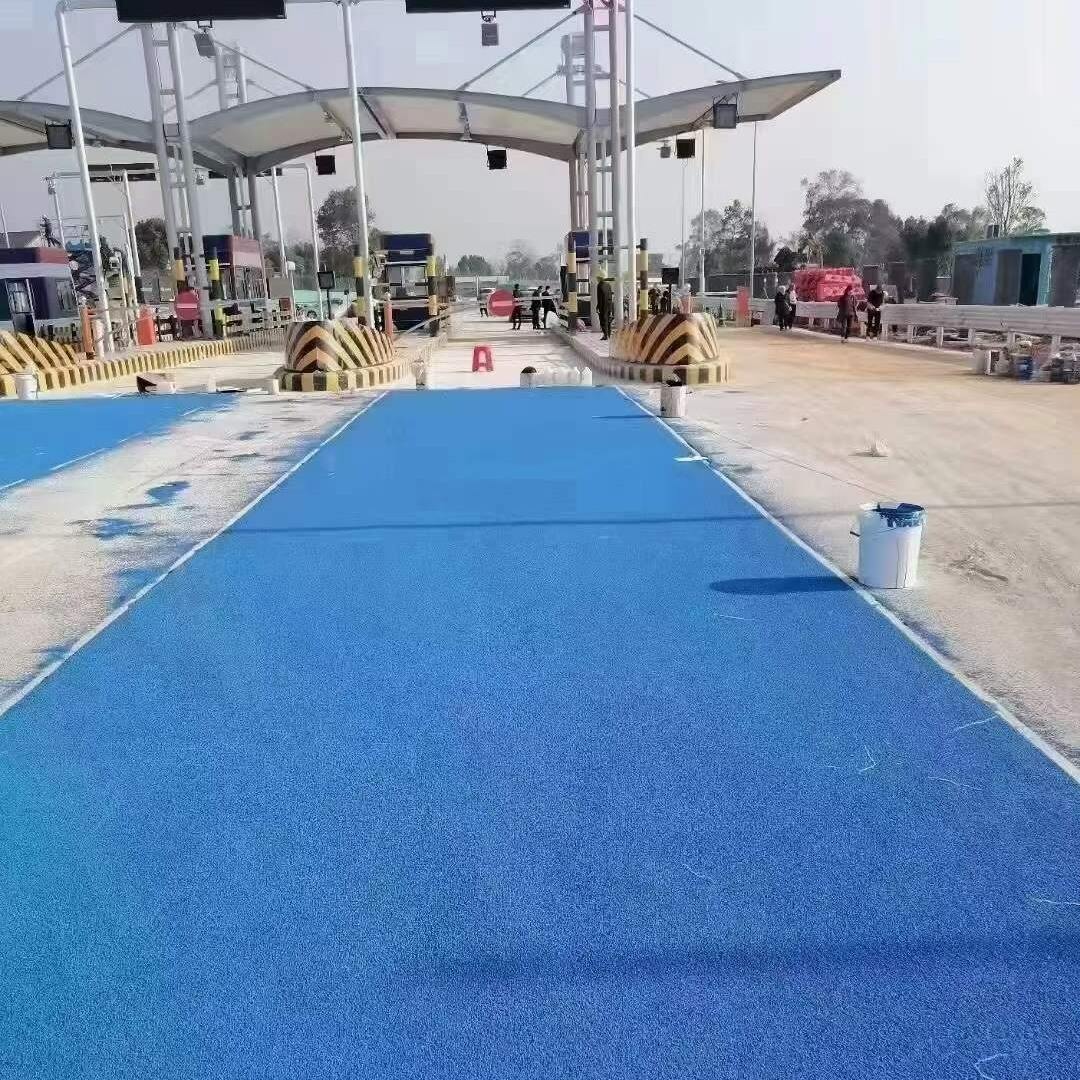
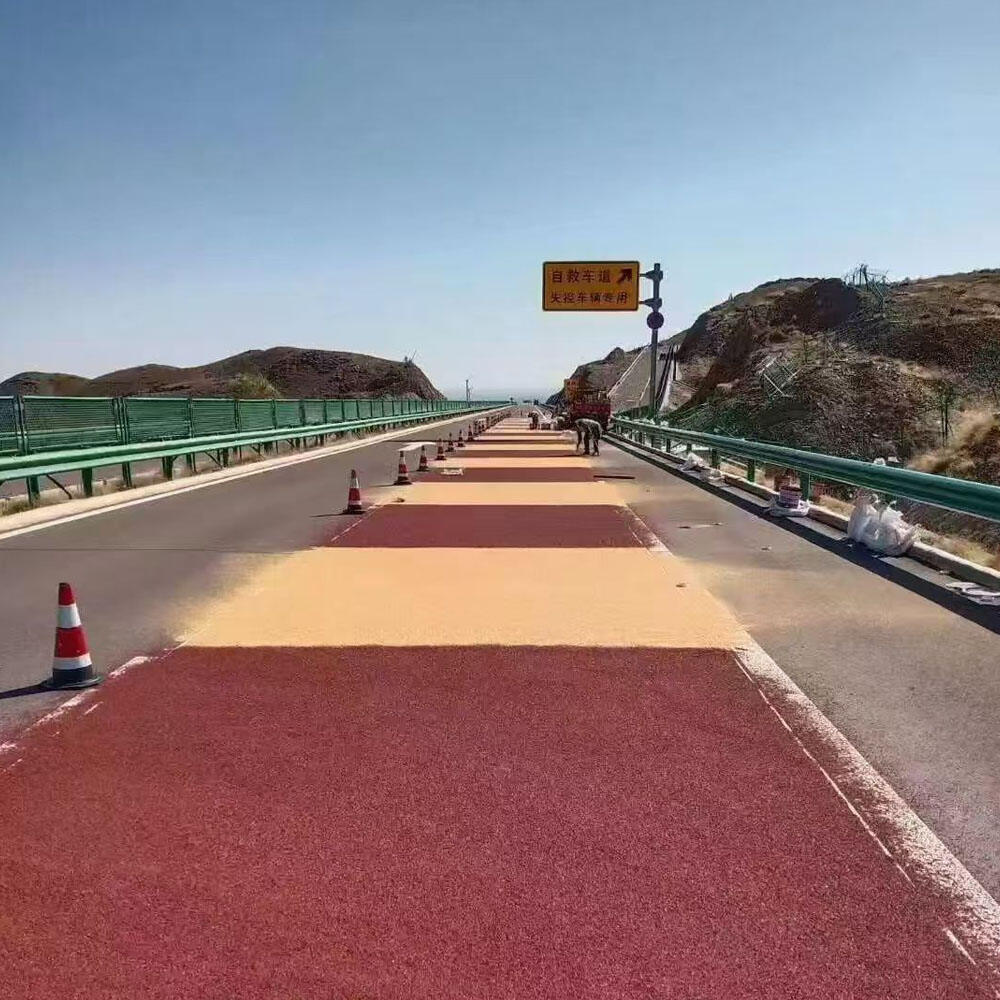
Ang anti-skid coating ay kumakatawan sa isang rebolusyonaryong solusyon sa paggamot ng ibabaw na idinisenyo upang mapataas ang kaligtasan at maiwasan ang mga aksidente sa iba't ibang kapaligiran. Ang espesyalisadong sistemang ito ng coating ay lumilikha ng may tekstura at hindi madulas na ibabaw na lubos na nagpapabuti ng traksyon at grip para sa parehong panlalakad at sasakyang pantransportasyon. Ang pangunahing tungkulin ng anti-skid coating ay ang pagbabago ng makinis, potensyal na mapanganib na mga ibabaw sa ligtas na lugar para sa paglalakad at pagmamaneho sa pamamagitan ng aplikasyon ng mga advanced na polymer formulation na pinagsama sa mga aggregate material. Ang teknolohikal na pundasyon ng sistemang ito ng coating ay umaasa sa maingat na ininhinyero na resin binders na tumitigas upang bumuo ng matibay at panlaban sa panahon na ibabaw na may nakapaloob na mga partikulo na nagbibigay ng exceptional na katangian ng grip. Ang mga modernong anti-skid coating formulation ay sumasali sa cutting-edge na materials science, na gumagamit ng epoxy, polyurethane, o acrylic-based na sistema na kumakabit nang permanente sa mga substrate surface habang nananatiling flexible upang sakupin ang thermal expansion at contraction. Ang mikroskopikong tekstura ng coating ay lumilikha ng libu-libong contact points na nagpapadala ng tubig palayo sa ibabaw, na nagpapipigil sa hydroplaning at nananatiling may grip kahit sa mga nababasa o basang kondisyon. Ang mga aplikasyon ng anti-skid coating ay sumasaklaw sa maraming industriya at kapaligiran, kabilang ang mga industrial facility, komersyal na gusali, residential property, imprastraktura ng transportasyon, at marine installation. Sa mga planta ng pagmamanufaktura, ang sistemang ito ng coating ay nagpipigil sa workplace accidents sa mga metal walkway, loading dock, at production floor kung saan ang mga spill at kahalumigmigan ay lumilikha ng mga slip hazard. Ginagamit ng mga pasilidad sa healthcare ang anti-skid coating sa mga patient care area, emergency exit, at exterior ramp upang matiyak ang ligtas na paggalaw ng mga pasyente, bisita, at medical staff. Ipinapalit ng mga institusyong pang-edukasyon ang mga coating na ito sa mga gymnasium floor, cafeteria area, at outdoor walkway upang protektahan ang mga mag-aaral at guro laban sa mga sugat na dulot ng pagkakalaglag. Ang versatility ng anti-skid coating ay umaabot sa mga espesyalisadong aplikasyon tulad ng helicopter landing pad, ship deck, swimming pool surround, at sports facility surface kung saan ang superior traction ay nananatiling mahalaga para sa operasyonal na tagumpay at kaligtasan ng user.





 EN
EN