
 EN
EN
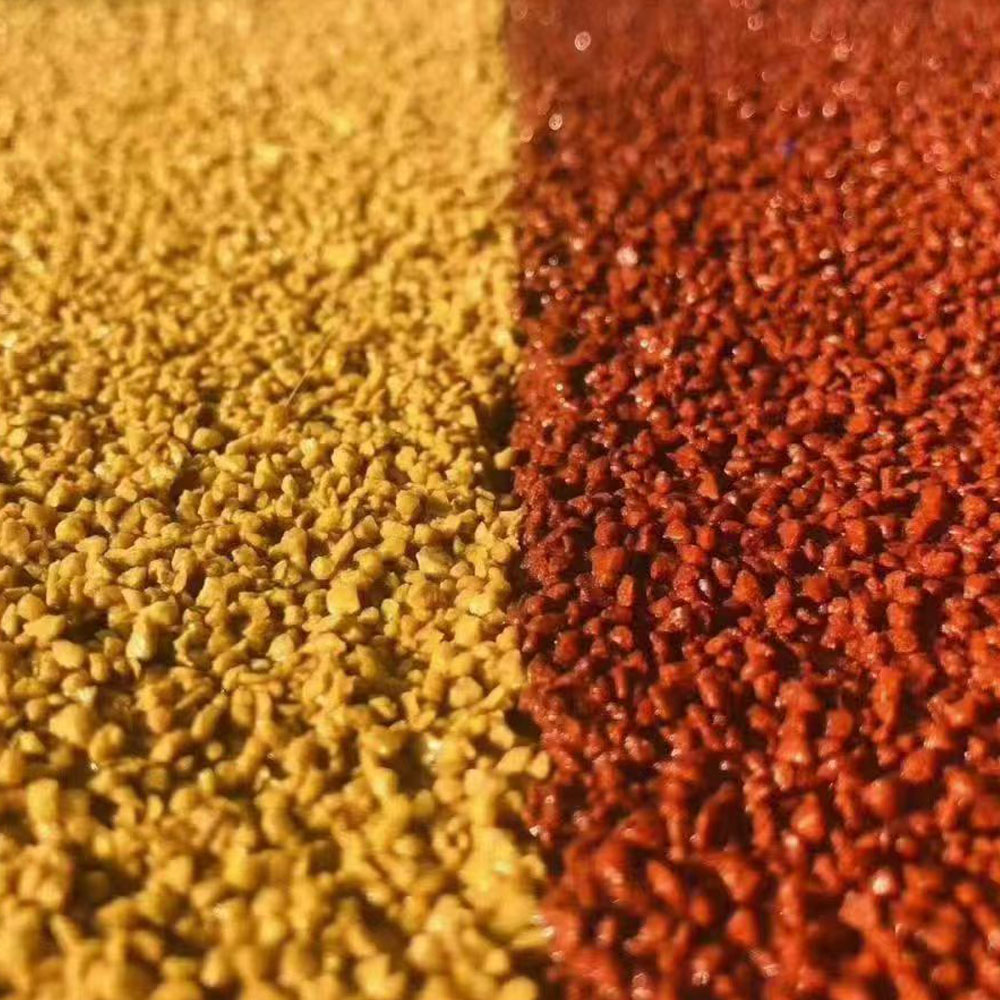
When designing a pool surround, safety and comfort are not optional extras — they are the foundation of every smart decision. Wet feet, running children, and sun-baked paving create a combination that demands a surface material capable of delivering genuine grip without sacrificing the tactile comfort that makes a poolside experience enjoyable. resin washed stone has emerged as one of the most technically sound and aesthetically refined answers to this challenge, offering a surface that performs reliably in the most demanding wet environments.
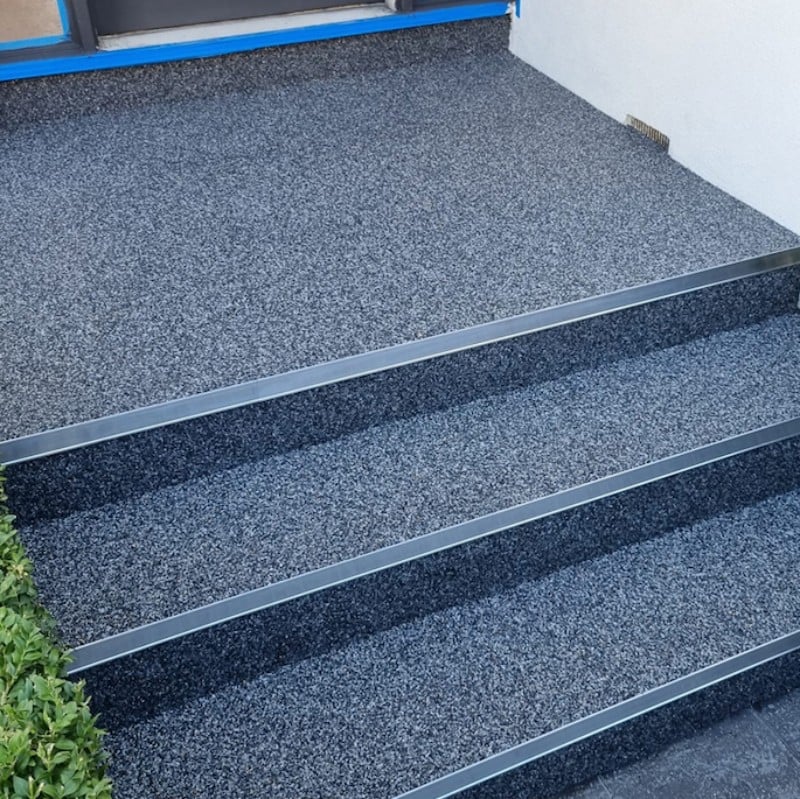
Understanding why resin washed stone is particularly well-suited to pool surrounds requires looking at both its physical construction and its real-world performance characteristics. Unlike smooth concrete, polished porcelain, or standard pavers, resin washed stone is engineered to expose the natural texture of rounded aggregate stones bound together with a durable resin matrix. This construction creates a surface that is simultaneously slip-resistant underfoot, gentle on bare skin, and visually appealing in outdoor leisure settings. The following sections explore the specific reasons why this material should be the first choice for any pool surround project.
The Slip-Resistance Mechanism of Resin Washed Stone
How Surface Texture Prevents Poolside Accidents
The slip-resistance of resin washed stone is not a coating applied on top of a smooth base — it is inherent to the material's structure. During installation, the resin binder is applied to hold the aggregate stones in place, and the surface is then washed to expose the tops of the individual pebbles or crushed stone particles. This washing process reveals a consistently textured, multi-point contact surface that provides friction even when saturated with water.
When a bare foot steps onto a wet resin washed stone surface, the rounded tops of the exposed aggregate create dozens of small contact points that grip the sole of the foot. This is fundamentally different from a smooth tile or polished concrete surface, where a thin film of water can act as a lubricant and dramatically reduce friction. The micro-topography of resin washed stone disrupts that water film and maintains traction throughout the wet zone around a pool.
This structural approach to slip resistance means the surface does not degrade in the same way that anti-slip coatings or surface treatments do. Coatings wear away with foot traffic and UV exposure, but the texture of resin washed stone is the stone itself — it remains consistent over years of use without requiring reapplication or maintenance treatments to preserve its safety performance.
Performance Under Continuous Wet Conditions
Pool surrounds are among the most persistently wet surfaces in any residential or commercial property. Splash zones, dripping swimwear, and hose-downs mean the surface is rarely fully dry during the swimming season. Resin washed stone performs consistently under these continuous wet conditions because its slip resistance is not dependent on dryness — the aggregate texture functions equally well whether the surface is damp, wet, or partially submerged in shallow splash areas.
The resin binder used in quality resin washed stone installations is formulated to resist water penetration and maintain its bond with the aggregate under repeated wetting and drying cycles. This prevents the loosening of individual stones that could otherwise create uneven surfaces or sharp edges — both of which would compromise safety and comfort. A well-installed resin washed stone surface retains its integrity and its slip-resistant profile across multiple seasons without significant deterioration.
For commercial pool facilities, where liability and compliance with safety standards are critical concerns, the consistent wet-surface performance of resin washed stone provides a measurable and defensible safety advantage over smoother paving alternatives. The material's performance characteristics align well with the requirements of public and semi-public aquatic environments.
Barefoot Comfort as a Design Priority
Why Aggregate Selection Matters for Foot Feel
Slip resistance and barefoot comfort are not always the same thing. Some highly textured surfaces — such as exposed aggregate concrete with sharp crushed stone — provide excellent grip but are uncomfortable or even painful to walk on with bare feet. Resin washed stone addresses this tension by typically using rounded, smooth-edged pebbles or polished aggregate as the surface material. The result is a surface that grips the foot without abrading or puncturing the skin.
The selection of aggregate type is therefore a critical design decision when specifying resin washed stone for a pool surround. Rounded river pebbles, smooth quartz aggregate, and polished crystal stone variants all offer the textured contact surface needed for slip resistance while presenting a smooth, comfortable face to bare feet. This combination — rough enough to grip, smooth enough to walk on comfortably — is what makes resin washed stone genuinely barefoot-friendly rather than merely slip-resistant in a technical sense.
For families with children, elderly users, or any pool environment where extended barefoot use is expected, this distinction is practically significant. A surface that people avoid walking on because it is uncomfortable will not deliver its safety benefits — users will find ways around it, defeating the purpose of the installation. Resin washed stone encourages natural, confident movement around the pool because it feels good underfoot.
Thermal Comfort in Sun-Exposed Pool Areas
One of the most overlooked aspects of pool surround comfort is thermal performance. Dark or dense paving materials can absorb significant solar heat and become uncomfortably hot — or even dangerous — to walk on with bare feet during peak summer conditions. Resin washed stone, particularly when lighter-colored aggregate is selected, reflects a greater proportion of solar radiation and absorbs less heat than dark concrete or black rubber surfaces.
The air gaps between individual aggregate stones in a resin washed stone surface also contribute to its thermal performance. These micro-voids reduce the thermal mass of the surface layer compared to a solid slab of the same thickness, meaning the surface heats up more slowly and cools down more quickly as conditions change. For a pool surround that receives direct sun for most of the day, this thermal behavior translates directly into a more comfortable barefoot experience during the hours when the pool is most actively used.
Specifying lighter aggregate colors — white quartz, pale river pebble, or cream-toned crystal stone — amplifies this thermal benefit while also creating a visually bright, resort-style aesthetic that complements the water of the pool. Resin washed stone therefore allows designers to optimize for both thermal comfort and visual appeal simultaneously, without compromising on slip resistance.
Durability and Maintenance Advantages Around Pools
Resistance to Pool Chemicals and UV Exposure
Pool surrounds are exposed to a chemical environment that is hostile to many conventional paving materials. Chlorine splash, pH-adjusted water, algaecides, and cleaning chemicals can degrade sealers, stain concrete, and cause efflorescence in natural stone. Resin washed stone, when manufactured with a UV-stable and chemically resistant resin binder, is significantly more resistant to these chemical exposures than unsealed or poorly sealed alternatives.
The resin matrix that binds the aggregate in resin washed stone acts as a continuous protective layer around each stone particle, preventing chemical penetration into the substrate and reducing the risk of staining or surface degradation. This chemical resistance means the surface retains its appearance and structural integrity even in environments where chlorine splash is frequent and cleaning routines are rigorous.
UV stability is equally important for a pool surround that receives intense sun exposure year-round. A resin binder that yellows or becomes brittle under UV radiation will compromise both the appearance and the structural performance of the surface over time. Quality resin washed stone formulations use UV-stabilized resins that maintain their clarity and flexibility across extended outdoor service life, preserving the surface's safety and aesthetic characteristics without requiring frequent resealing.
Low Maintenance Requirements for Pool Environments
Maintenance around a pool needs to be simple, quick, and compatible with the wet environment. Resin washed stone requires no specialist cleaning products and no periodic resealing under normal conditions. Routine maintenance consists of hosing down the surface to remove debris, occasional brushing to dislodge organic material from between aggregate stones, and standard pool-area cleaning practices. This low maintenance profile is a practical advantage for both residential homeowners and commercial facility managers.
The permeable or semi-permeable nature of many resin washed stone installations also contributes to easier maintenance. Water drains through or across the surface efficiently rather than pooling, which reduces the standing water that encourages algae and mold growth. A surface that drains well is not only safer — it is also cleaner and easier to maintain over time, reducing the labor and chemical inputs required to keep the pool surround hygienic and presentable.
For commercial operators, the combination of low maintenance requirements and durable performance translates into a lower total cost of ownership compared to surfaces that require frequent resealing, repainting, or replacement of worn anti-slip treatments. Resin washed stone delivers its safety and comfort benefits consistently without generating significant ongoing maintenance costs.
Aesthetic Integration with Pool and Landscape Design
Visual Versatility Across Pool Styles
Beyond its functional advantages, resin washed stone offers considerable aesthetic flexibility that makes it compatible with a wide range of pool and landscape design styles. The aggregate can be selected in colors, sizes, and textures that complement the pool finish, the surrounding garden, and the architectural character of the property. From natural earth tones that blend with a tropical garden setting to crisp white pebble surfaces that reinforce a contemporary minimalist aesthetic, resin washed stone can be specified to suit virtually any design brief.
This visual versatility is a significant advantage over purpose-built anti-slip products, which often have a utilitarian appearance that conflicts with high-end residential or hospitality design intentions. Resin washed stone achieves its safety performance through its natural material composition rather than through the addition of visually disruptive surface treatments, allowing it to function as a premium design material rather than a safety compromise.
The seamless, continuous surface that resin washed stone can create — without the grout lines of tile or the joints of paver systems — also contributes to a clean, resort-quality visual impression. For pool surrounds in luxury residential or hospitality contexts, this seamless aesthetic is often as important as the functional performance characteristics of the material.
Compatibility with Pool Coping and Surrounding Landscaping
Resin washed stone integrates naturally with a variety of pool coping materials and landscape elements. It can be laid directly adjacent to natural stone coping, concrete pool edges, or timber decking without creating visual discontinuity, provided the aggregate selection is coordinated with the surrounding materials. This compatibility makes it easy to incorporate resin washed stone into a holistic pool and garden design rather than treating it as an isolated safety product.
The material also works well in combination with planted areas, garden beds, and lawn edges. Its natural aggregate composition means it reads as a landscape material rather than an industrial safety product, allowing it to transition smoothly between the pool zone and the broader garden environment. This design coherence is particularly valued in residential settings where the pool surround is a central feature of the outdoor living space.
When the full pool surround — including the immediate splash zone, the transition to garden areas, and any steps or ramps — is finished in resin washed stone, the result is a unified, professional-quality outdoor space that communicates both design intention and practical intelligence. The material's ability to serve both functions simultaneously is one of its most compelling attributes for discerning residential and commercial clients.
FAQ
Is resin washed stone suitable for both residential and commercial pool surrounds?
Yes, resin washed stone is well-suited to both residential and commercial pool environments. Its slip resistance, chemical durability, and low maintenance requirements make it practical for high-traffic commercial facilities, while its aesthetic flexibility and barefoot comfort make it equally appropriate for luxury residential pools. The material can be specified in different aggregate sizes and colors to meet the specific performance and design requirements of each project type.
How does resin washed stone compare to standard concrete for pool surrounds in terms of safety?
Standard concrete, particularly when smooth-finished or polished, becomes significantly more slippery when wet — a serious concern in pool environments. Resin washed stone maintains its slip-resistant texture regardless of moisture level because the grip is provided by the exposed aggregate surface rather than by a coating or treatment. This structural approach to slip resistance is more reliable and longer-lasting than surface treatments applied to concrete, which wear away with use and UV exposure.
Can resin washed stone be installed on existing pool surround surfaces?
In many cases, resin washed stone can be installed over an existing sound substrate, provided the base is structurally stable, level, and free of significant cracking or movement. The existing surface must be properly prepared — cleaned, repaired, and primed as required — to ensure adequate adhesion of the resin binder. A professional assessment of the existing substrate condition is recommended before proceeding with an overlay installation to ensure the finished surface performs as intended.
What aggregate types are most commonly used in resin washed stone for pool surrounds?
Rounded river pebbles, smooth quartz aggregate, and polished crystal stone are among the most commonly specified aggregate types for pool surround applications of resin washed stone. These materials combine the textured surface profile needed for slip resistance with the smooth, rounded edges that make the surface comfortable for extended barefoot use. Lighter-colored aggregates are often preferred for pool surrounds because they reflect solar heat more effectively, keeping the surface cooler underfoot during peak sun exposure.
Table of Contents
- The Slip-Resistance Mechanism of Resin Washed Stone
- Barefoot Comfort as a Design Priority
- Durability and Maintenance Advantages Around Pools
- Aesthetic Integration with Pool and Landscape Design
-
FAQ
- Is resin washed stone suitable for both residential and commercial pool surrounds?
- How does resin washed stone compare to standard concrete for pool surrounds in terms of safety?
- Can resin washed stone be installed on existing pool surround surfaces?
- What aggregate types are most commonly used in resin washed stone for pool surrounds?