மேம்படுத்தப்பட்ட காட்சி திறன் மற்றும் அவசர நடவடிக்கை திறன்கள்
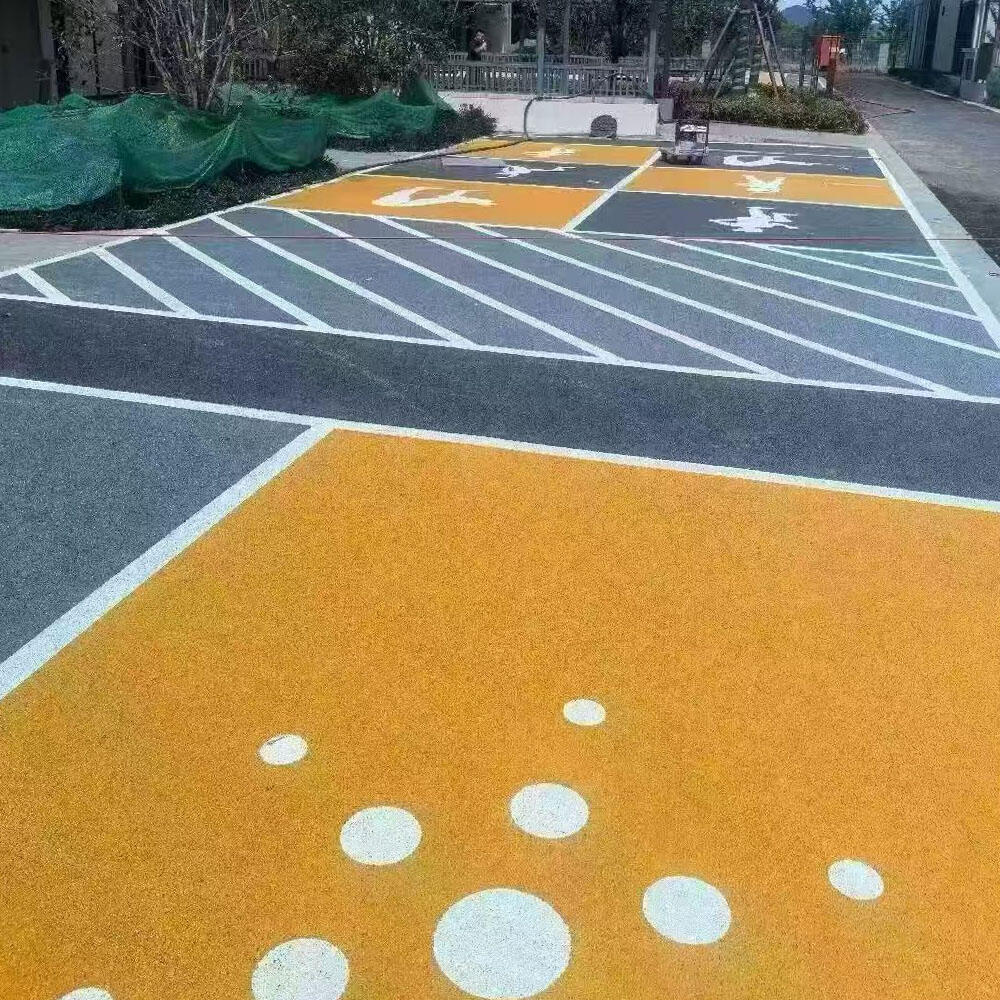
தீ தடுப்பு சாலை வரைவு முறையின் மேம்படுத்தப்பட்ட காட்சி தன்மைகள், சாதாரண சாலை குறியீடுகளுக்கான தரநிலைகளை மிகப்பெரிய அளவில் மீறி, சாதாரண செயல்பாடுகளின் போதும், விபத்து நேரங்களிலும் தெளிவான வழிகாட்டுதலை வழங்குவதன் மூலம் முக்கியமான பாதுகாப்பு நன்மைகளை வழங்குகின்றன — ஏனெனில், உயிர் பாதுகாப்பிற்காக தெளிவான வழிநடத்தல் அவசியமாகிறது. இந்த மேம்பட்ட காட்சி அமைப்பு, சிறப்பு பிரதிபலிப்பு கூறுகள் மற்றும் உயர்-எதிர்மறை நிறமிகளைக் கொண்டுள்ளது, இவை பல்வேறு ஒளியியல் நிலைமைகளில் ஒளியியல் தெளிவை பராமரிக்கின்றன — குறிப்பாக, தீ விபத்துகளின் போது புகை, அவசர ஒளியமைப்புகள் மற்றும் சூழல் ஒளியின் குறைவு ஆகியவற்றால் ஏற்படும் சவாலான காட்சி நிலைமைகளிலும் கூட. தீ தடுப்பு சாலை வரைவு முறை, வாகனங்களின் முன் ஒளிகள் மற்றும் அவசர வாகனங்களின் ஒளியமைப்பு முறைகளிலிருந்து வரும் ஒளியை வலுப்படுத்தும் தனிப்பயன் பிரதிபலிப்பு (ரெட்ரோ-ரிப்ளெக்டிவ்) தொழில்நுட்பத்தைப் பயன்படுத்துகிறது; இதனால், வளிமண்டல நிலைமைகளால் மொத்த காட்சி திறன் குறைந்தாலும், இந்த குறியீடுகள் பாரம்பரிய மாற்று வழிகளை விட வெளிச்சமாகவும், தெளிவாகவும் தோன்றுகின்றன. அவசர செயல்பாடுகளுக்கான திறன்கள் என்பது அடிப்படையில் வடிவமைப்பின் ஒரு முக்கிய கருத்தாகும் — ஏனெனில், மேம்படுத்தப்பட்ட காட்சி தன்மைகள், சாதாரண ஒளியமைப்பு முறைகள் செயலிழந்திருக்கும் போதும், புகை அல்லது அவசர நிலைமைகளால் காட்சி திறன் குறைந்திருக்கும் போதும், தப்பிவிடும் பாதைகள், அவசர வழிகள் மற்றும் முக்கிய வழிநடத்தல் புள்ளிகள் தெளிவாக அடையாளம் காணக்கூடியவையாக இருப்பதை உறுதிப்படுத்துகின்றன. சிறப்பு நிறமி கலவை, உயர் வெப்பநிலைகள் மற்றும் தீ நிலைமைகளுக்கு ஆட்பட்டாலும், நிற ஒழுங்குமுறை மற்றும் எதிர்மறை தன்மையை பராமரிக்கிறது; இதனால், தெளிவான வழிநடத்தல் மிகவும் முக்கியமாகிறது என்ற தருணங்களில், முக்கிய குறியீடுகள் தெளிவாகவும், செயல்பாட்டுத் திறனுடனும் இருக்கின்றன. பகல் நேர காட்சி நன்மைகள் உயர் நிற நிறைவு மற்றும் எதிர்மறை தன்மையை உள்ளடக்கியவை, இவை சாதாரண போக்குவரத்து செயல்பாடுகளின் போது குறியீடுகளை அடையாளம் காணும் திறனை மேம்படுத்துகின்றன — இது மொத்த சாலை பாதுகாப்பிற்கு பங்களிக்கிறது, மேலும் அவசர செயல்பாடுகளின் மேம்பட்ட செயல்திறனுக்கான அடித்தளத்தையும் வழங்குகிறது. தீ தடுப்பு சாலை வரைவு முறை, முழு இருளில் அல்லது மின்சார தடை நிலைகளிலும் தொடர்ந்து காட்சியை வழங்கக்கூடிய ஒளிப்பிரகாச பண்புகளைக் கொண்டுள்ளது; இது வெளிப்புற ஒளியமைப்பு முறைகள் அல்லது மின்சார சக்தியை சாராத செயலிலா (பாஸிவ்) வழிநடத்தல் திறனை வழங்குகிறது. இந்த விரிவான காட்சி மேம்பாடுகள், அவசர தப்பிவிடும் நடவடிக்கைகள் முழுமையாக தெளிவான, நம்பகமான குறியீடுகளை சார்ந்திருக்கும் சுரங்கங்கள், கீழே உள்ள வசதிகள் மற்றும் மூடிய இடங்கள் போன்ற இடங்களில் தீ தடுப்பு சாலை வரைவு முறையை குறிப்பிட்டு மதிப்புமிக்கதாக ஆக்குகின்றன — ஏனெனில், இவை கட்டிட உள்கட்டமைப்பை சாராமல் செயல்படும் மற்றும் அவசர நிலைமைகளின் முழு காலத்திலும் தங்கள் வழிநடத்தல் திறனை பராமரிக்கும்.



 EN
EN