Superior na Proteksyon Laban sa Tubig gamit ang Advanced na Polymer Technology
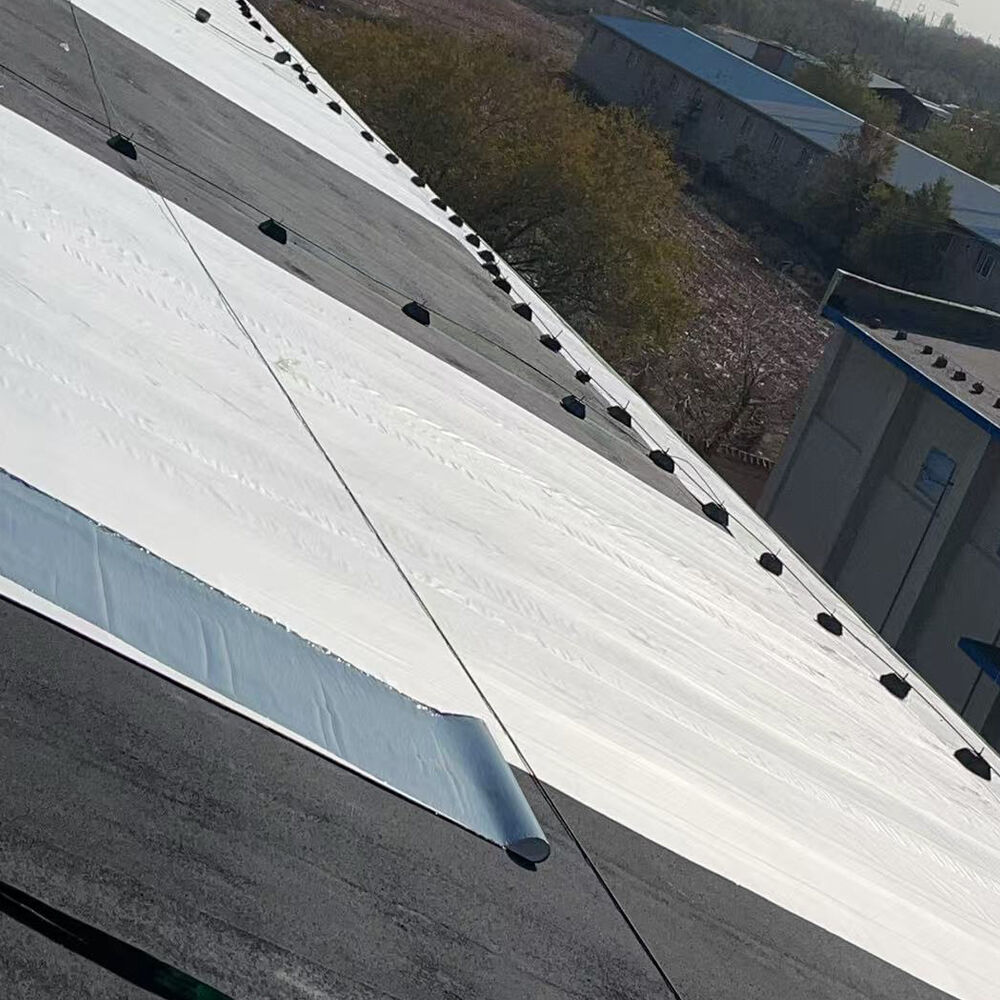
Ang mga kakayahan sa pagpapagtago laban sa tubig ng waterproof coating na may radiative cooling ay kumakatawan sa isang malaking unlad sa teknolohiya ng proteksyon laban sa kahalumigan, na gumagamit ng napapanahong polymer chemistry upang lumikha ng mga walang katuwiran, matatag na hadlang na nagpoprotekta sa mga istruktura laban sa pagsusubok ng tubig habang pinapanatili ang optimal na thermal performance. Ang sistema ng pagpapagtago laban sa tubig ng coating ay gumagamit ng mga cross-linking polymers na bumubuo ng patuloy at nababaluktot na mga membrane na kayang sumabay sa galaw ng istruktura nang hindi nawawala ang integridad nito. Ang napapanahong pormulasyon na ito ay nagkakasama ng maraming uri ng polymer upang i-optimize ang parehong pagganap sa pagpapagtago laban sa tubig at mga katangian ng radiative cooling, na tiyak na hindi nakakaapekto ang bawat isa sa kabilang. Ang coating ay lumilikha ng isang monolithic membrane na nag-aalis ng mga seam, mga hinihinging punto, at potensyal na mga lugar ng kabiguan na karaniwan sa tradisyonal na mga sistema ng pagpapagtago laban sa tubig. Ang walang katuwirang aplikasyon na ito ay lubos na binabawasan ang panganib ng pagsusubok ng tubig, na nananatiling pangunahing sanhi ng pinsala sa istruktura ng mga gusali sa buong mundo. Ang polymer matrix ay nagpapakita ng napakahusay na resistensya sa mga environmental stressor tulad ng ultraviolet radiation, mga pagbabago ng temperatura, eksposur sa kemikal, at mekanikal na stress. Ang mga pagsusuri sa laboratorio ay nagpapatunay sa kakayahan ng coating na panatilihin ang integridad ng pagpapagtago laban sa tubig sa loob ng libu-libong thermal cycles, na sumisimula sa ilang dekada ng tunay na eksposur sa kapaligiran. Ang nababaluktot na kalikasan ng natuyong membrane ay nagbibigay-daan sa pag-aakomoda ng galaw ng gusali dahil sa thermal expansion, pag-ubos, at mga load dulot ng hangin nang hindi nabubuo ang mga crack o separations. Ang flexibility na ito ay lalo pang kapaki-pakinabang para sa mga istruktura na nakakaranas ng malaking pagbabago ng temperatura, kung saan ang mga rigid na sistema ng pagpapagtago laban sa tubig ay madalas nababigo dahil sa differential movement. Ang radiative cooling waterproof coating ay nagpapakita ng mahusay na adhesion characteristics sa iba’t ibang substrates tulad ng concrete, metal, kahoy, at mga umiiral nang sistema ng membrane. Ang versatility na ito ay nag-aalis ng pangangailangan ng masusing surface preparation o primer systems sa karamihan ng mga aplikasyon, na binabawasan ang oras at gastos sa instalasyon. Ang mga self-leveling properties ng coating ay tumutulong na takpan ang mga maliit na imperpekto ng ibabaw at lumikha ng pantay na kapal sa lahat ng lugar ng aplikasyon. Ang vapor permeability ay maaaring kontrolin sa pamamagitan ng mga adjustment sa pormulasyon, na nagbibigay-daan sa coating na magbigay ng angkop na rate ng moisture transmission para sa iba’t ibang kondisyon ng klima at mga kinakailangan ng istruktura. Ang pagganap sa pagpapagtago laban sa tubig ay sumusunod o lumalampas sa mga pamantayan ng industriya para sa komersyal na roofing applications, na nagbibigay ng pangmatagalang proteksyon laban sa pinsala dulot ng tubig, paglago ng amag, at pagkasira ng istruktura. Ang resistensya ng coating sa ponding water ay ginagawa itong angkop para sa mga low-slope application kung saan ang drainage ay maaaring limitado, samantalang ang kanyang flexibility ay nakakapag-adapt sa thermal movement na karaniwan sa ganitong uri ng instalasyon.
 EN
EN