
 EN
The atmosphere surrounding Earth behaves like a selective filter for thermal radiation, and understanding this phenomenon is crucial for advanced cooling technologies. Most infrared wavelengths get trapped by greenhouse gases, but within the 8–14 micrometer range, the atmosphere remains largely transparent. This transparent zone, known as the atmospheric window, is the fundamental mechanism that enables radiative cooling materials to release heat directly into space without being absorbed by the atmosphere. When properly engineered, radiative cooling surfaces can achieve temperatures significantly below ambient air temperature by exploiting this narrow spectral window, offering a passive cooling solution that requires no electricity or mechanical components.
Radiative cooling represents a paradigm shift in how industrial facilities and buildings manage thermal loads. Unlike conventional cooling systems that consume energy to pump heat away, radiative cooling relies on the physical properties of specialized materials and the Earth's thermal balance. The ability of these surfaces to emit thermal radiation through the atmospheric window transforms cooling from an energy-intensive process into a thermodynamically passive one. This approach has profound implications for industrial applications ranging from transformer cabinet housings to grain storage facilities, where continuous temperature control directly impacts operational efficiency and equipment lifespan.
Understanding the Atmospheric Window and Radiative Cooling Physics
The Spectral Transparency of the Atmosphere
The atmosphere exhibits dramatically different behavior across different wavelengths of electromagnetic radiation. While visible light passes through with minimal obstruction, and most infrared radiation gets absorbed and re-emitted by carbon dioxide, water vapor, and other greenhouse gases, a critical gap exists between 8 and 14 micrometers. This band, the atmospheric window, allows infrared thermal radiation to escape into the vacuum of space without interception. The radiative cooling principle depends entirely on this spectral property. Materials engineered for radiative cooling must emit the majority of their thermal energy within this transparent window while simultaneously reflecting incoming solar radiation to minimize heat absorption.
Emissivity and Solar Reflectance in Radiative Cooling Systems
Radiative cooling effectiveness depends on two competing material properties: high thermal emissivity in the 8–14 micrometer range and high solar reflectance in the visible and near-infrared spectrum. High emissivity ensures that the material efficiently radiates heat away, while high solar reflectance prevents the material from absorbing incoming sunlight and warming up. Advanced radiative cooling coatings achieve these seemingly contradictory properties through precise multilayer engineering. The coatings typically use materials with tailored optical properties, such as titanium dioxide or specialized polymers, combined with reflective substrates. This dual-property design allows radiative cooling surfaces to maintain sub-ambient temperatures even during daytime hours when solar intensity is high.
How Radiative Cooling Materials Achieve Passive Heat Rejection
Multilayer Coating Architecture for Radiative Cooling
The construction of effective radiative cooling coatings involves multiple layers, each serving a specific function. The uppermost layer typically incorporates particles or structures that scatter solar radiation, achieving reflectance values exceeding 95 percent. Beneath this solar-reflective layer lies a material engineered to emit strongly within the atmospheric window. The substrate layer, often color steel or similar industrial materials, provides structural support while maintaining the optical properties established by the upper layers. When applied to transformer cabinet housings, oil storage tanks, and grain storage facilities, these multilayer radiative cooling systems create a continuous thermal emission pathway through the atmospheric window, resulting in continuous passive cooling regardless of whether mechanical systems are operating.
Temperature Reduction Performance of Radiative Cooling Solutions
Properly designed radiative cooling surfaces can achieve temperature reductions of 5 to 15 degrees Celsius below ambient air temperature under clear sky conditions. This sub-ambient capability occurs because the effective 'radiating temperature' into space is much lower than Earth's surface temperature, creating a favorable thermal gradient. For industrial applications like transformer cabinet housings, this temperature differential translates directly into extended equipment life, reduced thermal stress on components, and improved operational reliability. The radiative cooling effect persists through the day and night, with performance varying based on atmospheric moisture, cloud cover, and surface characteristics. In dry climates with clear skies, radiative cooling achieves its maximum potential, making it particularly valuable for facilities in arid regions.
Industrial Applications and Practical Implementation of Radiative Cooling
Transformer Cabinet and Industrial Equipment Cooling
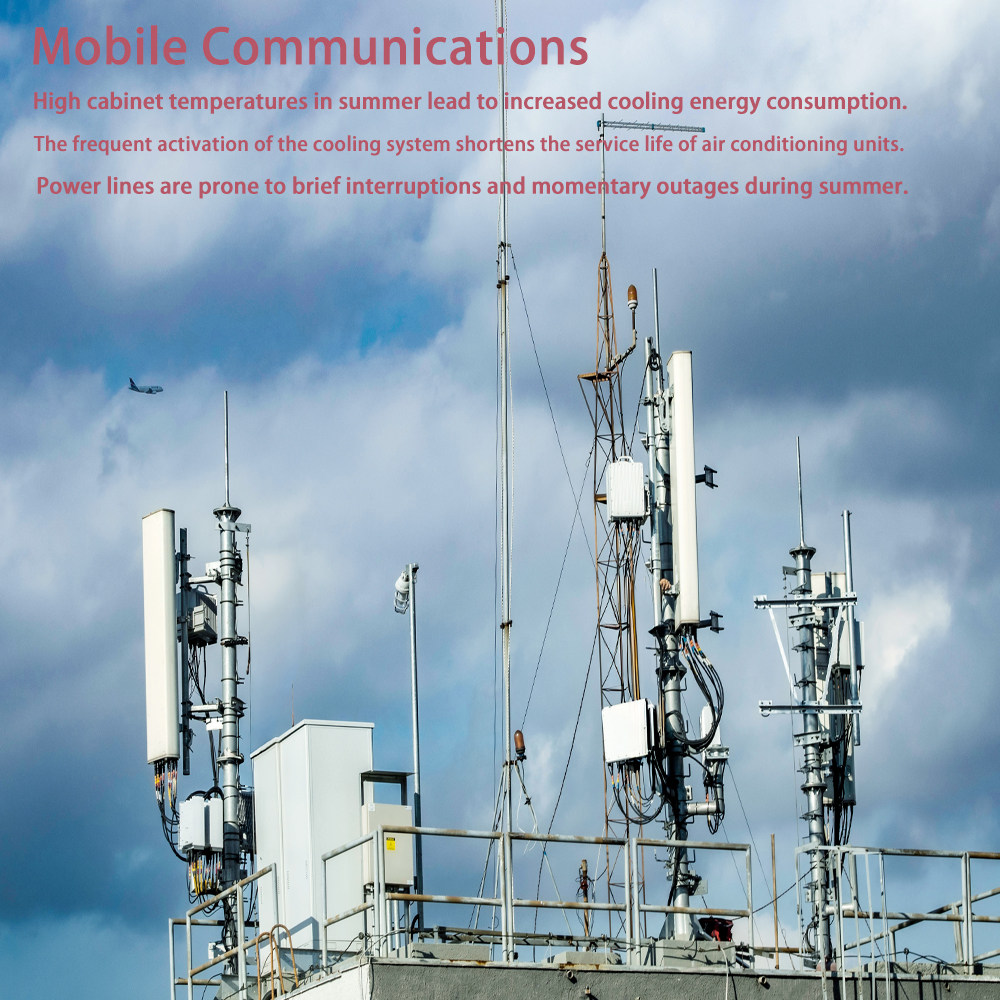
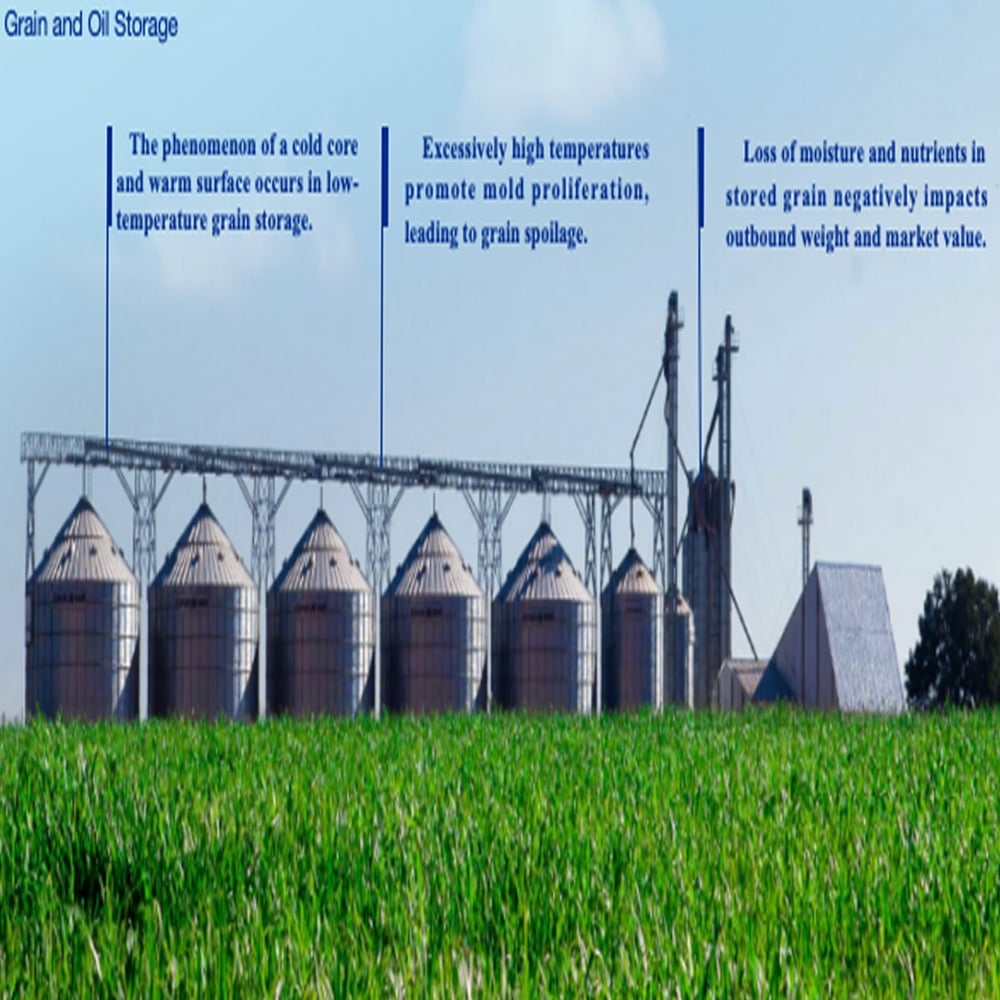
Transformer cabinets generate significant heat during operation, and managing this thermal load has traditionally required active cooling fans or oil circulation systems. Radiative cooling coatings applied to transformer cabinet housings provide a supplementary passive cooling layer that reduces the internal temperature without consuming electricity. For color steel tile factory buildings, grain storage tanks, and oil storage tanks, radiative cooling coatings similarly reduce surface temperatures and interior ambient conditions. The coating preserves product quality in grain storage by maintaining cooler conditions, while reducing cooling costs in factory environments. When radiative cooling is combined with strategic ventilation design, facilities can significantly lower their dependence on mechanical cooling systems, reducing both operational costs and carbon footprint.
Weather Resistance and Long-Term Durability of Radiative Cooling Coatings
Industrial radiative cooling coatings must withstand harsh environmental conditions including UV exposure, moisture, dust, and temperature cycling. Quality radiative cooling products incorporate UV-stabilized binders and corrosion-resistant substrates to maintain optical performance over years of outdoor exposure. The durability of radiative cooling systems depends on material selection, surface preparation, and environmental factors. When properly installed and maintained, radiative cooling coatings retain their sub-ambient temperature capability for extended periods, providing sustained thermal benefits. Regular inspection and maintenance of radiative cooling surfaces ensures that dust accumulation or weathering does not degrade the solar reflectance or thermal emissivity characteristics that make radiative cooling effective.
FAQ
Why is the 8 to 14 micrometer wavelength range so important for radiative cooling?
The 8 to 14 micrometer range is the atmospheric window where the atmosphere is largely transparent to infrared radiation. This transparency allows radiative cooling materials to emit thermal energy directly into space without absorption by greenhouse gases. The radiative cooling principle fundamentally depends on exploiting this spectral window to create a direct thermal pathway to the cosmos.
Can radiative cooling work on cloudy days or at night?
Radiative cooling continues to function on cloudy days and at night, though with reduced effectiveness compared to clear sky conditions. Clouds absorb and re-emit some of the thermal radiation that would normally escape to space, reducing the temperature differential. However, radiative cooling still operates because the atmosphere remains cooler than the surface, allowing heat to radiate away through the remaining atmospheric window. Nighttime radiative cooling is particularly effective because there is no competing solar heating.
How do radiative cooling coatings maintain high solar reflectance while emitting heat effectively?
Radiative cooling coatings use multilayer designs where upper layers scatter solar radiation in the visible and near-infrared spectrum while underlying layers are engineered to emit strongly within the 8–14 micrometer atmospheric window. The selective optical properties mean the material reflects most incoming solar energy while radiating thermal energy outward. This dual functionality is achieved through precise material selection, particle size engineering, and layered architecture that creates frequency-dependent behavior.