
 EN
Radiative cooling technology has emerged as a transformative solution for temperature management in industrial and commercial applications. The fundamental principle behind radiative cooling involves reflecting solar radiation while emitting infrared heat, creating a passive cooling effect without requiring active energy consumption. When applied as a paint coating, radiative cooling paints offer significant operational advantages, particularly in reducing surface temperatures and lowering associated cooling costs. However, the real-world performance of radiative cooling solutions depends heavily on their durability under continuous weather exposure, a critical factor that facility managers and engineers must understand before making substantial infrastructure investments.
The durability of radiative cooling paint coatings under weather exposure is not merely a theoretical concern but a practical consideration that directly impacts the return on investment and long-term operational efficiency of your cooling infrastructure. Weather conditions including ultraviolet radiation, moisture infiltration, temperature fluctuations, and mechanical stress can gradually degrade coating properties, reducing both the reflective and emissive capabilities that make radiative cooling effective. Understanding the expected lifespan, failure modes, and maintenance requirements of radiative cooling paint systems is essential for maximizing performance and avoiding premature recoating expenses.
Expected Lifespan and Performance Timeline
Initial Performance Phase and Baseline Expectations
Quality radiative cooling paint formulations typically maintain peak performance characteristics for five to seven years under normal outdoor exposure conditions. During this initial phase, the radiative cooling coating demonstrates excellent reflectance of solar radiation and high infrared emissivity, the two core properties that define radiative cooling effectiveness. The paint's ability to reduce surface temperatures can reach fifteen to twenty-five degrees Celsius below ambient conditions, directly translating to reduced cooling system demand and energy consumption. However, the trajectory of performance decline varies significantly based on geographic location, local climate patterns, and surface preparation quality during initial application of radiative cooling solutions.
Degradation Patterns and Performance Decline
After the initial five to seven year period, radiative cooling paint begins experiencing measurable performance degradation, though the rate of decline depends on exposure severity. Ultraviolet radiation gradually breaks down polymer binders in the radiative cooling formulation, causing the coating to lose its pristine reflective properties and develop a chalky surface appearance. This UV degradation can reduce solar reflectance by five to fifteen percent over ten years, diminishing the core advantage of radiative cooling technology. Simultaneously, environmental contamination including dust accumulation, pollen, and industrial particulates coat the radiative cooling surface, further reducing its reflective efficiency without necessarily compromising the paint's structural integrity.
Weather Exposure Factors Affecting Durability
Ultraviolet Radiation and Environmental Stress
Ultraviolet radiation represents the primary threat to long-term radiative cooling paint durability, particularly in regions with high solar intensity and minimal cloud cover. The UV energy degrades the polymer matrix within radiative cooling coatings, causing chalking, color fading, and reduced gloss retention that collectively diminish the paint's reflective capacity. Regions near the equator or at high elevations experience accelerated UV degradation of radiative cooling solutions compared to northern climates. Geographic variation means that radiative cooling paint installed in Arizona or southern California may experience measurable performance decline after six to eight years, while similar installations in northern regions might maintain performance for ten to twelve years.
Moisture and Temperature Cycling
Moisture infiltration represents the second major threat to radiative cooling paint longevity, particularly when coatings are applied over inadequately prepared surfaces or when substrate conditions create moisture trapping. Freeze-thaw cycles in cold climates stress the adhesion of radiative cooling paint to underlying surfaces, potentially causing delamination or blistering that compromises both the coating's reflective properties and surface protection function. Thermal expansion and contraction cycles, especially pronounced in applications involving metal substrates, create microscopic stress that can lead to cracking or crazing within the radiative cooling layer. Salt-laden environments near coastal areas accelerate corrosion both of the underlying substrate and of the radiative cooling paint itself, reducing expected durability from seven years to potentially four to five years.
Maintenance and Performance Extension Strategies
Preventive Maintenance and Cleaning Protocols
Regular cleaning of radiative cooling paint surfaces significantly extends both the aesthetic appearance and the functional performance of the coating. Dust, pollen, and environmental contamination accumulate on radiative cooling surfaces at rates varying from one to three percent per year depending on local air quality, effectively reducing the reflective benefit of the coating through light absorption rather than coating failure. Gentle pressure washing annually or biannually removes accumulated contaminants and can restore reflectance by three to eight percent on moderately contaminated radiative cooling surfaces. The maintenance protocol should avoid abrasive cleaning methods that could damage the radiative cooling paint layer or remove the reflective pigment suspension that defines the coating's performance.
Recoating Timing and Substrate Preparation
Strategic recoating decisions represent the most effective approach to maintaining long-term radiative cooling effectiveness across the full lifecycle of your industrial infrastructure. When radiative cooling paint performance declines below functionally acceptable thresholds, typically at seventy to eighty percent of original reflectance, recoating becomes economically justified. Surface preparation before recoating radiative cooling applications requires pressure washing to remove accumulated contamination, followed by inspection for substrate damage or moisture intrusion that might compromise the new radiative cooling layer. Proper substrate preparation ensures that new radiative cooling paint achieves full adhesion and longevity equivalent to the original installation, effectively resetting the performance timeline.
FAQ
How much does radiative cooling paint durability vary by application surface?
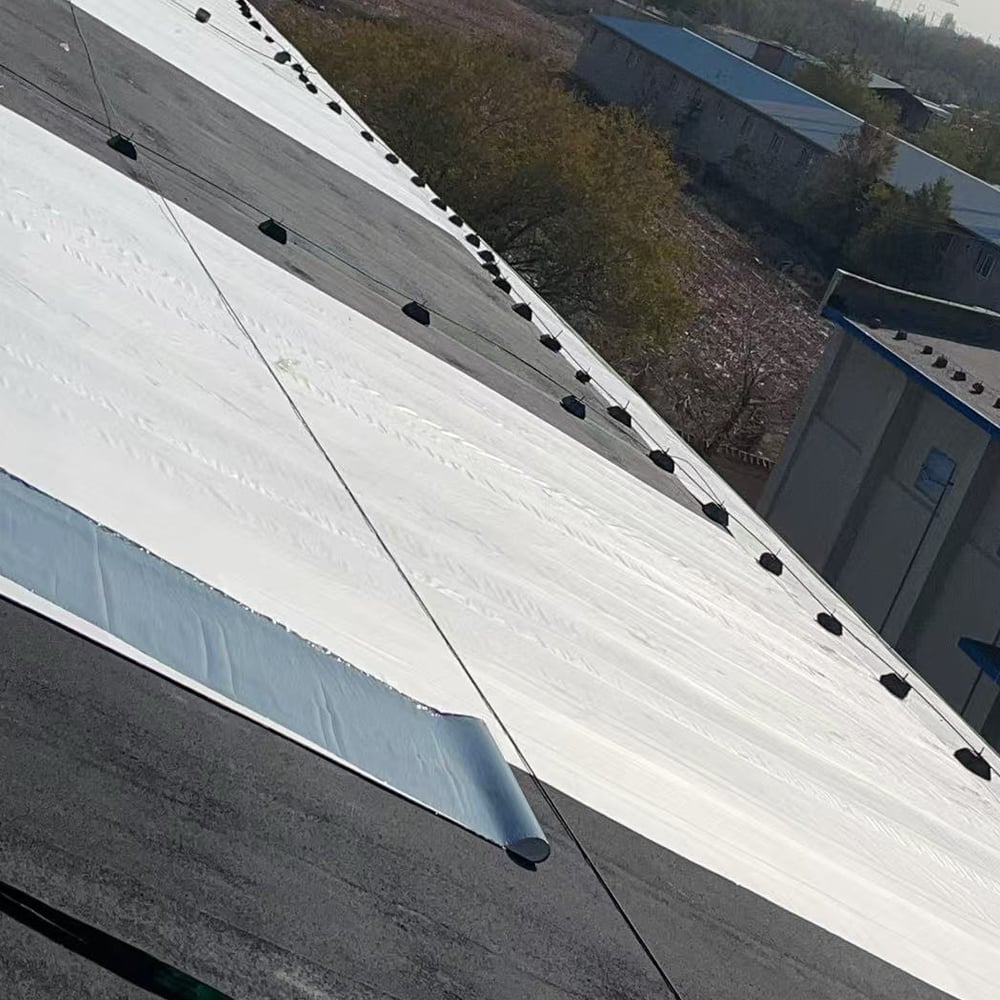
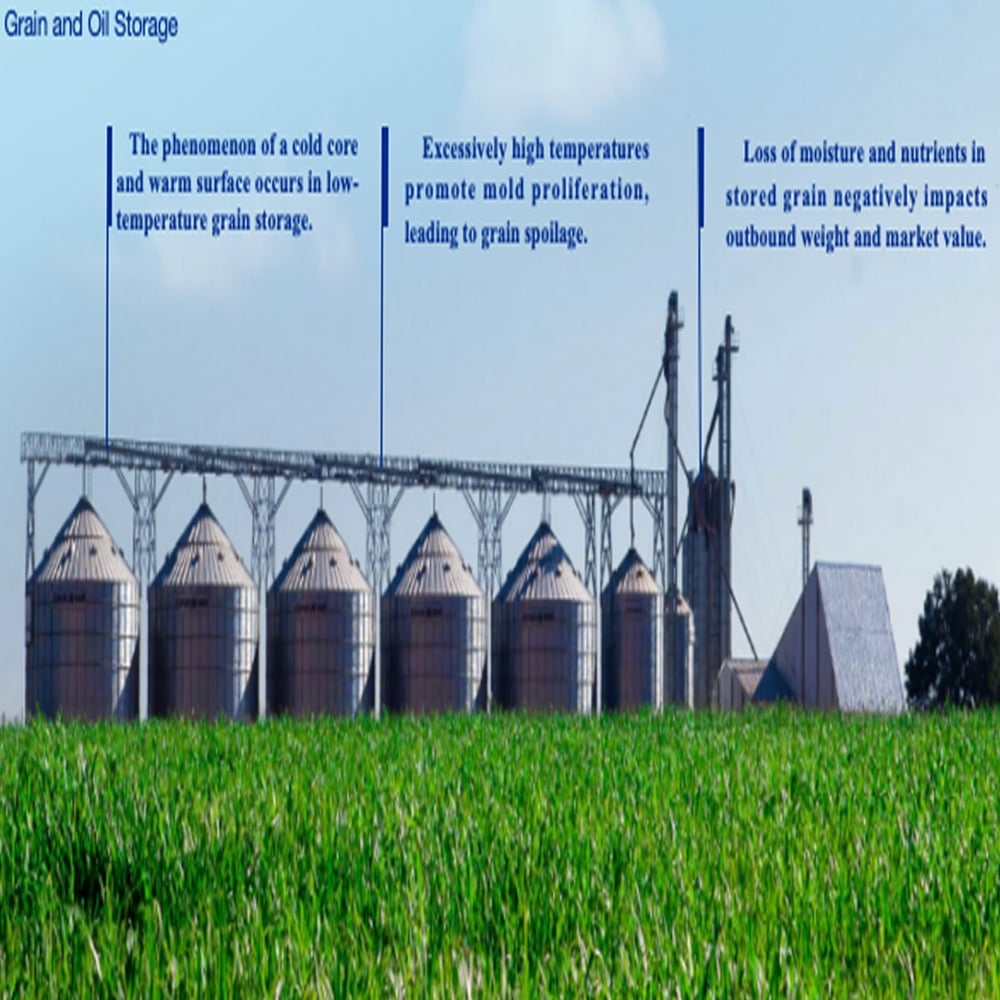
Radiative cooling paint durability varies significantly based on substrate material, with metal surfaces on transformer cabinets and storage tanks experiencing faster degradation in corrosive environments compared to composite or concrete substrates. Horizontal surfaces accumulate more environmental contamination and experience more severe UV exposure than vertical surfaces, potentially reducing radiative cooling performance by five to ten percent faster. Factory building roofing applications of radiative cooling paint typically last seven to nine years when properly maintained, while grain storage tank applications may experience seven to ten year service life depending on environmental severity and cleaning frequency.
What specific maintenance routine maximizes radiative cooling paint lifespan?
Effective radiative cooling maintenance involves quarterly visual inspections to identify early signs of coating degradation, annual gentle cleaning with deionized water and soft-bristle brushes, and pressure washing at low pressure settings no more than annually to avoid damage. Monitoring the radiative cooling surface temperature reduction compared to identical uncoated surfaces provides a practical performance metric; significant reduction in cooling benefit indicates that recoating should be prioritized. Documentation of cleaning dates, observed performance metrics, and any visible damage creates a maintenance record that helps predict optimal recoating timing for your radiative cooling installation.
Can radiative cooling paint durability be extended through complementary protective coatings?
Clear UV-protective topcoats can extend radiative cooling paint durability by reducing UV radiation exposure to the underlying reflective layer, potentially extending service life by two to three years in high-UV environments. However, clear topcoats must be formulated to maintain high infrared emissivity; improper selection can reduce the radiative cooling effect by fifteen to twenty percent through reflectance reduction. Most manufacturers recommend consulting technical specifications before applying topcoat protection to radiative cooling systems, as incompatible materials can reduce rather than extend the overall performance lifecycle of your cooling infrastructure investment.