
 EN
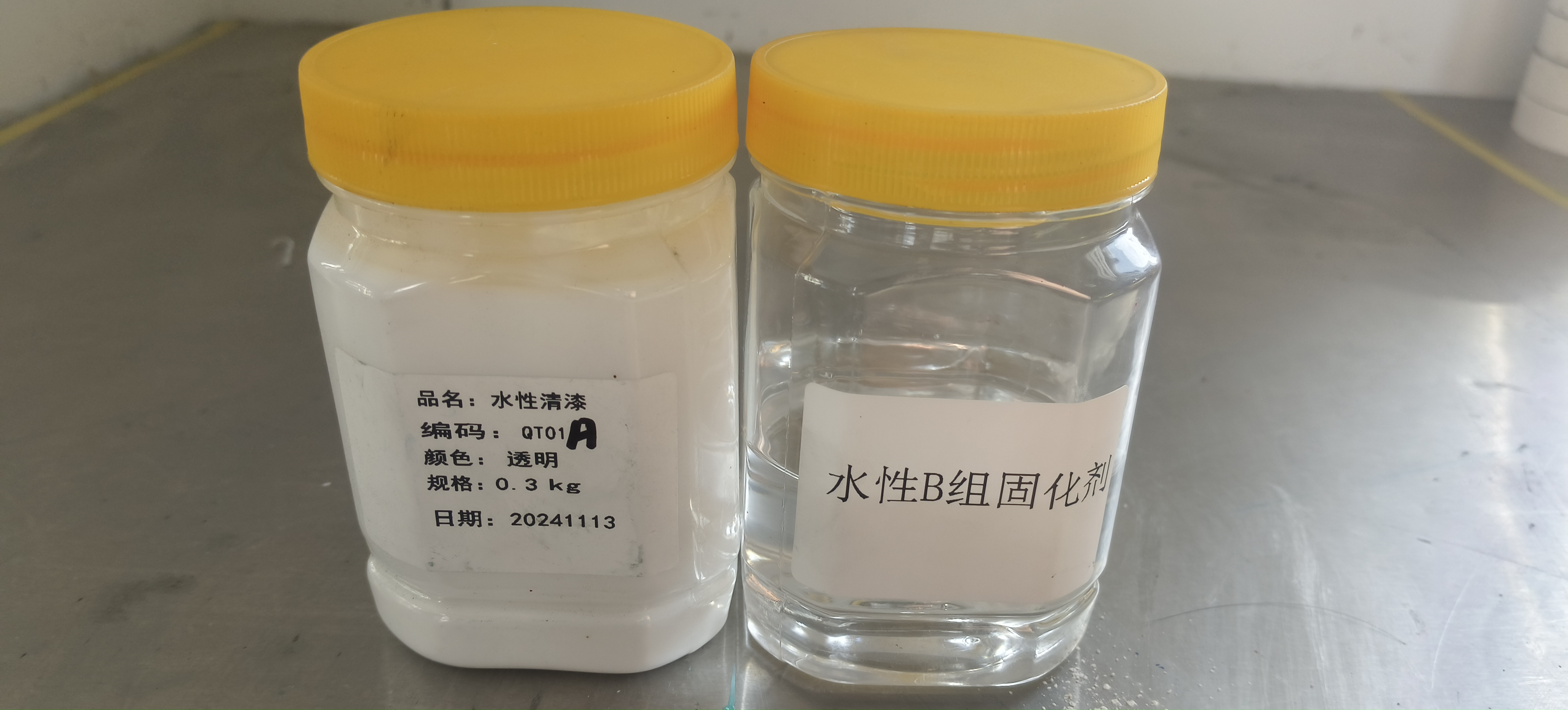
Outdoor power equipment operators face a persistent challenge: thermal buildup that degrades performance, shortens equipment lifespan, and increases maintenance costs. Traditional active cooling systems demand constant energy input, driving operational expenses and environmental impact. Radiative cooling offers a fundamentally different approach, leveraging physics to dissipate heat passively without consuming power. This technology has emerged as a transformative solution for industries managing generators, compressors, transformers, and other heat-sensitive equipment in outdoor environments. Understanding how radiative cooling works and why it matters can reshape your thermal management strategy.
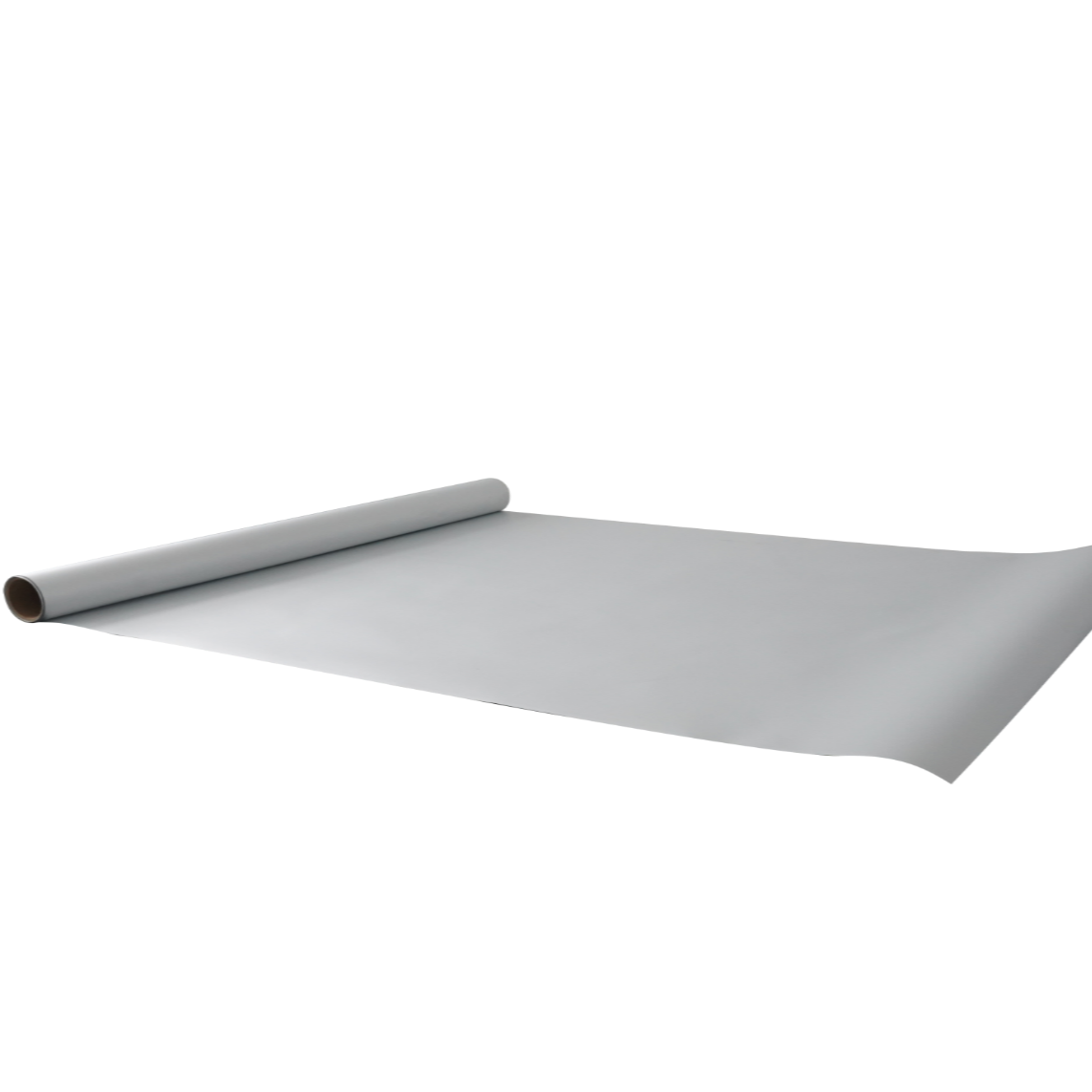
The core strength of radiative cooling lies in its simplicity and efficiency. Unlike air conditioning systems or forced ventilation that require electricity, radiative cooling harnesses the natural emission of thermal radiation to space. When applied as a coating or film to equipment surfaces, radiative cooling materials reflect sunlight and emit infrared energy that passes through the atmosphere directly into space, creating a net cooling effect. For outdoor power equipment operating under intense solar exposure, this passive mechanism delivers measurable temperature reduction while eliminating operational energy costs, making it an ideal choice for industrial and remote applications.
Why Radiative Cooling Solves Equipment Overheating
The Physics Behind Heat Dissipation
Radiative cooling operates on well-established thermodynamic principles. Every object above absolute zero emits thermal radiation based on its temperature and emissivity. Radiative cooling materials are engineered with high infrared emissivity and high solar reflectance, allowing them to emit more heat than they absorb from sunlight. This net energy loss forces the surface temperature below ambient air temperature, a phenomenon called sub-ambient cooling. For outdoor power equipment, this means continuous passive heat removal during daylight hours when solar loading is greatest. The radiative cooling effect intensifies in clear, dry conditions where the atmosphere is most transparent to infrared wavelengths, creating ideal performance scenarios for industrial facilities in arid or semi-arid regions.
Economic and Operational Advantages
Traditional cooling solutions burden equipment operators with recurring energy expenses. Radiative cooling eliminates this cost entirely by substituting mechanical systems with passive material properties. A single application of radiative cooling film to a generator or transformer reduces operating costs while improving thermal stability. Equipment running cooler experiences less thermal stress, translating into extended service intervals, reduced component failure rates, and lower downtime. Industries managing outdoor power equipment across multiple sites benefit dramatically from radiative cooling's scalability; deploying the technology across an entire fleet requires no new infrastructure, no power connections, and minimal maintenance, whereas adding active cooling systems to multiple units would create substantial capital and operational burden.
How Radiative Cooling Transforms Outdoor Power Equipment Performance
Temperature Reduction and Longevity Impact
Radiative cooling delivers measurable temperature reductions on equipment surfaces exposed to solar radiation. Typical applications show surface temperature drops of 15 to 25 degrees Celsius compared to untreated equipment under full sun exposure. For outdoor power equipment, this temperature differential directly correlates with improved performance metrics. Generators maintain stable output, transformers experience reduced internal losses, and compressors operate within design specifications longer. Components designed for specific temperature ranges function closer to their optimal operating envelope when protected by radiative cooling, extending component lifespan from years to decades in some cases. The cumulative effect across a fleet of equipment translates into significant capital preservation and reduced replacement inventory cycles.
Real-World Application Scenarios
Radiative cooling proves particularly valuable in specific industrial contexts. Construction sites deploying temporary power equipment benefit from radiative cooling's immediate effectiveness; applying a radiative cooling coating to a generator trailer ensures thermal stability regardless of site location or temporary infrastructure. Grain storage facilities and oil tank installations face continuous solar exposure that demands passive cooling solutions; radiative cooling protects these assets without consuming facility electricity. Remote telecommunications towers, mining operations, and transportation infrastructure all leverage radiative cooling to maintain equipment stability in harsh outdoor environments. Agricultural operations managing outdoor irrigation and pumping systems gain extended equipment life and reliability when radiative cooling protects these critical resources. The technology's versatility across diverse industries reflects its fundamental physical principles, which operate identically whether protecting a small compressor or a large industrial transformer.
Integration and Long-Term Strategic Benefits
Implementation Pathways and Compatibility
Deploying radiative cooling requires minimal disruption to existing operations. Radiative cooling coatings and films apply directly to equipment surfaces, requiring only routine cleaning and preparation before application. The installation process takes hours rather than days, allowing equipment to return to service quickly. Radiative cooling works alongside existing thermal management systems without interference; facilities with both passive radiative cooling and supplementary active systems gain layered thermal protection. Equipment already installed benefits from retrofitting with radiative cooling technology, eliminating the need for costly equipment replacement or major modifications. This retrofit capability makes radiative cooling particularly attractive for aging infrastructure, where adding conventional cooling systems would be economically unfeasible but passive radiative cooling provides meaningful improvement at minimal cost.
Sustainability and Long-Term Value
Radiative cooling aligns equipment thermal management with sustainability goals. Zero energy consumption means zero carbon emissions from the cooling function itself, supporting corporate environmental commitments without sacrificing equipment protection. Facilities implementing radiative cooling reduce overall power demand, lowering electrical grid stress and infrastructure requirements. The technology requires no refrigerants, no water circulation systems, and no chemical additives, eliminating environmental contamination risks. Long equipment lifespan resulting from radiative cooling reduces manufacturing and disposal waste associated with premature component failure. For industrial operators facing regulatory pressure to reduce emissions and operational environmental impact, radiative cooling offers a straightforward path to meaningful improvement while strengthening equipment reliability and reducing total cost of ownership.
FAQ
How much temperature reduction can radiative cooling achieve on outdoor power equipment?
Radiative cooling typically reduces surface temperatures by 15 to 25 degrees Celsius under direct solar exposure, depending on ambient conditions, surface characteristics, and material properties. Clear, dry, low-humidity environments enable maximum radiative cooling performance because the atmosphere is most transparent to infrared emissions. Even in humid conditions, radiative cooling delivers meaningful temperature reduction compared to untreated equipment. The actual benefit depends on baseline conditions, equipment geometry, and surrounding reflective surfaces, but most industrial applications report significant thermal improvement within the first week after radiative cooling installation.
Does radiative cooling work at night or in cloudy conditions?
Radiative cooling remains effective at night and during cloudy periods because the cooling mechanism depends on infrared emission to space rather than solar reflection. Nighttime conditions often favor radiative cooling since there is no solar input to compete with thermal emission. Cloudy conditions reduce the solar heating burden on equipment, making radiative cooling's role less critical during overcast periods, but the technology continues operating passively. Equipment protected by radiative cooling maintains lower baseline temperatures throughout the day-night cycle compared to untreated surfaces, providing consistent thermal management regardless of sky conditions or time of day.
Can radiative cooling be applied to equipment that is already installed and operational?
Yes, radiative cooling coatings and films retrofit seamlessly onto existing equipment without requiring shutdown or disassembly. Installation simply requires surface preparation, cleaning, and application of the radiative cooling material to exposed surfaces. Many outdoor power equipment operators apply radiative cooling to generators, transformers, compressors, and other installed units while maintaining normal operations. The retrofit approach makes radiative cooling accessible to facilities with aging equipment, remote installations, or cost constraints that prevent new system installation. Equipment returns to full service within hours of radiative cooling application, making retrofitting an attractive thermal management upgrade path.