
 EN
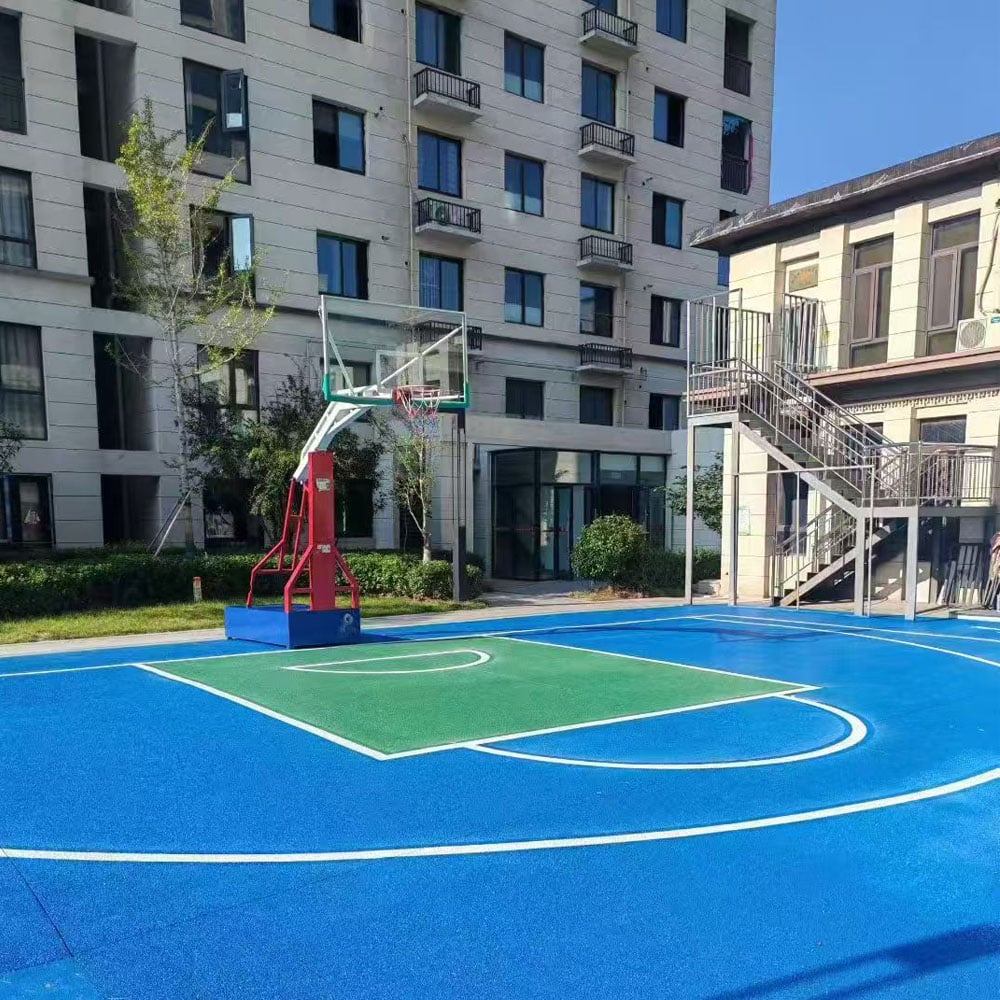
Road paint serves a critical function in modern transportation infrastructure, extending far beyond simple visual line marking. When properly formulated with anti-slip additives, road paint becomes a safety-critical component that significantly reduces pedestrian and vehicular accidents on wet, icy, or high-traffic surfaces. The integration of specialized anti-slip additives into road paint formulations transforms standard pavement coatings into protective barriers that prevent dangerous slip-and-fall incidents while maintaining durability and aesthetic appeal.
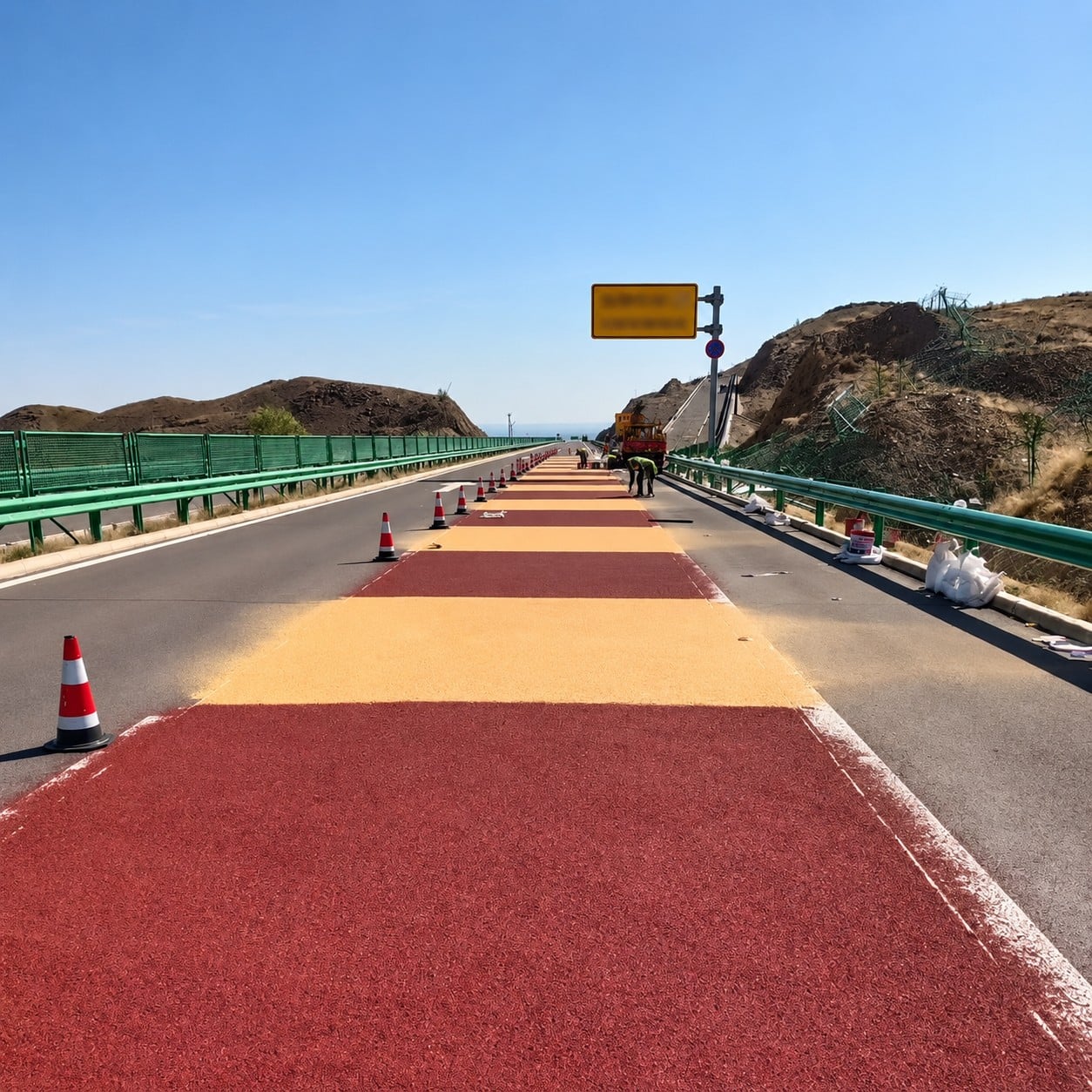
Understanding which anti-slip additives can be mixed into road paint requires knowledge of material science, adhesion principles, and safety standards. Different additives offer distinct benefits, ranging from enhanced surface texture to improved chemical bonding with substrate materials. This comprehensive guide explores the most effective anti-slip additives for road paint, their mechanical properties, application methods, and how they contribute to pedestrian safety across diverse environmental conditions and pavement types.
Understanding Anti-Slip Additives and Their Role in Road Paint
How Anti-Slip Additives Function in Road Paint Formulations
Anti-slip additives work by creating microscopic surface texture and improving friction coefficients when mixed into road paint. These additives modify the paint's rheological properties, allowing suspended particles to remain evenly distributed throughout the coating layer. When applied to pavement surfaces, the road paint containing anti-slip additives creates a roughened surface that mechanically grips shoe soles and vehicle tires, reducing slip hazards during wet conditions. The effectiveness of road paint with anti-slip additives depends on particle size distribution, suspension stability, and the specific substrate material receiving the coating.
Why Anti-Slip Additives Matter for Infrastructure Safety
Municipal planners, facility managers, and transportation departments increasingly recognize that standard road paint no longer meets modern safety requirements. Incorporating anti-slip additives into road paint addresses a fundamental infrastructure challenge: reducing pedestrian injuries caused by slipping on smooth surfaces. High-traffic areas, pedestrian crossings, ramps, stairs, and parking structures benefit tremendously from road paint enhanced with anti-slip additives. The investment in quality road paint with anti-slip properties pays dividends through reduced liability claims, improved public health outcomes, and enhanced facility reputation among users.
Types of Anti-Slip Additives for Road Paint Applications
Mineral-Based Anti-Slip Additives for Road Paint
Mineral aggregates represent one of the most widely used categories of anti-slip additives for road paint formulations. Crushed granite, aluminum oxide, and quartz-based materials are mixed into road paint to create durable, textured surfaces that maintain friction even after extended exposure to traffic and weather. These mineral anti-slip additives possess excellent hardness, allowing the road paint coating to resist wear while maintaining its slip-resistant properties over years of use. Particle size control is essential when selecting mineral additives for road paint, as overly large particles may dislodge from the coating, while extremely fine particles lose their friction-enhancing effect.
Synthetic Polymer Anti-Slip Additives in Road Paint
Synthetic polymers and thermoplastic microspheres offer innovative solutions for road paint applications requiring both aesthetic appeal and safety performance. When incorporated into road paint, these additives create a three-dimensional textured surface that provides consistent grip across varying temperatures and moisture conditions. Polymer-based anti-slip additives for road paint often exhibit superior adhesion to the paint binder system, reducing particle shedding during heavy traffic exposure. Road paint formulated with synthetic anti-slip additives typically requires less frequent reapplication than mineral-based alternatives, delivering cost savings to maintenance teams.
Natural and Recycled Material Anti-Slip Additives
Environmentally conscious facility managers increasingly specify road paint containing recycled glass, recycled rubber particles, and other sustainable anti-slip additives. These materials demonstrate excellent friction characteristics when properly sized and integrated into road paint formulations. Recycled tire rubber and recovered glass particles reduce manufacturing waste while providing the same functional slip-resistance benefits as virgin mineral aggregates. Road paint incorporating recycled anti-slip additives meets sustainability goals while maintaining compliance with pedestrian safety standards and infrastructure durability requirements.
Specification and Application Standards for Anti-Slip Road Paint
Meeting Safety Standards When Specifying Road Paint with Anti-Slip Additives
Professional road paint specifications must align with internationally recognized safety standards, including ASTM D6775 for pedestrian slip resistance and ISO 35 for surface friction measurement. When selecting road paint with anti-slip additives, engineers must verify that the coating achieves minimum friction coefficients appropriate for the specific application context. Road paint used in public spaces requires documentation demonstrating that anti-slip additives provide sustained performance under realistic exposure conditions. Third-party testing laboratories verify that road paint products meet these friction and durability benchmarks before installation in critical pedestrian areas.
Application Methods for Anti-Slip Road Paint Formulations
Proper application technique significantly influences the performance of road paint containing anti-slip additives. Surface preparation, including cleaning and slight profiling, ensures optimal adhesion of the road paint coating to existing pavement. Mixing procedures must thoroughly suspend anti-slip additives throughout the road paint before application, preventing particle settling that could compromise friction consistency. Temperature and humidity conditions during application affect cure time and adhesive bond strength of road paint formulations, requiring application windows that maintain moderate environmental conditions. Many specifiers recommend applying road paint containing anti-slip additives in two thin coats rather than one thick application, improving durability and consistent texture development.
Maintenance and Longevity of Anti-Slip Road Paint Coatings
Road paint formulated with quality anti-slip additives typically maintains performance for three to five years depending on traffic volume and environmental exposure. Regular cleaning prevents dirt and debris accumulation that could diminish the visible friction properties of the road paint coating. Inspections should verify that anti-slip additives remain embedded in the binder matrix and have not experienced excessive particle loss from mechanical wear or thermal cycling. Strategic reapplication of road paint in high-wear zones extends overall surface life while maintaining consistent safety performance across the entire paved area.
FAQ
What percentage of anti-slip additives should be mixed into road paint?
Anti-slip additive loading in road paint typically ranges from 15 to 30 percent by weight, depending on the desired friction coefficient and aesthetic appearance. Mineral-based additives often require higher loading rates, while polymer microspheres may achieve adequate slip-resistance at lower concentrations. Manufacturers specify optimal additive loading for their particular road paint formulations, balancing slip-resistance with coating thickness, adhesion, and finish appearance. Exceeding recommended loading rates can destabilize the road paint suspension, causing premature settling and uneven distribution during application.
Can anti-slip additives be added to existing road paint formulations?
While anti-slip additives can be added to some road paint products, direct addition to finished coatings often produces inconsistent results and potential application problems. Pre-formulated road paint products with anti-slip additives undergo rigorous quality control to ensure proper particle suspension, viscosity, and adhesion characteristics. Adding particles to existing road paint may alter its rheological properties, causing settling, separation, or improper texture development. For optimal safety and performance outcomes, specifying professionally formulated road paint with integrated anti-slip additives is recommended rather than attempting field modification of standard paint products.
How do environmental conditions affect anti-slip road paint performance?
Temperature, humidity, and freeze-thaw cycles significantly influence the durability and friction performance of road paint containing anti-slip additives. Cold temperatures can increase viscosity, affecting proper particle suspension in the road paint during application and cure phases. Wet environments and de-icing salt exposure can degrade the binder system holding anti-slip additives in place, requiring more frequent recoating in harsh climates. UV radiation gradually breaks down organic binders in road paint, potentially affecting long-term particle retention. Specifying road paint formulations designed for your region's specific environmental conditions ensures sustained performance and safety protection throughout the coating's service life.