
 EN
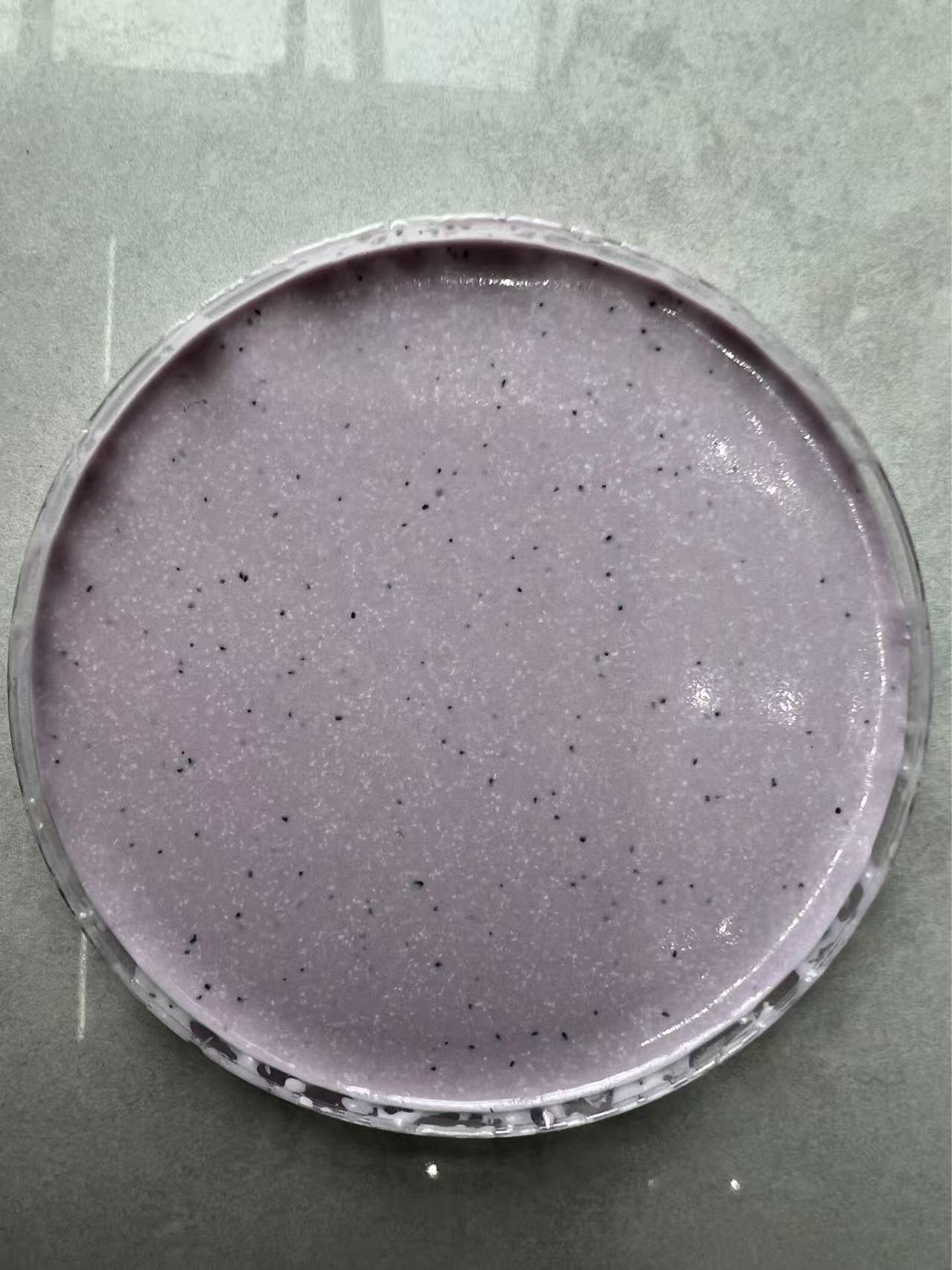
A self leveling floor represents one of the most transformative preparatory solutions in modern construction and facility renovation. Whether you're working with concrete substrates that have settled unevenly over decades or preparing a new industrial space for precision operations, a self leveling floor eliminates the inconsistencies that plague traditional flooring installations. The technology behind self leveling floor systems has evolved significantly, offering contractors and facility managers a way to achieve mirror-flat surfaces that were once impossible to attain without extensive manual labor and subfloor replacement.
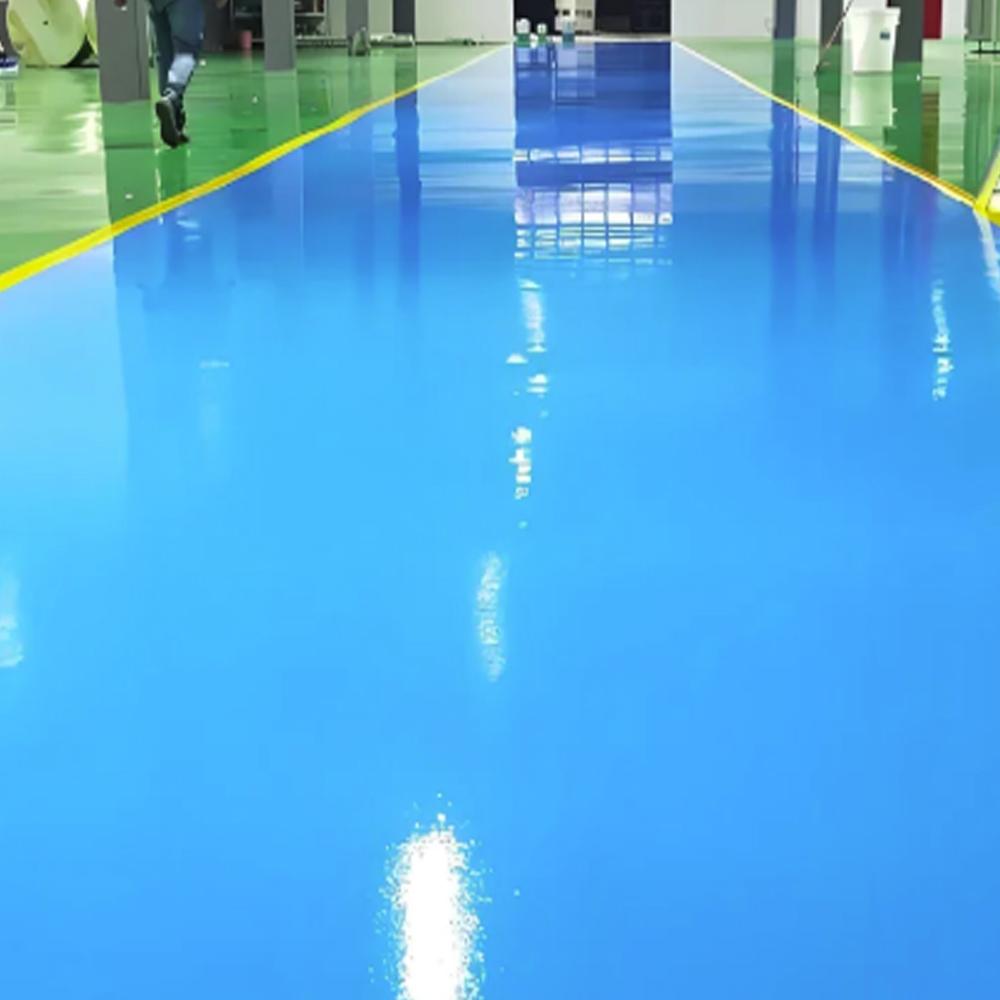
The fundamental advantage of a self leveling floor lies in its ability to adapt to any substrate irregularity while creating a uniform foundation for subsequent flooring layers. Self leveling floor products flow naturally across uneven surfaces, settle into low spots, and cure into a hard, durable base that meets strict flatness tolerances. This transformation eliminates the costly, time-consuming process of grinding, filling, and manual leveling that characterized older construction methods. Understanding how a self leveling floor works and why it matters for your project is essential for making informed decisions about your flooring strategy.
How Self Leveling Floor Technology Creates Flatness
The Self Leveling Floor Composition and Flow Mechanism
A self leveling floor is engineered with proprietary formulations that combine resins, hardeners, and additives to produce material with specific viscosity and flow characteristics. When applied to a substrate, the self leveling floor material spreads evenly across the entire surface, guided by gravity and surface tension rather than manual effort. The chemistry behind self leveling floor systems ensures that the material maintains fluidity long enough to reach low spots while beginning to cure before puddling or creating uneven thickness. This balance of properties distinguishes a self leveling floor from traditional concrete or static epoxy coatings that require skilled workers to manually spread and level the material.
The self leveling floor reaches its target surface profile through a combination of material science and physics. As the self leveling floor product cures, it locks into place at its natural level, creating a surface that conforms precisely to the substrate's contours before transforming them into flatness. Substrate preparation remains critical because the self leveling floor's performance depends on clean, properly primed surfaces. Even with premium self leveling floor materials, inadequate surface preparation can compromise adhesion and final flatness, which is why experienced installers prioritize substrate conditioning as a prerequisite step.
Surface Tolerance Achievement with Self Leveling Floor
A self leveling floor can achieve flatness tolerances of FF (Flatness) 25 or higher when properly installed, exceeding the requirements of most commercial and industrial flooring projects. Traditional screeding methods rarely achieve flatness ratings above FF 10 to FF 15 without specialized equipment and extensive labor. Self leveling floor systems bridge this gap by automating the leveling process through material behavior rather than manual skill. Projects requiring precision—such as data centers, pharmaceutical facilities, or warehouses with sensitive equipment—frequently depend on self leveling floor technology to meet their flatness specifications.
The self leveling floor's ability to maintain consistent thickness across complex geometries represents another critical advantage. Sloped areas, depressions, and irregular substrate profiles that would frustrate traditional leveling methods become manageable with self leveling floor products. The self leveling floor adapts to these conditions while maintaining target thickness and ensuring adequate coverage for durability and long-term performance. This adaptability makes self leveling floor systems particularly valuable in renovation projects where existing substrates present significant challenges.
Practical Benefits and Application Scenarios for Self Leveling Floor
Industrial and Commercial Facility Applications
Industrial warehouses, manufacturing plants, and logistics centers benefit enormously from self leveling floor installations because operational equipment and forklifts demand exceptionally flat surfaces. Equipment vibration, load concentration, and repeated impacts generate stress concentrations on uneven floors, accelerating wear and creating safety hazards. A self leveling floor eliminates these vulnerabilities by providing the flat, stable foundation that industrial operations require. Manufacturing facilities producing precision products—pharmaceuticals, electronics, optics—depend on self leveling floor systems to maintain cleanroom standards and prevent product contamination from floor dust and debris.
Commercial spaces such as retail environments, hospitality venues, and office buildings utilize self leveling floor as the foundation for aesthetic flooring systems. When customers or employees walk across flooring that sits unevenly, they notice the inconsistency immediately, creating an impression of poor maintenance or shoddy construction. Self leveling floor technology ensures that visible finished flooring layers—whether polished concrete, epoxy, or specialty coatings—present a smooth, professional appearance. The self leveling floor also protects the structural integrity of these decorative layers by preventing stress points and separation.
Renovation and Problem-Substrate Projects
Building renovation presents unique challenges because existing concrete often exhibits settling, cracks, and pronounced unevenness. Traditional remediation would require expensive concrete removal and replacement or extensive manual grinding. Self leveling floor technology allows contractors to work with existing substrates, dramatically reducing demolition costs and project timelines. The self leveling floor fills cracks, spans minor voids, and transforms problem substrates into premium foundations without structural intervention.
Historic buildings and structures with century-old concrete face particular challenges because the substrate may have inherent variability that reflects the original construction methods. Self leveling floor systems address these legacy concerns elegantly by accepting the substrate as-is and creating a new, precise surface atop it. The self leveling floor preserves the building's history while enabling modern flooring standards, making renovation economically and practically feasible for facility owners who might otherwise face demolition or abandonment of aging structures.
Installation Requirements and Technical Considerations
Substrate Preparation Before Applying Self Leveling Floor
Proper substrate preparation determines whether a self leveling floor installation will succeed or fail. Concrete substrates must be clean, dry, and free from dust, oil, and contaminants that might compromise adhesion. Moisture testing is non-negotiable because self leveling floor products are moisture-sensitive; excess substrate moisture can cause delamination and failure of the self leveling floor coating. Professional installers perform calcium chloride or relative humidity tests before proceeding, ensuring that moisture content falls within acceptable limits for the specific self leveling floor product being used.
Primer application is another essential step that directly impacts self leveling floor performance. The primer creates a chemical bond between the substrate and the self leveling floor material, ensuring long-term adhesion and preventing the self leveling floor from separating under thermal stress or mechanical loading. Different self leveling floor formulations require specific primer types, which is why product manufacturer specifications must be followed precisely. Skipping or substituting primers is a common cause of self leveling floor failure, creating expensive repairs and project delays.
Environmental Conditions During Self Leveling Floor Installation
Temperature and humidity significantly affect how self leveling floor materials cure and perform. Most self leveling floor products require ambient temperatures between 50 and 85 degrees Fahrenheit for optimal flow and curing. Below this range, the self leveling floor cures too slowly, extending project timelines and risking contamination. Above this range, the self leveling floor may cure too rapidly, creating uneven surfaces and trapping air bubbles. Professional installers monitor environmental conditions constantly during self leveling floor application to ensure consistency.
Humidity management during self leveling floor installation extends beyond just ensuring moisture-free substrates. Ambient humidity levels affect how quickly the self leveling floor material cures and whether condensation forms on the surface. Controlled environments with dehumidification equipment allow installers to apply self leveling floor systems with precision and predictability. For projects in naturally humid climates or existing spaces without environmental controls, temporary climate management becomes a necessary cost factor in budgeting for self leveling floor projects.
FAQ
How thick should a self leveling floor be applied for optimal performance?
Most self leveling floor installations range from 1/8 inch to 1/4 inch thick, depending on substrate irregularity and intended use. Light-duty commercial applications may require thinner self leveling floor coverage, while heavy industrial environments typically need thicker applications to absorb impact and provide longevity. The self leveling floor's thickness directly correlates with durability and load-bearing capability, so consulting with manufacturers or experienced installers helps determine the appropriate thickness for your specific project conditions and operational requirements.
Can a self leveling floor be applied over radiant heating systems?
Yes, self leveling floor systems are compatible with radiant heating installations, but proper sequencing and substrate temperature management are essential. The radiant heating system must be tested and verified to function correctly before self leveling floor application begins. During self leveling floor curing, radiant heating should be off to prevent rapid, uneven curing that could create stress or delamination. Once the self leveling floor has fully cured, radiant heating can be gradually ramped up to operating temperature without compromising the self leveling floor's integrity or performance.
What is the curing time before flooring can be installed over a self leveling floor?
Self leveling floor products typically require 24 to 72 hours of cure time before final flooring installation, though complete cure development continues for 7 to 14 days. Fast-track self leveling floor formulations can accelerate this timeline, enabling flooring application within 24 hours in some cases. Manufacturer specifications must be followed because premature flooring installation over incompletely cured self leveling floor can trap moisture and compromise adhesion. Professional installers coordinate cure time with project schedules, sometimes recommending fast-set self leveling floor products when aggressive timelines demand accelerated completion.