gul linje til vejmarkering
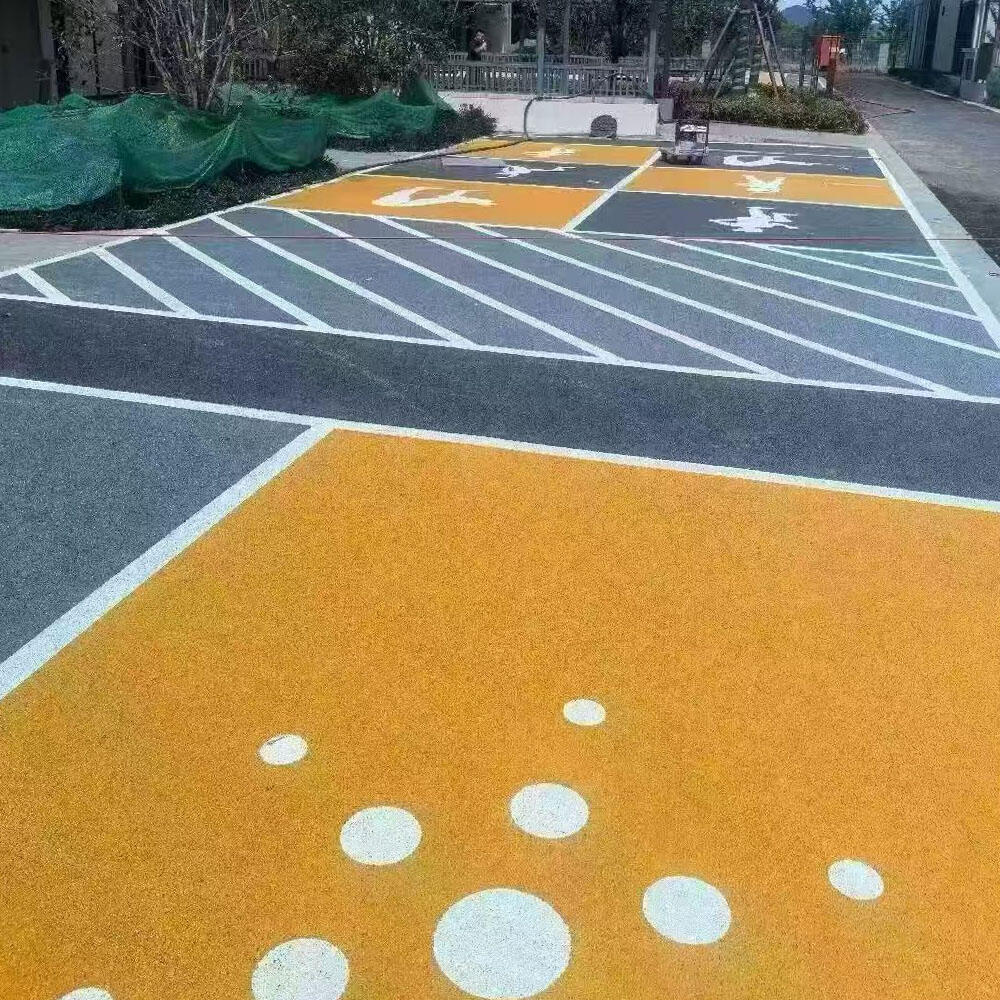
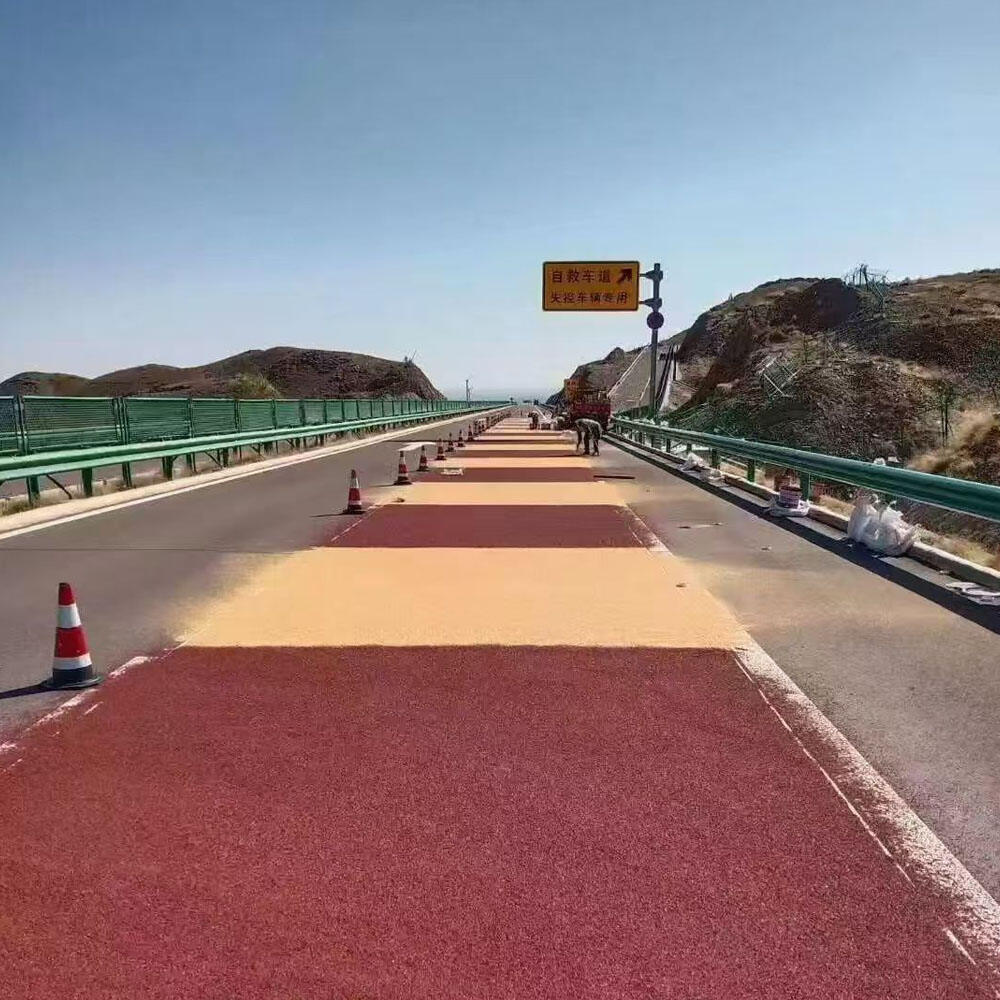
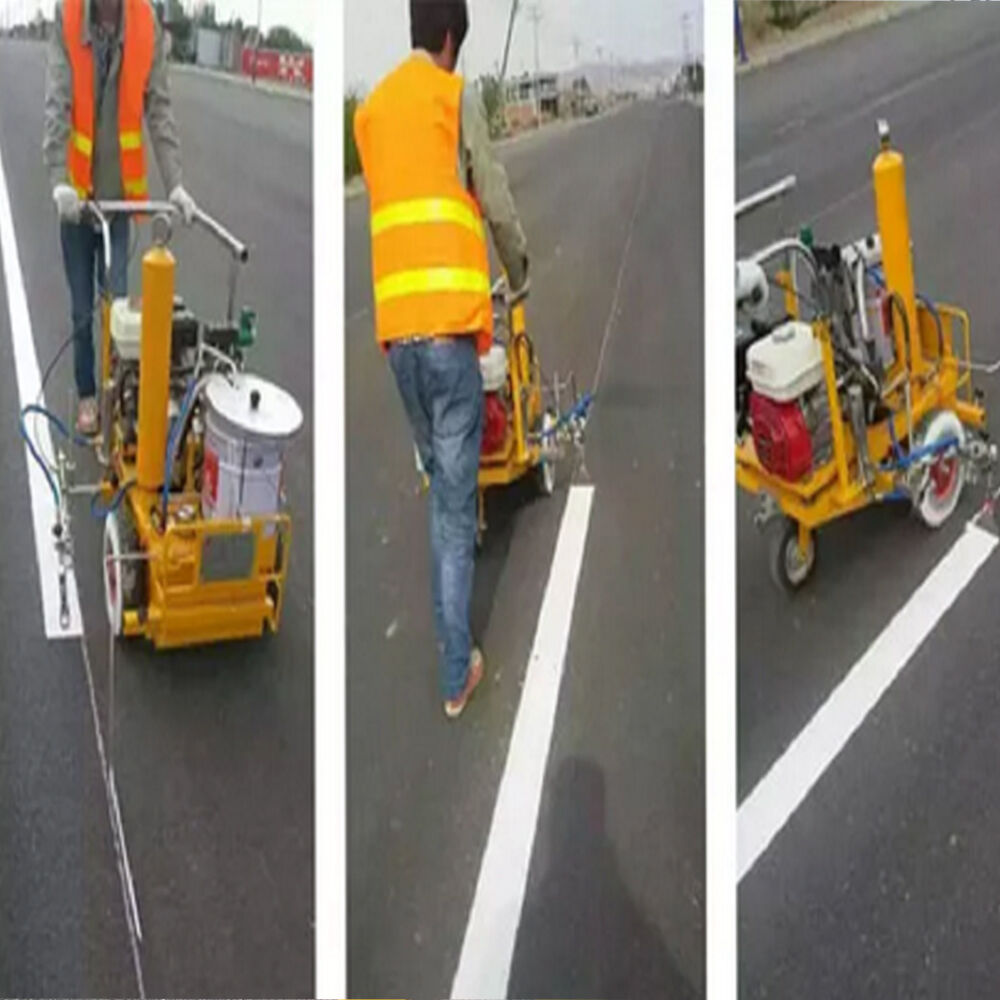
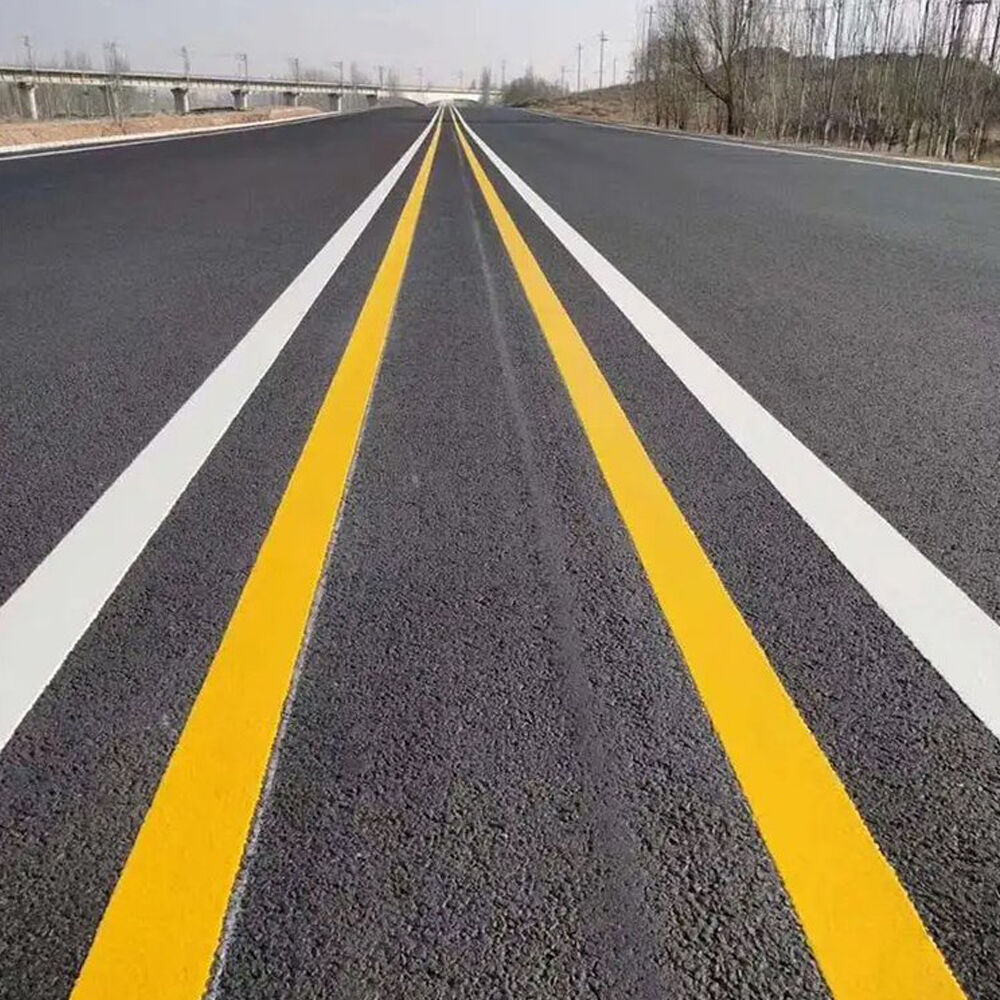
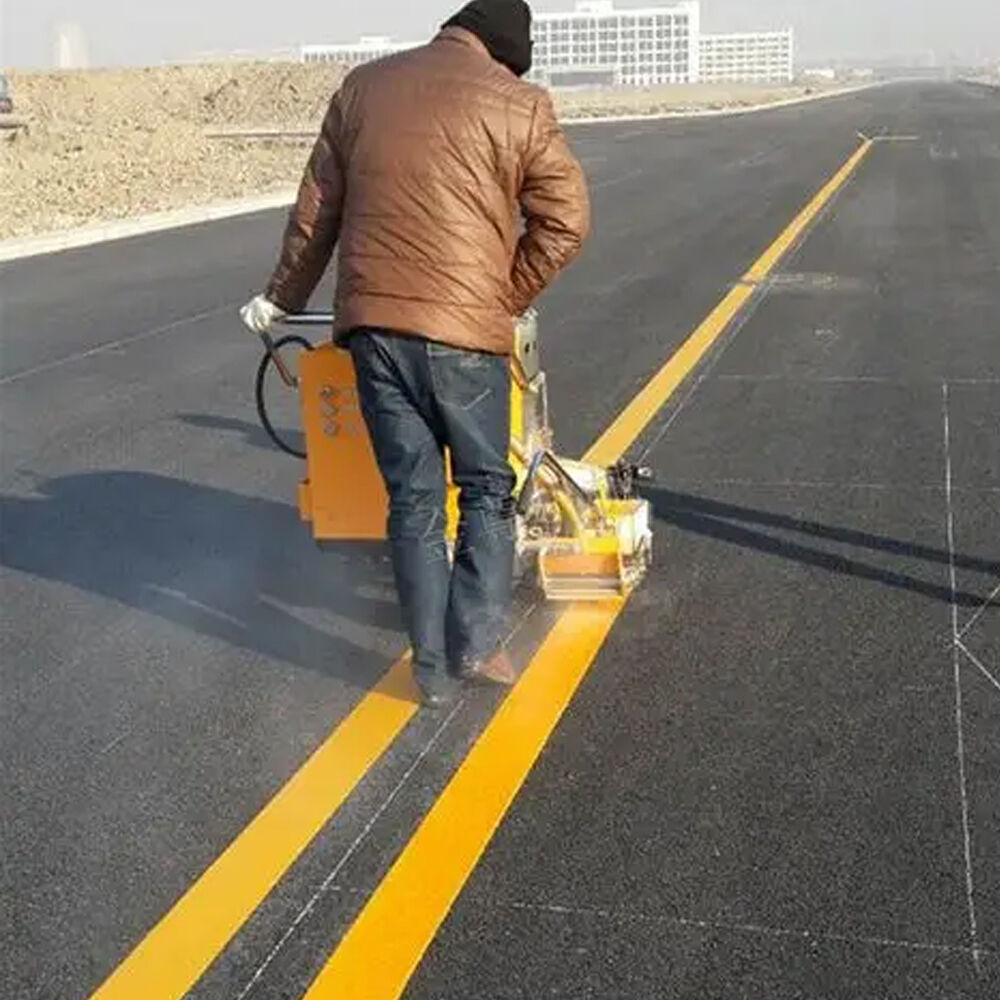
Gule linjemærker på veje udgør en grundlæggende komponent i moderne trafikstyringssystemer og fungerer som en afgørende visuel vejledning for førere verden over. Disse karakteristiske mærker anvender lysgul maling eller termoplastiske materialer til at skabe højst synlige grænser og retningsspecifikke indikatorer på veje. Den primære funktion af gule linjemærker på veje består i at adskille trafikstrømme, især ved at skelne mellem modsatrettede kørebanebaner. I modsætning til hvide mærker, der typisk adskiller trafik, der bevæger sig i samme retning, angiver gule linjemærker specifikt områder, hvor køretøjer kører i modsatte retninger, og danner dermed væsentlige sikkerhedsbarrierer på motorveje, bygader og landeveje. De teknologiske egenskaber ved gule linjemærker på veje omfatter avancerede retroreflekterende materialer, der forbedrer synligheden om natten og i dårlige vejrforhold. Moderne systemer til gule linjemærker på veje anvender glasperler, der er indlejret i mærkematerialet, og som reflekterer bilernes forlygter tilbage mod føreren, hvilket betydeligt forbedrer vejsynligheden. Disse mærker er konstrueret til at klare tunge trafikbelastninger, ekstreme vejrforhold og regelmæssig vedligeholdelse, mens de bibeholder deres levende farve og reflekterende egenskaber. Holdbarheden af gule linjemærker på veje afhænger af sofistikerede polymerblandinger og UV-bestandige tilsætningsstoffer, der forhindrer blekning og nedbrydning over tid. Anvendelsen af gule linjemærker på veje strækker sig over en række forskellige vejinfrastrukturprojekter, herunder motorvejsbyggeri, udvikling af bygader, design af parkeringsområder og lufthavnsstart- og landingsbanesystemer. Trafikingeniører placerer gule linjemærker på veje strategisk for at vejlede køretøjsbevægelser, forhindre farlige overhalingsmanøvrer og etablere tydelige trafikmønstre. Mærkesystemet integreres med andre vejsikkerhedsfunktioner såsom skiltning, trafiklys og beskyttelsesrailinger for at skabe omfattende løsninger til trafikstyring. Gule linjemærker på veje spiller også en afgørende rolle i byggeområder, midlertidig trafikstyring og ruter til nødfartøjer og leverer dermed fleksible mærkeløsninger, der kan tilpasse sig skiftende vejforhold og trafikkrav.


 EN
EN