Professional Yellow Line Road Marking Solutions - Durable Traffic Safety Systems

All Categories

Get a Free Quote

Our representative will contact you soon.
Email
Mobile/WhatsApp
Name
Company Name
Message
0/1000

yellow line road marking

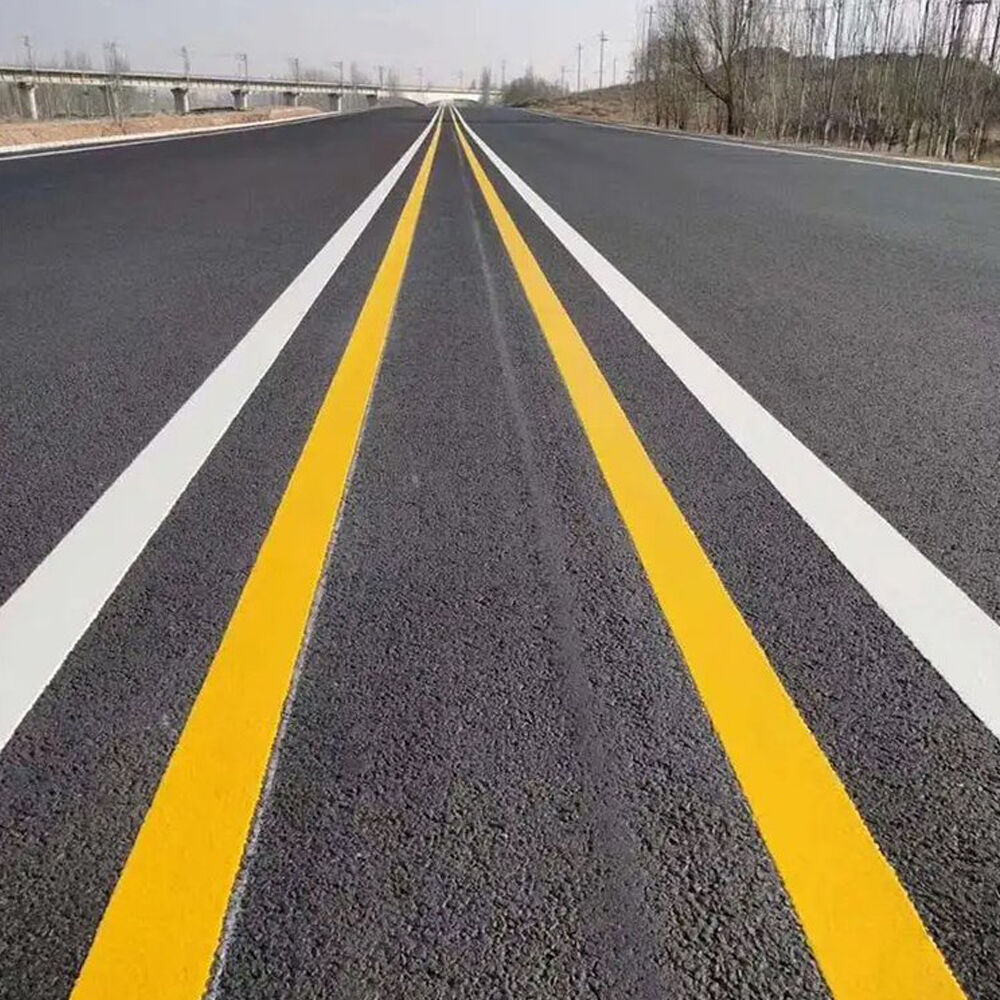
Yellow line road marking represents a fundamental component of modern traffic management systems, serving as a crucial visual guide for drivers worldwide. These distinctive markings utilize bright yellow paint or thermoplastic materials to create highly visible boundaries and directional indicators on roadways. The primary function of yellow line road marking involves separating traffic flows, particularly distinguishing between opposing lanes of vehicle movement. Unlike white markings that typically separate traffic moving in the same direction, yellow line road marking specifically designates areas where vehicles travel in opposite directions, creating essential safety barriers on highways, city streets, and rural roads. The technological features of yellow line road marking incorporate advanced retroreflective materials that enhance visibility during nighttime and adverse weather conditions. Modern yellow line road marking systems employ glass beads embedded within the marking material, which reflect vehicle headlights back to drivers, significantly improving road visibility. These markings are engineered to withstand heavy traffic loads, extreme weather conditions, and regular maintenance activities while maintaining their vibrant color and reflective properties. The durability of yellow line road marking depends on sophisticated polymer compositions and UV-resistant additives that prevent fading and degradation over time. Applications of yellow line road marking extend across various road infrastructure projects, including highway construction, urban street development, parking lot design, and airport runway systems. Traffic engineers strategically place yellow line road marking to guide vehicle movement, prevent dangerous overtaking maneuvers, and establish clear traffic patterns. The marking system integrates with other road safety features such as signage, traffic signals, and guardrails to create comprehensive traffic management solutions. Yellow line road marking also plays a vital role in construction zones, temporary traffic control, and emergency vehicle access routes, providing flexible marking solutions that adapt to changing road conditions and traffic requirements.
New Product Recommendations

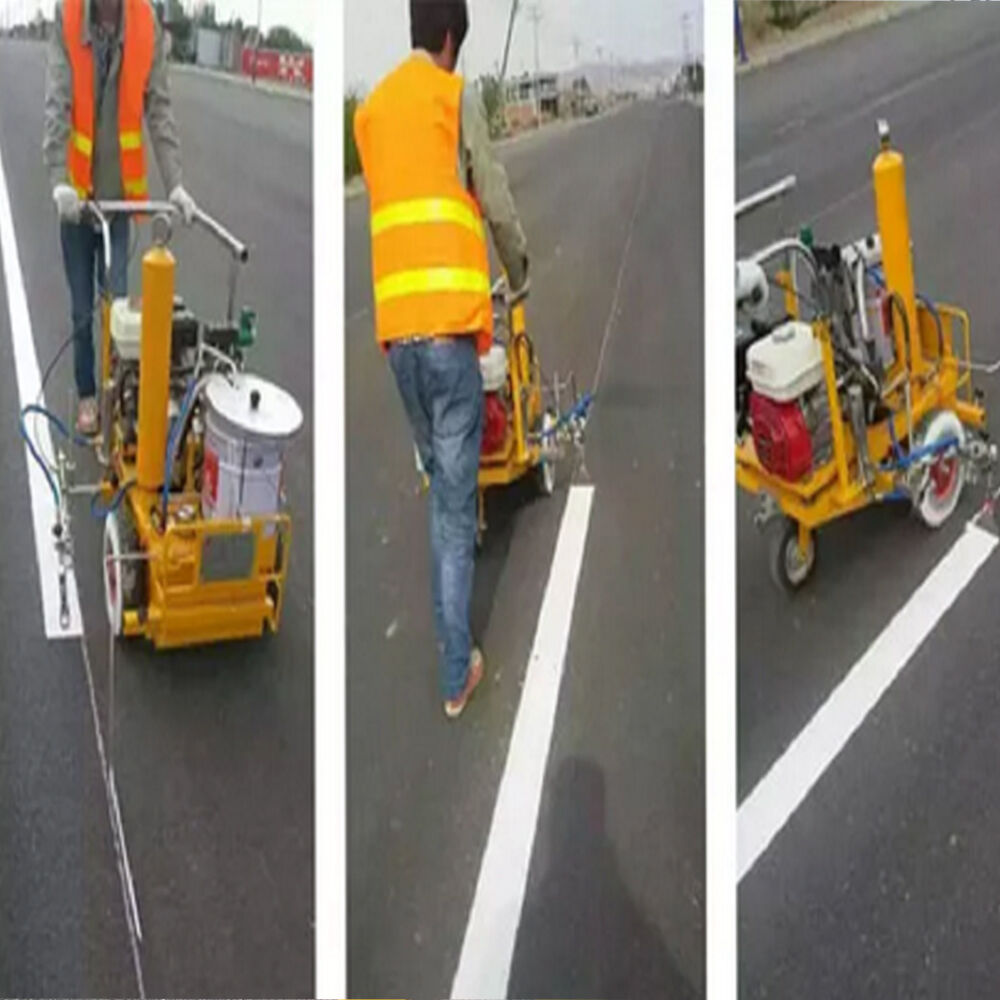
Yellow line road marking delivers exceptional visibility benefits that significantly enhance road safety for all vehicle operators. The bright yellow color creates maximum contrast against various road surfaces, making these markings easily distinguishable during both daylight and nighttime driving conditions. This superior visibility reduces accident rates by providing clear visual guidance that helps drivers maintain proper lane positioning and avoid dangerous maneuvers. The cost-effectiveness of yellow line road marking makes it an attractive solution for transportation departments and private road operators seeking long-term value. These markings require minimal maintenance once properly installed, reducing ongoing operational expenses while delivering consistent performance over extended periods. The initial investment in quality yellow line road marking pays dividends through reduced accident costs, lower insurance premiums, and decreased liability exposure for road operators. Installation flexibility represents another significant advantage of yellow line road marking systems. Professional crews can apply these markings quickly and efficiently using specialized equipment, minimizing traffic disruption and project completion times. The marking materials adapt to various surface types, including asphalt, concrete, and composite roadway materials, ensuring consistent adhesion and performance across different infrastructure projects. Weather resistance capabilities of modern yellow line road marking exceed traditional marking solutions, maintaining visibility and structural integrity through harsh environmental conditions. These markings withstand temperature fluctuations, moisture exposure, chemical treatments, and mechanical stress from heavy vehicle traffic. The advanced polymer formulations resist cracking, peeling, and color degradation, ensuring long-term performance that meets or exceeds industry standards. Regulatory compliance benefits make yellow line road marking essential for meeting government safety requirements and industry best practices. Transportation authorities mandate specific marking standards that yellow line road marking systems readily satisfy, helping road operators avoid costly violations and maintain proper certification. The standardized yellow color ensures consistency across regional and national road networks, supporting driver familiarity and reducing confusion. Environmental sustainability features of contemporary yellow line road marking include reduced volatile organic compound emissions and recyclable material compositions that support green infrastructure initiatives while maintaining superior performance characteristics.

Tips And Tricks

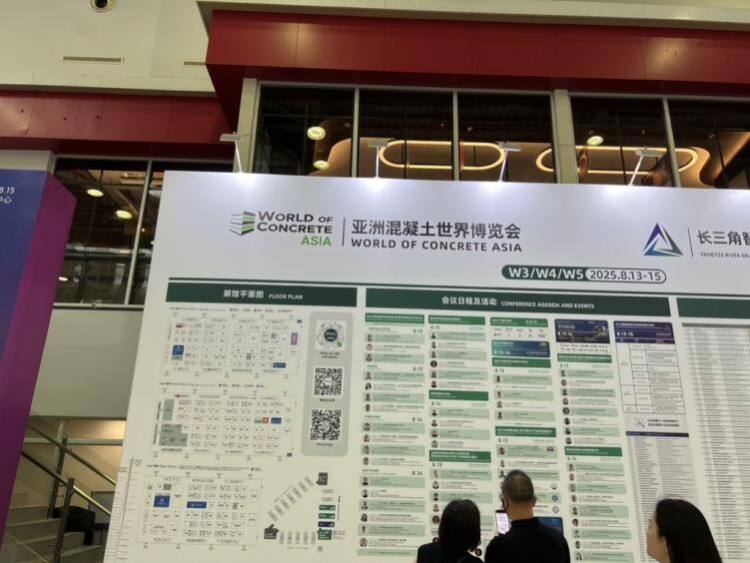
Shandong Huacheng High-Tech Participates in WORLD OF CONCRETE ASIA 2025 in Shanghai

25

Feb

Shandong Huacheng High-Tech Participates in WORLD OF CONCRETE ASIA 2025 in Shanghai

View More
Shandong Huacheng High-Tech Shines at CHINACOAT 2025 Shanghai

25

Feb

Shandong Huacheng High-Tech Shines at CHINACOAT 2025 Shanghai

View More
Huacheng High-Tech Recognized as Provincial Enterprise Technology Center by Shandong Province

27

Feb

Huacheng High-Tech Recognized as Provincial Enterprise Technology Center by Shandong Province

View More

Get a Free Quote

Our representative will contact you soon.
Email
Mobile/WhatsApp
Name
Company Name
Message
0/1000

yellow line road marking

Advanced Retroreflective Technology for Maximum Safety

Advanced Retroreflective Technology for Maximum Safety

The cutting-edge retroreflective technology integrated into yellow line road marking systems represents a revolutionary advancement in road safety infrastructure. This sophisticated technology incorporates millions of microscopic glass beads that are precisely embedded into the marking material during application, creating a surface that reflects vehicle headlights directly back to drivers with remarkable efficiency. The retroreflective properties of yellow line road marking significantly outperform conventional marking systems, providing visibility distances that extend up to 500 feet ahead of approaching vehicles during nighttime conditions. This extended visibility range gives drivers crucial additional time to process traffic information and make safe driving decisions, particularly important when approaching intersections, construction zones, or areas with complex traffic patterns. The glass bead technology used in yellow line road marking undergoes rigorous quality control testing to ensure optimal size distribution and refractive index properties. These beads are manufactured to precise specifications that maximize light return while maintaining durability under heavy traffic conditions. The embedding process ensures that beads remain securely anchored within the marking material while maintaining their reflective surfaces above the marking plane. Advanced yellow line road marking systems also incorporate prismatic retroreflective elements that provide enhanced performance in wet weather conditions, when traditional markings often lose visibility due to water film interference. The prismatic technology creates multiple light return angles that penetrate water films and maintain visibility even during heavy rainfall or when roads are covered with moisture. This all-weather performance capability makes yellow line road marking systems particularly valuable for regions with challenging climate conditions or high precipitation levels. The longevity of retroreflective properties in modern yellow line road marking exceeds industry standards through innovative bead retention technologies and protective coating systems that prevent premature wear and maintain consistent light return performance throughout the marking's service life.
Superior Durability and Weather Resistance

Superior Durability and Weather Resistance

The exceptional durability characteristics of yellow line road marking stem from advanced polymer chemistry and innovative material engineering that creates markings capable of withstanding the most demanding environmental and traffic conditions. Modern yellow line road marking systems utilize thermoplastic compounds specifically formulated to resist temperature extremes, ranging from sub-zero winter conditions to extreme summer heat that can exceed 160 degrees Fahrenheit on road surfaces. These materials maintain structural integrity and adhesion properties across this entire temperature spectrum, preventing cracking, lifting, or delamination that commonly affects inferior marking products. The weather resistance of yellow line road marking extends beyond temperature considerations to include comprehensive protection against moisture penetration, chemical exposure, and UV radiation degradation. Advanced polymer matrices incorporate UV stabilizers and antioxidants that prevent color fading and material breakdown when exposed to intense sunlight over extended periods. This chemical protection ensures that yellow line road marking maintains its vibrant color and visibility characteristics throughout multi-year service cycles, reducing replacement frequency and associated maintenance costs. Mechanical durability represents another critical advantage of professional-grade yellow line road marking systems. These markings are engineered to withstand constant traffic loading from passenger vehicles, commercial trucks, and heavy construction equipment without experiencing surface wear or structural damage. The material composition includes reinforcing agents and impact-resistant additives that distribute mechanical stress across the marking surface, preventing concentrated wear patterns that could compromise visibility or create safety hazards. Salt resistance properties make yellow line road marking particularly valuable for regions that experience winter weather conditions requiring road salt applications. The specialized polymer formulations resist chemical degradation from chloride exposure, maintaining adhesion and structural integrity even after repeated exposure to harsh deicing chemicals. This salt resistance extends the service life of yellow line road marking in challenging climates while maintaining consistent performance standards. The abrasion resistance of modern yellow line road marking exceeds conventional paint-based systems through innovative aggregate incorporation and surface hardening technologies that create extremely durable wearing surfaces capable of maintaining visibility under intensive traffic conditions.
Versatile Applications and Easy Installation Process

Versatile Applications and Easy Installation Process

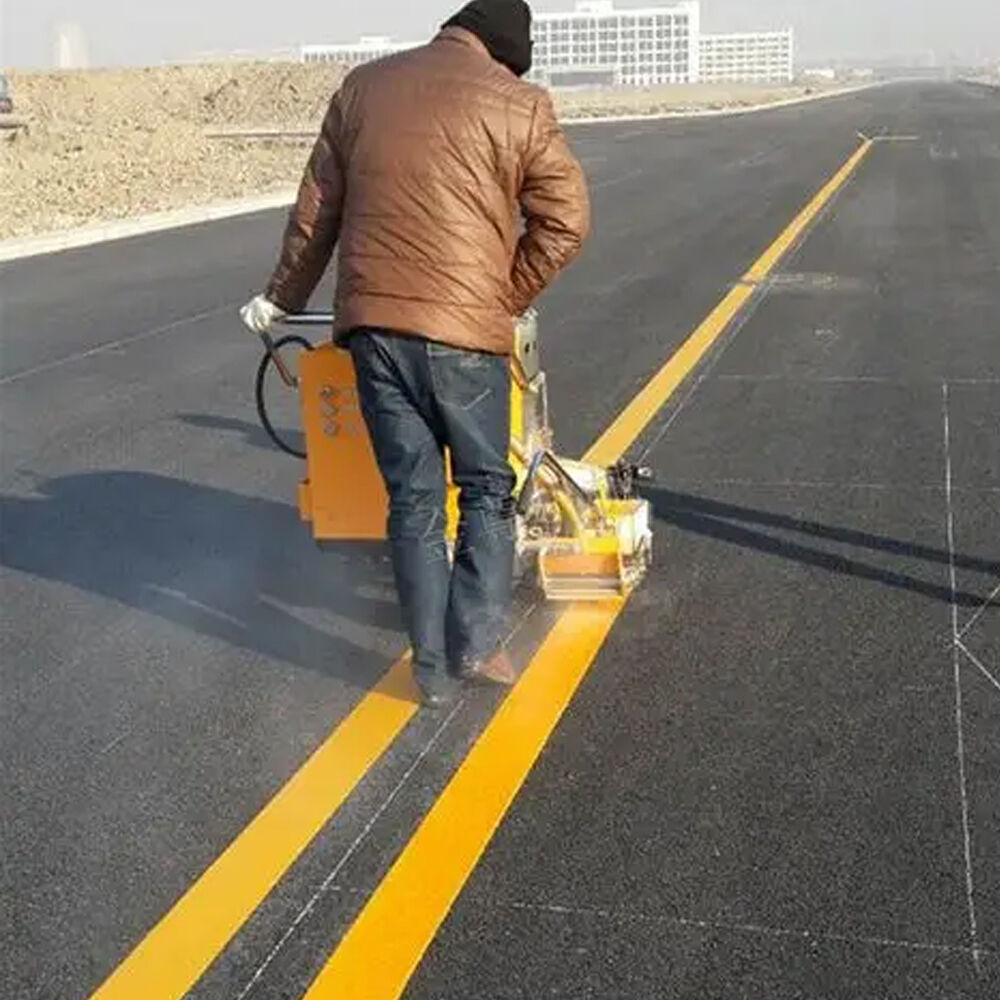
The remarkable versatility of yellow line road marking makes it an indispensable solution for diverse transportation infrastructure projects, ranging from simple residential street applications to complex highway interchange systems and specialized industrial facilities. This adaptability stems from the flexible material properties and application methods that allow yellow line road marking to conform to virtually any road geometry, surface texture, or traffic pattern requirement. Professional installation crews can apply yellow line road marking to curved roadways, steep grades, bridge surfaces, tunnel environments, and complex intersection layouts with equal precision and reliability. The material formulation adapts to different substrate conditions, ensuring proper adhesion whether applied to newly constructed asphalt, aged concrete surfaces, or composite roadway materials commonly found in modern infrastructure projects. Airport applications represent a specialized but crucial use case for yellow line road marking, where precision and durability requirements exceed typical roadway standards. Aviation facilities rely on yellow line road marking for taxiway guidance, runway boundaries, and ground vehicle routing systems that must maintain visibility and structural integrity under extreme conditions including jet blast exposure, heavy aircraft loading, and constant weather exposure. The marking systems meet stringent Federal Aviation Administration specifications while providing the reliability required for safe airport operations. Installation efficiency advantages of yellow line road marking significantly reduce project completion times and minimize traffic disruption compared to alternative marking methods. Modern application equipment enables rapid deployment of precise marking layouts, with professional crews capable of completing extensive marking projects during overnight work windows or brief traffic control periods. The fast-curing properties of contemporary yellow line road marking materials allow roads to return to service quickly after installation, reducing economic impact and improving public acceptance of infrastructure maintenance projects. Maintenance simplicity represents a key operational advantage, as yellow line road marking requires minimal ongoing care beyond periodic cleaning and inspection. When eventual replacement becomes necessary, removal and reapplication procedures are straightforward and cost-effective, allowing transportation departments to maintain optimal road marking conditions within reasonable budget parameters. The standardized application procedures and widely available installation expertise ensure that yellow line road marking projects can be executed reliably across different geographic regions and contractor capabilities.

Get a Free Quote

Our representative will contact you soon.
Email
Mobile/WhatsApp
Name
Company Name
Message
0/1000