
 EN

Solving the Industrial "West-Facing Sun" Crisis: A Comprehensive Case Study in Minhang Factory Thermal Management
For industrial facilities, the "West‑Facing Sun" is more than just a seasonal inconvenience—it is a significant driver of operational inefficiency and workplace discomfort. In the Minhang District of Shanghai, a high‑tech manufacturing facility faced a recurring afternoon crisis: as the sun dipped toward the horizon, its intense radiation hammered the factory's expansive west‑facing walls. The result was a dramatic spike in internal temperatures, a drop in worker productivity, and an inevitable surge in cooling costs. This case study details how the plant implemented a revolutionary "Radiative Cooling System" to solve this persistent thermal problem.
The Anatomy Of The West Wall Heat Trap
In the northern hemisphere, the afternoon sun hits west‑facing surfaces at a low angle of incidence, allowing for deep solar penetration and high intensity that persists for several hours. Most industrial buildings are constructed with thin concrete or metal panels that have low thermal inertia. As the west wall absorbs solar energy, it becomes a massive thermal battery, conducting heat to the interior surface. This surface then radiates heat directly onto workers and precision equipment. This phenomenon, known as high "Mean Radiant Temperature" (MRT), often makes the workshop feel 6°C to 10°C hotter than the air temperature, leading to:
• Productivity Declines: Heat stress significantly impacts human cognitive and physical performance. High indoor temperatures are directly correlated with increased error rates and decreased output.
• Cooling System Overload: Central HVAC systems must ramp up to peak power to combat the localized heat spike from the west wall, leading to higher electricity tariffs and mechanical wear.
• Precision Issues: In high‑precision manufacturing, thermal expansion of machinery located near a hot wall can lead to calibration errors and product defects.
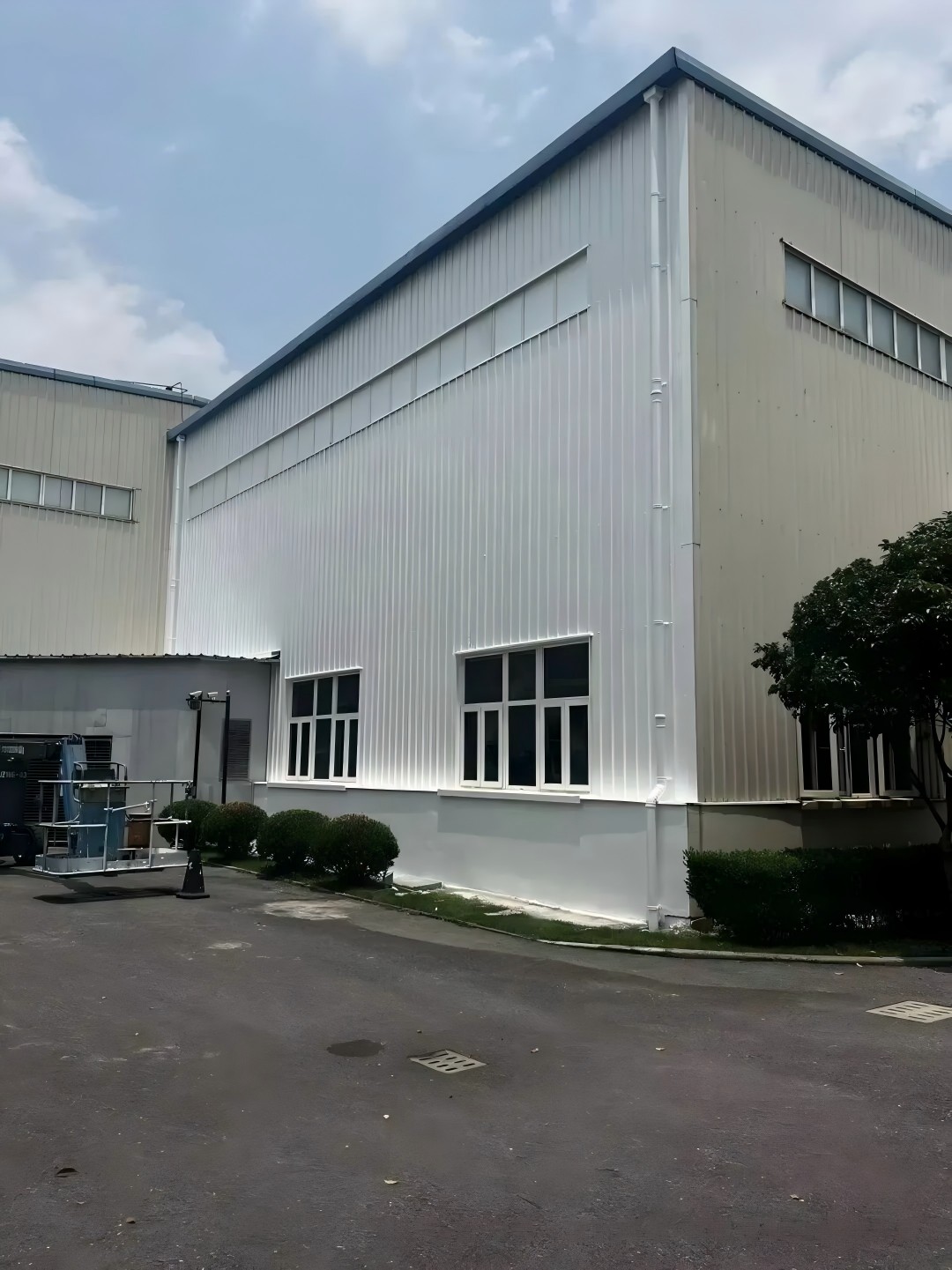
The Solution: A Passive Radiative Cooling Integrated System
The Minhang plant implemented a combined system of radiative cooling coating and high‑performance film to address both the absorption and the dissipation of heat.
1. Advanced Solar Reflection
The west wall exterior was treated with a high‑reflectance radiative cooling material. This specialized surface reflects up to 94% of incident solar energy, effectively stopping the heat before it can conduct through the building envelope.
2. The Infrared Thermal Pump Effect
Unlike standard insulation, this system actively removes heat. By leveraging the 8‑13μm infrared band, the wall surface acts as a selective radiator. It broadcasts its own thermal energy through the atmosphere and directly into the coldness of outer space. This enables the wall to maintain a temperature that is actually lower than the surrounding air, creating a "cool wall" effect inside the workshop.
Worker Health, Ergonomics, And Thermal Stress
A critical component of the Minhang study was the impact on worker well‑being. By reducing the radiant heat from the west wall, the facility significantly lowered the thermal stress on employees. Modern ergonomic standards increasingly recognize that radiant heat management is just as important as air temperature control. The "cool wall" effect helps maintain a more uniform thermal environment, reducing the risk of heat exhaustion and improving overall job satisfaction for the frontline staff, which in turn stabilizes the production cycle.
Implementation Protocol And Industrial Synergy
The Minhang facility adopted a "Double‑Layer Protection" strategy to ensure maximum efficacy. The vertical surface area was treated with a seamless thermal barrier, while specific areas where equipment or worker stations were closest to the wall received an extra layer of high‑intensity radiative film. This strategy highlights the concept of "Reflection + Dissipation," which is far superior to simple insulation. While insulation merely slows down the entry of heat, radiative cooling actively purges it from the building envelope, providing a sustainable, passive cooling loop.
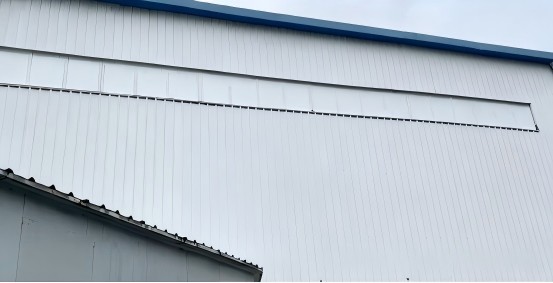
Quantifiable Results: A New Climate For Manufacturing
The post‑implementation data from the Minhang plant was transformative:
• Surface Temperature Reduction: The external surface temperature of the west wall dropped by up to 28°C during peak afternoon sun exposure, often remaining at or below 30°C.
• Enhanced Workplace Comfort: The indoor radiant temperature near the west wall fell by 7°C, significantly improving the perceived comfort for staff.
• Substantial Energy Savings: The plant recorded a 15% to 18% reduction in afternoon electricity consumption for cooling, providing a clear and rapid ROI in under 18 months.
The Strategic Advantage Of Sustainable Thermal Defense
Looking ahead, the integration of passive radiative cooling into industrial facilities is not just an energy‑saving tactic, but a strategic imperative for long‑term operational resilience. As global supply chains face increasing scrutiny regarding their carbon footprint, having a facility that naturally mitigates heat without mechanical aid becomes a significant competitive advantage. The Minhang case proves that smart material science can effectively bypass the need for higher HVAC capacity, preserving both financial resources and environmental integrity for the next generation of manufacturing.
A Blueprint For Urban Industrial Sustainability
The Minhang factory case demonstrates that the "west‑facing sun" problem can be solved sustainably without increasing the carbon footprint. For factories, warehouses, and logistics centers in urban heat islands, radiative cooling materials offer a "fit and forget" solution that delivers immediate economic, operational, and humanitarian benefits. As global temperatures continue to rise, such passive thermal management technologies will become essential for maintaining industrial productivity and worker safety in a warming world.