poliurea antishkëlqimi
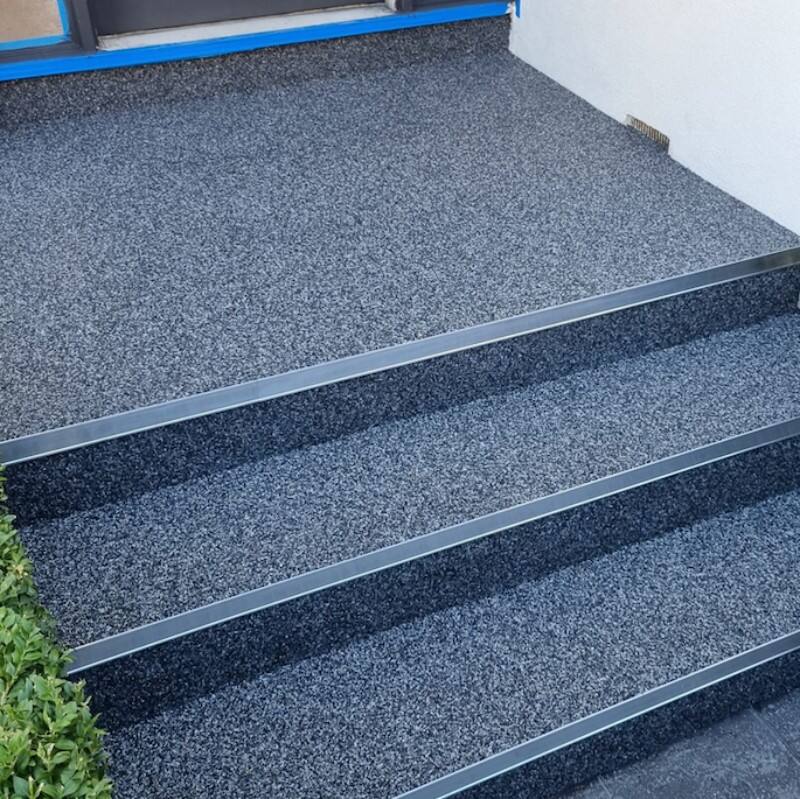
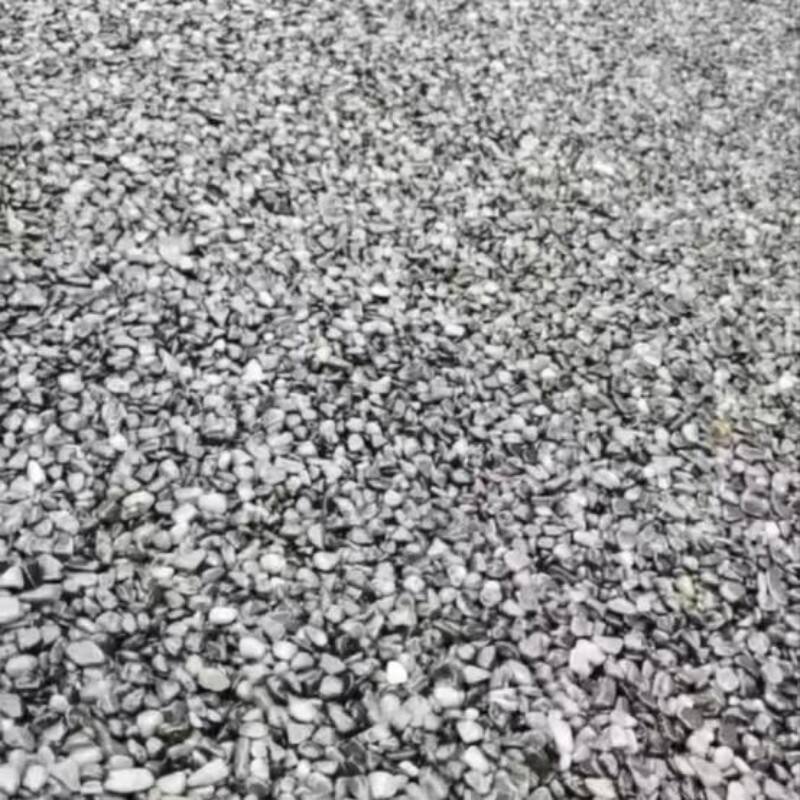
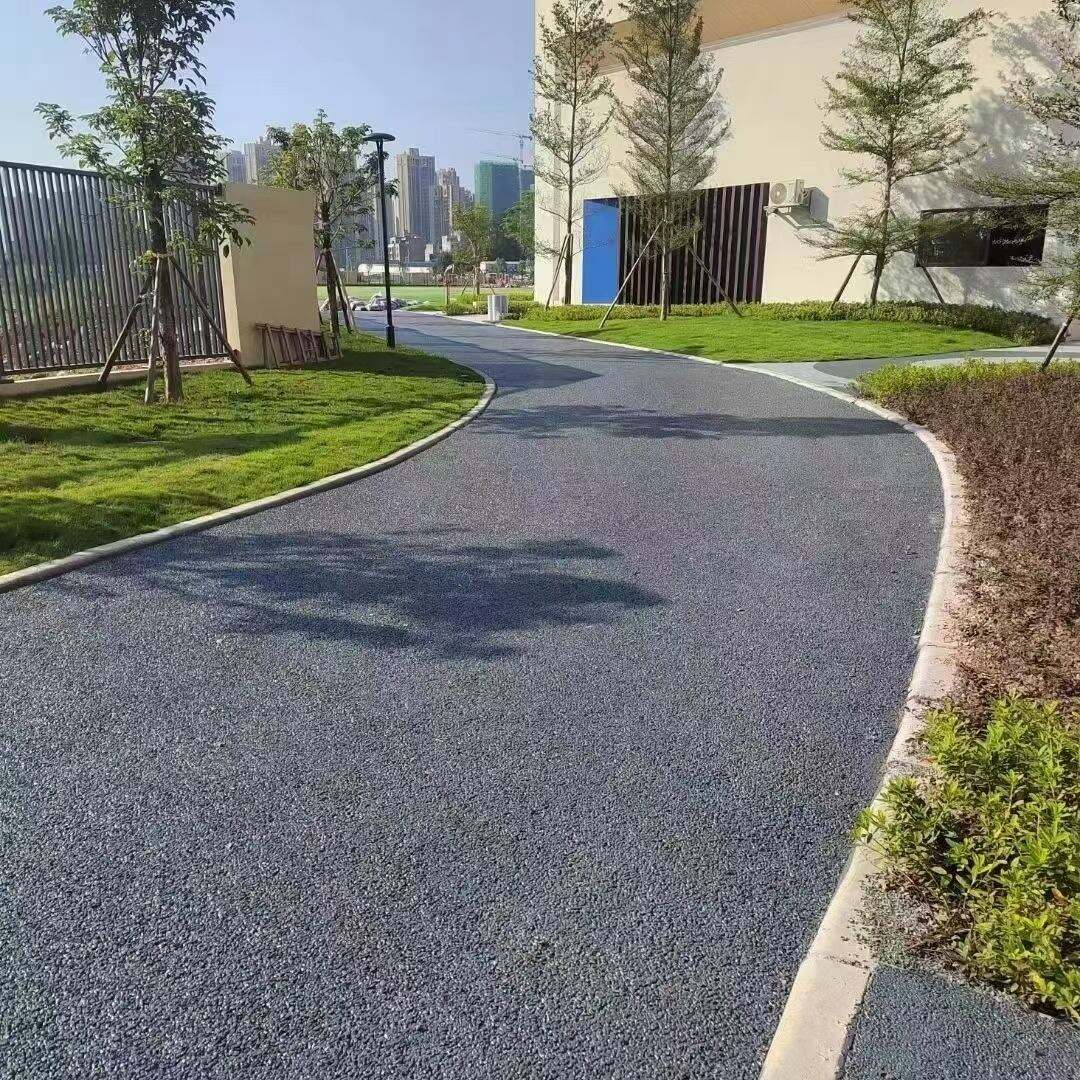
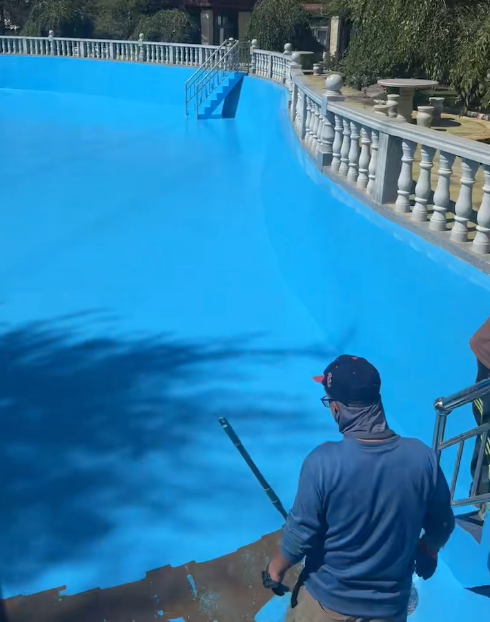
Poliurea anti-rrëshqitëse përfaqëson një teknologji revolucionare mbulimi që kombinon qëndrueshmërinë e jashtëzakonshme të kimisë së poliureas me veti speciale anti-rrëshqitëse për të krijuar sipërfaqe që i japin prioritet sigurisë pa komprometuar performancën. Ky sistem i avancuar materialor përbëhet nga një mbulim elastomerik me dy komponentë që hardhësohet shpejt përmes një reaksioni kimik midis komponentëve izocianati dhe poliolit, duke formuar një membranë të paprekur dhe monolitike me karakteristika të integruara rezistente ndaj rrëshqitjes. Formulimi i poliureas anti-rrëshqitëse përfshin materiale agregate të projektuara veçanërisht dhe shtesa që përmirësojnë teksturën, të cilat krijojnë irregularitete mikroskopike në sipërfaqe, duke përmirësuar dramatikisht forcën e ngushtimit dhe të kapjes në kushte ambientale të ndryshme. Funksionet kryesore të këtij mbulimi inovativ përfshijnë sigurimin e menjëhershëm të rezistencës ndaj rrëshqitjes, ofrimin e mbrojtjes së gjatëkohëshme të sipërfaqes dhe ruajtjen e performancës konstante nëpër ndryshimet e temperaturës dhe ekspozimin ndaj lagështirës. Nga pikëpamja teknologjike, poliurea anti-rrëshqitëse karakterizohet nga një shumësi e jashtëzakonshme në metodat e aplikimit, përfshirë aplikimin me shpricim, aplikimin me rrotullues dhe sistemet e shpërndarjes (broadcast), të cilat lejojnë profilime të personalizuara të teksturës bazuar në kërkesat specifike të sigurisë. Materiali tregon veti të jashtëzakonshme adhezive ndaj substratesh të ndryshme, përfshirë betonin, çelikun, drurin dhe materialet kompozite, duke e bërë atë të përshtatshëm si për ndërtimet e reja ashtu edhe për projekte rinovimi. Veçoritë teknologjike kryesore përfshijnë kohët e shpejta hardhësimi që minimizojnë kohën e pushimit, rezistencën e shkëlqyeshme ndaj kimikateve që i reziston ekspozimit ndaj vajrave, acidëve dhe tretësve për pastrim, si dhe fleksibilitetin e shkëlqyeshëm që lejon lëvizjen e substrates pa çarje apo ndarje shtresash. Zbatimet e poliureas anti-rrëshqitëse shtrihen në shumë industri dhe mjedise, nga objektet e prodhimit industrial dhe kuzhinat komerciale deri te dekut bregdetar dhe zonat rezidentiale rreth piscinave. Mbuloja shkëlqen në mjediset me trafik të lartë ku rregulloret e sigurisë kërkojnë rezistencë të besueshme ndaj rrëshqitjes, si korridorët e spitaleve, palestrat e shkollave dhe trotuaret publike. Aftësia e saj për të ruajtur performancën si në kushte të lagura ashtu edhe të thata e bën veçanërisht të vlefshme për zbatime të jashtme, si dekët e parkimit, doket e ngarkimit dhe urat pezhekuare, ku ekspozimi ndaj kohës klimatike paraqet sfida të vazhdueshme sigurie.

 EN
EN