Advanced Radiative Cooling Coating - Revolutionary Passive Cooling Technology for Energy-Efficient Buildings

All Categories

Get a Free Quote

Our representative will contact you soon.
Email
Mobile/WhatsApp
Name
Company Name
Message
0/1000

radiative cooling coating

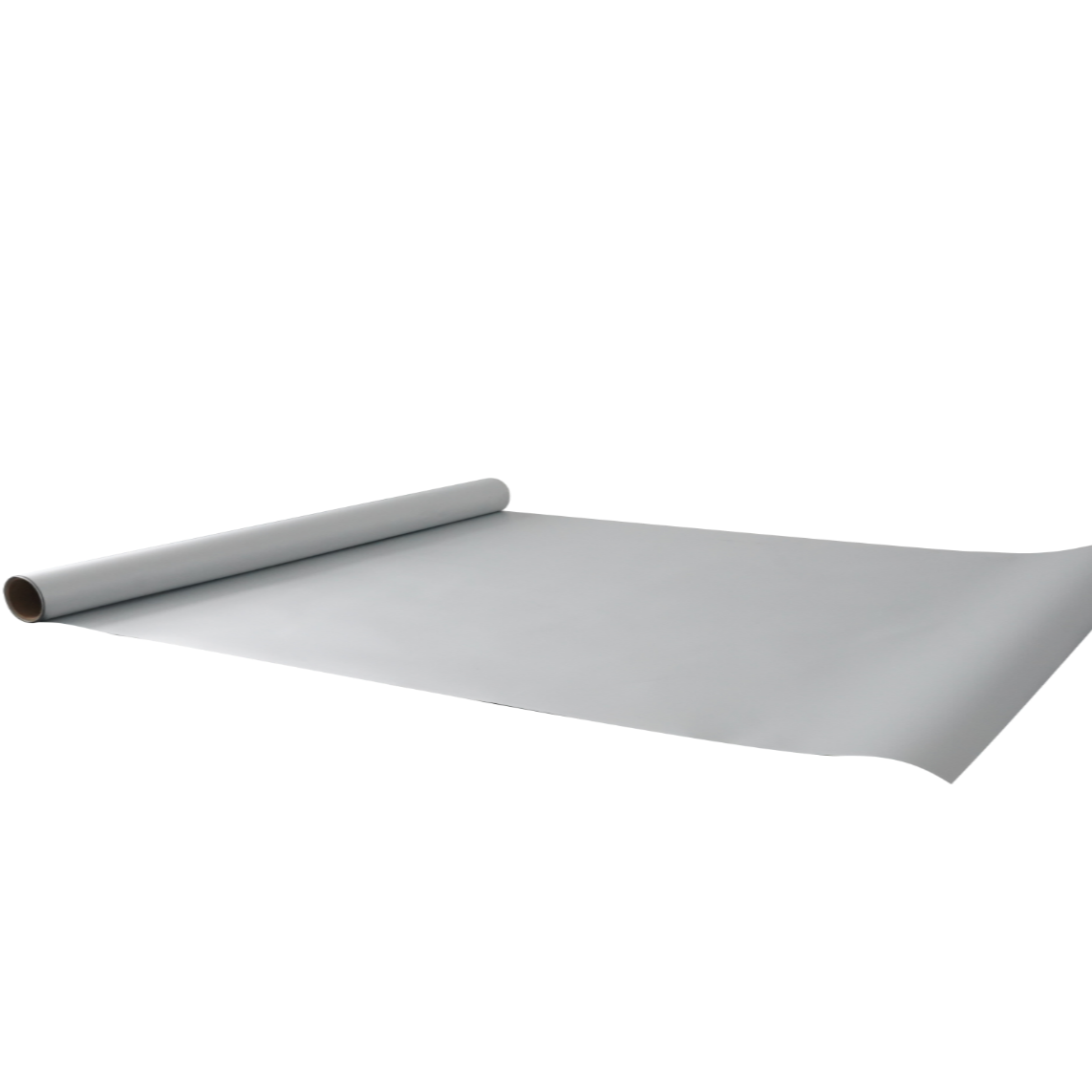
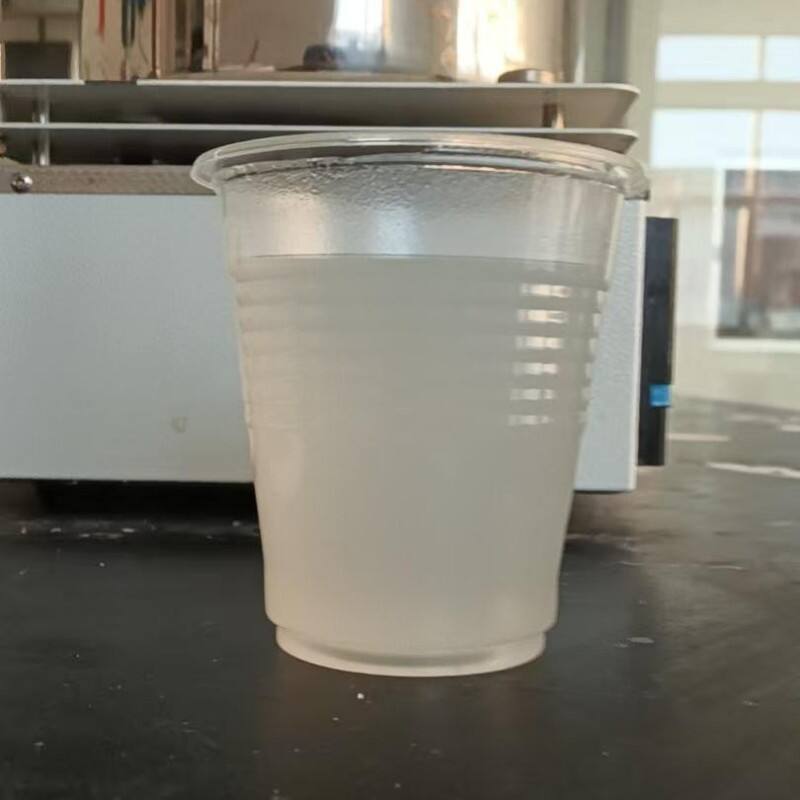
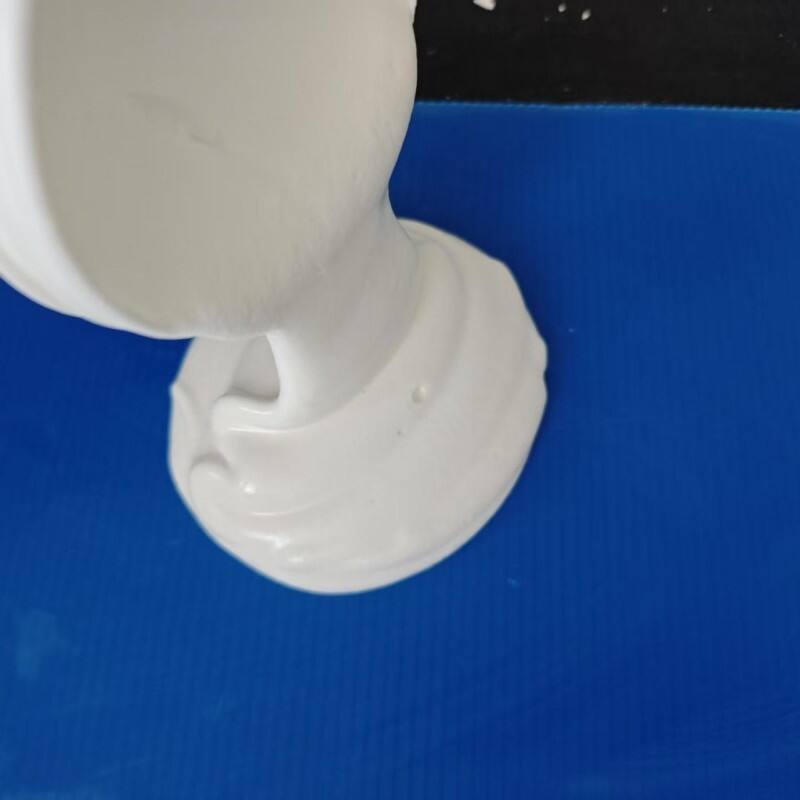
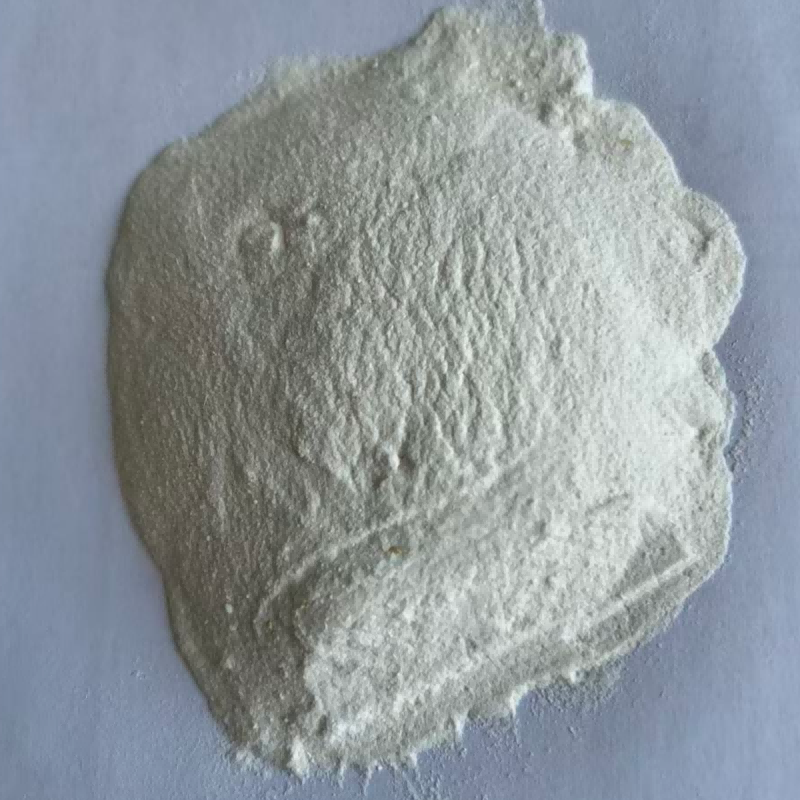
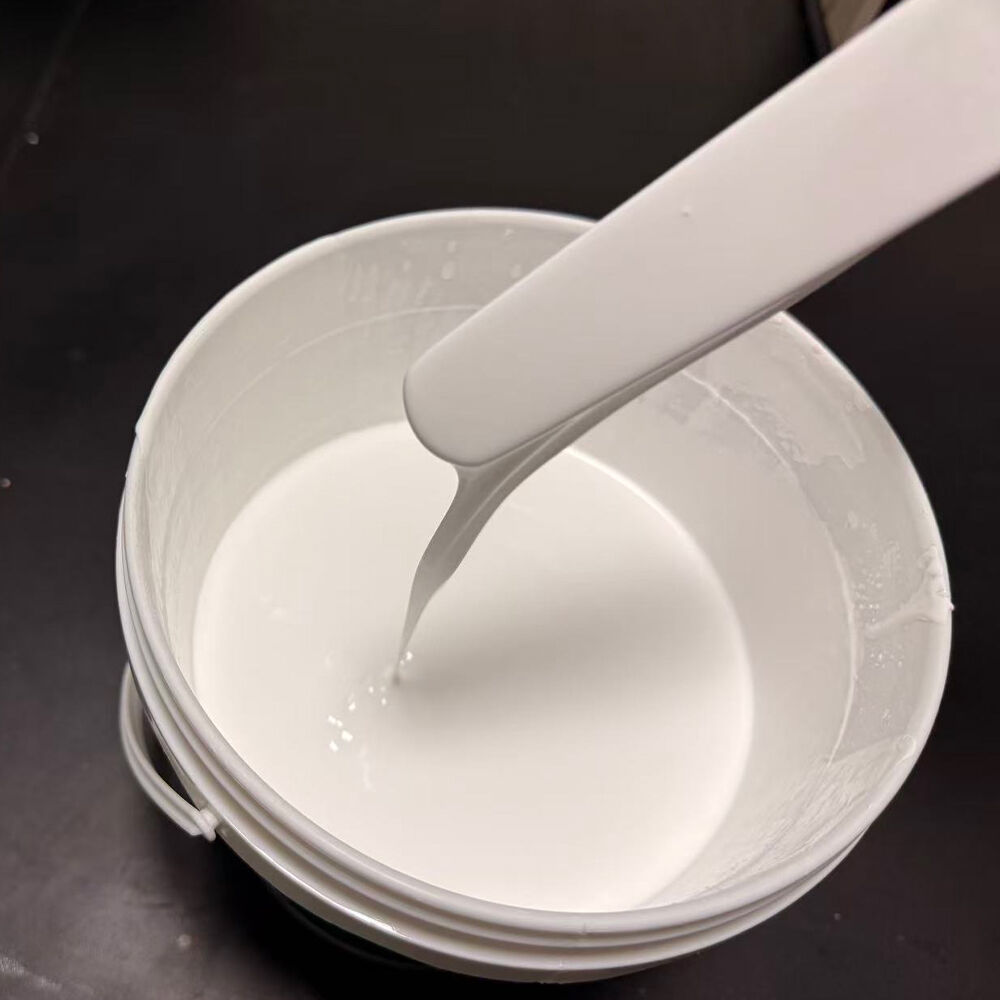
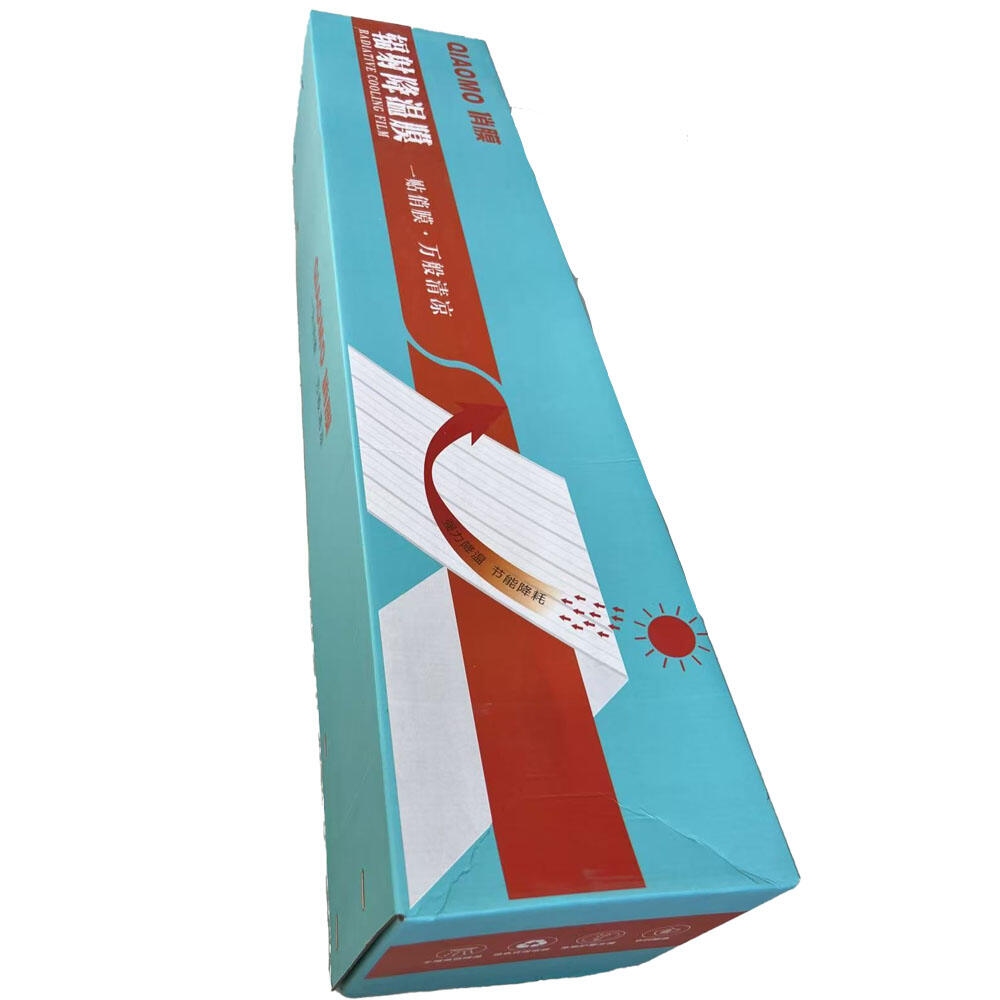
Radiative cooling coating represents a groundbreaking advancement in passive cooling technology that harnesses the natural process of thermal radiation to reduce surface temperatures without consuming electricity. This innovative coating works by selectively emitting infrared radiation through the atmospheric window, a specific wavelength range where Earth's atmosphere is transparent to thermal radiation, allowing heat to escape directly into the cold vacuum of space. The radiative cooling coating achieves this remarkable feat through carefully engineered materials that exhibit high emissivity in the 8-13 micrometer wavelength range while maintaining high reflectivity in the solar spectrum. The coating typically consists of specialized polymers, ceramic particles, or metamaterial structures that have been designed at the nanoscale to optimize their optical properties. When applied to surfaces, the radiative cooling coating can reduce temperatures by 5-15 degrees Celsius below ambient air temperature, even under direct sunlight. This technology operates continuously, 24 hours a day, making it particularly effective during nighttime when atmospheric radiation losses are maximized. The coating can be formulated as paint-like liquids, films, or spray applications, making it versatile for various installation methods. Modern radiative cooling coating formulations incorporate weather-resistant properties, ensuring long-term durability against UV radiation, moisture, and temperature fluctuations. The technology finds applications across multiple sectors including building cooling, vehicle thermal management, textile cooling, and industrial equipment protection. Manufacturing processes for radiative cooling coating have evolved to enable large-scale production while maintaining the precise optical properties required for effective cooling performance. Recent developments have focused on improving the coating's selectivity, durability, and ease of application while reducing production costs to make the technology commercially viable for widespread adoption.

Popular Products

Radiative cooling coating delivers substantial energy savings by reducing reliance on traditional air conditioning systems, potentially cutting cooling costs by 20-50 percent depending on application and climate conditions. Building owners benefit from lower electricity bills as the coating naturally maintains cooler indoor temperatures, reducing the workload on HVAC systems throughout hot summer months. The technology operates without any moving parts or electrical connections, eliminating maintenance requirements and operational failures commonly associated with mechanical cooling systems. Environmental benefits extend beyond energy savings, as radiative cooling coating helps reduce carbon footprints by decreasing electricity consumption from fossil fuel-powered grids. The coating provides consistent performance across diverse weather conditions, working effectively in both humid and dry climates while maintaining its cooling properties year-round. Installation proves remarkably simple, requiring standard painting or spraying techniques that most contractors can perform without specialized training or equipment. Cost-effectiveness becomes apparent through rapid return on investment, typically within 2-3 years for commercial applications and 3-5 years for residential use. The radiative cooling coating enhances occupant comfort by maintaining more stable indoor temperatures and reducing hot spots on exterior surfaces that can radiate heat into living spaces. Durability testing demonstrates that quality formulations maintain their cooling effectiveness for 10-15 years with minimal degradation, providing long-term value for property owners. The technology integrates seamlessly with existing building materials and architectural designs, available in various colors and finishes to meet aesthetic requirements. Health benefits emerge from improved indoor air quality as reduced air conditioning usage means less circulation of stale air and fewer allergens. Industrial applications benefit from equipment protection, as cooler operating temperatures extend machinery lifespan and reduce thermal stress on critical components. The radiative cooling coating contributes to urban heat island mitigation when applied at scale, helping cities reduce overall ambient temperatures. Versatility allows application on diverse surfaces including roofs, walls, vehicles, and equipment, making it suitable for residential, commercial, and industrial projects. The coating supports sustainability goals for organizations seeking LEED certification or other green building standards while providing quantifiable environmental impact reductions.

Practical Tips

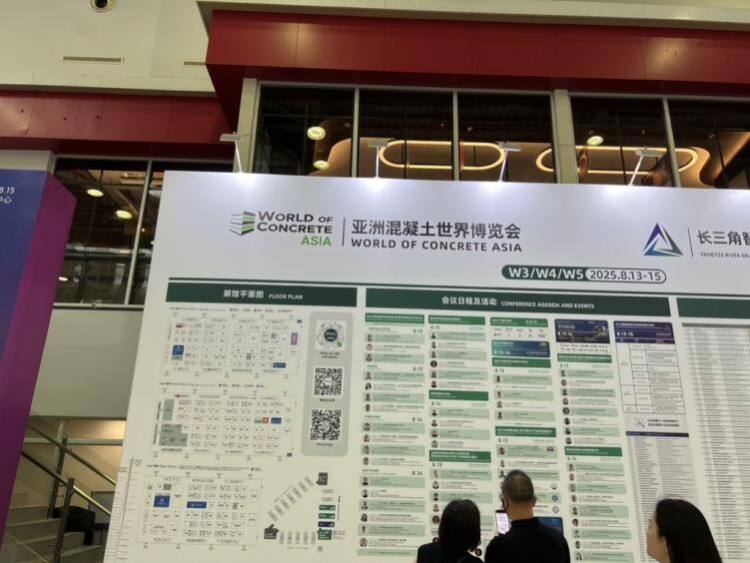
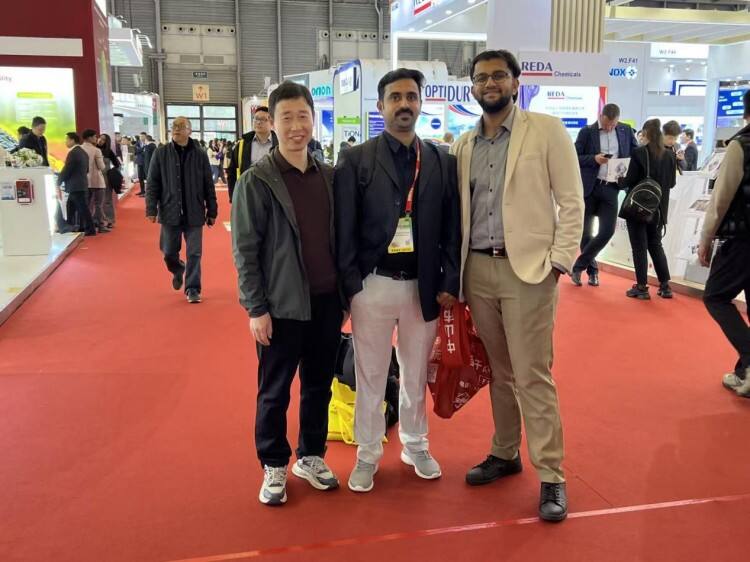
Shandong Huacheng High-Tech Participates in WORLD OF CONCRETE ASIA 2025 in Shanghai

25

Feb

Shandong Huacheng High-Tech Participates in WORLD OF CONCRETE ASIA 2025 in Shanghai

View More
Shandong Huacheng High-Tech Shines at CHINACOAT 2025 Shanghai

25

Feb

Shandong Huacheng High-Tech Shines at CHINACOAT 2025 Shanghai

View More
Huacheng High-Tech Recognized as Provincial Enterprise Technology Center by Shandong Province

27

Feb

Huacheng High-Tech Recognized as Provincial Enterprise Technology Center by Shandong Province

View More

Get a Free Quote

Our representative will contact you soon.
Email
Mobile/WhatsApp
Name
Company Name
Message
0/1000

radiative cooling coating

Revolutionary Passive Cooling Technology That Works 24/7

Revolutionary Passive Cooling Technology That Works 24/7

The radiative cooling coating operates on the fundamental principle of thermal radiation, utilizing the natural phenomenon where objects emit infrared radiation to achieve temperatures below ambient air levels. This cutting-edge technology works by exploiting the atmospheric window, a specific wavelength range between 8-13 micrometers where Earth's atmosphere becomes transparent to thermal radiation. Unlike conventional cooling methods that consume electricity and require mechanical components, radiative cooling coating provides continuous cooling performance around the clock without any energy input. The coating's engineered surface structure selectively emits thermal radiation while reflecting incoming solar energy, creating a net cooling effect even under direct sunlight. During daytime operation, the coating can maintain surface temperatures 5-10 degrees Celsius below ambient temperature, while nighttime performance can achieve cooling effects of 10-15 degrees Celsius below air temperature. This remarkable capability stems from advanced materials science, where researchers have developed specialized polymer matrices embedded with precisely sized particles that manipulate electromagnetic radiation at specific wavelengths. The coating's effectiveness remains consistent across seasons and geographic locations, making it a reliable solution for diverse climate conditions from tropical to temperate regions. Manufacturing innovations have enabled the production of radiative cooling coating with enhanced durability, weather resistance, and application flexibility. The technology represents a paradigm shift from active cooling systems to passive thermal management, offering building owners and facility managers a maintenance-free cooling solution that operates independently of power grids or mechanical systems. Recent field tests have demonstrated that structures treated with radiative cooling coating maintain cooler internal temperatures while reducing energy consumption for air conditioning by significant margins, validating the technology's practical benefits for real-world applications.
Exceptional Energy Efficiency and Cost Savings Performance

Exceptional Energy Efficiency and Cost Savings Performance

Radiative cooling coating delivers unprecedented energy efficiency by fundamentally changing how buildings and structures manage thermal loads, resulting in substantial reductions in cooling energy consumption and associated costs. Commercial buildings equipped with radiative cooling coating report average energy savings of 30-40 percent on cooling expenses, with some installations achieving up to 50 percent reduction during peak summer months. The technology's passive nature means zero operational energy consumption, creating a pure cost-saving opportunity without ongoing electrical expenses typically associated with cooling systems. Return on investment calculations consistently show payback periods of 2-4 years for most applications, making radiative cooling coating an attractive financial proposition for property owners and facility managers. The coating's effectiveness compounds during extreme weather events when traditional cooling systems struggle to maintain comfortable temperatures, often requiring expensive peak-demand electricity that can cost 3-5 times normal rates. By reducing building cooling loads, radiative cooling coating decreases stress on existing HVAC equipment, extending machinery lifespan and reducing maintenance requirements that further contribute to cost savings. Energy audits of buildings with radiative cooling coating demonstrate measurable improvements in overall energy efficiency ratings, potentially increasing property values and qualifying for utility rebates or tax incentives in many jurisdictions. The technology's scalability allows for implementation across entire building portfolios, enabling organizations to achieve significant aggregate savings and meet corporate sustainability targets while improving operational efficiency. Industrial applications benefit from reduced cooling costs for manufacturing processes and equipment protection, where maintaining optimal operating temperatures directly impacts productivity and product quality. The coating's longevity ensures that initial investment continues generating savings for 10-15 years, creating a compelling long-term value proposition that outperforms many alternative energy efficiency measures in terms of cost-effectiveness and reliability.
Versatile Application Methods and Superior Durability Features

Versatile Application Methods and Superior Durability Features

Radiative cooling coating offers exceptional versatility in application methods, formulated as user-friendly solutions that integrate seamlessly with standard construction and maintenance practices across diverse surface types and architectural configurations. The coating can be applied using conventional painting techniques, spray systems, or roller applications, requiring no specialized equipment or extensive worker training that might complicate installation processes. Surface preparation follows standard painting protocols, with the radiative cooling coating adhering effectively to concrete, metal, asphalt, wood, and composite materials commonly found in residential, commercial, and industrial construction. Advanced formulations provide excellent coverage rates, typically achieving optimal performance with application thickness of 100-200 micrometers, making efficient use of material while ensuring consistent cooling effectiveness across treated surfaces. Weather resistance properties ensure the radiative cooling coating maintains its optical and thermal properties despite exposure to UV radiation, temperature cycling, moisture, and environmental contaminants that typically degrade conventional coatings over time. Accelerated aging tests demonstrate that quality radiative cooling coating formulations retain 90 percent of their cooling effectiveness after equivalent exposure to 15 years of outdoor conditions, providing exceptional durability for long-term installations. The coating's chemical stability prevents degradation from common environmental factors including acid rain, salt spray, and industrial pollutants, making it suitable for coastal installations and urban environments with challenging atmospheric conditions. Maintenance requirements remain minimal, with periodic cleaning using standard methods sufficient to maintain optimal performance throughout the coating's service life. Color stability ensures that aesthetic properties remain consistent while cooling performance continues undiminished, addressing concerns about visual appearance degradation common with exterior coatings. The radiative cooling coating exhibits excellent adhesion properties, forming strong bonds with properly prepared surfaces that resist peeling, cracking, or delamination under thermal cycling and mechanical stress typical in building applications.

Get a Free Quote

Our representative will contact you soon.
Email
Mobile/WhatsApp
Name
Company Name
Message
0/1000