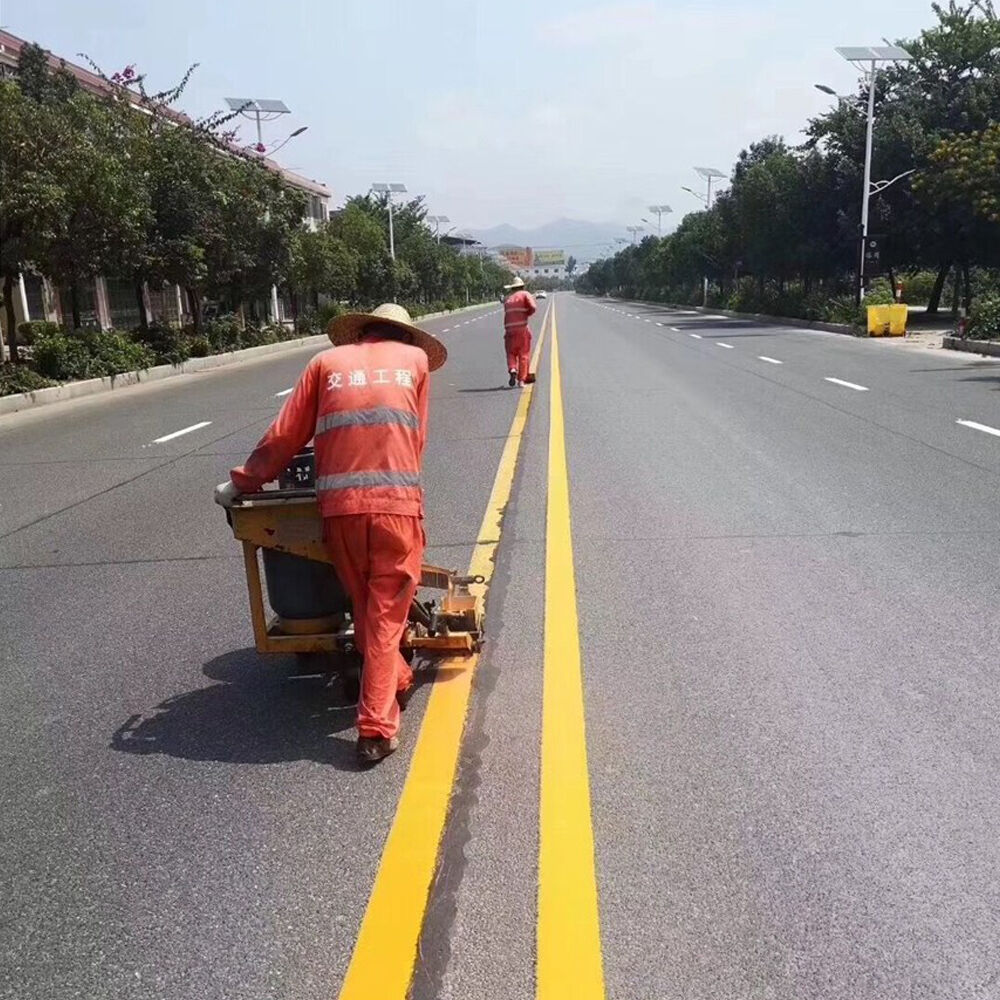
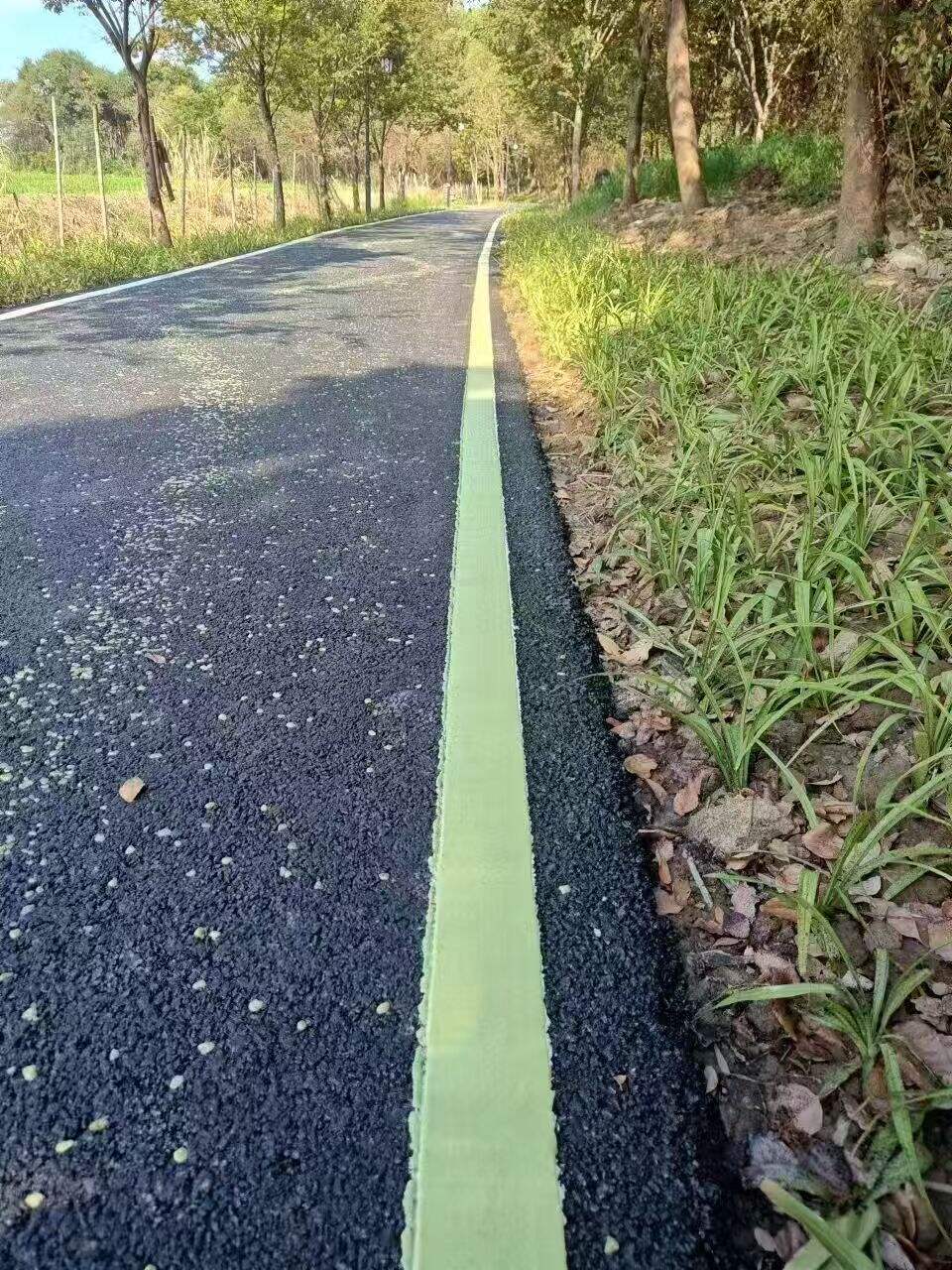
marka sa kalsada para sa kaligtasan
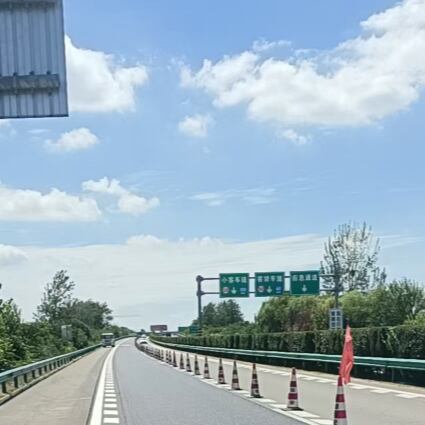
Ang mga palatandaan sa kalsada para sa kaligtasan ay kumakatawan sa isang mahalagang bahagi ng imprastruktura na gumagampan ng pangunahing visual na gabay para sa mga drayber, mamamayan, at cyclist sa mga kalsada sa buong mundo. Ang mga espesyalisadong marka na ito ay estratehikong inilalagay sa ibabaw ng kalsada, sa mga gilid ng kalsada (curbs), at sa mga lugar ng pavimento upang iparating ang mahahalagang impormasyon tungkol sa trapiko, itakda ang hangganan ng bawat lane, ipahiwatig ang direksyon ng daloy ng trapiko, at babalaan sa mga posibleng panganib o pagbabago sa kondisyon ng kalsada. Ang pangunahing layunin ng mga palatandaan sa kalsada para sa kaligtasan ay lumalampas sa simpleng pagpipinta ng linya—kabilang dito ang isang komprehensibong pamamaraan sa pamamahala ng trapiko na malaki ang naitutulong sa pagbawas ng bilang ng aksidente at sa pagpapabuti ng kabuuang antas ng kaligtasan sa kalsada. Ang mga modernong sistema ng palatandaan sa kalsada para sa kaligtasan ay gumagamit ng mga advanced na retroreflective na materyales, thermoplastic na compound, at mga pigmentong may mataas na visibility na nag-aagarantya ng optimal na nakikita sa iba't ibang kondisyon ng panahon, kabilang ang pagmamaneho sa gabi at mga hindi paborableng sitwasyon sa panahon. Ang teknolohikal na pundasyon ng kasalukuyang mga palatandaan sa kalsada para sa kaligtasan ay umaasa sa mga matitibay na polymer-based na pormulasyon na tumutol sa pagsuot dulot ng trapiko ng sasakyan, pagkakalantad sa kapaligiran, at mga pagbabago ng temperatura ayon sa panahon. Karaniwang may kasamang mga glass bead o embedded ceramic particles ang mga markang ito upang makabuo ng superior na katangian sa pagrereflect ng liwanag, na nagpapahintulot sa mga drayber na malinaw na makilala ang hangganan ng bawat lane, mga restriksyon sa pagliko, mga pedestrian crossing, at iba pang mahahalagang tampok ng kalsada mula sa malalayong distansya. Ang mga aplikasyon ng mga palatandaan sa kalsada para sa kaligtasan ay saklaw ang maraming kapaligiran ng transportasyon, kabilang ang mga highway, urban na kalye, mga pasilidad para sa parking, mga runway ng paliparan, mga industriyal na kompliks, at mga residential na barangay. Ang versatility ng mga sistemang ito ay nagbibigay-daan sa mga customized na solusyon na sumasagot sa partikular na pattern ng trapiko, bilis ng sasakyan, at mga kinakailangang kaligtasan na natatangi sa bawat lokasyon. Ginagamit ng mga propesyonal na koponan sa pag-install ang mga espesyalisadong kagamitan upang matiyak ang eksaktong paglalagay, ang angkop na kapal, at ang pare-parehong saturation ng kulay na sumusunod sa itinatag na mga pamantayan ng mga awtoridad sa transportasyon at sa mga kinakailangan ng regulasyon.

 EN
EN