mga puting linya sa kalsada
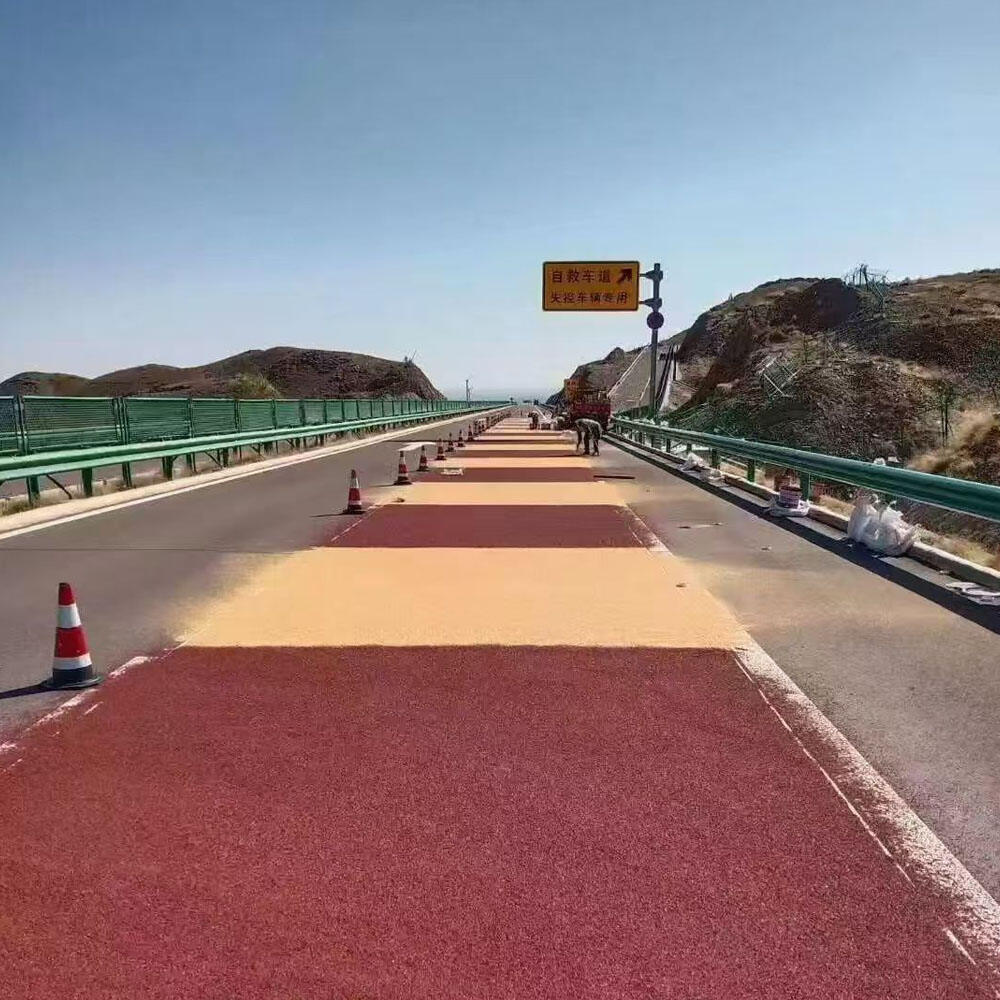
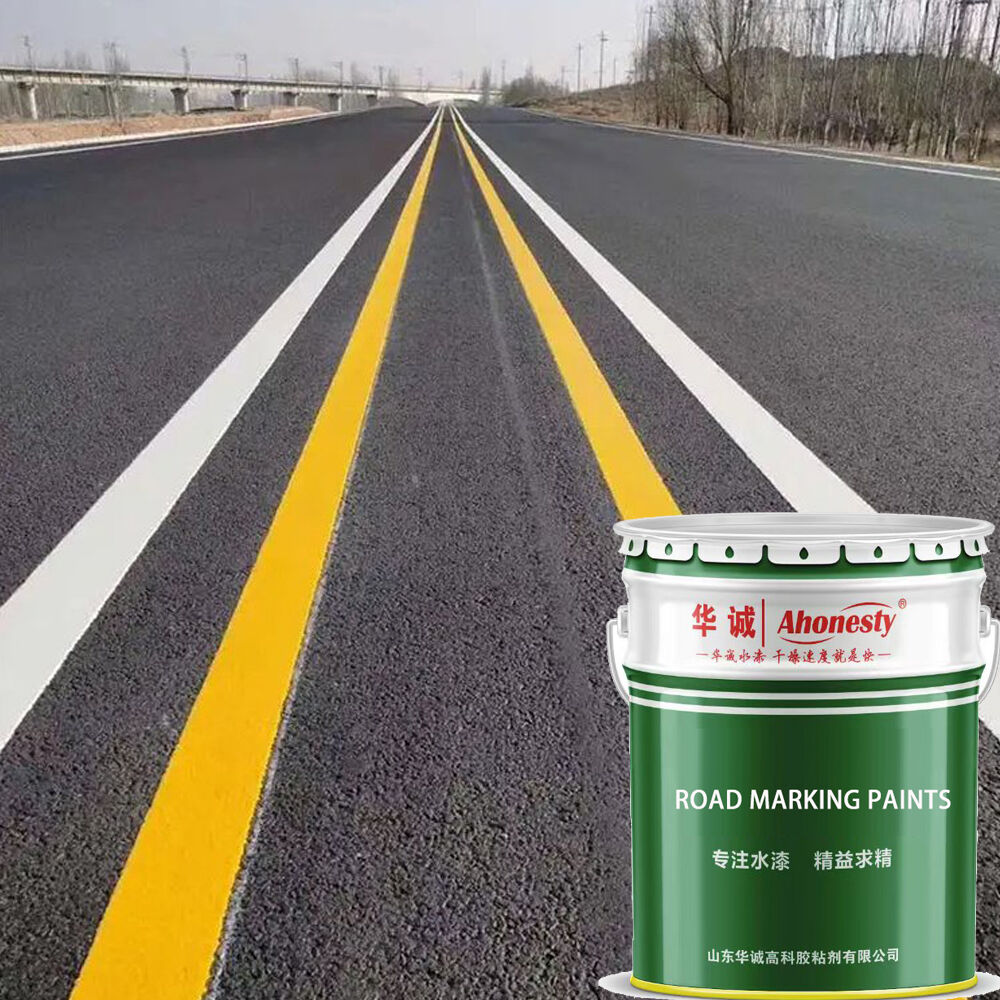
Ang mga puting guhit na marka sa kalsada ay kumakatawan sa isang pangunahing bahagi ng modernong imprastruktura ng transportasyon, na gumagana bilang mahalagang visual na gabay upang matiyak ang ligtas at organisadong paggalaw ng mga sasakyan. Ang mga natatanging linear na indikador na ito ay estratehikong inilalagay o iniiembed sa ibabaw ng kalsada gamit ang mga espesyal na retroreflective na materyales na nagpapabuti ng kahusayan ng pagkakakita sa iba’t ibang kondisyon ng liwanag. Ang pangunahing mga tungkulin ng mga puting guhit na marka sa kalsada ay kinabibilangan ng pagtukoy sa mga lane ng trapiko, pagbibigay ng direksyonal na gabay, at pagkilala sa mga panganib, na lumilikha ng istrukturadong daanan upang mabawasan ang panganib ng pagbangga at mapabuti ang kabuuang kahusayan ng daloy ng trapiko. Sa aspetong teknolohikal, ang mga modernong puting guhit na marka sa kalsada ay gumagamit ng mga advanced na thermoplastic na compound, epoxy resin, at pagsasama ng mga glass bead upang makamit ang mataas na antas ng tibay at reflectivity. Ang mga materyales na ito ay sumasailalim sa mahigpit na pagsusuri upang tumagal sa labis na kondisyon ng panahon, malalaking beban ng sasakyan, at patuloy na pagkakalantad sa ultraviolet radiation habang pinapanatili ang kanilang natatanging anyo at kahusayan sa pagganap. Ang proseso ng aplikasyon ay nangangailangan ng de-kalidad na kagamitan upang matiyak ang pare-parehong sukat ng lapad, tamang adhesion sa ibabaw ng asphalt o concrete, at optimal na distansya sa pagitan ng bawat segment ng marka. Ang mga modernong paraan ng pag-install ay gumagamit ng computer-controlled na striping machine na nagagarantiya ng pantay na kapal ng aplikasyon at eksaktong posisyon ayon sa mga technical specification ng traffic engineering. Ang mga puting guhit na marka sa kalsada ay may malawak na aplikasyon sa iba’t ibang kapaligiran ng transportasyon, kabilang ang mga highway system, urban arterials, residential streets, parking facilities, at mga espesyal na lugar tulad ng school zones at construction sites. Ang kanilang versatility ay umaabot sa iba’t ibang konpigurasyon, mula sa simpleng lane divider hanggang sa kumplikadong intersection pattern na sumasaklaw sa mga turning movement, merging zone, at pedestrian crosswalks. Ang estratehikong paglalagay ng mga markang ito ay sumusunod sa mga itinatag na prinsipyo ng inhinyeriya na isinasaalang-alang ang dami ng trapiko, bilis ng sasakyan, distansya ng paningin, at heometrikong katangian ng kalsada upang maksimisinhin ang kanilang epekto sa pagpapromote ng ligtas na pagmamaneho at pagbawas ng potensyal na aksidente.

 EN
EN