Professional White Line Road Markings: Enhanced Safety, Durability & Traffic Management Solutions

All Categories

Get a Free Quote

Our representative will contact you soon.
Email
Mobile/WhatsApp
Name
Company Name
Message
0/1000

white line markings on roads

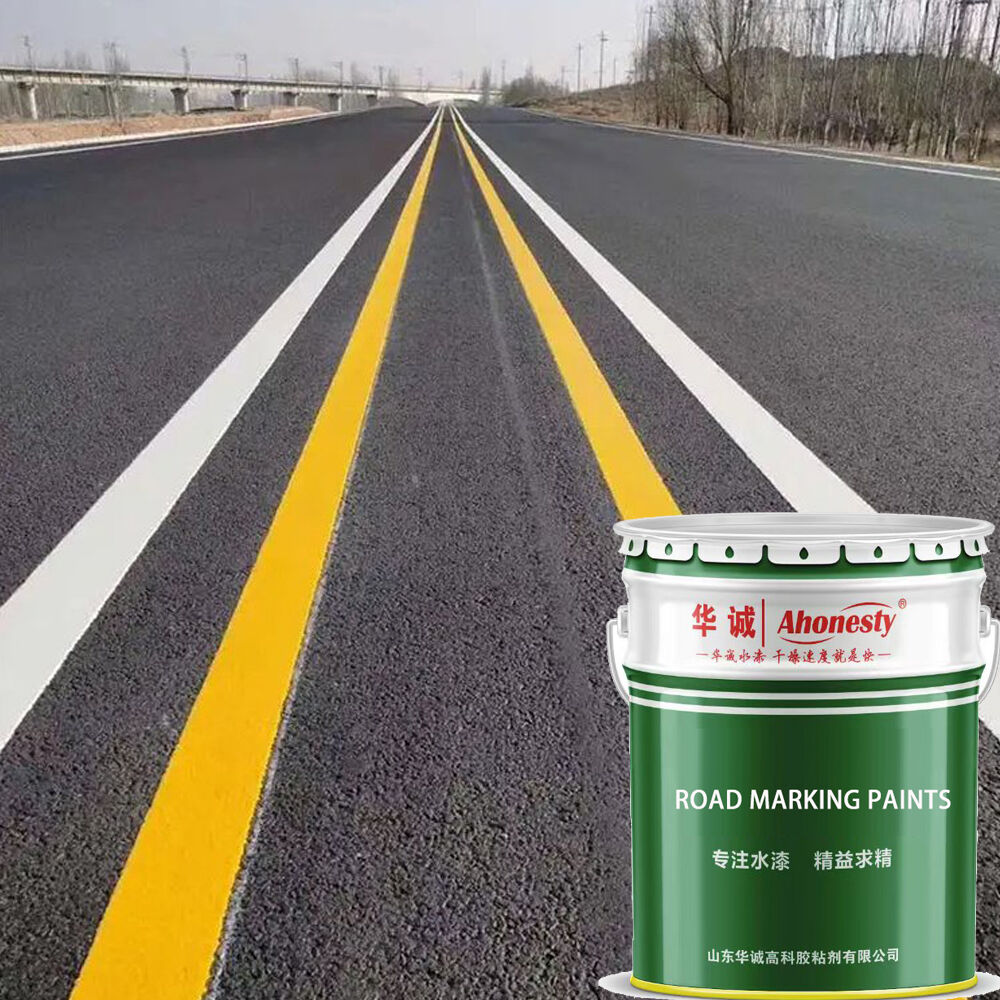
White line markings on roads represent a fundamental component of modern transportation infrastructure, serving as critical visual guidance systems that ensure safe and organized vehicular movement. These distinctive linear indicators are strategically painted or embedded across roadway surfaces using specialized retroreflective materials that enhance visibility during various lighting conditions. The primary functions of white line markings on roads encompass traffic lane delineation, directional guidance, and hazard identification, creating structured pathways that reduce collision risks and improve overall traffic flow efficiency. Technologically, contemporary white line markings on roads utilize advanced thermoplastic compounds, epoxy resins, and glass bead incorporation to achieve superior durability and reflectivity properties. These materials undergo rigorous testing to withstand extreme weather conditions, heavy vehicular loads, and continuous exposure to ultraviolet radiation while maintaining their distinctive appearance and functional integrity. The application process involves precision equipment that ensures consistent width measurements, proper adhesion to asphalt or concrete surfaces, and optimal spacing between individual marking segments. Modern installation techniques employ computer-controlled striping machines that guarantee uniform application thickness and accurate positioning according to traffic engineering specifications. White line markings on roads find extensive applications across diverse transportation environments, including highway systems, urban arterials, residential streets, parking facilities, and specialized zones such as school areas and construction sites. Their versatility extends to various configurations, from simple lane dividers to complex intersection patterns that accommodate turning movements, merging zones, and pedestrian crosswalks. The strategic placement of these markings follows established engineering principles that consider traffic volume, vehicle speeds, sight distances, and geometric road characteristics to maximize their effectiveness in promoting safe driving behaviors and reducing accident potential.


New Product Recommendations

White line markings on roads deliver substantial practical benefits that directly impact driver safety, traffic efficiency, and overall transportation system performance. The most significant advantage lies in accident prevention, as these markings provide clear visual boundaries that help drivers maintain proper lane positioning and avoid dangerous lane departures that frequently result in serious collisions. Studies consistently demonstrate that properly maintained white line markings on roads reduce lane departure accidents by up to 15 percent, translating to fewer injuries, fatalities, and associated economic losses. Traffic flow optimization represents another crucial benefit, as white line markings on roads enable consistent lane usage patterns that maximize roadway capacity without requiring expensive infrastructure expansion. Drivers can navigate more confidently when clear lane demarcations exist, leading to smoother traffic progression and reduced congestion during peak travel periods. The enhanced visibility provided by retroreflective white line markings on roads proves particularly valuable during nighttime and adverse weather conditions when driver vision becomes compromised. This improved visibility extends reaction times and enables earlier hazard detection, contributing to better overall driving performance. Cost-effectiveness emerges as a compelling advantage, since white line markings on roads represent a relatively inexpensive safety improvement compared to alternative measures such as guardrails, electronic warning systems, or roadway reconstruction projects. The longevity of modern marking materials ensures that initial investment costs are distributed across multiple years of service life, delivering exceptional value for transportation agencies and taxpayers. Maintenance benefits include straightforward reapplication procedures that minimize traffic disruption and reduce long-term operational expenses. White line markings on roads also support automated vehicle technologies by providing machine-readable lane references that enhance GPS navigation accuracy and enable advanced driver assistance systems to function more reliably. Environmental advantages include reduced fuel consumption and emissions resulting from smoother traffic flow patterns, while the materials used in contemporary white line markings on roads increasingly incorporate recycled components and low-emission formulations. Legal compliance represents another practical benefit, as properly installed white line markings on roads help transportation agencies meet regulatory requirements and reduce liability exposure related to inadequate traffic control devices. The psychological comfort provided to drivers by clearly marked lanes encourages more efficient use of available roadway space and promotes safer driving behaviors through improved situational awareness.

Latest News

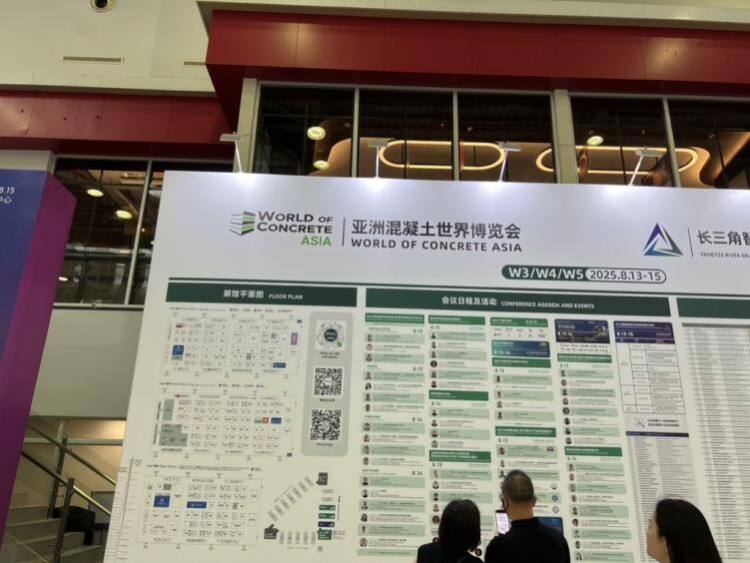
Shandong Huacheng High-Tech Participates in WORLD OF CONCRETE ASIA 2025 in Shanghai

25

Feb

Shandong Huacheng High-Tech Participates in WORLD OF CONCRETE ASIA 2025 in Shanghai

View More
Shandong Huacheng High-Tech Shines at CHINACOAT 2025 Shanghai

25

Feb

Shandong Huacheng High-Tech Shines at CHINACOAT 2025 Shanghai

View More
Huacheng High-Tech Recognized as Provincial Enterprise Technology Center by Shandong Province

27

Feb

Huacheng High-Tech Recognized as Provincial Enterprise Technology Center by Shandong Province

View More

Get a Free Quote

Our representative will contact you soon.
Email
Mobile/WhatsApp
Name
Company Name
Message
0/1000

white line markings on roads

Superior Retroreflective Technology for Enhanced Night Visibility

Superior Retroreflective Technology for Enhanced Night Visibility

The advanced retroreflective technology integrated into modern white line markings on roads represents a revolutionary advancement in nighttime driving safety, utilizing precision-engineered glass microspheres that redirect vehicle headlight illumination directly back to drivers' eyes. This sophisticated optical system creates dramatically improved lane visibility during darkness, fog, rain, and other challenging conditions when traditional painted markings become virtually invisible to approaching vehicles. The retroreflective properties of white line markings on roads function through a complex interaction between incoming light rays and specially designed spherical glass beads embedded within the marking material surface. These microscopic spheres act as miniature mirrors, capturing headlight beams and returning them along their original path with remarkable efficiency, creating the distinctive bright appearance that drivers observe during nighttime travel. Unlike conventional road markings that rely solely on ambient lighting or rely on painted surfaces that can become obscured by moisture or debris, white line markings on roads with retroreflective technology maintain their visibility characteristics across diverse environmental conditions. The durability of this retroreflective system proves exceptional, as the glass bead integration occurs during the manufacturing process, ensuring that the reflective properties remain intact throughout the marking's service life rather than degrading over time like surface-applied treatments. Transportation engineers specifically select glass bead sizes and embedding depths to optimize retroreflective performance for different speed environments, with larger beads providing enhanced visibility for high-speed highways while smaller beads offer superior performance in urban settings with lower approach speeds. The economic benefits of retroreflective white line markings on roads extend beyond initial safety improvements, as enhanced nighttime visibility reduces accident rates, decreases emergency response costs, and minimizes traffic delays associated with collision cleanup activities. Modern retroreflective technology also supports emerging connected vehicle systems that utilize optical sensors to detect lane boundaries, providing redundant guidance systems that improve automated driving reliability and safety margins.
Exceptional Durability and Weather Resistance for Long-Term Performance

Exceptional Durability and Weather Resistance for Long-Term Performance

The exceptional durability characteristics of contemporary white line markings on roads stem from advanced polymer chemistry and engineering innovations that enable these critical safety devices to withstand extreme environmental stresses while maintaining their functional integrity over extended service periods. Modern thermoplastic and epoxy-based marking materials incorporate specialized additives that provide superior resistance to thermal cycling, ultraviolet radiation, chemical exposure, and mechanical abrasion from continuous vehicle traffic. The weather resistance of white line markings on roads has been dramatically enhanced through the development of stabilized resin systems that prevent color fading, brittleness, and adhesion failure even under the most challenging climatic conditions. These advanced formulations undergo extensive laboratory testing that simulates accelerated aging processes, including exposure to temperature extremes ranging from sub-zero winter conditions to summer heat exceeding 160 degrees Fahrenheit. The mechanical durability of white line markings on roads addresses the constant stress imposed by heavy commercial vehicles, frequent traffic loading, and the expansion and contraction of underlying pavement surfaces. Specialized bonding agents ensure that markings maintain secure adhesion to both asphalt and concrete substrates throughout multiple seasonal cycles, preventing the edge lifting and delamination problems that plagued earlier marking technologies. Salt resistance represents a critical durability feature for white line markings on roads in northern climates, where deicing chemicals can rapidly degrade inferior marking materials through chemical attack and osmotic pressure effects. Advanced marking formulations incorporate corrosion inhibitors and chemical barriers that protect against chloride penetration while maintaining flexibility to accommodate substrate movement. The longevity benefits of durable white line markings on roads translate directly into reduced maintenance costs, decreased traffic disruption from frequent remarking operations, and consistent safety performance throughout the marking service life. Quality durability testing protocols ensure that white line markings on roads meet or exceed industry standards for adhesion strength, skid resistance, and color retention, providing transportation agencies with reliable performance predictions and warranty protection. Environmental durability encompasses resistance to acid rain, ozone exposure, and biological degradation, ensuring that white line markings on roads continue performing effectively even in challenging urban and industrial environments.
Precision Application Technology for Optimal Traffic Management

Precision Application Technology for Optimal Traffic Management

The precision application technology utilized for installing white line markings on roads incorporates computer-controlled equipment systems that ensure consistent line geometry, uniform material thickness, and accurate positioning according to traffic engineering specifications and regulatory requirements. Modern striping machines employ GPS guidance systems, laser measurement devices, and automated material dispensing controls that eliminate human variability and achieve marking placement accuracy within millimeter tolerances. This technological precision proves essential for white line markings on roads in complex traffic environments where slight positioning errors can create dangerous conditions or reduce operational efficiency. The application process for white line markings on roads begins with detailed survey work that establishes reference points and determines optimal marking locations based on sight distance calculations, vehicle dynamics, and traffic flow patterns. Advanced measurement systems ensure that lane widths, curve transitions, and intersection approaches conform precisely to established design standards while accommodating site-specific geometric constraints. Temperature control systems maintain optimal material application conditions for white line markings on roads, ensuring proper adhesion and curing characteristics regardless of ambient weather conditions during installation. The precision heating and mixing equipment prevents material degradation while maintaining consistent viscosity and flow properties throughout the application process. Quality control measures integrated into modern application systems continuously monitor material thickness, line width, and surface coverage to ensure that white line markings on roads meet specified performance criteria before equipment moves to subsequent sections. Real-time monitoring capabilities allow operators to make immediate adjustments when deviations from target parameters are detected, preventing defective installations that would require costly removal and replacement. The efficiency benefits of precision application technology enable rapid installation of white line markings on roads while minimizing traffic disruption and construction zone exposure time for both workers and traveling public. Automated application systems can install several miles of marking per day under favorable conditions, dramatically reducing project duration compared to manual application methods. Documentation systems integrated with precision application equipment provide permanent records of installation parameters, material batch information, and quality verification data that support warranty claims and maintenance planning for white line markings on roads throughout their service life.

Get a Free Quote

Our representative will contact you soon.
Email
Mobile/WhatsApp
Name
Company Name
Message
0/1000