Professional Traffic Marking Solutions - Durable Road Safety & Visibility Systems

All Categories

Get a Free Quote

Our representative will contact you soon.
Email
Mobile/WhatsApp
Name
Company Name
Message
0/1000

traffic marking

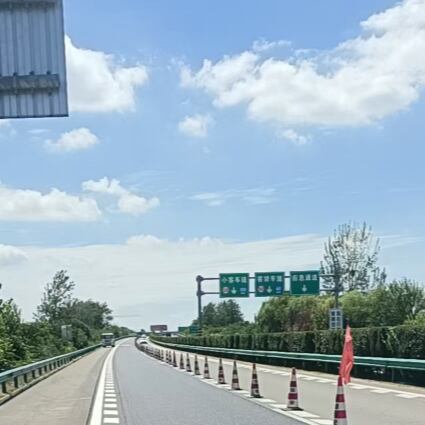
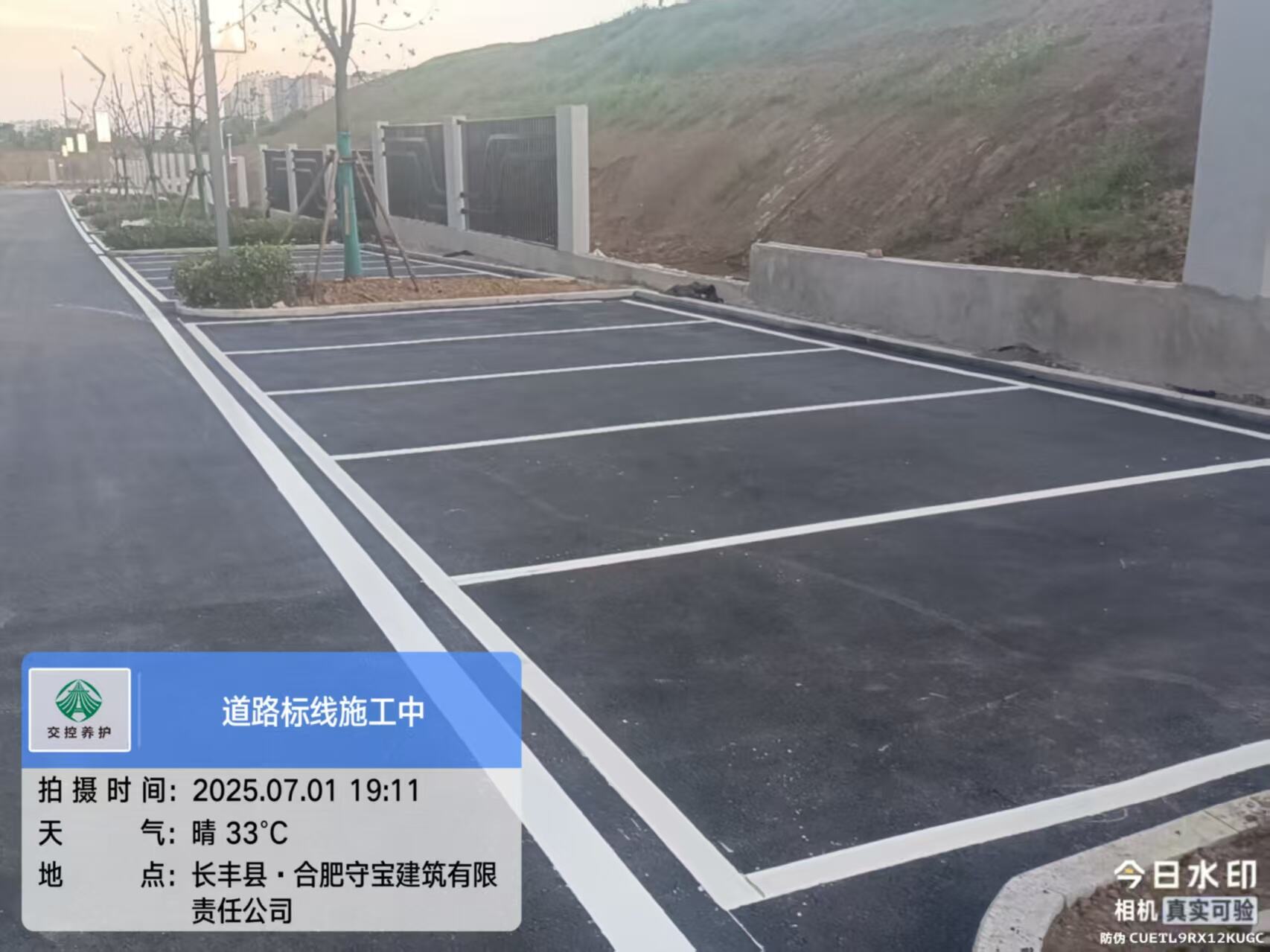
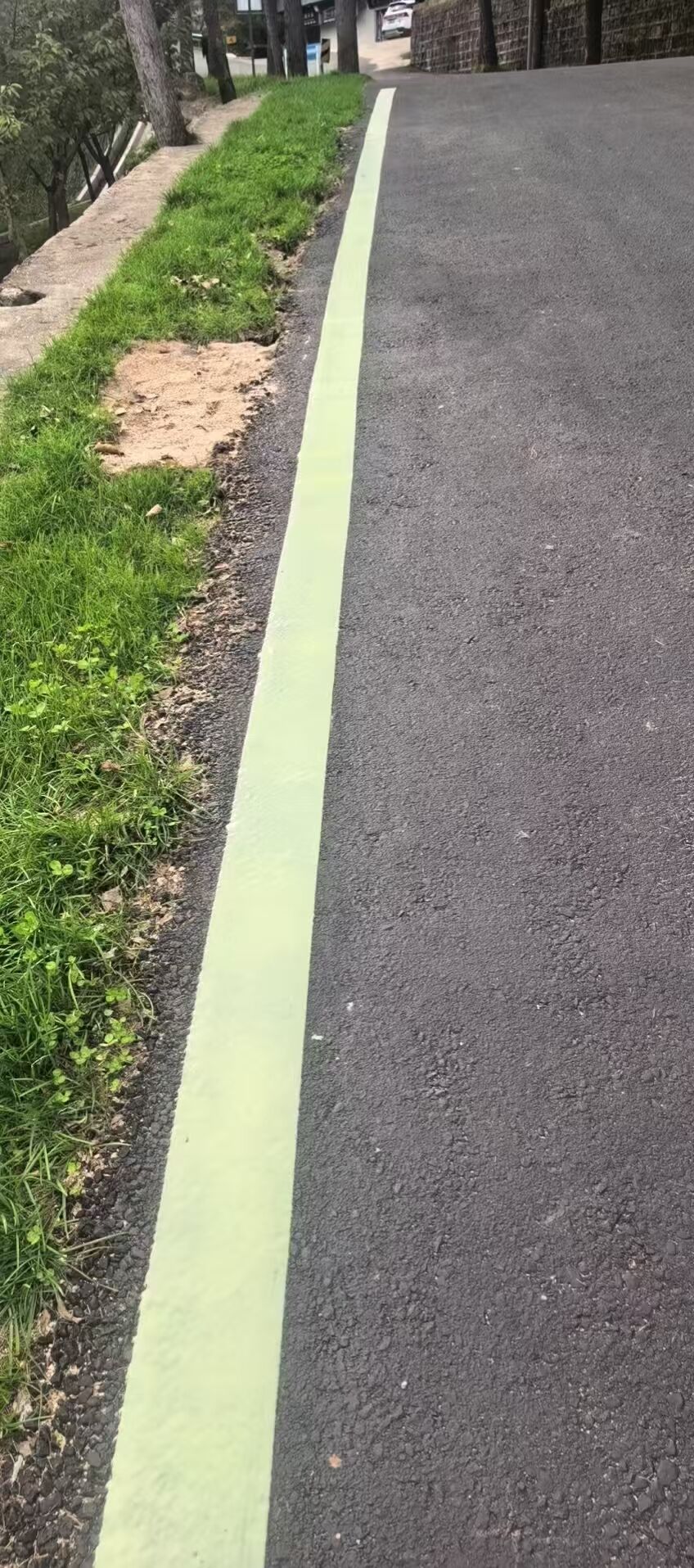
Traffic marking represents a critical component of modern road infrastructure, serving as the visual communication system between roads and their users. This comprehensive safety solution encompasses various types of painted lines, symbols, arrows, and textual information applied directly to road surfaces to guide, inform, and protect drivers, pedestrians, and cyclists. The primary functions of traffic marking include lane designation, directional guidance, hazard identification, speed regulation, and pedestrian crossing delineation. These markings work in conjunction with traffic signs and signals to create a cohesive transportation management system that ensures optimal traffic flow and minimizes accident risks. The technological features of contemporary traffic marking systems have evolved significantly, incorporating advanced materials such as thermoplastic compounds, cold plastic applications, and reflective glass beads that enhance visibility during nighttime and adverse weather conditions. Modern traffic marking materials demonstrate exceptional durability, withstanding heavy vehicle loads, extreme weather fluctuations, and constant exposure to ultraviolet radiation without significant deterioration. The application process utilizes specialized equipment including line striping machines, stenciling systems, and precision spray units that ensure consistent thickness, width, and alignment according to established traffic engineering standards. Applications of traffic marking extend across numerous environments including highways, urban streets, parking facilities, airports, industrial complexes, and recreational areas. Each application requires specific marking configurations tailored to traffic patterns, vehicle types, and safety requirements. The integration of smart technology into traffic marking systems has introduced innovations such as embedded LED strips, solar-powered reflective elements, and temperature-sensitive materials that adapt to changing environmental conditions, representing the future evolution of road safety infrastructure.

New Product Recommendations

Traffic marking delivers substantial cost-effectiveness compared to alternative traffic management solutions, requiring minimal initial investment while providing long-term safety benefits that protect both human lives and property. The installation process proves remarkably efficient, with professional crews completing extensive marking projects within compressed timeframes without disrupting traffic flow significantly. This efficiency translates directly into reduced project costs and minimized inconvenience for road users. The maintenance requirements remain exceptionally low, with quality traffic marking maintaining visibility and effectiveness for multiple years under normal traffic conditions. Property owners and municipalities appreciate the immediate visual improvement that fresh traffic marking brings to their facilities, enhancing overall aesthetic appeal while simultaneously improving functionality. Insurance benefits represent another compelling advantage, as properly marked roadways and parking areas demonstrate proactive safety measures that may result in reduced liability premiums and claims. The versatility of traffic marking accommodates diverse customization needs, from standard lane delineation to complex directional arrows, handicap symbols, fire lanes, and corporate logos. Environmental considerations favor traffic marking solutions, as modern formulations utilize eco-friendly materials that meet stringent environmental regulations without compromising performance characteristics. The rapid implementation capability allows emergency response teams to quickly establish temporary traffic patterns during construction projects, accident scenes, or special events. Visibility enhancement represents perhaps the most significant advantage, with reflective traffic marking elements dramatically improving road safety during nighttime hours and inclement weather conditions. Studies consistently demonstrate that clearly marked roadways experience substantially fewer accidents, traffic violations, and pedestrian incidents compared to unmarked surfaces. The psychological impact on drivers cannot be understated, as visible traffic marking creates confidence and reduces anxiety while navigating unfamiliar routes or complex intersections. Return on investment calculations consistently favor traffic marking implementations, with the prevention of even a single serious accident justifying the entire marking system cost while delivering ongoing safety dividends for years to come.

Practical Tips

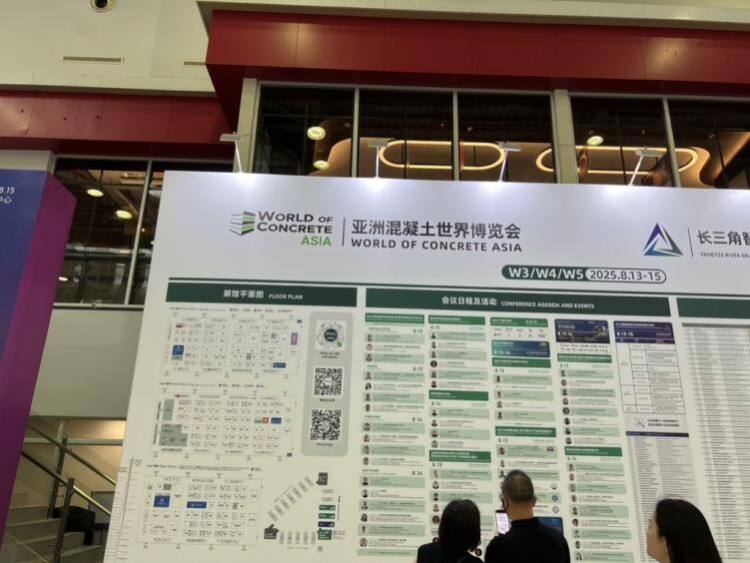
Shandong Huacheng High-Tech Participates in WORLD OF CONCRETE ASIA 2025 in Shanghai

25

Feb

Shandong Huacheng High-Tech Participates in WORLD OF CONCRETE ASIA 2025 in Shanghai

View More
Shandong Huacheng High-Tech Shines at CHINACOAT 2025 Shanghai

25

Feb

Shandong Huacheng High-Tech Shines at CHINACOAT 2025 Shanghai

View More
Huacheng High-Tech Recognized as Provincial Enterprise Technology Center by Shandong Province

27

Feb

Huacheng High-Tech Recognized as Provincial Enterprise Technology Center by Shandong Province

View More

Get a Free Quote

Our representative will contact you soon.
Email
Mobile/WhatsApp
Name
Company Name
Message
0/1000

traffic marking

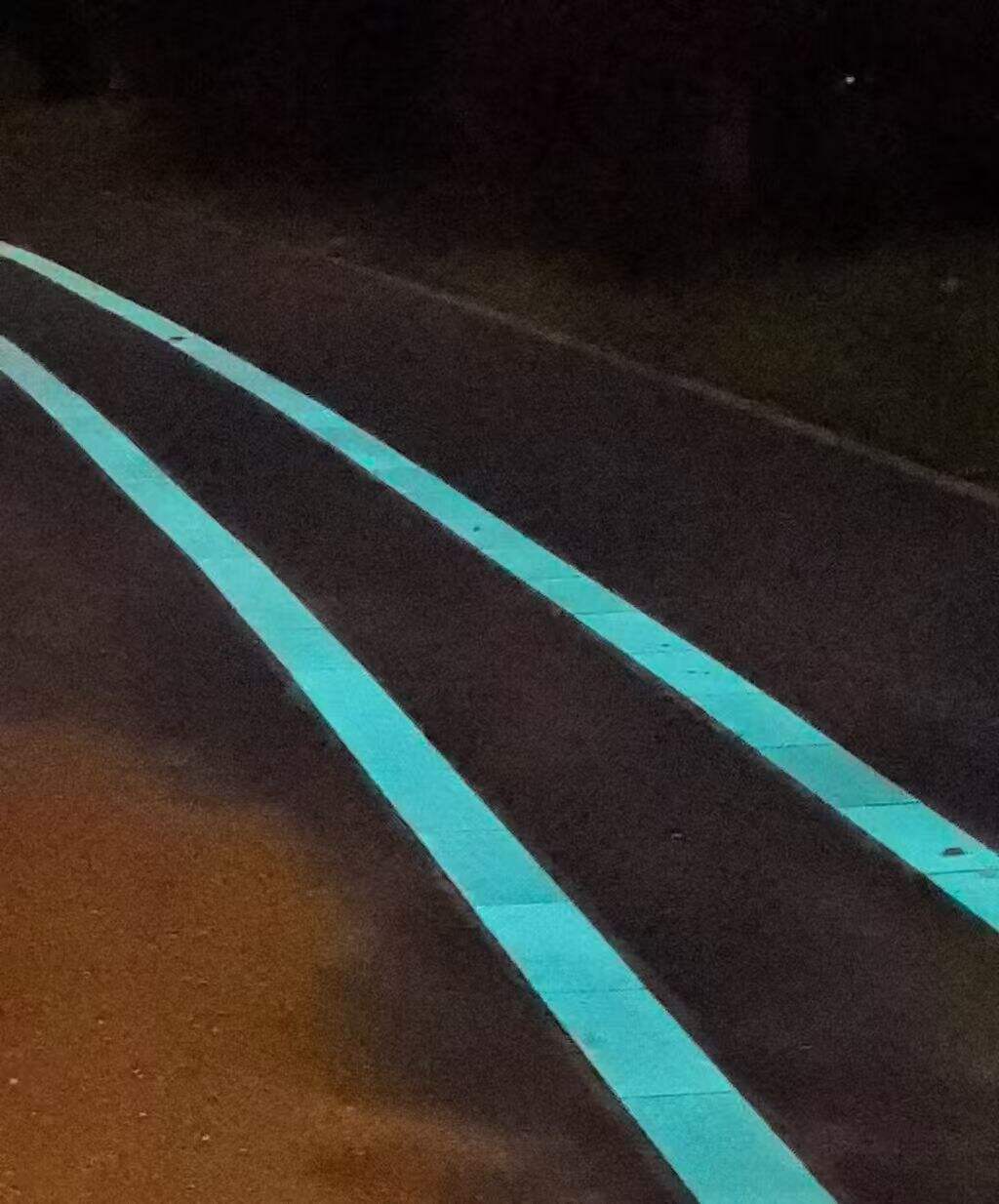
Enhanced Nighttime Visibility and Safety Performance

Enhanced Nighttime Visibility and Safety Performance

Traffic marking systems equipped with high-performance retroreflective technology deliver unparalleled visibility enhancement during nighttime driving conditions, representing a game-changing advancement in road safety infrastructure. The incorporation of premium glass bead materials into traffic marking formulations creates a powerful light-returning mechanism that amplifies vehicle headlight illumination by up to 300 percent compared to non-reflective markings. This dramatic visibility improvement enables drivers to identify lane boundaries, directional indicators, and hazard warnings from significantly greater distances, providing crucial additional reaction time that can prevent accidents and save lives. The retroreflective glass beads undergo specialized manufacturing processes that ensure optimal spherical geometry and refractive index properties, maximizing light return efficiency across various approach angles and weather conditions. During rainfall, when standard markings become nearly invisible, advanced traffic marking systems maintain substantial visibility through wet retroreflection technology that performs effectively even when covered with thin water films. The strategic placement and density of retroreflective elements within traffic marking materials undergoes rigorous engineering calculations to optimize performance while maintaining cost-effectiveness and durability standards. Professional installation techniques ensure proper glass bead embedment depth, preventing premature loss while maintaining long-term retroreflective performance throughout the marking lifecycle. The safety impact extends beyond individual vehicle operators to encompass emergency responders, maintenance crews, and pedestrians who depend on clear visual guidance during low-light conditions. Comprehensive testing protocols verify that retroreflective traffic marking systems maintain minimum visibility standards throughout their service life, ensuring consistent safety performance regardless of traffic volume or environmental exposure. The investment in high-visibility traffic marking technology demonstrates measurable returns through reduced accident rates, lower insurance claims, and decreased liability exposure for property owners and transportation authorities.
Superior Durability and Weather Resistance Capabilities

Superior Durability and Weather Resistance Capabilities

Modern traffic marking formulations incorporate cutting-edge polymer chemistry and advanced material science to deliver exceptional durability performance that withstands the most challenging environmental conditions and heavy traffic loads. The thermoplastic compounds used in premium traffic marking systems demonstrate remarkable resilience against temperature extremes, maintaining flexibility during winter freeze cycles while resisting softening and deformation during summer heat waves that can reach surface temperatures exceeding 150 degrees Fahrenheit. The molecular structure of these advanced materials includes UV stabilizers and antioxidants that prevent degradation from constant solar exposure, ensuring color retention and structural integrity throughout extended service periods. Abrasion resistance represents a critical performance characteristic, with quality traffic marking materials engineered to withstand millions of tire passes from heavy commercial vehicles without significant wear or thickness reduction. The chemical composition includes specialized additives that enhance adhesion to various substrate materials including asphalt, concrete, and metal surfaces, creating permanent bonds that resist delamination under thermal stress and moisture penetration. Weather resistance encompasses protection against acid rain, road salt applications, petroleum spills, and industrial chemicals commonly encountered in transportation environments. The curing process for thermoplastic traffic marking creates cross-linked polymer networks that provide exceptional mechanical strength while maintaining the flexibility necessary to accommodate substrate movement without cracking or chipping. Quality control testing protocols evaluate traffic marking durability through accelerated weathering chambers, abrasion testing equipment, and field performance monitoring that validates long-term performance predictions. The economic benefits of superior durability include extended replacement intervals, reduced maintenance costs, and consistent safety performance that eliminates the need for frequent remarking projects. Property managers and transportation authorities particularly value the predictable lifecycle costs associated with high-durability traffic marking systems, enabling accurate budget planning and resource allocation for infrastructure maintenance programs.
Precision Application Technology and Professional Installation Standards

Precision Application Technology and Professional Installation Standards

The implementation of traffic marking projects relies on sophisticated application equipment and highly trained installation crews who ensure precise placement, consistent dimensions, and optimal material performance according to established engineering specifications and safety standards. Professional line striping machines utilize advanced guidance systems including laser alignment technology and GPS positioning to achieve straight lines, uniform spacing, and accurate dimensional tolerances that meet or exceed regulatory requirements for traffic engineering applications. The material application process involves carefully controlled heating systems that maintain thermoplastic compounds within narrow temperature ranges, ensuring proper flow characteristics and optimal glass bead embedment for maximum retroreflective performance. Specialized spray equipment delivers consistent material thickness across the entire marking width, preventing thin spots that could lead to premature wear or thick areas that waste material and create uneven surfaces. Pre-application surface preparation includes thorough cleaning procedures using mechanical brooms, compressed air systems, and sometimes chemical treatments to remove dirt, debris, and existing marking residues that could interfere with proper adhesion. Professional installation teams undergo extensive training on material handling procedures, equipment operation, and safety protocols to ensure worker protection and optimal project outcomes. Quality assurance measures include real-time thickness monitoring, temperature verification, and immediate visual inspection to identify and correct any application defects before material curing occurs. The coordination of traffic marking installation with ongoing traffic management requires careful planning and execution to minimize disruption while maintaining safety for both workers and motorists throughout the project duration. Post-installation inspection procedures verify dimensional accuracy, retroreflective performance, and overall appearance quality before project completion and warranty activation. Professional installation standards include comprehensive documentation of materials used, environmental conditions, and performance testing results that provide valuable reference information for future maintenance planning and warranty claims processing.

Get a Free Quote

Our representative will contact you soon.
Email
Mobile/WhatsApp
Name
Company Name
Message
0/1000