
 EN
EN
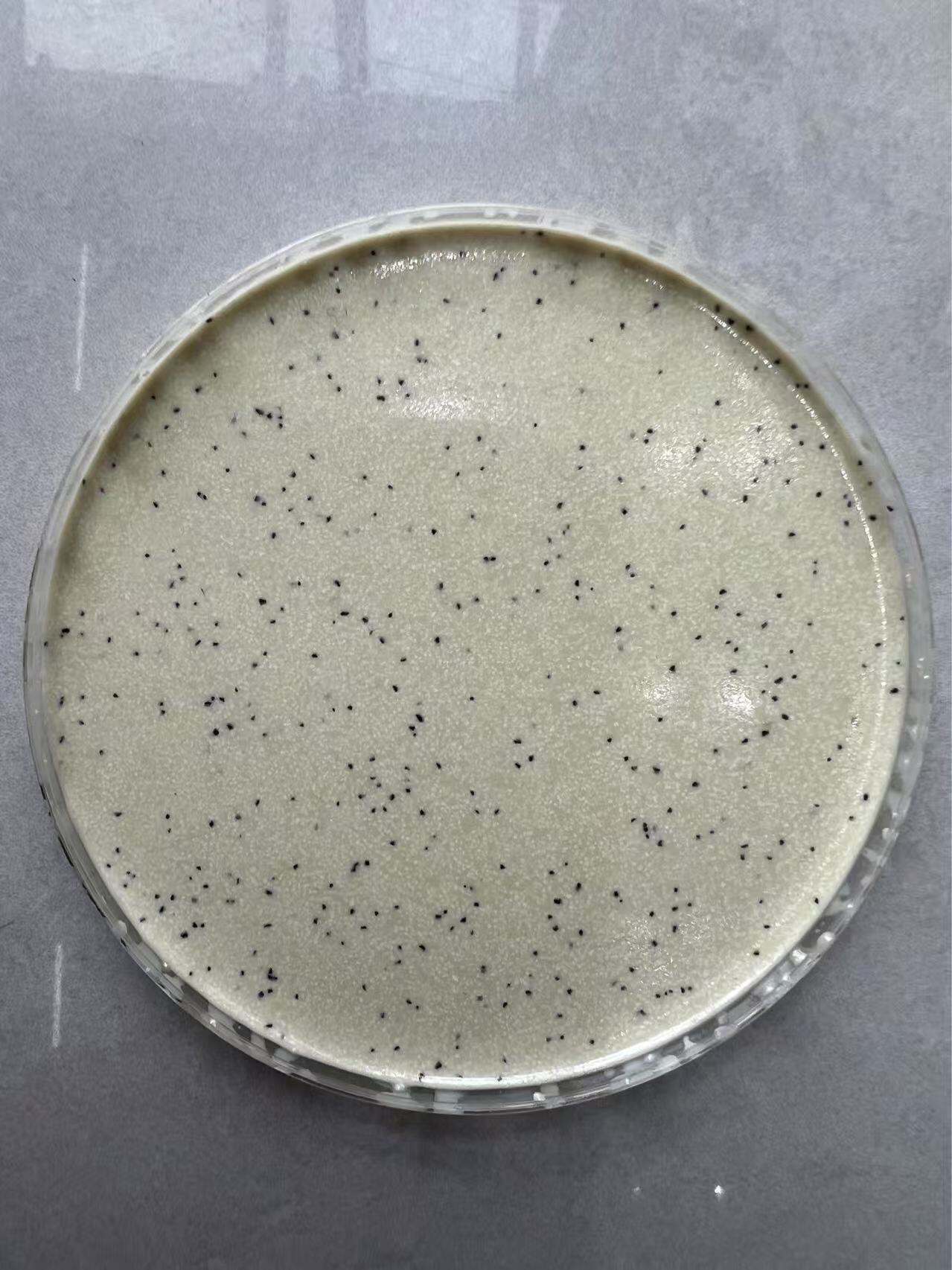
جب بات باہر کے تعمیراتی کام اور سجاوٹی سطحوں کی ہو تو باندھنے والے مواد کا انتخاب یہ طے کر سکتا ہے کہ آیا منصوبہ ایک موسم یا دس سال تک قائم رہے گا۔ پالی یوریتھین چپکنے والی مادہ یہ پیشہ ور افراد اور ٹھیکیداروں کے لیے اب ایک مطلوبہ حل بن چکا ہے جو کھلے ماحول میں طویل مدتی کارکردگی کی ضرورت رکھتے ہیں۔ اس کی منفرد مالیکیولر ساخت اسے وہ خصوصیات عطا کرتی ہے جو زیادہ تر روایتی چپکنے والے مواد بارش، یووی تابکاری، درجہ حرارت میں تبدیلیوں اور مستقل نمی کے مقابلے میں فراہم نہیں کر سکتے۔
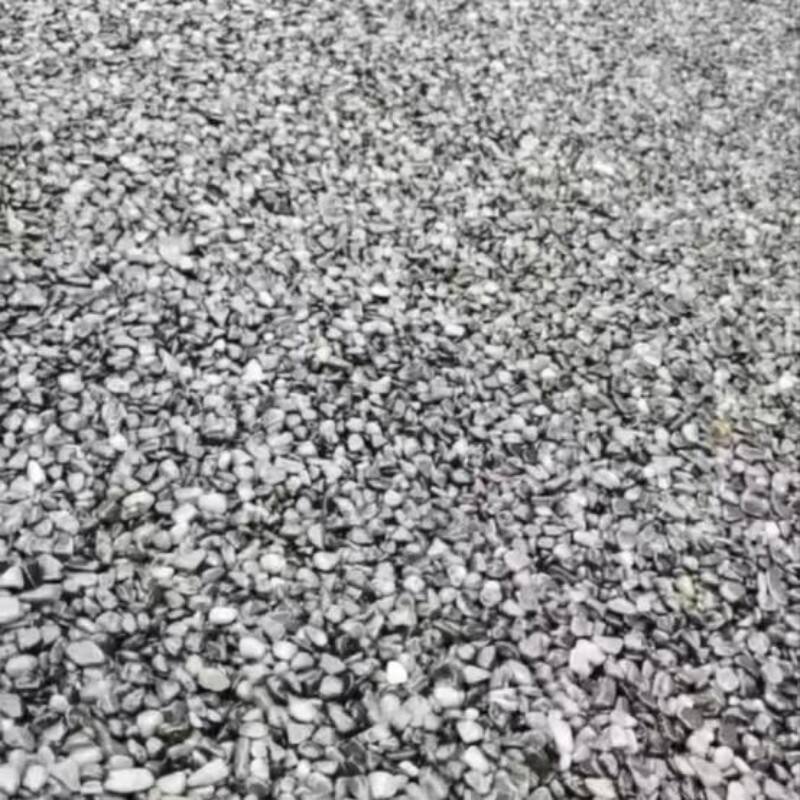
پالی یوریتھین چپکنے والے مادے کی کھلے آسمان کے تحت بہترین کارکردگی کی وجوہات کو سمجھنا، صرف سطحی مارکیٹنگ کے دعوؤں سے آگے بڑھ کر اس کی اصل کیمیا اور میکانی سلوک کا جائزہ لینے کو مطلوب کرتا ہے۔ چھوٹے پتھر والے قالین کی تنصیب سے لے کر سجاوٹی ریزِن بانڈڈ پیویمنگ سسٹمز تک، پالی یوریتھین چپکنے والا مادہ وہ ساختی ریڑھ کی ہڈی ہے جو کھلے آسمان کے تحت باہر کی سطحوں کو حقیقی دنیا کے دباؤ کے تحت اکٹھا رکھتا ہے۔ یہ مضمون ان خاص خصوصیات کا جائزہ لیتا ہے جو اسے موسم کے متحمل اور پانی کے معرضِ خطرہ استعمال کے لیے ترجیحی انتخاب بناتی ہیں۔
پالی یوریتھین چپکنے والے مادے کی موسم کے مقابلے میں مزاحمت کے پیچھے موجود کیمیا
مالیکیولر ساخت کیسے کھلے آسمان کے تحت پائیداری کو ممکن بناتی ہے
پولی یوریتھین کا چِپکنے والا مادہ پولی آئیلز اور آئسو سائینیٹس کے درمیان کیمیائی رد عمل کے ذریعے بنتا ہے، جس سے ایک پالیمر زنجیر تشکیل پاتی ہے جس میں سخت اور لچکدار دونوں قسم کے حصے شامل ہوتے ہیں۔ یہ دو مرحلہ ساخت ہی ہے جو جامد ہونے کے بعد حاصل شدہ چِپکنے والے مادے کو مکینیکل تناؤ کو بغیر دراڑ پیدا کیے جذب کرنے کی قابلیت فراہم کرتی ہے۔ باہر کے ماحول میں جہاں سطحیں درجہ حرارت کی تبدیلی کے ساتھ پھیلتی اور سِکڑتی ہیں، یہ لچک کوئی نعمت نہیں بلکہ ضرورت ہے۔
ایپوکسی یا سیمنٹیشیس بائنڈرز کے برعکس، پولی یوریتھین کا چِپکنے والا مادہ فریز-تھا و سائیکلز کے دوران وقت کے ساتھ سخت اور شکنک نہیں ہوتا۔ پولیمر کا بنیادی ڈھانچہ باہر کے ماحول میں سالوں تک بھی اپنی لچک برقرار رکھتا ہے، جس کا مطلب ہے کہ جڑے ہوئے مواد، پتھر یا سیلنگ کے مواد مضبوطی سے جگہ پر رہتے ہیں بلکہ یلا پڑنا اور الگ ہونا نہیں ہوتا۔ یہ کوئی اہم فائدہ ہے جو کسی بھی انسٹالیشن کے لیے ضروری ہے جو موسمی موسمی تبدیلیوں کو برداشت کرنا ہو۔
کیورنگ کے دوران تشکیل پانے والی کراس لنکڈ نیٹ ورک بھی ایک گھنی، کم نفوذی میٹرکس پیدا کرتی ہے۔ اس کا مطلب ہے کہ پانی، نمک اور دیگر ماحولیاتی آلودگیاں چپکنے والی تہہ میں داخل ہونے اور بانڈ کو خراب کرنے کے لیے بہت زیادہ مشکل ہو جاتی ہیں۔ باہر کے راستوں اور پتھر کے کارپٹ سسٹم کے لیے، یہ براہ راست لمبی خدماتی عمر اور کم رفتاری کے اخراجات کا باعث بنتا ہے۔
یووی استحکام اور آکسیڈیٹو تخریب کے خلاف مزاحمت
باہر کے استعمال کے لیے چپکنے والے مواد کی تخریب کا سب سے عام طریقہ یووی کی وجہ سے تخریب ہے۔ لمبے عرصے تک دھوپ کے تحت رہنے سے بہت سے قسم کے چپکنے والے مواد میں پولیمر کی زنجیریں توڑ دی جاتی ہیں، جس کی وجہ سے زردی، چاکنگ اور بانڈ کی طاقت میں کمی آ جاتی ہے۔ باہر کے استعمال کے لیے تیار کردہ پولی یوریتھین چپکنے والا مادہ میں یووی مستحکم کنندہ اور آکسیڈیٹیو اینٹی آکسیڈنٹس شامل ہوتے ہیں جو اس تخریب کے عمل کو نمایاں طور پر سست کر دیتے ہیں۔
عملی طور پر، اس کا مطلب یہ ہے کہ ریزن بانڈڈ اسٹون پیویمنگ سسٹم میں استعمال ہونے والی پولی یوریتھین چپکنے والی مادہ (ایڈہیسِو) وہاں اپنی ساختی مضبوطی اور ظاہری شکل کو یووی (UV) تحفظ کے بغیر دیگر متبادل اجزاء کے مقابلے میں بہت زیادہ عرصے تک برقرار رکھے گی۔ سطح جامد اور مربوط رہتی ہے، خشک مواد (اگریگیٹ) جڑا رہتا ہے، اور انسٹالیشن کی بصری معیار بھی محفوظ رہتی ہے۔ تجارتی اور رہائشی کھلی جگہوں کے لیے جہاں خوبصورتی اور کارکردگی دونوں اہم ہوتی ہیں، یہ ایک فیصلہ کن عنصر ہے۔
یہ نوٹ کرنا قابلِ ذکر ہے کہ تمام پولی یوریتھین چپکنے والی مادہ (ایڈہیسِو) کی اقسام یووی (UV) کے مقابلے میں ایک جیسا تحفظ فراہم نہیں کرتیں۔ الیفائیٹک پولی یوریتھین کے فارمولیشن عام طور پر رنگ کی مستحکمی اور یووی (UV) کی پائیداری کے لحاظ سے ایرومیٹک فارمولیشنز پر فوقیت رکھتے ہیں۔ کسی بھی کھلی جگہ کے منصوبہ بندی کے عمل میں، منصوبہ کردہ ماحولیاتی عرضہ کے لیے درست فارمولیشن کا انتخاب ایک اہم مرحلہ ہے۔
پانی کے مقابلے میں مزاحمت ایک بنیادی کارکردگی کی خصوصیت
کھلی جگہوں میں بانڈنگ کے اطلاقات میں پانی کے مقابلے میں مزاحمت کیوں اہم ہے
پانی باہر کی سطحوں پر اثر انداز ہونے والی تباہ کن طاقتوں میں سے ایک ہے۔ یہ جوڑوں میں داخل ہوتا ہے، جم جانے کے دوران پھیلتا ہے، ایسے محلول نمک لے جاتا ہے جو بنیادی مواد کو کھاتا ہے، اور حیاتیاتی نمو کو فروغ دیتا ہے جو چپکنے والے رابطوں کو کمزور کرتی ہے۔ ایک بانڈنگ مادہ جو مستقل پانی کے عرض کا مقابلہ نہ کر سکے، وہ ابتدائی طور پر ناکام ہو جائے گا، چاہے انسٹالیشن کا باقی حصہ کتنی ہی بہترین طرح سے انجام دیا گیا ہو۔
پولی یوریتھین چپکنے والا مادہ اس چیلنج کا مقابلہ اپنی ذاتی طور پر ہائیڈروفوبک (پانی سے دور رہنے والی) جامد حالت کے ذریعے کرتا ہے۔ ایک بار مکمل طور پر جامد ہو جانے کے بعد، چپکنے والے مادے کا جال پانی کو دفع کرتا ہے بلکہ اسے جذب نہیں کرتا۔ اس سے سوجن، نرمی اور الگ ہونے جیسی مسائل روکی جاتی ہیں جو پانی کے حساس چپکنے والے مواد کو گیلی باہر کی حالتوں میں متاثر کرتی ہیں۔ پیبل اسٹون کارپیٹ، کرسٹل اسٹون پیویمنگ، اور ریزن بائنڈ ایگریگیٹ سطحوں جیسی درخواستوں کے لیے، یہ پانی کی مزاحمت نظام کی طویل المدت کارکردگی کے لیے بنیادی اہمیت کی حامل ہے۔
امطار کی زیادہ مقدار، ساحلی نمک کے اسپرے، یا پانی کے جیٹ سے باقاعدہ صفائی کے ماحول میں، پالی یوریتھین کا چپکنے والا مواد اپنی چپکنے کی طاقت برقرار رکھتا ہے جبکہ دوسرے مواد تدریجی طور پر کمزور ہو جاتے ہیں۔ یہ قابل اعتمادی مرمت اور تبدیلی کی فریکوئنسی کو کم کرتی ہے، جو سہولیات کے منتظمین اور جائیداد کے مالکان کے لیے ایک اہم آپریشنل فائدہ ہے۔
نمی سے سخت ہونے کی صلاحیت اور اس کے عملی اثرات
کئی پالی یوریتھین چپکنے والے مواد کی تیاریوں کی ایک خاص طور پر مفید خصوصیت یہ ہے کہ وہ نمی کی موجودگی میں سخت ہو سکتے ہیں۔ ان چپکنے والے مواد کے برعکس جن کو مناسب چپکنے کے لیے مکمل طور پر خشک حالات کی ضرورت ہوتی ہے، نمی سے سخت ہونے والے پالی یوریتھین چپکنے والے مواد دراصل سخت ہونے کے ردعمل کے لیے ماحولیاتی نمی کا استعمال کرتے ہیں۔ اس وجہ سے یہ باہر کے انسٹالیشن کے کام کے لیے کافی عملی ہیں، جہاں سبسٹریٹ کی نمی کو کنٹرول کرنا اکثر مشکل یا ناممکن ہوتا ہے۔
یہ نمی کے ذریعہ سخت ہونے کا طریقہ کار اس بات کو یقینی بناتا ہے کہ ٹھیکیدار مختلف موسمی حالات میں کام کر سکتے ہیں، بغیر کہ بانڈ کی معیاری صفائی متاثر ہو۔ اس کا یہ بھی مطلب ہے کہ تھوڑا سا گیلا سب اسٹریٹ — جو باہر کے تعمیراتی کاموں میں عام حقیقت ہے — خود بخود چپکنے والی مادہ کی ناکامی کا باعث نہیں بنتا۔ پولی یوریتھین چپکنے والی مادہ واقعی حالات کے مطابق اپنے آپ کو ڈھال لیتی ہے، بجائے اس کے کہ وہ مکمل طور پر مثالی حالات کی ضرورت رکھے جو حقیقی کام کے مقام پر نادر ہی ملتے ہیں۔
بڑے پیمانے پر تجارتی سڑکوں کی تنصیب یا رہائشی باغات کی تنصیبات کے لیے، اس عملی لچک کا مطلب ہے کہ منصوبوں کے ٹائم لائن تیز ہو جاتے ہیں اور موسم کے سبب تاخیر کے واقعات کم ہو جاتے ہیں۔ حقیقی باہر کے حالات میں تنصیب کا آغاز کرنے کی صلاحیت، بیرونی سطح کی درخواستوں میں پولی یوریتھین چپکنے والی مادہ کے اتنے وسیع پیمانے پر استعمال ہونے کی ایک اہم وجوہات ہے۔
باہر کے تناؤ کے حالات میں مکینیکل کارکردگی
حرارتی حرکت کے تحت لچک اور لمبائی میں اضافہ
باہر کی سطحیں مستقل طور پر حرارتی چکر سے متاثر ہوتی ہیں۔ گرمیوں کے ایک گرم دن میں، ایک سیمنٹ کی سطح کا درجہ حرارت ماحولیاتی ہوا کے درجہ حرارت سے کافی زیادہ ہو سکتا ہے، اور سردیوں کی ایک ٹھنڈی رات میں وہی سطح منجمد ہونے کے درجہ حرارت سے بھی نیچے گر سکتی ہے۔ اس مستقل پھیلنے اور سِکڑنے کے عمل سے چِپکنے والے مادے کے رابطے کی سطح پر تناؤ پیدا ہوتا ہے، اور وہ مواد جو اس حرکت کو برداشت نہیں کر سکتے، دراڑیں پیدا کر کے ناکام ہو جاتے ہیں۔
پولی یوریتھین چپکنے والا مادہ اس حرارتی حرکت کو برداشت کرنے کے لیے تیار کیا گیا ہے، کیونکہ اس کی 'بریک پر لمبائی' (ایلونگیشن اٹ بریک) بہت زیادہ ہوتی ہے — یہ ایک پیمانہ ہے جو ظاہر کرتا ہے کہ مادہ کتنی حد تک کھینچا جا سکتا ہے قبل اس کے ناکام ہونے کے۔ اعلیٰ کارکردگی کے بیرونی پولی یوریتھین چپکنے والے مادوں کی خاص ترکیبات ایسی لمبائی کی قدریں حاصل کر سکتی ہیں جو انہیں بنیادی سطح کے ساتھ لچکدار طریقے سے حرکت کرنے کی اجازت دیتی ہیں، نہ کہ اس کا مقابلہ کرنے کی۔ اس سے مائیکرو دراڑیں روکی جاتی ہیں جو آخرکار پانی کے داخل ہونے اور سخت چپکنے والے نظاموں میں جوڑ کی ناکامی کا باعث بنتی ہیں۔
زینتی پتھر کے کارپیٹ اور کنکر کے راستوں کے نظام کے لیے، جہاں انفرادی جز کے ذرات ایک دوسرے سے اور بنیادی سطح سے جڑے ہوتے ہیں، یہ لچک خاص طور پر اہم ہوتی ہے۔ ہر ذرہ تناؤ کے مرکزی نقطہ کا باعث بن سکتا ہے، اور ایک چپکنے والی مادہ جو اس تناؤ کو تقسیم اور جذب کر سکے، سطح کو اس سے کہیں زیادہ عرصہ تک بحفاظت رکھے گی جو ایسا نہیں کر سکتی۔
مختلف بنیادی سطحوں پر چپکنے کی طاقت
باہر کے منصوبوں میں مختلف قسم کی بنیادی سطحوں کے مواد شامل ہوتے ہیں — جن میں کانکریٹ، ایسفالٹ، لکڑی، دھات اور قدرتی پتھر شامل ہیں۔ پولی یوریتھین چپکنے والی مادہ ان مختلف سطحوں پر مضبوط چپکنے کی صلاحیت کا مظاہرہ کرتا ہے، جس سے مواد کی دریافت آسان ہو جاتی ہے اور ایک ہی منصوبے پر متعدد چپکنے والی مصنوعات کی ضرورت کم ہو جاتی ہے۔
پولی یوریتھین چپکنے والی مادہ کا التصاق کا طریقہ کار خشک سطحوں کے ساتھ مکینیکل انٹر لاکنگ اور ری ایکٹو فنکشنل گروپس کے ذریعے کیمیائی بانڈنگ دونوں پر مشتمل ہوتا ہے۔ یہ دوہرا طریقہ کار ایسے بانڈز پیدا کرتا ہے جو پیل، شیئر اور امپیکٹ کی طاقت کے مقابلے میں مضبوط ہوتے ہیں — جو تمام طرح کے باہر کے ماحول میں موجود ہوتے ہیں جہاں قدموں کا دباؤ، گاڑیوں کا بوجھ اور ماحولیاتی اثرات کا سامنا کرنا پڑتا ہے۔
جب ریزن بائنڈ اسٹون پیوینگ سسٹم میں استعمال کیا جاتا ہے تو، پولی یوریتھین چپکنے والی مادہ جُزِ ترکیبی ذرات کو ایک دوسرے اور بنیادی لیئر سے جوڑتا ہے، جس سے ایک یکجا سطح تشکیل پاتی ہے جو بوجھ کو یکساں طور پر تقسیم کرتی ہے۔ یہ ساختی ہم آہنگی ہی ہے جو ان سطحوں کو ان کی خاص پائیداری اور وقت کے ساتھ گڑھے پڑنے، جگہ سے ہٹنے اور سطحی تباہی کے مقابلے میں مضبوطی عطا کرتی ہے۔
درخواست باہر کے منصوبوں کے لیے غور طلب باتیں
سطح کی تیاری اور درست طریقہ کار کا استعمال
یہاں تک کہ بہترین پولی یوریتھین چپکنے والی مادہ بھی اس صورت میں اپنا بہترین کام نہیں کرے گی اگر اسے غیر مناسب طریقے سے تیار کردہ سطح پر لگایا جائے۔ باہر کے استعمال کے لیے، سطح کی تیاری عام طور پر دھول، تیل اور ڈھیلا مواد کو دور کرنے کے لیے صاف کرنے پر مشتمل ہوتی ہے، اور پھر اس کے بعد پرائم کرنا ہوتا ہے جب سطح خاص طور پر متخلخل یا چمکدار ہو۔ مناسب طریقے سے پرائم کردہ سطح چپکنے والی مادہ اور سبسٹریٹ کے درمیان رابطے کے علاقے کو زیادہ سے زیادہ بناتی ہے، جو براہ راست بانڈ کی طاقت اور پائیداری کو بہتر بناتی ہے۔
درجہ حرارت کا اطلاق دوسرا اہم متغیر ہے۔ زیادہ تر پولی یوریتھین چپکنے والی مادہ کے مصنوعات کا ایک تجویز کردہ درجہ حرارت کا دائرہ کار ہوتا ہے، اور اس دائرہ کار کے باہر کام کرنا پاٹ لائف، سیور کی رفتار اور آخری بانڈ کی معیار کو متاثر کر سکتا ہے۔ سرد موسم میں، چپکنے والی مادہ زیادہ گاڑھی ہو سکتی ہے جس کی وجہ سے اسے یکساں طریقے سے لگانا مشکل ہو جاتا ہے؛ بہت گرم حالات میں، پاٹ لائف اتنا کم ہو سکتا ہے کہ مادہ اس سے پہلے سیور ہونا شروع ہو جاتا ہے جب تک کہ اسے مناسب طریقے سے استعمال نہ کیا جا سکے۔
ان اطلاقی پیرامیٹرز کو سمجھنا اور باہر کے ماحول میں پولی یوریتھین چپکنے والے مادے کے ساتھ کام کرتے وقت انسٹالیشن کا شیڈول مناسب طریقے سے ترتیب دینا، پیشہ ورانہ طریقہ کار کا حصہ ہے۔ تجربہ کار ٹھیکیدار موسمیاتی پیشگوئیوں، سبسٹریٹ کے درجہ حرارت اور نمی کے سطح کو مدنظر رکھتے ہیں تاکہ بہترین اطلاقی حالات اور مستقل نتائج یقینی بنائے جا سکیں۔
سجاؤ کے لیے استعمال ہونے والے جز کے نظام کے ساتھ مطابقت
راتنج باندھے گئے کنکریٹ کے پتھر، کرسٹل اسٹون کارپیٹ اور دھلے ہوئے جز کے سطح جیسی سجاؤ کے لیے استعمال ہونے والی سڑکوں کی درخواستوں میں، پولی یوریتھین چپکنے والے مادے کو سجاؤ کے جز کو ایک قابل گزر، بصیرتی طور پر دلکش لیئر میں مضبوطی سے جوڑنے کے لیے بانڈنگ میٹرکس کے طور پر استعمال کیا جاتا ہے۔ چپکنے والے مادے کو جز کے ساتھ رنگ کی مستحکم طبعیت، کوٹنگ کی موٹائی اور سخت ہونے کے رویے کے لحاظ سے مطابقت رکھنی چاہیے تاکہ اعلیٰ معیار کی مکمل سطح حاصل کی جا سکے۔
پولی یوریتھین کا چپکنے والا مادہ اس کام کے لیے بہت مناسب ہے کیونکہ یہ جزیراتی ذرات کو یکساں طور پر لیپت کرتا ہے، صاف یا ہلکے رنگ کے اختتام تک سخت ہوتا ہے جو پتھر کے قدرتی رنگ کو ڈھکنے سے باز رکھتا ہے، اور اس میں وہ لچک موجود ہوتی ہے جو میٹرکس کے اندر انفرادی ذرات کی حرکت کو برداشت کرنے کے لیے ضروری ہوتی ہے۔ نتیجہ ایک ایسا سطح ہوتا ہے جو ساختی طور پر مضبوط ہو اور بصری طور پر بھی ظریف ہو۔
کمرشل اور رہائشی کھلی جگہوں کے لیے جہاں سطح کی سجاؤ کی معیار اس کی عملی کارکردگی کے برابر اہم ہوتی ہے، پولی یوریتھین کے چپکنے والے مادے کی اعلیٰ درجے کے جزیراتی ذرات کے ساتھ مطابقت اسے قدرتی انتخاب بناتی ہے۔ یہ سطحوں کی تخلیق کو ممکن بناتا ہے جو کھلی جگہوں میں سالوں تک بارش، دھوپ اور مسلسل استعمال کے بعد بھی اپنی شکل اور مضبوطی برقرار رکھتی ہیں۔
فیک کی بات
کیا پولی یوریتھین کا چپکنے والا مادہ بارش کی زیادہ مقدار والے علاقوں میں استعمال کے لیے مناسب ہے؟
جی ہاں، پولی یوریتھین کا چپکنے والا مادہ بارش کی زیادہ مقدار والے ماحول کے لیے بہت مناسب ہے۔ اس کی پانی سے ناپسندیدہ (ہائیڈرو فوبک) جامد حالت پانی کو جذب ہونے سے روکتی ہے، اور اس کی مضبوط چپکنے کی طاقت لمبے عرصے تک گیلی حالت میں بھی برقرار رہتی ہے۔ قابلِ گزر سڑک کے نظام کے لیے، یہ سطح سے پانی کو گزرنے دیتا ہے جبکہ خاکی مجموعہ (ایگریگیٹ میٹرکس) کو باقی رکھتا ہے اور ساختی طور پر مضبوط رکھتا ہے۔
کھلی جگہوں میں استعمال کے لیے پولی یوریتھین کا چپکنے والا مادہ ایپوکسی کے مقابلے میں کیسے کارکردگی دکھاتا ہے؟
کھلی جگہوں میں استعمال کے لیے پولی یوریتھین کا چپکنے والا مادہ عام طور پر ایپوکسی پر فوقیت رکھتا ہے، کیونکہ اس میں بہتر لچک، یووی (UV) کے خلاف مزاحمت اور نمی کے لیے تحمل زیادہ ہوتا ہے۔ ایپوکسی کا مادہ حرارتی چکر اور یووی شعاعوں کے مسلسل اثر کے تحت وقتاً فوقتاً شکن ہو جاتا ہے، جس کی وجہ سے دراڑیں پڑ سکتی ہیں اور چپکنے کی طاقت ختم ہو سکتی ہے۔ وہیں پولی یوریتھین کا چپکنے والا مادہ اُنہی حالات میں اپنی لچک اور چپکنے کی طاقت کو برقرار رکھتا ہے، جس کی وجہ سے یہ باہر کے استعمال کے لیے طویل مدتی استحکام کا بہتر انتخاب ہے۔
کیا پولی یوریتھین کا چپکنے والا مادہ سرد موسم کی حالتوں میں لگایا جا سکتا ہے؟
پولی یوریتھین کا چپکنے والا مادہ درمیانہ سرد حالات میں لگایا جا سکتا ہے، اگرچہ اس کی کارکردگی فارمولیشن کے لحاظ سے مختلف ہوتی ہے۔ زیادہ تر مصنوعات کا ایک کم از کم استعمال کا درجہ حرارت ہوتا ہے، جو عام طور پر تقریباً 5°C سے 10°C کے درمیان ہوتا ہے، جس سے نیچے سخت ہونے کا عمل کافی سست ہو جاتا ہے اور بانڈ کی معیاری صلاحیت متاثر ہو سکتی ہے۔ کچھ سرد موسم کے لیے خاص طور پر تیار کردہ فارمولیشنز کم درجہ حرارت کے استعمال کے لیے دستیاب ہیں۔ ہمیشہ مصنوعات کی فنی ڈیٹا شیٹ کا مطالعہ کریں تاکہ مینوفیکچرر کی طرف سے تجویز کردہ مخصوص درجہ حرارت کی حد کو جان سکیں۔
پولی یوریتھین کا چپکنے والا مادہ کھلے آسمان کے ماحول میں کتنے عرصے تک قائم رہتا ہے؟
اگر پولی یوریتھین کے چپکنے والے مادے کو درست طریقے سے مخصوص کیا جائے، مناسب طریقے سے استعمال کیا جائے اور اسے مناسب نظام میں استعمال کیا جائے تو یہ باہر کے ماحول میں دہائیوں تک کام کرنے کی صلاحیت رکھتا ہے۔ عمر طویل رکھنے کو متاثر کرنے والے عوامل میں یووی (UV) کی تابکاری کی شدت، ٹریفک کا بوجھ، بنیادی سطح کی معیار، اور انسٹالیشن کے وقت سطح کی تیاری کا معیار شامل ہیں۔ اچھی طرح سے ڈیزائن کردہ سڑک کی سطح کے نظام میں استعمال ہونے والے اعلیٰ معیار کے باہر کے درجے کے پولی یوریتھین چپکنے والے مادوں کے فارمولیشن عام طور پر 10 سے 20 سال یا اس سے زیادہ عرصے تک قابل اعتماد کارکردگی فراہم کرتے ہیں۔
موضوعات کی فہرست
- پالی یوریتھین چپکنے والے مادے کی موسم کے مقابلے میں مزاحمت کے پیچھے موجود کیمیا
- پانی کے مقابلے میں مزاحمت ایک بنیادی کارکردگی کی خصوصیت
- باہر کے تناؤ کے حالات میں مکینیکل کارکردگی
- درخواست باہر کے منصوبوں کے لیے غور طلب باتیں
-
فیک کی بات
- کیا پولی یوریتھین کا چپکنے والا مادہ بارش کی زیادہ مقدار والے علاقوں میں استعمال کے لیے مناسب ہے؟
- کھلی جگہوں میں استعمال کے لیے پولی یوریتھین کا چپکنے والا مادہ ایپوکسی کے مقابلے میں کیسے کارکردگی دکھاتا ہے؟
- کیا پولی یوریتھین کا چپکنے والا مادہ سرد موسم کی حالتوں میں لگایا جا سکتا ہے؟
- پولی یوریتھین کا چپکنے والا مادہ کھلے آسمان کے ماحول میں کتنے عرصے تک قائم رہتا ہے؟