
 EN
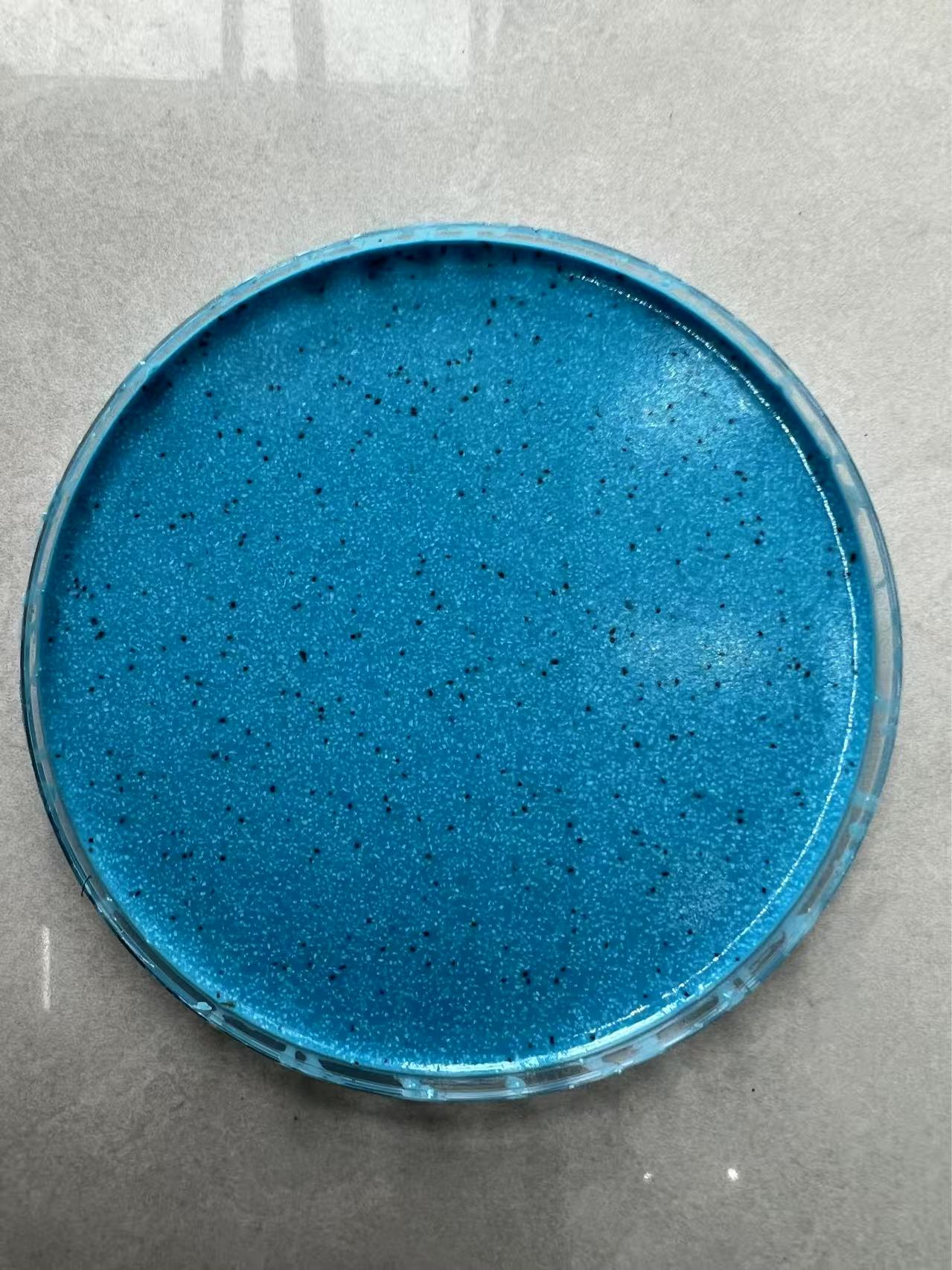
The question of whether a self leveling floor can truly eliminate the need for carpet or tile has become increasingly relevant in modern commercial, industrial, and high-end residential spaces. A self leveling floor offers a revolutionary approach to flooring design, combining aesthetic appeal with functional durability. Unlike traditional carpet or tile installations, a self leveling floor provides a continuous, seamless surface that accommodates custom color pigments, creating unlimited design possibilities while delivering superior performance characteristics.
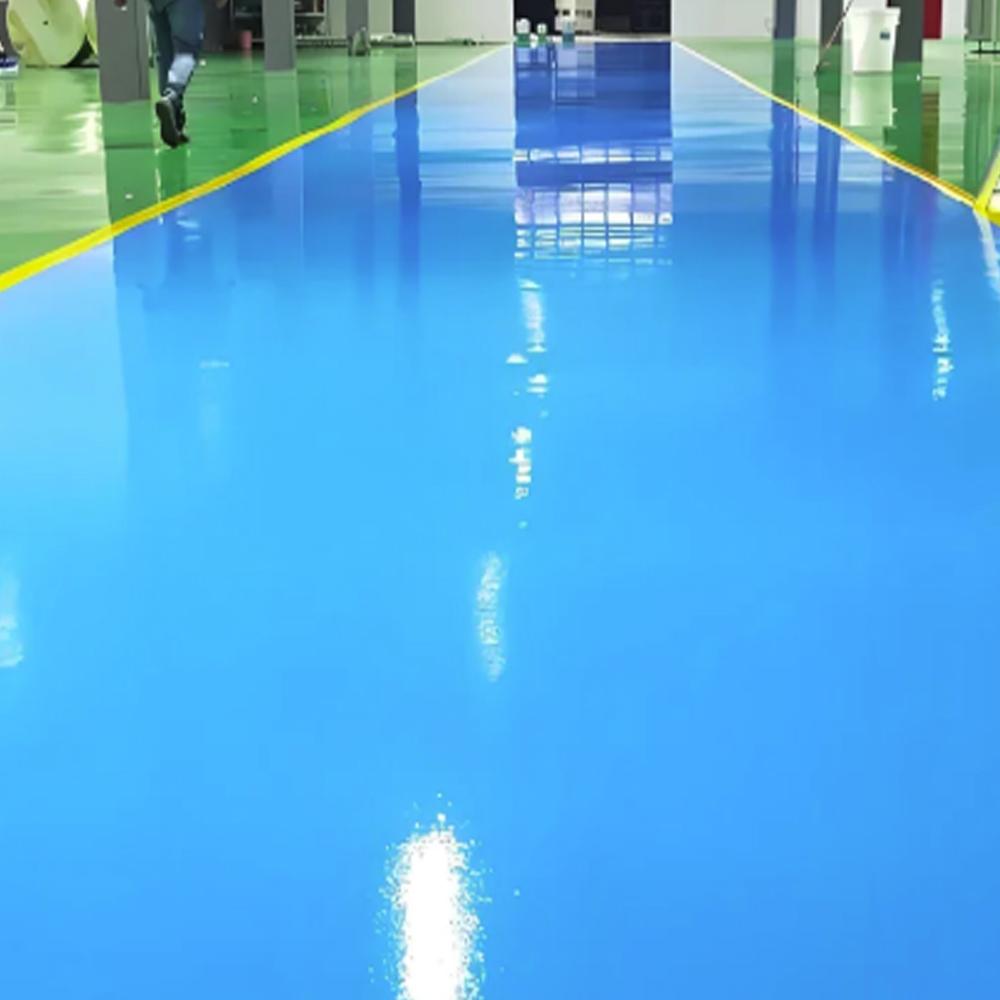
When evaluating flooring options, facility managers and designers must consider installation efficiency, long-term maintenance requirements, aesthetic flexibility, and total cost of ownership. A self leveling floor with color pigments represents a paradigm shift in how spaces are finished, offering advantages that traditional materials often cannot match. This comprehensive analysis explores whether a self leveling floor truly eliminates the need for carpet and tile, examining its technical capabilities, practical benefits, and real-world applications across diverse industry sectors.
Understanding Self Leveling Floor Technology and Design Capabilities
What Makes a Self Leveling Floor Unique
A self leveling floor is engineered to flow and conform to substrate irregularities, creating a perfectly flat, monolithic surface without visible seams or joints. Unlike traditional flooring materials that rely on grout lines or visible transitions, a self leveling floor integrates seamlessly into any space. The chemistry behind a self leveling floor allows it to self-heal minor surface imperfections during the curing process, eliminating the need for additional finishing work. This inherent characteristic distinguishes a self leveling floor from tile, which requires precise grout line maintenance, or carpet, which cannot adapt to uneven subfloors without visible undulations.
Color Pigment Integration in Self Leveling Floor Systems
Color pigments transform a self leveling floor from a purely functional surface into a design statement. Modern epoxy and polyurethane formulations allow pigment integration throughout the entire depth of a self leveling floor, creating vibrant, consistent coloration that resists fading and discoloration. A self leveling floor with sophisticated pigment blending can replicate natural stone patterns, corporate branding colors, or custom aesthetic requirements that would be cost-prohibitive to achieve with tile. The pigment durability in a self leveling floor far exceeds painted surfaces, as the color is chemically bonded rather than simply applied topically.
Performance Advantages of Self Leveling Floor Over Carpet and Tile
Durability and Longevity of Self Leveling Floor Systems
A self leveling floor exhibits exceptional durability characteristics that exceed both carpet and tile in high-traffic environments. The monolithic nature of a self leveling floor eliminates weak points where traditional flooring materials typically fail, such as grout lines in tile or seam edges in carpet. Industrial facilities, manufacturing plants, and commercial kitchens have documented self leveling floor lifespans exceeding twenty years with minimal maintenance, while standard tile grout requires frequent resealing and carpet replacement typically occurs every five to eight years. The chemical resistance of a self leveling floor makes it ideal for spaces exposed to oils, chemicals, or moisture, where carpet would deteriorate and tile grout would become compromised.
Maintenance Simplification Through Self Leveling Floor Design
Facility maintenance teams consistently report significant time and cost reductions after transitioning to a self leveling floor. Carpet requires regular vacuuming, shampooing, stain removal, and eventual replacement, creating ongoing operational expenses. Tile demands grout scrubbing, sealant reapplication, and individual tile replacement when damage occurs. By contrast, a self leveling floor requires only routine sweeping and occasional damp mopping, with no specialized cleaning equipment or chemical treatments necessary. The seamless nature of a self leveling floor eliminates the harboring of bacteria, allergens, and dust that accumulate in carpet pile or tile grout joints, making it an ideal choice for healthcare facilities, laboratories, and food processing environments where hygiene is paramount.
Application Scenarios Where Self Leveling Floor Outperforms Traditional Options
Commercial and Industrial Facility Installations
Manufacturing facilities, warehouses, and distribution centers increasingly specify a self leveling floor because of its ability to withstand heavy equipment loads, chemical spills, and aggressive cleaning protocols. A self leveling floor accommodates forklift traffic, impact loads, and abrasion that would damage tile or destroy carpet fibers. Pharmaceutical manufacturing, automotive service centers, and food production facilities have adopted a self leveling floor as the standard specification because regulatory requirements demand hygienic, easily sanitized surfaces. The investment in a self leveling floor installation represents a strategic commitment to operational efficiency, worker safety, and regulatory compliance that traditional flooring cannot provide.
High-End Residential and Luxury Design Applications
Luxury residences and boutique hospitality projects leverage a self leveling floor to create distinctive interior environments that reflect sophisticated design intent. Custom color blending allows a self leveling floor to complement architectural features, artwork displays, and furniture arrangements with unprecedented flexibility. A self leveling floor transitions seamlessly between different spaces without the visual interruption of grout lines or carpet seams, creating an expansive, unified aesthetic that enhances perceived space and luxury. High-net-worth property owners recognize that a self leveling floor increases asset value while reducing long-term maintenance burden compared to marble tile installations or premium carpet selections.
Technical Considerations and Practical Limitations
Installation Requirements and Substrate Preparation
While a self leveling floor offers significant advantages, successful installation demands proper substrate preparation and environmental controls that differ from tile or carpet installation protocols. A self leveling floor requires clean, dry substrates free of contaminants, and humidity and temperature conditions must fall within precise ranges during the curing process. The initial installation cost for a self leveling floor may exceed tile pricing per square foot, though the extended service life and reduced maintenance often justify the higher initial investment through lifecycle cost analysis. Professional application of a self leveling floor requires specialized equipment and trained technicians, ensuring that the final surface meets performance specifications and aesthetic expectations.
Design Flexibility and Customization Potential
A self leveling floor supports virtually unlimited color combinations, aggregate inclusion options, and surface finishes that accommodate any design vision. Matte, satin, and high-gloss finishes are achievable with a self leveling floor, allowing designers to specify surfaces that range from understated elegance to dramatic visual impact. A self leveling floor can incorporate decorative elements such as metallic pigments, colored glass, or natural stone aggregates, creating surfaces that cannot be replicated with standard tile or carpet offerings. The ability to modify a self leveling floor design at the point of installation, rather than committing to fixed tile patterns or carpet selections months in advance, provides architects and designers with unprecedented creative control.
FAQ
Does a self leveling floor completely eliminate the need for carpet and tile in all applications?
A self leveling floor effectively replaces carpet and tile in the majority of commercial, industrial, and residential applications. However, specific scenarios such as certain residential bedrooms where carpet warmth and acoustic properties are desired, or specialized applications requiring specific slip resistance values, may still benefit from traditional materials. The decision ultimately depends on performance requirements, aesthetic objectives, maintenance capabilities, and long-term facility planning. Most modern facility design now prioritizes self leveling floor specifications over traditional options when functional and aesthetic requirements can be satisfied.
What is the typical lifespan of a self leveling floor compared to carpet and tile?
A self leveling floor typically provides fifteen to twenty-five years of reliable service in standard commercial environments, with some installations exceeding thirty years in well-maintained facilities. This lifespan significantly exceeds carpet, which typically lasts five to eight years before requiring replacement, and substantially outlasts tile installations when grout deterioration and individual tile replacement are factored into long-term performance analysis. The superior longevity of a self leveling floor directly reduces replacement cycles and associated facility downtime, making it a more economical choice over extended ownership periods.
Can a self leveling floor accommodate moisture-prone environments like bathrooms or basements?
Modern formulations of a self leveling floor, particularly epoxy and polyurethane systems, provide excellent moisture resistance and can be specified for bathrooms, basements, and other moisture-sensitive spaces. Proper substrate moisture barriers and sealing protocols ensure that a self leveling floor performs reliably in humid environments where carpet would develop mildew and tile grout would deteriorate. The seamless nature of a self leveling floor actually provides superior moisture protection compared to traditional materials, as water cannot penetrate through grout joints or accumulate beneath flooring layers.