
 EN
Selecting the appropriate thickness for a self leveling floor is one of the most critical decisions in any flooring project, whether residential or commercial. The thickness directly impacts durability, cost, aesthetic appeal, and long-term performance of the surface. Many property owners and contractors underestimate how significantly thickness affects the final outcome, leading to premature failures, inadequate wear resistance, or unnecessary overspending. Understanding the factors that drive thickness selection ensures your self leveling floor investment delivers reliable protection and maintains its appearance for years to come.
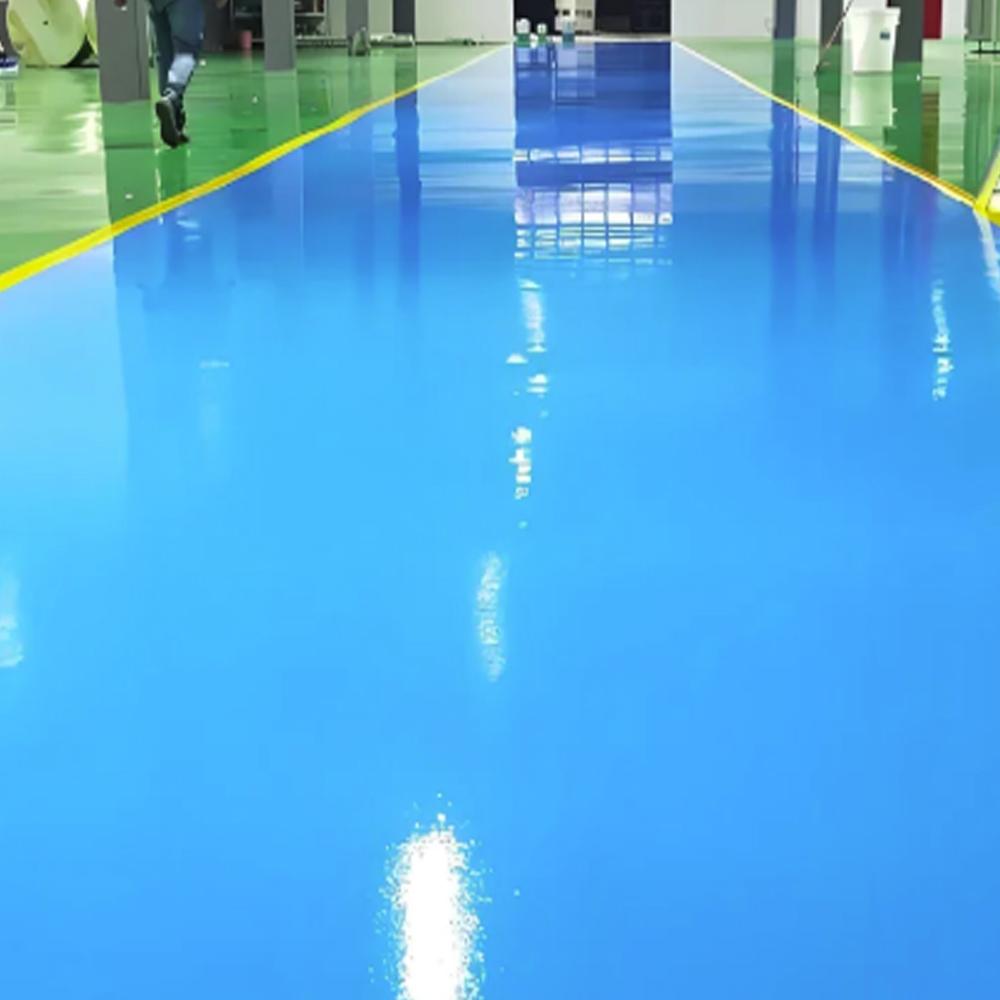
A self leveling floor is an advanced coating system that flows smoothly across any surface irregularities, creating a seamless, level finish without visible joints or seams. This technology has revolutionized industrial, commercial, and high-end residential flooring applications. The key advantage is that a self leveling floor accommodates existing substrate imperfections while providing superior performance characteristics. Thickness specifications for a self leveling floor typically range from 2mm to 6mm or more, depending on the application demands, traffic patterns, and substrate condition.
Understanding Substrate Conditions and Thickness Requirements
Assessing Your Existing Surface
Before determining the appropriate thickness for your self leveling floor, evaluate the current substrate thoroughly. Concrete slabs with minor cracks, small voids, or surface irregularities require adequate self leveling floor coverage to ensure complete protection and leveling. A self leveling floor that is too thin may not adequately cover defects or provide the necessary protective barrier. Conversely, applying unnecessary thickness wastes material and increases costs without proportional benefit. The substrate condition directly dictates the minimum self leveling floor thickness needed to achieve both functional protection and aesthetic excellence.
Environmental Moisture and Chemical Exposure
Moisture vapor transmission and chemical exposure significantly influence self leveling floor thickness decisions. Environments with high humidity, water ingress risk, or chemical spillage require thicker self leveling floor coatings to provide adequate barrier protection. Industrial facilities, food processing plants, and pharmaceutical manufacturing areas demand robust self leveling floor systems with greater thickness. For residential applications with controlled indoor environments, a thinner self leveling floor may suffice. The thickness of your self leveling floor should correlate directly with environmental hazards and expected exposure levels.
Traffic Patterns and Wear Resistance Specifications
Light, Medium, and Heavy Duty Classifications
Traffic intensity fundamentally shapes self leveling floor thickness requirements across different applications. Light-duty residential areas, such as bedrooms or low-traffic hallways, may require only 2mm to 3mm of self leveling floor coverage. Medium-duty commercial spaces including offices, retail areas, and hospitality venues typically need 3mm to 4mm of self leveling floor thickness for reliable wear resistance. Heavy-duty industrial environments, warehouses, manufacturing facilities, and high-traffic retail zones demand thicker self leveling floor systems ranging from 5mm to 6mm or beyond. Matching self leveling floor thickness to expected traffic patterns prevents premature wear, maintains aesthetic integrity, and maximizes return on investment.
Foot Traffic Versus Vehicular Load
The distinction between pedestrian traffic and vehicular or mechanical load dramatically affects self leveling floor thickness specifications. Pedestrian-only environments tolerate thinner self leveling floor applications safely. However, spaces experiencing forklift traffic, rolling equipment, or heavy machinery require substantially thicker self leveling floor coatings to resist impact damage and abrasion. Automotive facilities, distribution centers, and manufacturing plants with equipment movement need 6mm or thicker self leveling floor systems. Accurately characterizing your facility's traffic type ensures self leveling floor thickness provides appropriate protective capability without overengineering or under-specification.
Cost Implications and Application Method Considerations
Budget Allocation and Value Engineering
Thickness directly correlates with material cost in self leveling floor projects, making budget allocation a practical consideration in design decisions. A thicker self leveling floor naturally requires more material per square foot, increasing per-unit costs. However, the relationship between thickness and durability is not linear; incrementally increasing self leveling floor thickness often yields disproportionate durability improvements. Strategic self leveling floor thickness selection balances upfront investment against expected service life and maintenance requirements. Commercial and residential property managers should evaluate total cost of ownership rather than solely minimizing initial material expenses when choosing self leveling floor specifications.
Installation Techniques and Surface Preparation
The application method influences optimal self leveling floor thickness selection. Professional application of a self leveling floor requires proper substrate preparation, adequate curing time, and environmental controls. Thicker self leveling floor systems may require extended curing periods, affecting project timelines. Proper surface preparation—including cleaning, repair of defects, and primer application—reduces the minimum self leveling floor thickness needed for acceptable performance. Contractors experienced with self leveling floor installation can recommend thickness values optimized for your specific facility conditions, materials, and environmental factors. The relationship between preparation quality and required self leveling floor thickness is inverse: better preparation often allows thinner, more economical specifications.
Residential Versus Commercial Application Differences
Residential Self Leveling Floor Guidelines
Residential applications typically feature controlled environments, predictable traffic patterns, and lower contamination exposure compared to commercial and industrial settings. A self leveling floor in residential kitchens, bathrooms, or living spaces generally requires 2mm to 3.5mm thickness to provide durability and aesthetic appeal. High-end residential projects with premium finishes and elevated expectations may specify 4mm self leveling floor systems. Residential self leveling floor selections prioritize appearance consistency, ease of maintenance, and comfort underfoot alongside protective durability. The relatively lower traffic intensity in residential properties allows more economical self leveling floor specifications without compromising long-term performance.
Commercial Self Leveling Floor Requirements
Commercial facilities demand more robust self leveling floor systems due to higher traffic volumes, diverse contaminants, and operational demands. Retail environments benefit from 3.5mm to 5mm self leveling floor thickness to withstand customer foot traffic and rolling equipment. Office complexes and corporate spaces typically implement 3mm to 4mm self leveling floor systems balancing durability with acoustic and aesthetic characteristics. Healthcare facilities, laboratories, and food service areas require self leveling floor thickness of 4mm to 6mm to provide superior chemical resistance and washdown capability. Commercial self leveling floor decisions must account for maintenance accessibility, downtime minimization, and code compliance requirements that exceed residential specifications.
Frequently Asked Questions
What thickness should I choose for a self leveling floor in a warehouse?
Warehouse environments typically require 5mm to 6mm self leveling floor thickness to withstand constant forklift traffic, equipment movement, and potential impact damage. The combination of heavy vehicular loads and abrasive materials justifies thicker self leveling floor specifications. Professional warehouse operators often specify premium self leveling floor systems at maximum recommended thicknesses to maximize service life and minimize maintenance disruption. Consult with flooring specialists to assess your specific warehouse conditions and equipment type when finalizing self leveling floor thickness.
Can I use a thinner self leveling floor to reduce costs?
While thinner self leveling floor systems reduce material costs initially, they may not provide adequate durability for your specific application, leading to premature failure, increased maintenance expenses, and safety risks. Attempting excessive cost reduction through self leveling floor under-specification often results in worse financial outcomes due to early replacement costs and operational disruptions. The relationship between self leveling floor thickness and total cost of ownership is complex; the cheapest option upfront is rarely the most economical over time. Work with experienced installers to identify the minimum self leveling floor thickness that safely meets your facility requirements.
How does self leveling floor thickness affect curing time?
Thicker self leveling floor applications generally require longer curing periods before the surface reaches full strength and can tolerate traffic. Thin self leveling floor coatings of 2mm to 3mm typically cure fully within 24 to 48 hours under standard conditions. Thicker self leveling floor systems of 5mm to 6mm may require 72 hours or more for complete curing, depending on environmental temperature, humidity, and ventilation. Extended self leveling floor curing times impact project schedules and facility downtime, making curing time an important consideration alongside thickness specification.