
 EN
EN
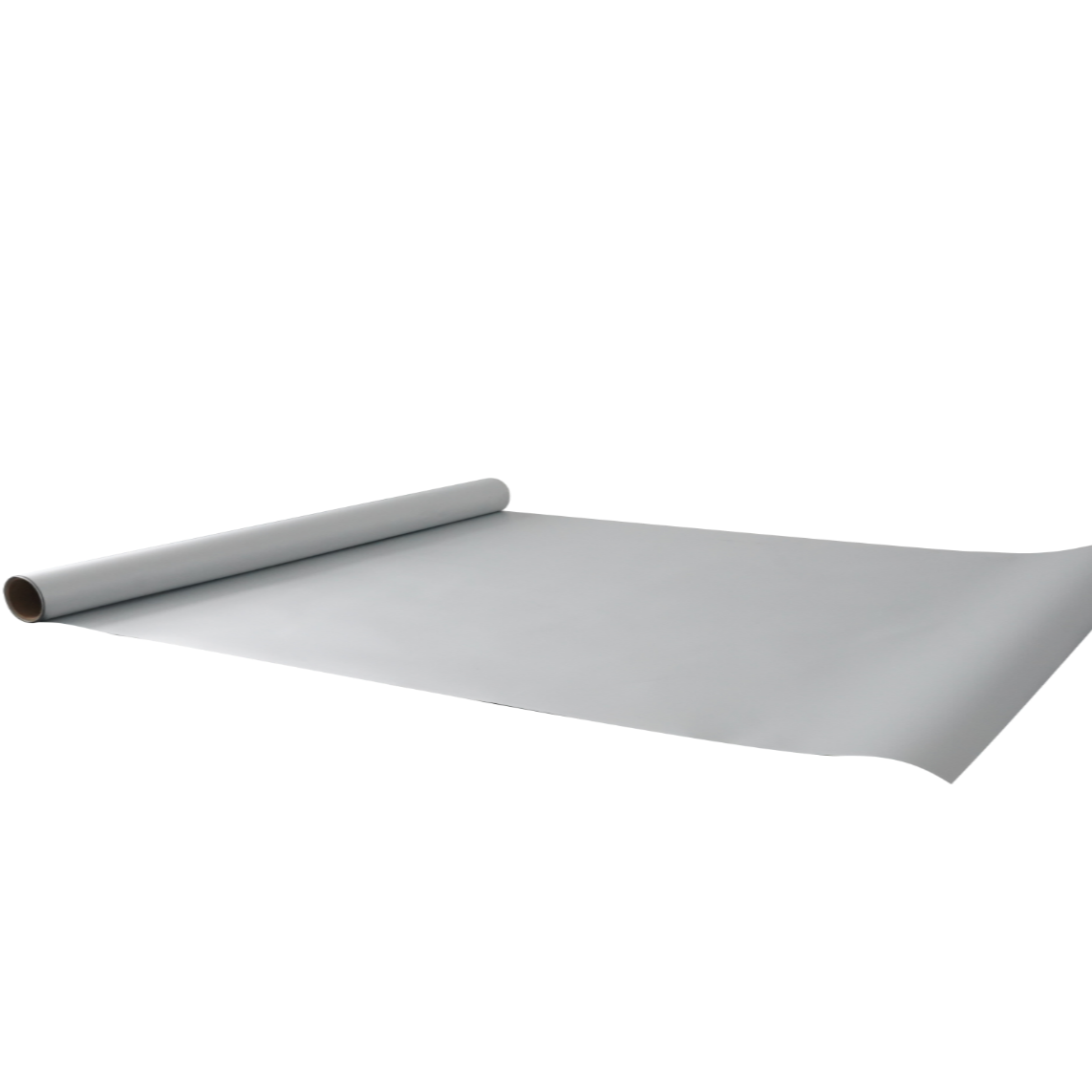
The increasing demand for energy-efficient cooling solutions has led to innovative technologies that harness natural phenomena for thermal management. Radiative cooling films represent a breakthrough in passive cooling technology, offering substantial benefits for electronic enclosures and outdoor equipment applications. These advanced materials exploit the atmospheric transparency window to emit heat directly to outer space, providing continuous cooling without requiring external energy input. As industries seek sustainable alternatives to conventional cooling methods, radiative cooling films emerge as a viable solution that addresses both environmental concerns and operational efficiency requirements.
Electronic enclosures face significant thermal challenges due to the concentrated heat generation from internal components. Traditional cooling methods often rely on active systems that consume considerable energy and require maintenance. The integration of radiative cooling films presents an opportunity to enhance thermal performance while reducing energy consumption. These films work continuously during both day and night cycles, providing consistent temperature regulation that protects sensitive electronic equipment from thermal stress and potential failure.
Understanding the Science Behind Radiative Cooling Technology
Fundamental Principles of Radiative Heat Transfer
Radiative cooling films operate based on the fundamental principle of thermal radiation, where objects emit electromagnetic radiation as a function of their temperature. The Earth's atmosphere exhibits a transparency window in the 8-13 micrometer wavelength range, allowing thermal radiation to escape directly to outer space at approximately 3 Kelvin. This natural phenomenon enables objects on Earth's surface to achieve temperatures below ambient air temperature through direct radiative heat loss to the cold universe. The effectiveness of this process depends on the material's emissivity characteristics within the atmospheric transparency window.
The spectral properties of radiative cooling films are carefully engineered to maximize emissivity in the atmospheric window while minimizing solar absorption. Advanced materials science techniques create multilayer structures that selectively emit thermal radiation while reflecting solar radiation. This selective behavior ensures that the films can achieve sub-ambient cooling even under direct sunlight conditions. The cooling power of these films typically ranges from 40 to 100 watts per square meter under clear sky conditions, depending on atmospheric humidity and ambient temperature.
Material Engineering and Structural Design
Modern radiative cooling films incorporate sophisticated material architectures that optimize their thermal performance. Metamaterial structures with precisely designed geometries create the desired spectral response by manipulating electromagnetic wave propagation. Photonic crystal designs and plasmonic nanostructures contribute to the selective emissivity characteristics essential for effective radiative cooling. The development of these materials requires advanced computational modeling to predict and optimize their optical and thermal properties.
Manufacturing processes for radiative cooling films have evolved to enable large-scale production while maintaining material performance standards. Roll-to-roll processing techniques allow for cost-effective fabrication of flexible films suitable for various applications. Quality control measures ensure consistent optical properties across large surface areas, which is critical for achieving uniform cooling performance. The scalability of production methods makes radiative cooling films increasingly viable for commercial and industrial applications.
Applications in Electronic Enclosure Cooling
Thermal Management Challenges in Electronics
Electronic enclosures housing sensitive components face mounting thermal management challenges as device power densities continue to increase. Heat accumulation within enclosures can lead to component degradation, reduced performance, and premature failure. Traditional cooling approaches often involve active ventilation systems, heat sinks, and refrigeration units that consume significant electrical power. The integration of radiative cooling films offers a passive solution that complements existing thermal management strategies while reducing overall energy consumption.
The effectiveness of radiative cooling films in electronic applications depends on proper integration with enclosure design. Strategic placement of films on external surfaces maximizes exposure to the sky while minimizing interference with equipment operation. Thermal coupling between internal heat sources and the cooling films requires careful consideration of heat transfer pathways. Conductive interfaces and thermal interface materials play crucial roles in establishing efficient heat flow from electronic components to the radiative cooling surface.
Performance Optimization Strategies
Optimizing the performance of radiative cooling films in electronic enclosures requires systematic analysis of thermal pathways and environmental conditions. Computational fluid dynamics modeling helps predict heat transfer patterns and identify optimal film placement locations. Surface area maximization through film application on multiple enclosure faces can significantly enhance cooling capacity. The orientation and tilt angle of surfaces affect the view factor to the sky, influencing the radiative heat transfer rate to outer space.
Environmental factors such as ambient temperature, humidity, and cloud cover impact the performance of radiative cooling films. Clear sky conditions provide optimal cooling performance, while cloudy conditions reduce the effective sky temperature and cooling capacity. Integration with weather monitoring systems enables adaptive thermal management strategies that account for changing atmospheric conditions. Hybrid cooling systems that combine radiative cooling films with conventional methods can provide robust thermal management across various environmental scenarios.
Outdoor Equipment Thermal Protection
Industrial Equipment Cooling Requirements
Outdoor industrial equipment operates in challenging thermal environments that can significantly impact performance and reliability. Solar heating, ambient temperature variations, and internal heat generation create complex thermal loads that require effective cooling solutions. Radiative cooling films provide continuous thermal protection by dissipating heat through passive radiation to space. This approach is particularly valuable for equipment located in remote areas where electrical power for active cooling may be limited or expensive.
The application of radiative cooling films to outdoor equipment involves consideration of durability, weather resistance, and maintenance requirements. Films must withstand exposure to ultraviolet radiation, precipitation, temperature cycling, and mechanical stress while maintaining their optical properties. Advanced protective coatings and substrate materials ensure long-term performance in harsh outdoor environments. The self-cleaning properties of some radiative cooling films reduce maintenance requirements and preserve cooling effectiveness over time.
Implementation Considerations for Outdoor Applications
Successful implementation of radiative cooling films on outdoor equipment requires careful attention to installation methods and environmental protection. Proper adhesion techniques ensure long-term bonding between films and equipment surfaces under thermal cycling and mechanical stress. Drainage considerations prevent water accumulation that could compromise film performance or equipment operation. Edge sealing and protective measures safeguard against environmental infiltration and mechanical damage.
The economic benefits of radiative cooling films for outdoor equipment extend beyond energy savings to include reduced maintenance costs and extended equipment lifespans. Lower operating temperatures reduce thermal stress on components, leading to improved reliability and reduced failure rates. The passive nature of radiative cooling eliminates the need for powered cooling systems, reducing both energy costs and maintenance requirements. Life cycle cost analysis demonstrates the long-term value proposition of radiative cooling film implementation.
Performance Metrics and Effectiveness Analysis
Cooling Capacity and Efficiency Measurements
Quantifying the performance of radiative cooling films requires comprehensive measurement of cooling capacity under various environmental conditions. Standardized testing protocols evaluate the cooling power per unit area under controlled laboratory conditions and real-world scenarios. Temperature measurements using calibrated sensors provide accurate data on surface temperatures and cooling effectiveness. Infrared thermography enables visualization of temperature distributions and identification of thermal performance variations across film surfaces.
Long-term performance monitoring reveals the consistency and durability of radiative cooling films over extended periods. Data logging systems track temperature trends, environmental conditions, and cooling performance metrics continuously. Statistical analysis of performance data identifies seasonal variations, degradation patterns, and optimization opportunities. Comparative studies between different radiative cooling film formulations help establish performance benchmarks and guide material selection for specific applications.
Energy Savings and Environmental Impact
The energy savings achieved through radiative cooling films contribute significantly to reduced operational costs and environmental impact. Detailed energy audits quantify the reduction in cooling energy consumption compared to conventional active cooling systems. Carbon footprint analysis demonstrates the environmental benefits of passive cooling technology in terms of reduced greenhouse gas emissions. The cumulative impact of widespread radiative cooling film adoption could contribute meaningfully to global energy conservation efforts.
Economic modeling of radiative cooling film implementation considers initial costs, installation expenses, energy savings, and maintenance reductions. Payback period calculations help justify investment decisions and demonstrate the financial benefits of adoption. Sensitivity analysis evaluates the impact of various factors such as energy prices, climate conditions, and equipment utilization patterns on economic returns. The improving cost-effectiveness of radiative cooling films makes them increasingly attractive for diverse applications.
Future Developments and Market Trends
Technological Advancement Opportunities
Ongoing research in radiative cooling films focuses on improving performance characteristics and expanding application possibilities. Advanced material designs incorporating nanophotonic structures promise enhanced cooling capacity and broader spectral control. Smart materials that adapt their properties based on environmental conditions could optimize performance automatically. Integration with phase change materials and thermal storage systems may provide enhanced thermal management capabilities for variable load conditions.
Manufacturing innovations continue to reduce production costs and improve film quality consistency. Large-scale production techniques enable broader market adoption while maintaining performance standards. Quality assurance methods ensure reliable performance across diverse applications and environmental conditions. The development of application-specific radiative cooling films optimized for particular use cases enhances their effectiveness and market appeal.
Market Adoption and Industry Integration
The market for radiative cooling films is experiencing rapid growth as awareness of their benefits increases across various industries. Early adopters in telecommunications, data centers, and renewable energy sectors demonstrate the practical advantages of passive cooling technology. Building codes and energy efficiency standards may increasingly recognize and incentivize the use of radiative cooling films. Industry collaborations between film manufacturers and equipment producers accelerate product development and market penetration.
Standardization efforts within the industry aim to establish common performance metrics and testing protocols for radiative cooling films. Professional organizations and technical committees work to develop guidelines for proper installation and maintenance practices. Training programs for installers and technicians ensure quality implementation of radiative cooling film systems. The establishment of industry standards supports market growth and consumer confidence in the technology.
FAQ
How effective are radiative cooling films compared to traditional cooling methods
Radiative cooling films can provide cooling power of 40-100 watts per square meter under optimal conditions, which is significant for passive cooling technology. While they may not match the cooling capacity of high-powered active systems, they excel in continuous operation without energy consumption. The effectiveness depends on environmental conditions, with clear sky and low humidity providing the best performance. When integrated properly with existing thermal management systems, radiative cooling films can reduce overall cooling energy requirements by 10-30% in many applications.
What environmental conditions affect the performance of radiative cooling films
Clear sky conditions provide optimal performance for radiative cooling films, as cloud cover reduces the effective sky temperature and cooling capacity. Atmospheric humidity affects performance because water vapor absorbs some thermal radiation within the atmospheric transparency window. Ambient air temperature influences the temperature differential and cooling potential, with cooler ambient conditions generally favoring better performance. Wind conditions can affect convective heat transfer at the film surface, potentially enhancing or reducing overall cooling effectiveness depending on the specific application.
How long do radiative cooling films maintain their effectiveness
High-quality radiative cooling films designed for outdoor applications typically maintain their effectiveness for 10-20 years when properly installed and maintained. The durability depends on factors such as UV exposure, temperature cycling, mechanical stress, and environmental contaminants. Regular cleaning and inspection help preserve performance by removing dust and debris that can reduce emissivity. Advanced protective coatings and substrate materials in modern radiative cooling films significantly improve their longevity compared to earlier generations of the technology.
Can radiative cooling films work effectively in all climate zones
Radiative cooling films can provide benefits in most climate zones, though their effectiveness varies based on local environmental conditions. Desert and arid climates with low humidity and frequent clear skies offer optimal performance conditions. Temperate climates with moderate humidity and mixed sky conditions still provide significant cooling benefits. Even in humid tropical climates, radiative cooling films can contribute to thermal management, though their performance may be reduced compared to drier environments. The key is proper system design that accounts for local climate characteristics and integrates radiative cooling films appropriately with other cooling methods.