
 EN
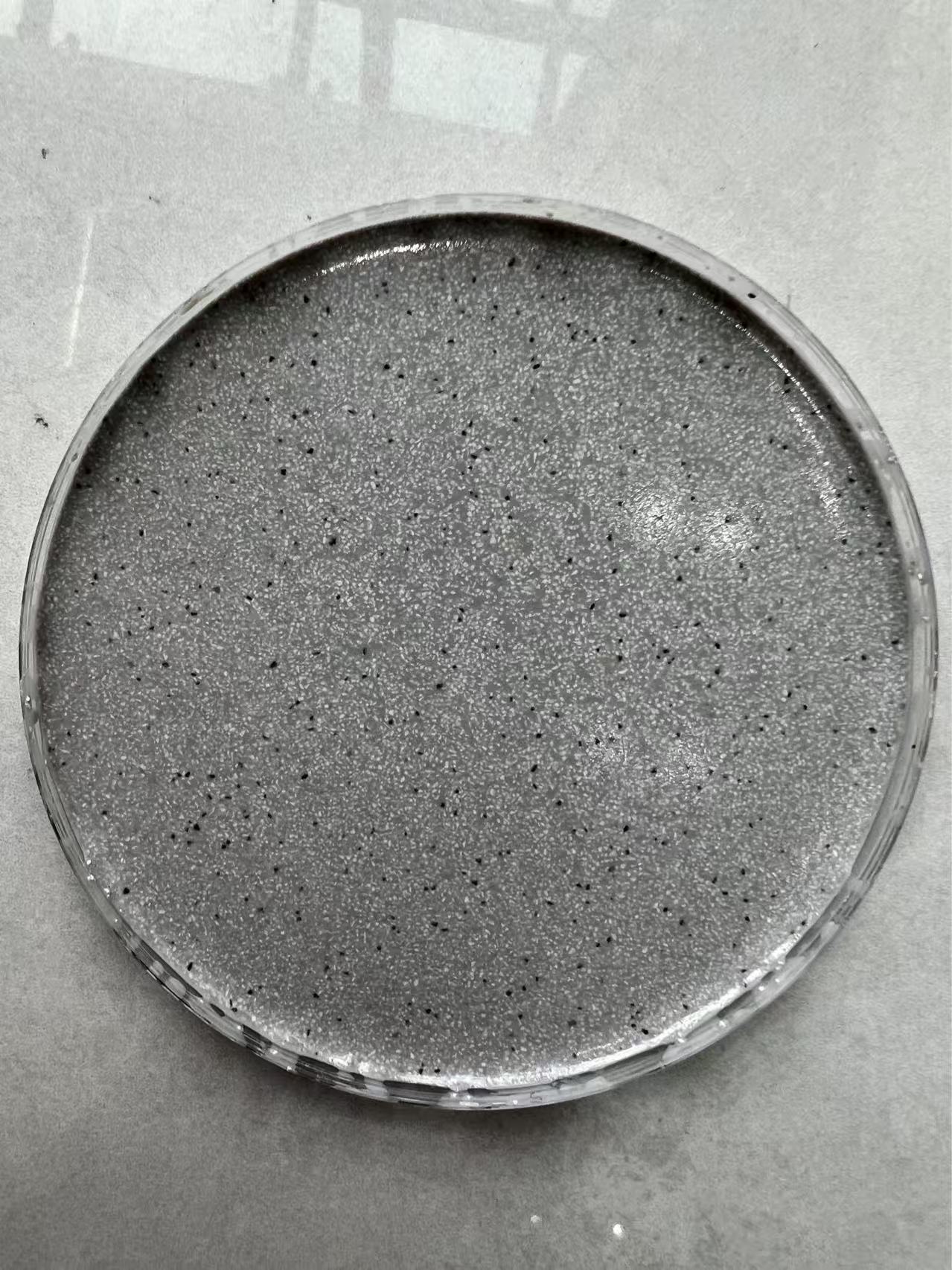
Renovation projects with compressed timelines demand solutions that don't sacrifice quality for speed. A self leveling floor offers precisely this balance, enabling contractors and property owners to meet aggressive deadlines without compromising durability, aesthetics, or performance. When every day counts and project delays ripple into budget overruns and occupancy delays, understanding why a self leveling floor accelerates project completion becomes critical for decision-makers in commercial, industrial, and high-end residential renovation work.
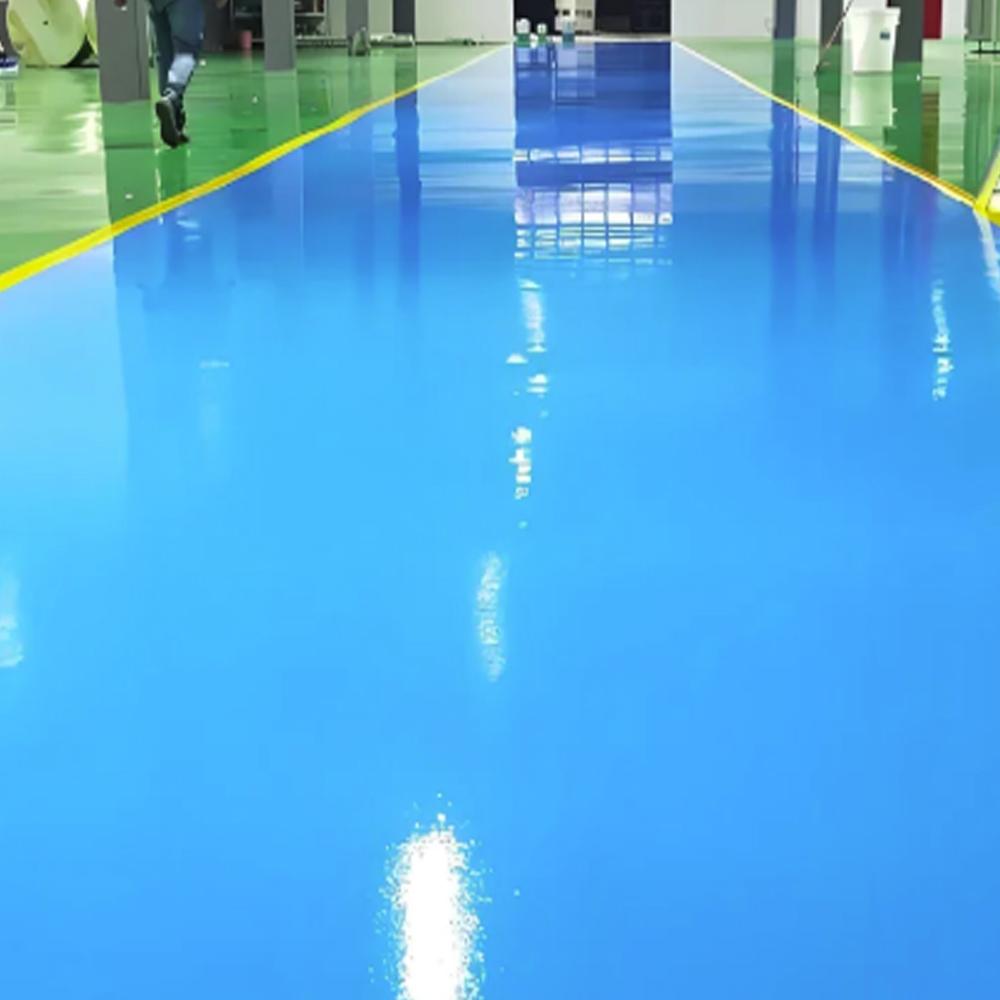
The fundamental advantage of a self leveling floor lies in its chemistry and application mechanics. Unlike traditional screed or grinding-based floor preparation, a self leveling floor flows across uneven substrate surfaces, automatically settling into a perfectly flat plane without manual troweling, screeding, or multiple preparation layers. This rapid deployment capability transforms renovation schedules by compressing what normally requires days of labor-intensive preparation into hours of controlled application and curing.
Speed of Installation and Curing Process
Rapid Application Without Manual Labor Intensity
The installation speed of a self leveling floor stems from its fluid application method. Contractors simply pour or pump the material across the substrate, and gravity and the formulation's inherent properties handle the leveling work. A self leveling floor eliminates the need for screeding, grinding, or multiple passes that consume project time on traditional preparation methods. For renovation projects operating under tight deadlines, this reduction in labor-intensive steps directly translates to compressed installation schedules.
Preparation time also shrinks dramatically. Before applying a self leveling floor, contractors need only ensure the substrate is clean, structurally sound, and properly primed—steps that take hours rather than days. Concrete substrates can be assessed, repaired minimally, primed, and ready for a self leveling floor application within a single shift. This compressed pre-application window is why renovation contractors consistently choose a self leveling floor when facing tight project deadlines.
Fast-Curing Formulations Enable Swift Successive Work
The fast-curing variants of a self leveling floor are engineered specifically for schedule-critical environments. These formulations achieve initial set within 2 to 4 hours and reach full walk-on hardness in 24 hours or less, compared to traditional epoxy or polyurethane systems requiring 48 to 72 hours. A self leveling floor with accelerated cure chemistry allows contractors to apply topcoats, apply protective sealers, or open spaces to light traffic within the same business day or next morning.
This rapid cure capability eliminates the bottleneck of waiting for material hardness before proceeding with subsequent trades or final finishes. In renovation projects where multiple contractors share the timeline, a self leveling floor's fast set means carpenters, electricians, or painters can move in sooner, preventing cumulative delays. The compounded time savings across the full project make a self leveling floor invaluable for renovation work operating within tight deadlines.
Seamless Coverage and Defect Elimination
Automatic Flatness Reduces Rework and Corrections
Uneven concrete substrates are a chronic challenge in renovation projects. Settling, cracking, and deterioration create high spots, low spots, and undulating surfaces that traditionally require extensive grinding, patching, or screeding to correct. A self leveling floor eliminates this defect-prone preparation phase by automatically conforming to the substrate profile while establishing a perfectly flat wearing surface. This automatic compensation means fewer corrections, less rework, and accelerated progress toward project completion.
The self-correcting nature of a self leveling floor also reduces quality disputes and punch-list delays. Traditional multi-layer systems require inspection and approval at each step; a self leveling floor completes its leveling task in a single application, reducing intermediate inspections and approvals. This streamlined workflow is especially valuable in renovation contexts where multiple stakeholders, change orders, and coordination challenges already compress available time.
Seamless Finish Prevents Follow-Up Repairs
A self leveling floor creates a monolithic, seamless surface without joints, gaps, or transition ridges that plague traditional flooring methods. This seamless finish eliminates common post-installation failures: water infiltration at seams, edge delamination, and tripping hazards at transitions. By reducing the need for subsequent repairs, adjustments, or aesthetic corrections, a self leveling floor keeps renovation projects on schedule and within budget. The absence of seams also means faster final inspections and occupancy sign-off.
Cost Efficiency and Budget Preservation
Labor Hour Reduction Maintains Budget Discipline
Time compression directly translates to labor cost reduction. A self leveling floor installation consumes significantly fewer labor hours than traditional preparation and finishing methods. For renovation projects already feeling budget pressure, the labor savings from a self leveling floor can mean the difference between project approval and postponement. Fewer people on site for fewer days reduces mobilization costs, site coordination overhead, and delay-related expenses that accumulate when projects slip schedule.
The predictability of a self leveling floor schedule also protects budgets from cost escalation. Traditional flooring systems carry inherent uncertainty about preparation requirements, grinding duration, and cure time buffers. A self leveling floor follows a defined application and cure timeline, allowing project managers to confidently commit to delivery dates and allocate resources without contingency padding. This certainty is especially valuable in renovation contexts where secondary contractors and occupancy dates depend on accurate floor completion dates.
Material Efficiency in Complex Substrate Scenarios
Renovation projects often involve irregular substrates, existing building systems, embedded utilities, or architectural constraints that complicate flooring solutions. A self leveling floor adapts to these irregularities without requiring substrate alteration, substrate removal, or extensive base preparation. This adaptability eliminates material waste, substrate demolition, and disposal costs that inflate budgets on traditional systems. Whether navigating radiant heating systems, embedded conduit, or complex geometries, a self leveling floor delivers compliant, attractive flooring without the material overhead of competing systems.
FAQ
What makes a self leveling floor faster than traditional flooring methods?
A self leveling floor eliminates manual screeding, grinding, and multiple preparation layers. The material flows automatically to create a flat surface, and fast-curing formulations achieve foot traffic hardness within 24 hours. Traditional systems require days of preparation plus 48–72 hours cure time, making a self leveling floor significantly faster for renovation projects with tight deadlines.
Can a self leveling floor be installed over existing concrete in renovation projects?
Yes, a self leveling floor bonds directly to existing concrete after proper cleaning and priming. This compatibility eliminates expensive concrete removal or overlay systems. The self leveling floor accommodates minor irregularities in the existing concrete, reducing pre-application preparation time and expense—critical advantages in renovation work where budget and time constraints are tightest.
How long does a self leveling floor take to cure before occupancy?
Fast-curing formulations of a self leveling floor achieve light foot traffic hardness in 24 hours and full cure in 3–5 days, depending on environmental conditions and coating specifications. This rapid readiness allows renovation projects to reach occupancy quickly, meeting tight deadline requirements and reducing project holding costs. Traditional flooring systems require substantially longer cure periods, making a self leveling floor the preferred choice for schedule-critical renovations.