
 EN
EN
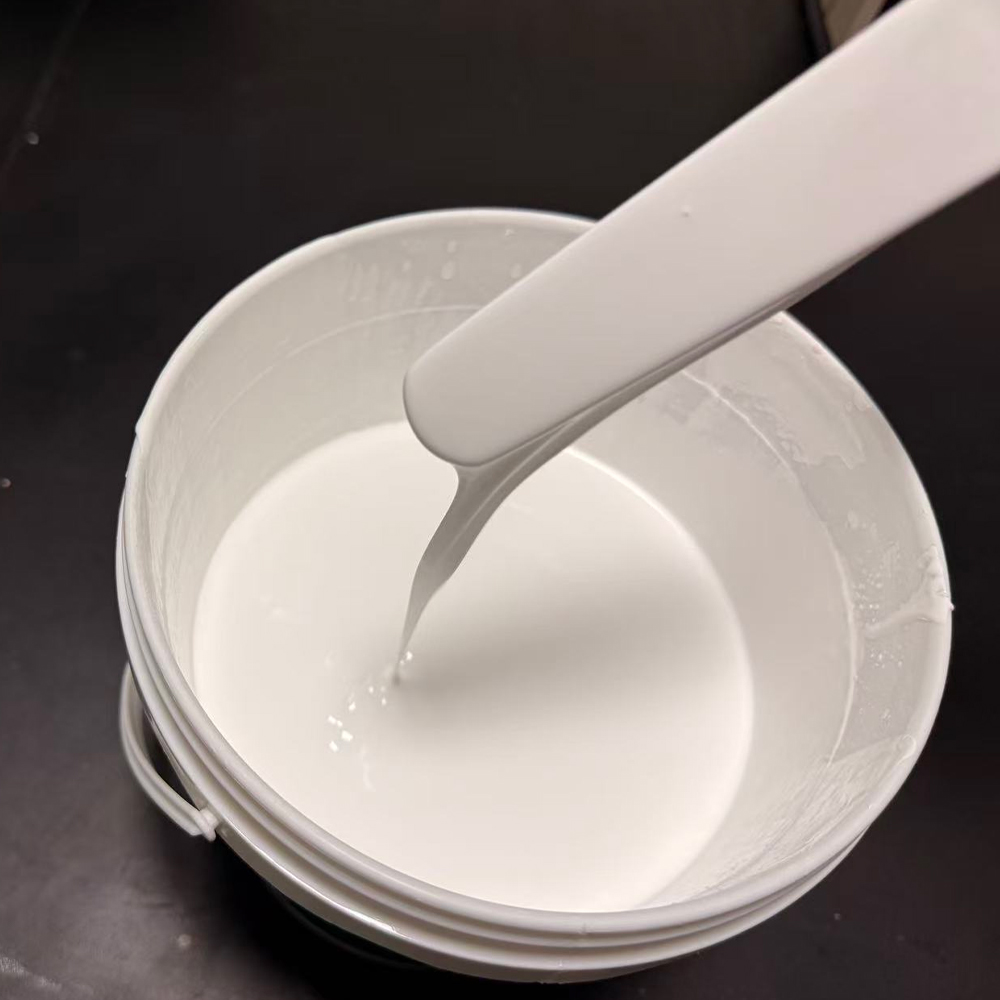
Summer heat poses a significant challenge to industrial storage facilities, particularly oil tanks and grain depots where temperature control directly impacts product quality and safety. Radiative cooling film represents a modern thermal management solution that addresses this challenge by reflecting solar radiation and facilitating passive heat dissipation. Understanding how radiative cooling film works and its applications can help facility managers protect valuable inventory while reducing operational costs associated with active cooling systems.
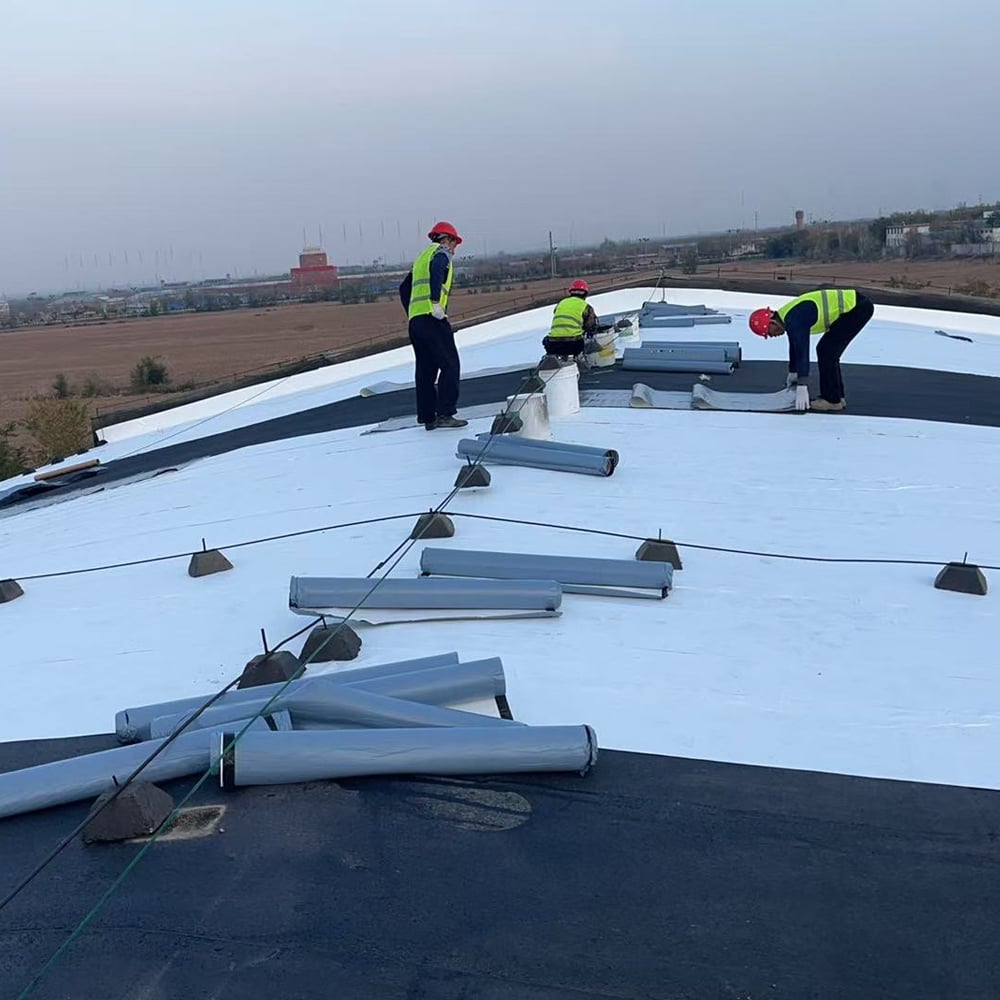
The effectiveness of radiative cooling film lies in its dual mechanism: it reflects visible and near-infrared solar radiation while simultaneously emitting thermal energy to the atmosphere through the radiative window. This passive cooling approach operates without requiring electricity or mechanical components, making it an economical choice for large surface applications. For oil tanks and grain depots, implementing radiative cooling film creates a protective thermal barrier that maintains safer operating temperatures throughout intense summer months.
How Radiative Cooling Film Protects Oil Tanks from Overheating
Solar Reflection and Temperature Reduction
Oil stored in above-ground tanks experiences rapid temperature increases when exposed to direct sunlight, which can accelerate degradation, increase vapor pressure, and create safety hazards. Radiative cooling film applied to tank surfaces reflects approximately 80 to 95 percent of incoming solar radiation, dramatically reducing heat absorption. By minimizing solar radiation penetration, radiative cooling film can lower surface temperatures by 20 to 40 degrees Fahrenheit compared to untreated metal surfaces, maintaining oil within acceptable temperature ranges and extending product shelf life.
Preventing Product Degradation and Safety Risks
Excessive heat in oil storage creates multiple operational risks, including increased evaporation rates, viscosity changes, and potential expansion that stresses tank integrity. Crude oil and refined products contain volatile organic compounds that evaporate more readily at elevated temperatures, causing product loss and environmental concerns. Radiative cooling film mitigates these risks by maintaining more stable temperatures, reducing evaporation rates and preserving product specifications. Additionally, lower tank surface temperatures reduce the risk of thermal stress on welded joints and structural components, extending equipment lifespan.
Protecting Grain Depots with Radiative Cooling Film Solutions
Grain Quality Preservation Through Temperature Control
Grain stored in large-scale depots is highly sensitive to temperature fluctuations, which accelerate insect reproduction, promote mold growth, and trigger biochemical reactions that reduce nutritional value and marketability. Agricultural commodities stored in metal bins or concrete structures experience extreme surface temperatures that radiate downward into stored grain, creating localized hot zones. Installing radiative cooling film on depot roofs and exterior walls maintains more uniform internal temperatures, reducing spoilage rates and pest activity while preserving grain quality throughout storage seasons.
Reducing Moisture Condensation and Fungal Issues
Temperature differentials between grain depot surfaces and internal air create conditions favorable for moisture condensation, particularly during early morning hours or seasonal transitions. This excess moisture promotes mold development, fungal contamination, and mycotoxin production that render grain unsuitable for human consumption or animal feed. Radiative cooling film stabilizes surface temperatures, reducing condensation formation and maintaining more consistent humidity levels within storage structures. By preventing excessive temperature variations, radiative cooling film protects grain depots from moisture-related quality deterioration and regulatory compliance issues.
Implementation and Long-Term Benefits of Radiative Cooling Film
Installation Process and Technical Specifications
Radiative cooling film installation involves coating or adhering specialized polymeric materials to external tank or depot surfaces, with applications ranging from spray-applied coatings to adhesive-backed films. The material composition typically includes reflective pigments, infrared-transparent polymers, and weatherproofing additives that maintain performance across multiple seasons. Radiative cooling film typically exhibits durability of five to ten years depending on environmental conditions, UV exposure, and maintenance protocols. Professional installation ensures proper surface preparation, uniform application, and optimal thermal performance across the entire storage structure.
Economic and Environmental Advantages
Investing in radiative cooling film eliminates the need for expensive mechanical cooling systems, reducing capital expenditures and ongoing electricity costs associated with compressor-based air conditioning units. The passive nature of radiative cooling film means operational costs remain minimal, requiring only periodic inspection and cleaning to maintain reflectivity. Environmental benefits include reduced carbon footprint from eliminated mechanical cooling, decreased refrigerant usage, and lower overall energy consumption at industrial facilities. For oil and agricultural operations seeking sustainable thermal management solutions, radiative cooling film offers cost-effective protection that aligns with corporate environmental responsibility objectives while maintaining product quality standards.
FAQ
Can radiative cooling film be applied to existing metal tanks without removal or downtime?
Yes, radiative cooling film can be applied to existing tanks with minimal operational disruption. Surface preparation involves cleaning and potentially light grinding, but many installations occur while tanks remain in service. Application methods vary from spray coatings that cure quickly to self-adhesive films that bond directly to metal surfaces. Professional contractors can schedule installation during reduced production periods or implement partial coverage strategies to avoid complete shutdown.
How does radiative cooling film compare to traditional insulation in terms of temperature control effectiveness?
Radiative cooling film and traditional insulation serve different thermal management purposes. Insulation reduces heat transfer through conduction and convection, while radiative cooling film actively reflects solar radiation and emits thermal energy to the atmosphere. For summer overheating protection, radiative cooling film performs superior function by directly addressing incoming solar radiation, whereas insulation primarily prevents internal heat loss during cooler periods. Many facilities use both technologies: radiative cooling film for summer heat management and insulation for year-round efficiency.
What maintenance is required to keep radiative cooling film performing effectively?
Radiative cooling film requires minimal maintenance to sustain performance. Regular cleaning removes dust, pollen, and environmental deposits that reduce reflectivity and thermal emissivity. Annual or semi-annual visual inspections identify potential damage, adhesion issues, or degradation from UV exposure. Power washing with soft-bristle brushes safely removes accumulated debris without damaging the coating. Periodic maintenance preserves radiative cooling film effectiveness and extends service life beyond initial five to ten year projections.