
 EN
EN
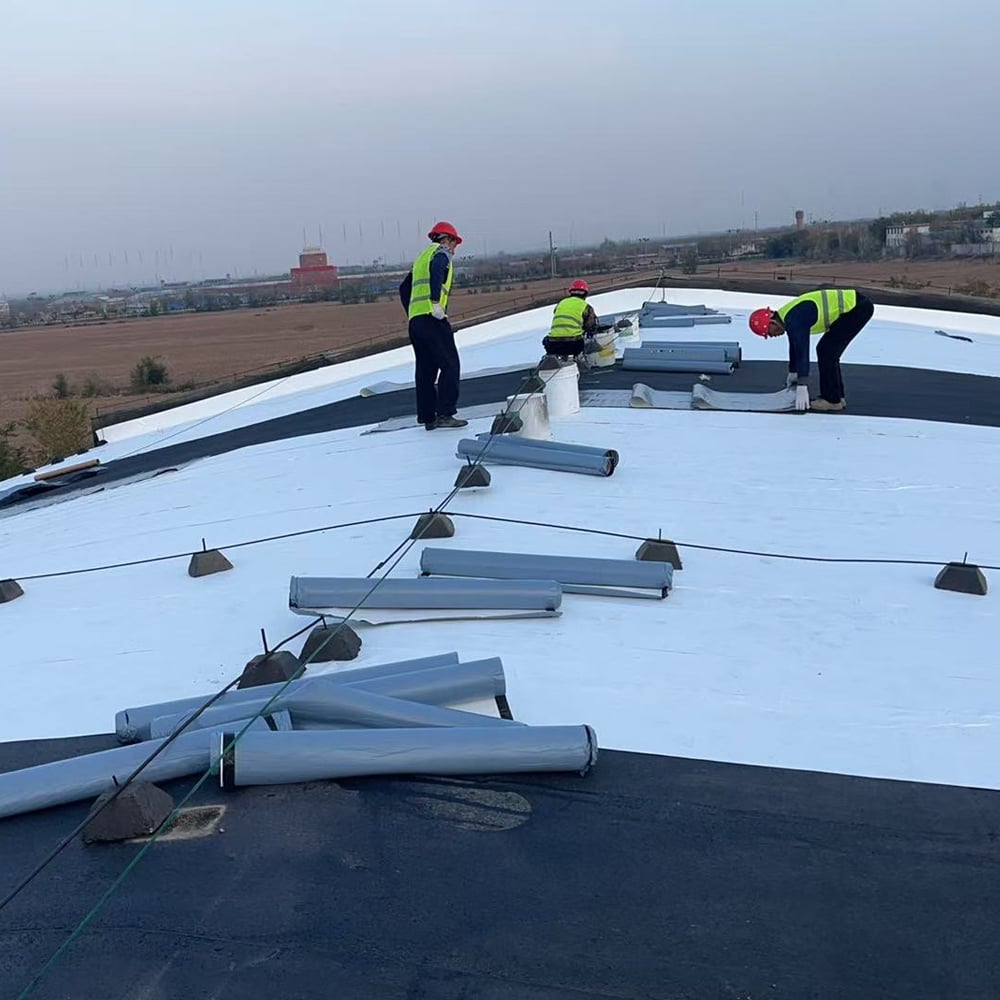
Grain depots and oil storage tanks operate under extreme thermal stress, particularly in hot climates where ambient temperatures can exceed operational design specifications. Traditional storage solutions struggle to maintain safe internal conditions, leading to product degradation, equipment failure, and rising energy costs. Upgrading to radiative cooling materials represents a transformative shift in how these facilities manage heat, offering a passive, cost-effective solution that requires no active cooling systems or ongoing mechanical maintenance.
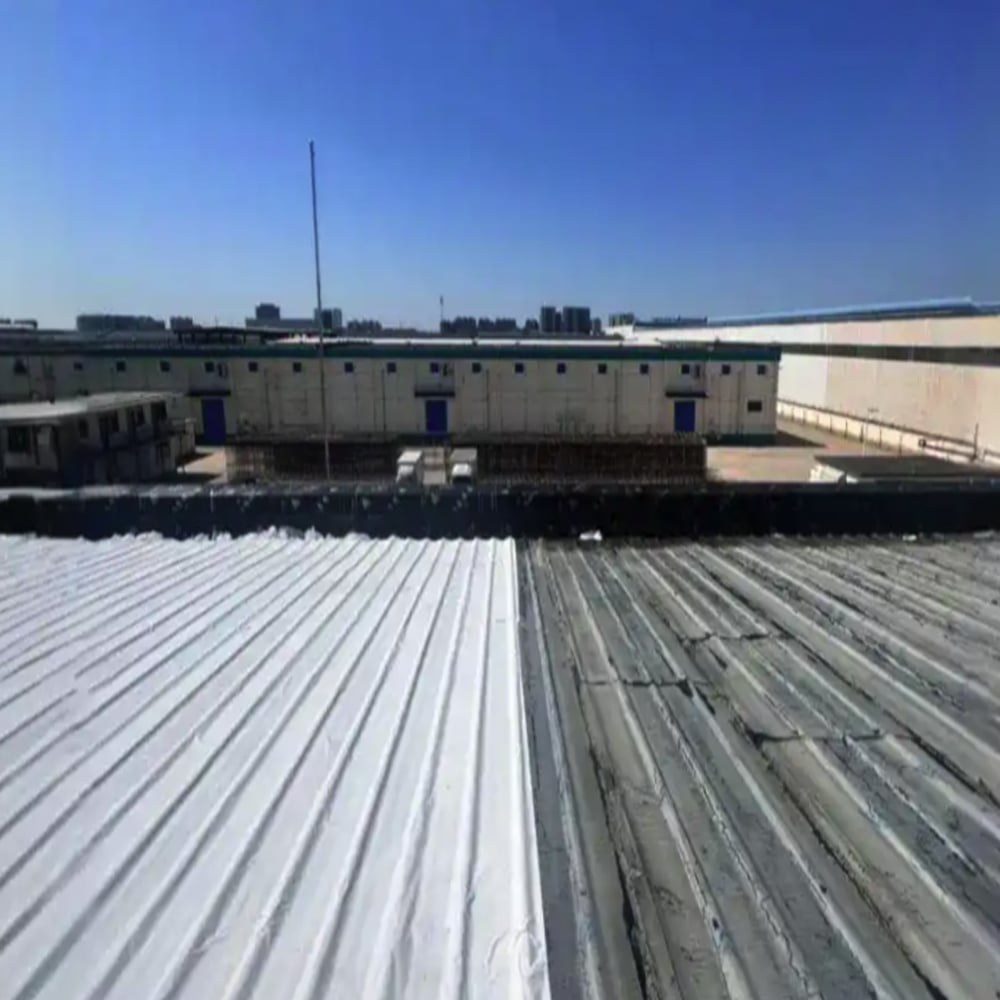
Radiative cooling materials work by reflecting solar radiation while simultaneously emitting thermal energy back into space across the infrared spectrum. This dual-mechanism approach allows storage tank surfaces to achieve temperatures significantly lower than the surrounding air, even during peak daytime hours. Implementing radiative cooling materials in grain depots and oil tanks directly addresses the core challenge of thermal management without relying on energy-intensive mechanical systems.
Understanding the Physics Behind Radiative Cooling Materials
How Radiative Cooling Materials Reflect and Emit Heat
Radiative cooling materials utilize advanced surface coatings engineered to maximize solar reflectance and thermal emittance. These radiative cooling materials contain specialized pigments and polymeric binders that deflect incoming shortwave radiation while allowing longwave infrared energy to escape freely. The result is a passive cooling effect that operates continuously, day and night, without consuming electricity or requiring mechanical intervention. When applied to grain depots and oil storage infrastructure, radiative cooling materials create a protective thermal barrier that naturally reduces internal temperatures.
The Science of Passive Temperature Reduction
The effectiveness of radiative cooling materials stems from their ability to exploit the atmospheric transparency window, a range of infrared wavelengths that pass through the atmosphere without being trapped by greenhouse gases. By emitting heat at these specific wavelengths, radiative cooling materials can shed thermal energy directly into space, creating a net cooling effect even when the surrounding air remains hot. This passive mechanism means grain depots and oil tanks coated with radiative cooling materials maintain lower surface temperatures than conventional painted or unpainted tanks, directly translating to reduced internal heat penetration.
Key Benefits for Grain Depots and Oil Storage Operations
Temperature Control and Product Preservation
Grain stored in traditional uninsulated or poorly insulated depots faces rapid temperature fluctuations that accelerate spoilage, pest reproduction, and moisture migration. Radiative cooling materials maintain more stable internal temperatures by reducing peak heat buildup, creating an environment where grain quality remains stable over extended storage periods. Oil tanks face similar challenges, as thermal cycling can degrade viscosity, promote oxidation, and compromise product specifications. Upgrading to radiative cooling materials significantly extends product shelf life and maintains product integrity throughout the storage cycle.
Energy Efficiency and Operational Cost Reduction
Facilities relying on active cooling systems—whether mechanical ventilation, evaporative coolers, or refrigeration units—consume substantial electrical energy to maintain acceptable internal temperatures. By reducing ambient heat load through radiative cooling materials, grain depots and oil storage operations can dramatically cut energy consumption, lower utility bills, and reduce carbon footprint. The passive nature of radiative cooling materials means these efficiency gains persist indefinitely without mechanical wear, maintenance costs, or system degradation.
Equipment Longevity and Reduced Maintenance
Thermal stress accelerates corrosion, metal fatigue, and seal degradation in storage tanks. Radiative cooling materials moderate internal temperatures, reducing thermal expansion and contraction cycles that weaken structural components. Lower operating temperatures also extend the lifespan of gaskets, valve mechanisms, and monitoring instruments. For grain depots and oil storage facilities, this translates to extended asset life, fewer emergency repairs, and improved operational reliability over decades of service.
Installation and Implementation Considerations
Surface Preparation and Application Methods
Successful implementation of radiative cooling materials requires proper surface preparation, including cleaning, rust removal, and primer application where needed. Most radiative cooling materials are applied as spray coatings, brush-applied paints, or adhesive films that conform to curved tank surfaces. For existing grain depots and oil storage installations, retrofit applications can be completed without taking tanks offline for extended periods, minimizing operational disruption. New construction projects can specify radiative cooling materials during design phases, ensuring optimal coverage and performance from day one.
Durability, Maintenance, and Performance Retention
Quality radiative cooling materials maintain their optical properties for 10-15 years or longer when properly selected and applied. Regular inspection and light cleaning remove dust and debris that can reduce reflectance, preserving the cooling effect over time. Unlike mechanical cooling systems that require annual service, parts replacement, and professional maintenance, radiative cooling materials demand minimal upkeep, making them ideal for remote grain depots and oil storage facilities where service access is limited. This passive durability is a fundamental advantage for operators seeking long-term reliability without ongoing technical support burdens.
Real-World Application Scenarios for Storage Facilities
Grain Depot Temperature Stabilization
Grain depots in arid and semi-arid regions benefit dramatically from radiative cooling materials, as these areas experience intense solar radiation and minimal cloud cover. Coating grain storage structures with high-performance radiative cooling materials can reduce surface temperatures by 15-25°C compared to conventional surfaces. This temperature reduction directly lowers internal storage chamber temperatures, reducing spoilage rates, insect activity, and the need for supplemental ventilation or cooling. Radiative cooling materials provide grain depots with a passive climate control solution that works continuously without operating costs.
Oil Tank Temperature Management
Oil storage tanks must maintain products within narrow temperature windows to preserve viscosity and prevent oxidative degradation. Radiative cooling materials help oil storage facilities maintain these specifications naturally, especially in hot climates where summer temperatures would otherwise exceed acceptable ranges. By reducing peak tank surface temperatures, radiative cooling materials minimize thermal stratification, reduce vapor pressure, and lower the risk of explosive conditions in petroleum storage. This passive cooling contribution enhances both product quality and facility safety.
Comparison to Traditional Thermal Management Approaches
Advantages Over Active Cooling Systems
Active cooling systems such as mechanical chillers, air conditioning units, and industrial ventilation fans require substantial capital investment, ongoing electrical consumption, professional maintenance, and eventual replacement. Radiative cooling materials offer a one-time installation cost with minimal maintenance, no moving parts to fail, and performance that actually improves in direct sunlight. For grain depots and oil storage operations, radiative cooling materials eliminate the operational complexity and cost burden associated with mechanical systems, particularly in remote or rural locations where service availability is limited.
Passive Performance and Sustainability
Radiative cooling materials align with global sustainability objectives by reducing energy consumption and carbon emissions without compromising thermal control capabilities. Unlike energy-dependent cooling technologies, radiative cooling materials harness natural physical processes to achieve temperature reduction, making them inherently sustainable. Grain depots and oil storage facilities adopting radiative cooling materials demonstrate environmental responsibility while simultaneously reducing operational costs, creating a powerful business case for adoption across the storage industry.
FAQ
Can radiative cooling materials work effectively in cloudy or temperate climates?
Yes, radiative cooling materials continue to function in cloudy and temperate regions, though the cooling effect is more pronounced in sunny, arid climates. The infrared emission mechanism operates regardless of cloud cover, allowing radiative cooling materials to shed heat during daytime and nighttime hours. Even in temperate zones, radiative cooling materials can reduce peak temperatures by 5-10°C, providing meaningful energy savings and temperature stabilization for grain depots and oil storage operations.
What is the typical lifespan of radiative cooling materials when applied to grain depots and oil tanks?
High-quality radiative cooling materials maintain effectiveness for 10-15 years or longer, depending on environmental exposure, UV intensity, and maintenance practices. Regular cleaning removes dust and atmospheric deposits that can reduce reflectance. Unlike mechanical cooling systems requiring component replacement and professional servicing, radiative cooling materials degrade gracefully without sudden failure, allowing facility managers to plan maintenance and reapplication on predictable schedules aligned with facility operations.
How do radiative cooling materials affect the structural integrity of storage tanks?
Radiative cooling materials actually enhance tank longevity by reducing thermal stress and expansion-contraction cycles. Lower surface temperatures mean reduced internal stress on metal structures, welds, and seals, directly extending equipment life. The lightweight coating formulations of radiative cooling materials add negligible mass to storage structures. Proper application ensures the coating bonds securely to tank surfaces without compromising structural properties, making radiative cooling materials a protective enhancement rather than a liability.