
 EN
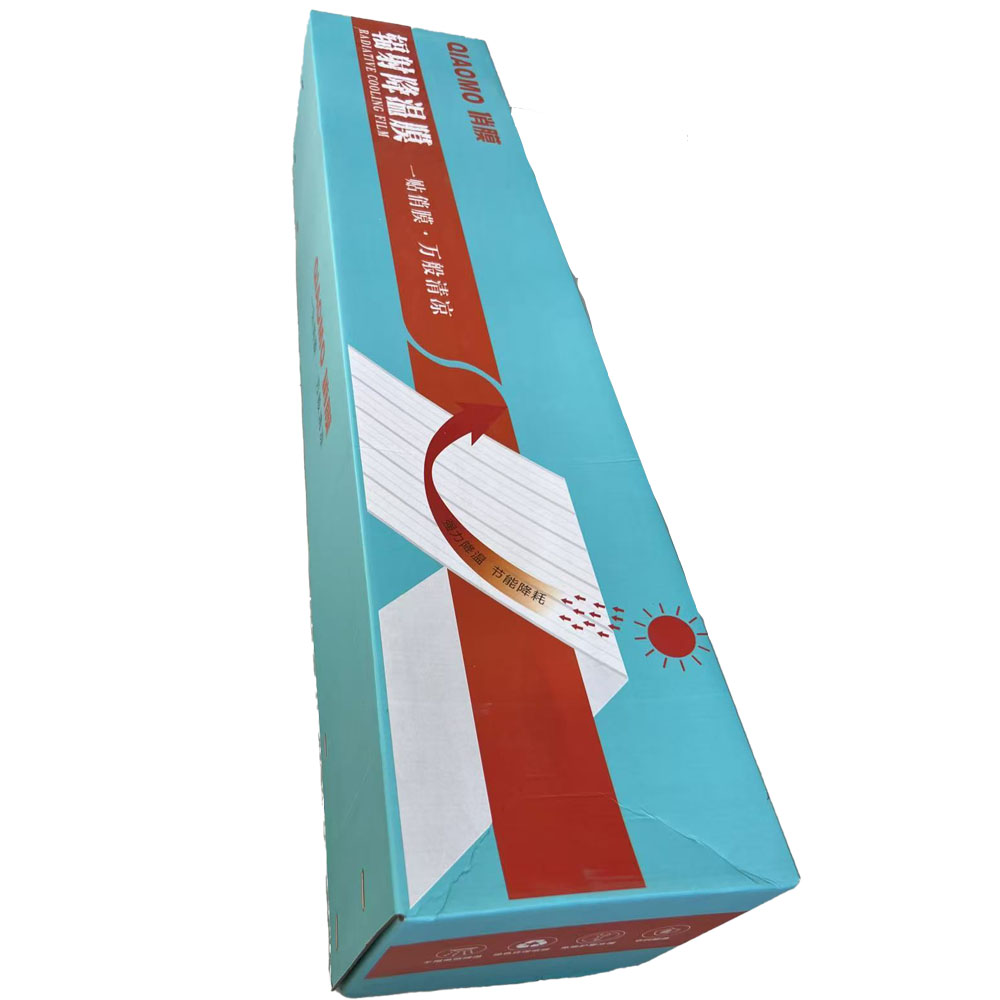
Modern outdoor infrastructure faces dual challenges: protection from moisture damage and excessive heat accumulation. The integration of premium waterproof paint with radiative cooling film represents an advanced approach to addressing both concerns simultaneously. This combination strategy leverages the protective qualities of specialized waterproof coatings while harnessing the thermal management benefits of passive cooling technologies. By merging these two complementary systems, facility managers and builders can achieve superior performance in demanding outdoor environments where both moisture infiltration and heat reduction are critical operational requirements.
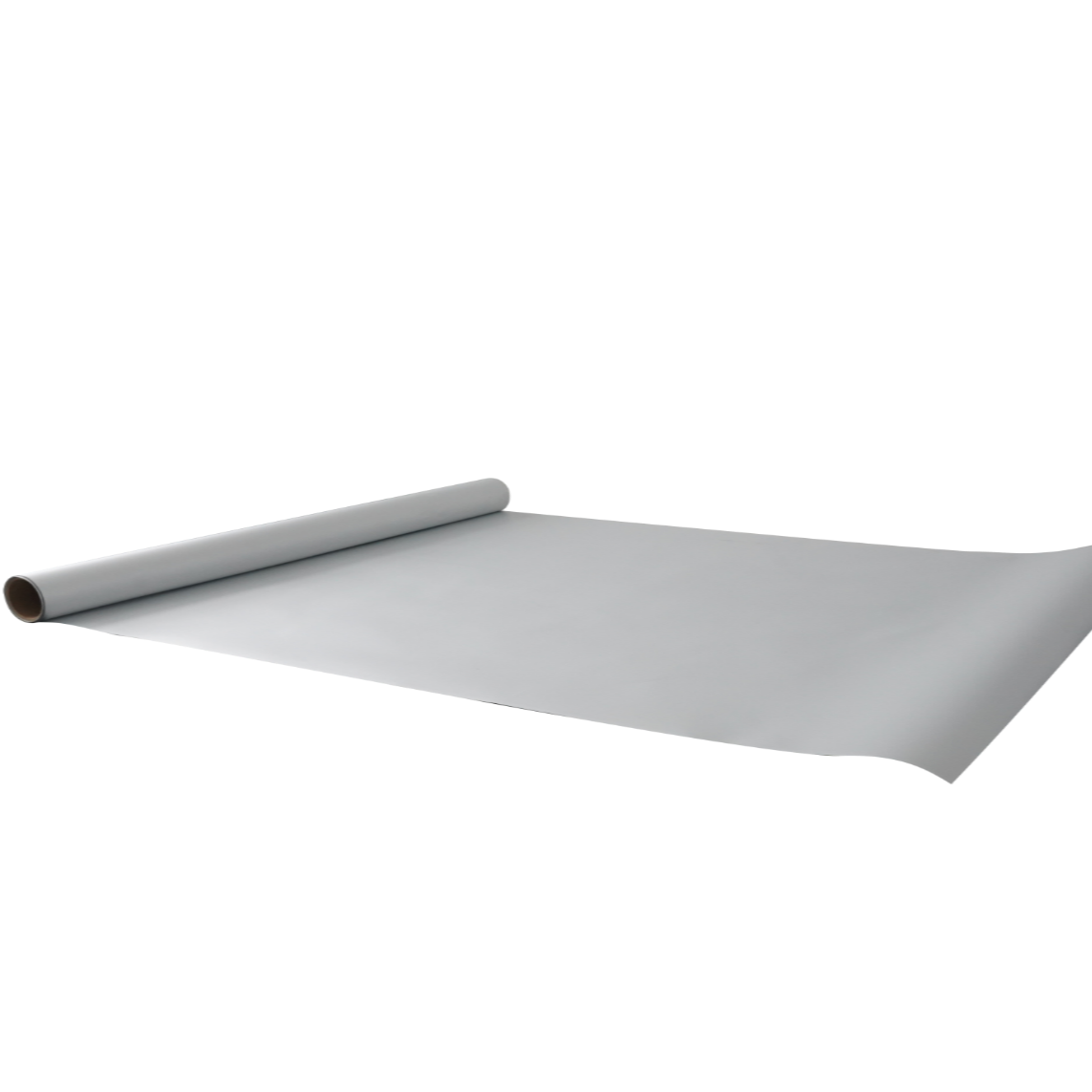
Yes, premium waterproof paint and radiative cooling film can be effectively combined to create a multifunctional protective system. The synergy between these materials creates an enhanced protective envelope that addresses moisture management while simultaneously reducing surface temperatures. Understanding the technical compatibility, application sequence, and performance benefits of this combination is essential for professionals planning outdoor infrastructure upgrades. This integration is particularly valuable in industrial facilities, power equipment installations, warehousing operations, and outdoor infrastructure applications where thermal stress and moisture exposure both compromise structural integrity and operational efficiency.
Technical Compatibility and Material Science
Understanding Layer Integration
The combination of waterproof paint with radiative cooling film operates on complementary physical principles. Waterproof paint creates an impermeable barrier that prevents water infiltration through capillary action and surface permeation. Radiative cooling film, engineered with specialized spectral properties, reflects solar radiation while emitting thermal energy across the infrared spectrum. When these materials work together, the waterproof paint serves as the foundational moisture barrier, while radiative cooling technology operates at the outer surface layer. The technical compatibility depends on ensuring proper substrate preparation and adhesion between layers. Premium waterproof paints typically feature excellent adhesion properties that allow radiative cooling film to bond securely without compromising the paint's sealing function. This layering approach maintains the integrity of both systems while creating a unified protective envelope.
Material Properties and Performance Characteristics
Radiative cooling film functions through passive thermal management, utilizing high solar reflectance and high thermal emittance properties. When applied over waterproof paint, radiative cooling film can reduce surface temperatures by 10 to 20 degrees Fahrenheit compared to conventional coatings in direct sunlight. Premium waterproof paint formulations resist UV degradation, ensuring long-term durability when positioned beneath radiative cooling technology. The combination maintains the paint's core function—moisture barrier creation—while the radiative cooling component provides thermal regulation. Both materials must demonstrate chemical compatibility to prevent degradation or delamination over extended periods. Radiative cooling film adhesive systems must be compatible with typical paint surfaces to ensure reliable bond formation. Testing compatibility through manufacturer specifications and site trials prevents costly installation failures and performance reduction.
Implementation and Application Strategy
Surface Preparation and Sequence
Successful integration of radiative cooling film with premium waterproof paint requires precise application sequencing. The waterproof paint should be applied first to clean, properly prepared substrates, following manufacturer specifications for coverage rates and curing time. Complete curing of waterproof paint is critical before radiative cooling film installation; premature film application traps moisture and compromises both systems. Surface roughness influences adhesion between materials, requiring appropriate substrate preparation to achieve recommended roughness specifications. Professional application teams should verify that paint surfaces are dry, clean, and free from dust or contaminants before proceeding with radiative cooling film installation. The film application must ensure complete coverage without wrinkles, bubbles, or incomplete adhesion that would reduce radiative cooling effectiveness. Following manufacturer installation protocols guarantees optimal performance and longevity of the combined system.
Installation Considerations and Environmental Factors
Environmental conditions during application significantly influence the success of combining radiative cooling film with waterproof paint systems. Temperature and humidity levels affect both paint curing rates and film adhesion characteristics. Radiative cooling film should be applied during favorable weather conditions—dry climate with moderate temperatures and low wind speeds. Installation in humid or cold conditions may compromise paint curing or film adhesion, leading to reduced performance or premature failure. For power equipment, grain depots, oil tanks, and transportation infrastructure, seasonal installation planning prevents weather-related complications. Regular inspection after installation identifies any adhesion issues, peeling, or surface degradation requiring maintenance attention. Professional installers understand how environmental factors influence radiative cooling performance and waterproof integrity, allowing them to optimize application timing and technique for maximum durability.
Performance Benefits and Industrial Applications
Thermal Management and Energy Efficiency
The thermal management benefits of radiative cooling film combined with waterproof paint create measurable energy efficiency improvements across industrial applications. Radiative cooling reduces heat absorption in outdoor facilities, lowering internal temperatures and reducing cooling system demand. Lower operating temperatures extend equipment lifespan, particularly for temperature-sensitive applications in power equipment and transportation infrastructure. Radiative cooling technology maintains thermal comfort in warehousing facilities during peak summer conditions while the waterproof paint protects underlying structures from moisture-related degradation. For grain depots and food storage facilities, the combination controls interior temperatures while preventing water infiltration that compromises product quality. The passive nature of radiative cooling eliminates energy consumption requirements, providing continuous thermal benefit without active system intervention or maintenance overhead.
Durability and Long-Term Protection
Premium waterproof paint protects underlying substrates from moisture-related damage including corrosion, rust formation, and structural deterioration. When combined with radiative cooling film, this protection extends indefinitely because lower surface temperatures reduce thermal cycling stress and material brittleness. Radiative cooling reduces UV radiation exposure on underlying paint layers, slowing degradation and extending coating lifespan. Industrial facilities utilizing this combination experience extended maintenance intervals and reduced repair expenses. Outdoor radiative cooling applications demonstrate resilience across harsh environmental conditions including salt spray, industrial pollution, and extreme temperature variations. For transportation infrastructure and power equipment, combined waterproof paint and radiative cooling film protection reduces unplanned downtime and extends asset operational life. Long-term cost analysis demonstrates that preventive implementation of these technologies delivers superior return on investment compared to reactive maintenance approaches addressing water damage and thermal stress.
FAQ
What is the typical lifespan of combined waterproof paint and radiative cooling film systems?
Premium waterproof paint combined with radiative cooling film typically maintains effectiveness for 10 to 15 years under normal outdoor conditions. Lifespan depends on environmental severity, installation quality, and maintenance practices. Radiative cooling films may require inspection or replacement slightly earlier than waterproof paint, as surface degradation from UV exposure or mechanical damage can reduce thermal performance. Regular inspection and proactive maintenance extending protective system lifespan beyond manufacturer projections. Industrial applications in harsh environments may experience shorter intervals, requiring periodic assessment and strategic reapplication. Facility managers should establish inspection schedules based on specific environmental conditions and performance monitoring results.
Can radiative cooling film be applied to all types of waterproof paint surfaces?
Radiative cooling film compatibility depends on waterproof paint surface characteristics, adhesion properties, and chemical composition. Most premium waterproof paints designed for industrial applications provide suitable surfaces for radiative cooling film installation. However, certain specialty coatings or aged paint surfaces may require surface preparation or primer application before radiative cooling film installation. Manufacturer compatibility guidelines should be consulted for specific paint and film combinations. Field testing on small areas verifies adhesion and performance before full-scale application. Some surfaces may benefit from abrading or cleaning treatments that enhance radiative cooling film bonding without compromising waterproof paint integrity. Professional assessment ensures proper material selection and application methodology for optimal results.
How does combining these materials affect maintenance requirements for outdoor facilities?
The combined system reduces overall maintenance burden compared to implementing either technology independently. Radiative cooling minimizes thermal cycling stress on waterproof paint, reducing weather-related degradation and extending coating lifespan. The sealed moisture barrier eliminates water infiltration problems that typically generate significant maintenance workload. Visual inspections should occur quarterly or seasonally to identify early degradation, debris accumulation, or mechanical damage. Cleaning radiative cooling film surfaces removes dust or contaminants that reduce thermal performance, requiring only gentle washing with soft brushes and water. Maintenance costs decrease substantially because preventive protection eliminates expensive repairs caused by moisture damage, corrosion, or thermal stress on industrial equipment and infrastructure.