
 EN
EN
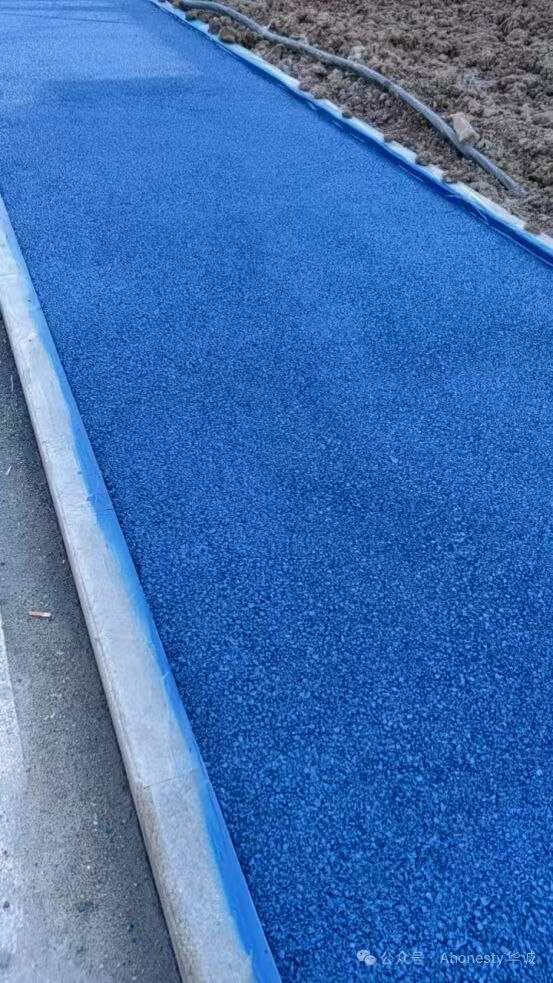
Selecting the appropriate anti slip grit level for various foot traffic areas requires understanding both the specific demands of each environment and the performance characteristics of different grit sizes. The wrong choice can result in inadequate safety protection in high-risk areas or excessive surface roughness in zones where comfort matters most. This decision impacts not only pedestrian safety but also maintenance costs, surface durability, and overall facility management efficiency.
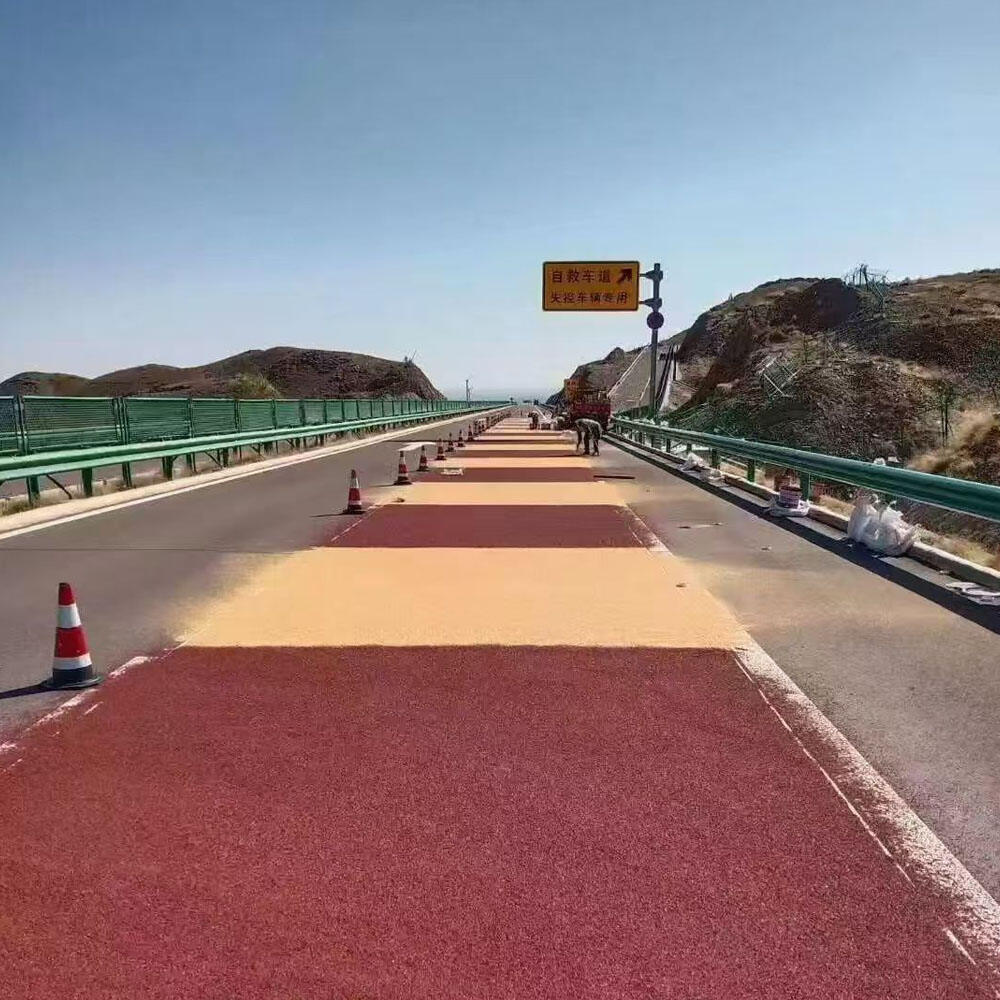
The selection process involves analyzing traffic volume, environmental conditions, user demographics, and surface material compatibility. Different areas within the same facility often require varying levels of anti slip grit to achieve optimal safety performance. Understanding these nuances enables facility managers to create comprehensive slip prevention strategies that address specific risk profiles while maintaining cost-effectiveness and user experience standards.
Understanding Anti Slip Grit Classifications and Performance Levels
Grit Size Categories and Their Applications
Anti slip grit materials are classified by particle size, typically measured in mesh numbers or micron ranges. Fine grit particles, ranging from 80 to 120 mesh, provide subtle texture enhancement suitable for indoor areas with light to moderate foot traffic. These smaller particles create sufficient friction without generating excessive surface roughness that might cause discomfort during extended contact periods.
Medium grit classifications, typically 40 to 80 mesh, offer enhanced slip resistance for areas experiencing moderate to heavy pedestrian traffic. This anti slip grit size range strikes an effective balance between safety performance and user comfort, making it suitable for commercial lobbies, retail spaces, and office environments where professional appearance matters alongside safety considerations.
Coarse grit particles, ranging from 16 to 40 mesh, deliver maximum slip resistance for high-risk environments. These larger particles create pronounced surface texture that provides excellent traction even under challenging conditions involving moisture, oils, or other contaminants. Industrial facilities, loading docks, and outdoor walkways frequently require this level of anti slip grit performance to meet safety standards.
Surface Texture Requirements by Environment Type
Indoor commercial environments typically require anti slip grit applications that maintain professional aesthetics while providing adequate safety performance. Fine to medium grit sizes create sufficient texture to reduce slip risks without compromising the visual appeal or tactile comfort expected in customer-facing areas. The texture should be noticeable underfoot but not abrasive enough to damage footwear or create cleaning difficulties.
Industrial settings demand more aggressive anti slip grit textures capable of maintaining effectiveness despite exposure to various contaminants. The surface texture must penetrate through thin films of oil, water, dust, or chemical residues to provide reliable traction. Coarse grit applications in these environments prioritize safety performance over comfort considerations, creating pronounced texture patterns that ensure worker protection.
Outdoor applications face additional challenges from weather exposure, temperature fluctuations, and environmental debris accumulation. The anti slip grit selection must account for these factors while providing consistent performance across varying conditions. Surface texture requirements often exceed indoor standards to compensate for reduced friction during wet conditions and seasonal weather impacts.
Traffic Volume Analysis and Grit Selection Criteria
Low Traffic Area Requirements
Areas with minimal pedestrian activity, such as private offices, storage rooms, or administrative spaces, require carefully calibrated anti slip grit applications that provide safety enhancement without creating unnecessary surface roughness. Fine grit particles typically satisfy these requirements by creating subtle texture improvements that reduce slip risks during occasional traversal while maintaining surface smoothness for comfortable walking.
The selection process for low traffic areas should consider the potential consequences of slip incidents even when occurrence probability remains relatively low. Emergency egress routes, stairwells, and access areas leading to critical equipment may warrant slightly more aggressive anti slip grit specifications despite low daily usage patterns. These areas require sufficient traction to ensure safe passage during emergency situations when users may be moving quickly or under stress.
Long-term durability becomes particularly important in low traffic areas where anti slip grit applications may not receive regular maintenance attention. The selected grit size should maintain performance characteristics over extended periods without significant degradation from minimal wear patterns. Fine grit particles often provide excellent longevity in these environments due to reduced mechanical stress from foot traffic.
High Traffic Area Specifications
High pedestrian traffic areas, including building entrances, corridors, retail spaces, and transportation hubs, require robust anti slip grit applications capable of maintaining performance under constant use. Medium to coarse grit sizes typically provide the durability and traction necessary to handle continuous foot traffic while resisting wear patterns that could compromise safety effectiveness over time.
The anti slip grit selection process for high traffic areas must account for accelerated wear patterns that can reduce surface texture effectiveness. Frequent pedestrian activity creates grinding action that gradually smooths surface irregularities, potentially diminishing slip resistance over time. Larger grit particles provide greater initial texture depth and resist wear-induced smoothing more effectively than fine particle applications.
Maintenance accessibility and cleaning requirements significantly influence anti slip grit selection for high traffic areas. The surface texture must be compatible with regular cleaning procedures while maintaining its slip resistance properties. Coarse textures may trap debris and require more intensive cleaning protocols, but they also provide superior long-term performance in demanding traffic conditions.
Environmental Conditions and Contamination Considerations
Wet and Moisture-Prone Environments
Areas exposed to regular moisture, including building entrances during inclement weather, kitchen facilities, swimming pool decks, and industrial washing stations, require enhanced anti slip grit specifications to maintain traction when water reduces natural surface friction. The grit particles must be large enough to penetrate through water films and create direct contact with footwear treads.
Medium to coarse anti slip grit applications typically perform best in moisture-prone environments by creating surface channels that allow water drainage while maintaining texture contact points. The grit pattern should facilitate water movement away from the walking surface while providing multiple friction points that remain effective even when partially submerged. This requires careful consideration of particle size distribution and application density.
Drainage characteristics become critical in wet environments where standing water can completely negate anti slip grit effectiveness. The surface texture should promote water runoff while avoiding deep recesses that might collect debris or become breeding grounds for bacteria and mold. Proper grit selection works in conjunction with surface slope design to create comprehensive slip prevention systems.
Chemical and Oil Exposure Areas
Industrial facilities, automotive service areas, food processing plants, and maintenance workshops face contamination challenges that can significantly reduce surface friction regardless of anti slip grit specifications. These environments require coarse grit applications with aggressive texture patterns capable of penetrating through thin films of oils, chemicals, and other slippery substances.
The anti slip grit selection process for contaminated environments must consider the specific types of substances likely to contact the surface. Different contaminants create varying levels of lubrication, with some forming persistent films that resist removal through normal foot traffic. Coarse grit particles provide the mechanical penetration necessary to breakthrough these films and establish traction contact.
Chemical resistance becomes important when anti slip grit materials face exposure to aggressive substances that might degrade particle integrity or bonding systems. The grit material composition and protective coatings must withstand chemical contact while maintaining surface texture effectiveness. This often requires specialized anti slip grit formulations designed for specific industrial applications.
Surface Material Compatibility and Application Methods
Concrete and Masonry Surface Applications
Concrete and masonry surfaces provide excellent substrate compatibility for various anti slip grit applications due to their porous nature and mechanical bonding characteristics. The surface preparation process significantly influences grit adhesion and long-term performance, requiring proper cleaning, etching, or texturing to create optimal bonding conditions for the anti slip grit system.
Broadcast application methods work particularly well on concrete surfaces, allowing anti slip grit particles to embed partially into the substrate while creating prominent texture points above the surface level. This application technique provides excellent mechanical bonding and creates durable texture patterns that resist wear from foot traffic. The concrete porosity helps secure individual grit particles while allowing for proper coating penetration.
Surface profile requirements vary depending on the intended anti slip grit performance level and traffic expectations. Smooth concrete surfaces may require mechanical preparation to create sufficient substrate texture for optimal grit adhesion. Existing concrete texture can often accommodate moderate grit applications without additional preparation, while aggressive grit specifications may benefit from enhanced surface profiling.
Metal and Composite Surface Considerations
Metal surfaces, including steel plates, aluminum decking, and composite materials, present unique challenges for anti slip grit applications due to their non-porous nature and potential for thermal expansion. The bonding system must provide excellent adhesion to smooth surfaces while accommodating dimensional changes that could stress the anti slip grit layer.
Prime coating systems become critical for metal surface applications, providing the adhesion foundation necessary for effective anti slip grit bonding. The primer must be compatible with both the metal substrate and the grit-containing topcoat while providing flexibility to accommodate thermal movement. Proper surface preparation, including degreasing and light abrasion, ensures optimal primer adhesion.
Galvanic corrosion considerations may influence anti slip grit selection when metal particles contact dissimilar metals in the presence of moisture. Non-metallic grit materials, such as ceramic or mineral particles, eliminate this concern while providing excellent slip resistance performance. The coating system should also provide corrosion protection for the underlying metal substrate.
FAQ
What anti slip grit size works best for restaurant kitchen areas?
Restaurant kitchens typically require medium to coarse anti slip grit applications, ranging from 40 to 60 mesh, to handle grease and water contamination while providing comfortable working surfaces for extended periods. The anti slip grit must penetrate through cooking oil films while being easy to clean and sanitize according to food safety standards.
How does foot traffic volume affect anti slip grit longevity?
High foot traffic areas experience accelerated wear that gradually reduces anti slip grit effectiveness through mechanical abrasion. Areas with over 1000 daily pedestrian passes typically require coarse grit applications with deeper texture profiles to maintain performance over 3-5 year service periods, while low traffic areas can achieve similar longevity with fine grit applications.
Can different anti slip grit levels be used in connected areas?
Yes, transitioning between different anti slip grit levels in connected areas is common and recommended for optimized safety and comfort. The transition should be gradual rather than abrupt to prevent tripping hazards, typically using intermediate grit sizes over 2-3 foot transition zones. This approach allows each area to have appropriate slip resistance for its specific risk profile.
What maintenance requirements change with different anti slip grit sizes?
Coarse anti slip grit textures require more intensive cleaning procedures due to increased debris accumulation in surface irregularities, but they maintain performance longer between maintenance cycles. Fine grit surfaces clean more easily with standard procedures but may need more frequent reapplication to maintain adequate slip resistance in challenging conditions. The maintenance schedule should account for both cleaning frequency and performance monitoring requirements.