
 EN
EN
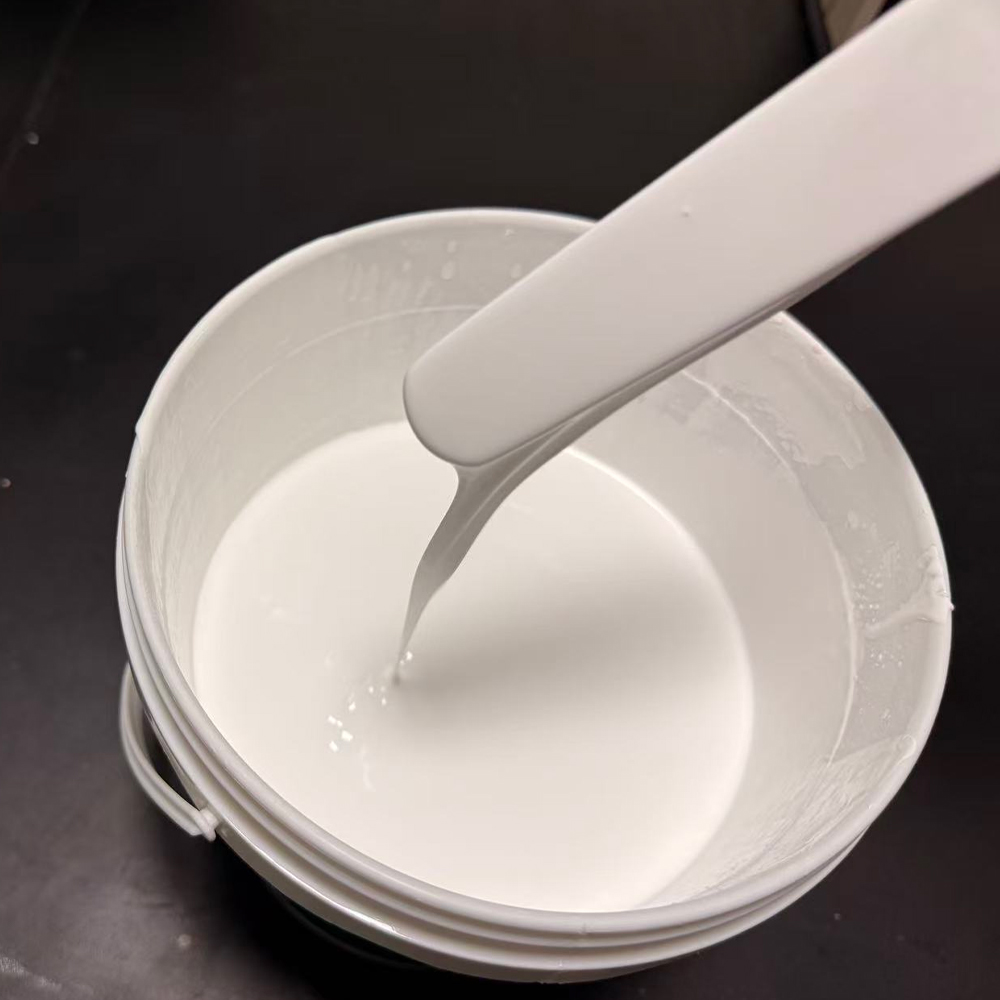
Energy costs represent one of the largest operational expenses for commercial facilities, industrial warehouses, and institutional buildings worldwide. Radiative cooling film offers a proven passive cooling technology that can significantly reduce cooling loads without requiring active mechanical systems. By implementing radiative cooling film, facility managers and building owners can capture substantial savings on energy bills while improving indoor comfort and reducing their carbon footprint. This innovative approach harnesses the Earth's natural radiative cooling potential to maintain lower surface temperatures, directly decreasing the demand on air conditioning systems and other active cooling equipment.
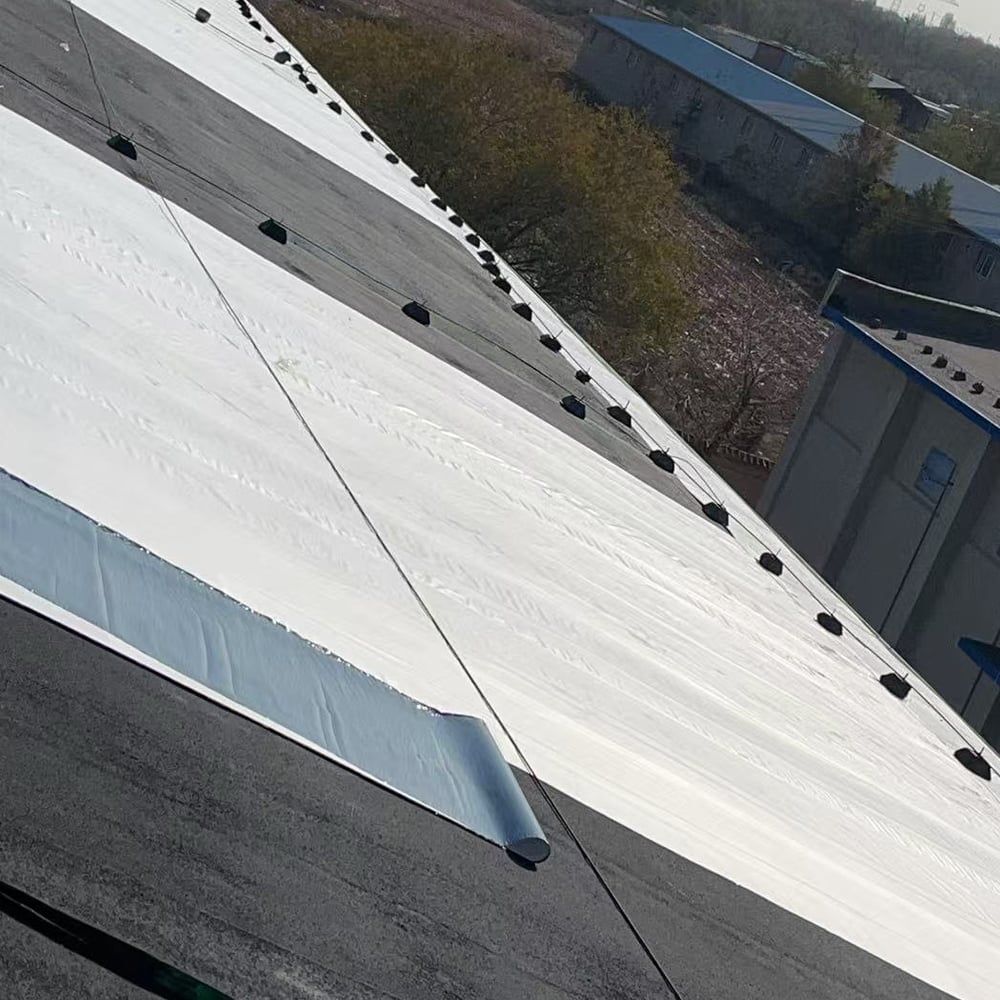
Radiative cooling film functions by reflecting solar radiation and emitting heat in the infrared spectrum that passes through the atmospheric window directly to space. Unlike conventional reflective coatings that trap heat, radiative cooling film achieves net cooling even during daytime hours, maintaining cooler surface temperatures than ambient air. This fundamental difference makes radiative cooling film exceptionally effective for reducing thermal loads on roofs, exterior walls, and industrial equipment, translating into measurable reductions in cooling energy consumption and corresponding decreases in monthly utility bills.
Understanding Energy Savings Potential With Radiative Cooling Film
How Radiative Cooling Film Reduces Cooling Loads
The primary mechanism behind energy savings with radiative cooling film involves passive heat rejection that operates continuously, independent of electrical power. When radiative cooling film is applied to roof surfaces or exterior walls, it reflects incoming solar radiation while simultaneously emitting thermal energy directly to space through the atmospheric infrared window. This dual action reduces the surface temperature below ambient air temperature, creating a natural cooling effect that minimizes heat transfer into the building interior. As a result, air conditioning systems require less runtime and reduced operational capacity to maintain desired indoor temperatures, which directly translates to lower energy consumption and reduced billing.
Building Type and Climate Factors
Radiative cooling film delivers the most significant energy savings in climates with clear skies and low humidity, where the atmospheric window remains open for extended periods. Commercial buildings in arid and semi-arid regions typically experience the greatest financial benefit from radiative cooling film implementation. However, even in temperate climates with moderate humidity, radiative cooling film provides meaningful energy reductions during spring, summer, and early fall months when cooling loads are highest. Industrial facilities, data centers, warehouses, and manufacturing plants experience particularly pronounced savings because these structures typically have large roof areas and high internal heat generation that places continuous demand on cooling systems.
Quantifying Energy Bill Reduction Through Radiative Cooling Film
Energy Savings Calculations and ROI
Typical installations of radiative cooling film achieve surface temperature reductions of 5 to 15 degrees Celsius compared to conventional roofing materials, depending on climate conditions and surface properties. These temperature reductions translate into cooling energy savings ranging from 10 to 30 percent for facilities where cooling represents a major operational cost. A commercial building with annual cooling costs of 50,000 dollars could potentially save 5,000 to 15,000 dollars annually by implementing radiative cooling film across roof and wall surfaces. The actual savings depend on local electricity rates, building insulation levels, existing HVAC efficiency, climate zone, and the total area covered with radiative cooling film.
Cost-Benefit Analysis and Payback Period
Radiative cooling film installation costs typically range from 15 to 40 dollars per square meter, varying based on surface preparation requirements and geographic location. For a 1,000 square meter roof installation, total implementation costs generally fall between 15,000 and 40,000 dollars. Given annual energy savings of 5,000 to 15,000 dollars, most facilities achieve payback within 2.5 to 8 years, with many installations breaking even in 3 to 5 years. Beyond the payback period, radiative cooling film continues generating positive financial returns for 15 to 20 years of operational life, making it a highly attractive long-term investment for reducing energy bills.
Implementation Considerations for Radiative Cooling Film
Application Methods and Surface Preparation
Proper installation of radiative cooling film requires thorough surface cleaning and preparation to ensure optimal adhesion and performance. Radiative cooling film can be applied to existing roofing materials, metal surfaces, concrete, and properly prepared walls through spray coating, roller application, or membrane installation methods. The application technique affects both initial costs and long-term durability of the radiative cooling film performance. Professional installation ensures uniform coverage and maximum reflectivity of the radiative cooling film, which directly impacts the magnitude of energy savings achieved.
Maintenance and Performance Monitoring
Radiative cooling film requires periodic cleaning to maintain reflectivity and radiative properties, as dust and debris accumulation reduces effectiveness. Most facilities establish quarterly or semi-annual cleaning schedules to preserve the radiative cooling film's performance characteristics. Monitoring indoor temperatures and comparing cooling system runtime before and after radiative cooling film installation provides concrete data on energy savings being achieved. Building management systems can track energy consumption trends and facility operators can verify that the radiative cooling film is delivering expected reductions in cooling energy bills over time.
FAQ
What is the typical energy savings percentage from radiative cooling film?
Radiative cooling film typically reduces cooling energy consumption by 10 to 30 percent, depending on climate, building characteristics, and the percentage of building surfaces covered. Facilities in hot, arid climates with clear skies generally achieve savings at the higher end of this range, while temperate climate facilities experience more moderate savings. The actual energy bill reduction depends on your local electricity rates and current cooling system efficiency.
How long does radiative cooling film last before needing replacement?
Quality radiative cooling film installations typically maintain performance for 15 to 20 years with proper maintenance and periodic cleaning. The longevity of radiative cooling film depends on the specific product formulation, environmental exposure conditions, and maintenance practices implemented. Regular cleaning and inspection help maximize the lifespan of radiative cooling film and maintain consistent energy savings throughout its operational life.
Can radiative cooling film be applied to any roof or building surface?
Radiative cooling film can be applied to most roof surfaces including flat roofs, sloped roofs, metal roofing, concrete, and exterior walls, provided proper surface preparation is completed. Some specialized radiative cooling film formulations are specifically designed for different substrates and climatic conditions. It is important to consult with installation specialists to determine the most suitable radiative cooling film product for your specific building materials and climate zone to ensure optimal performance and energy savings.