
 EN
EN
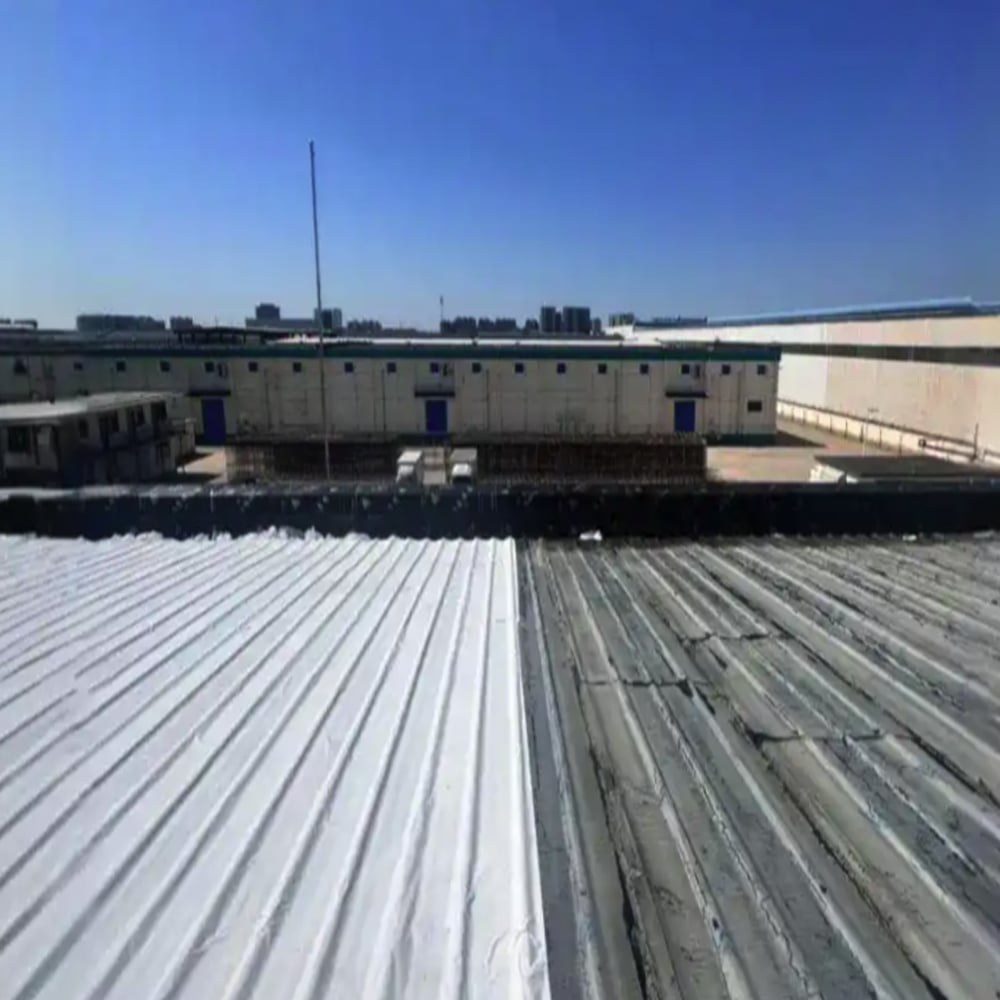
Summer heat poses one of the most significant operational challenges for factory managers. Rising indoor temperatures drive up air conditioning costs, reduce worker productivity, and strain equipment performance. While traditional roofing materials absorb and re-radiate solar heat, radiative cooling steel plates represent a fundamentally different approach. These advanced materials reflect sunlight and emit thermal radiation back into space, keeping roof surfaces and interior spaces substantially cooler without active refrigeration. Understanding whether your factory roof is ready for summer means evaluating how radiative cooling steel plates can transform your facility's thermal performance and bottom line.
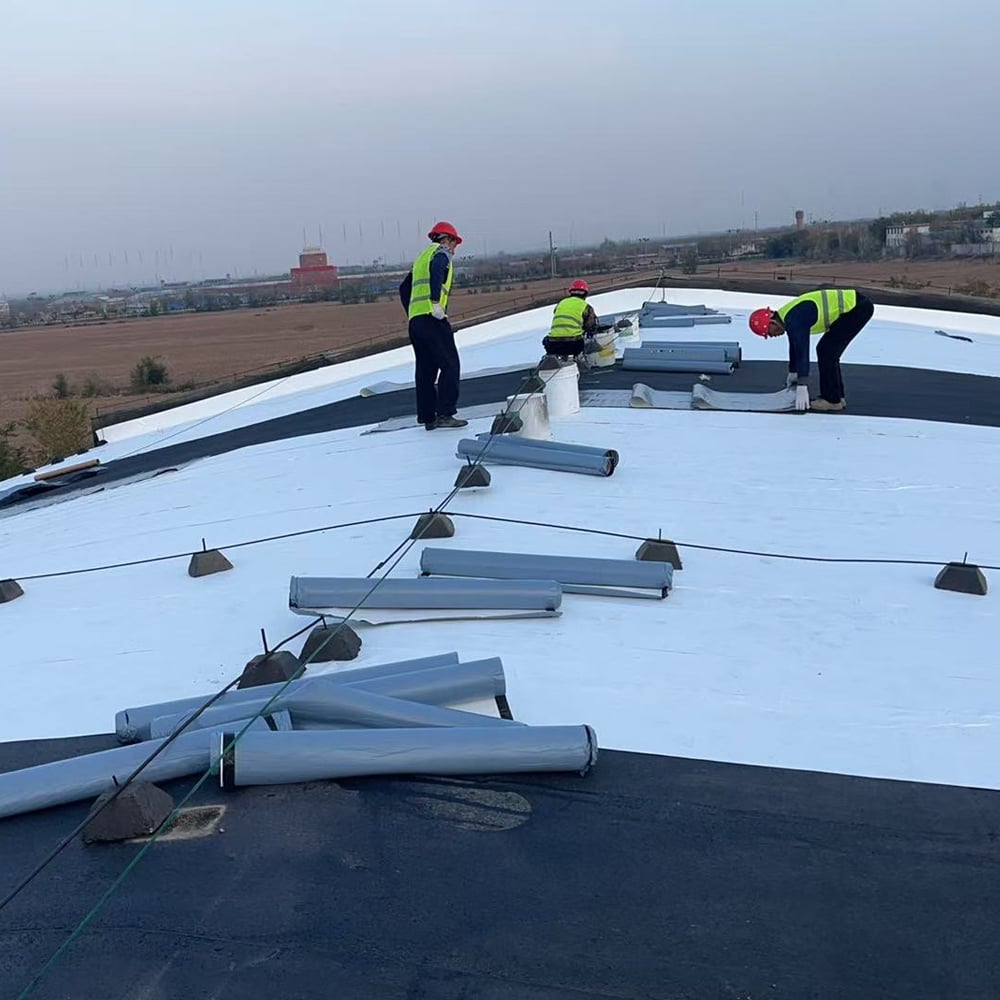
Radiative cooling steel plates work through a dual-layer mechanism: high solar reflectivity and high thermal emissivity. During the day, the reflective surface bounces away up to 95 percent of incoming solar radiation, preventing heat absorption into the roof structure. At night and during cooler hours, the material's emissivity allows it to release absorbed thermal energy directly to the sky. This passive cooling effect means radiative cooling steel plates can maintain surface temperatures 10-20°C below ambient conditions, even in direct sunlight. For factories planning seasonal upgrades or new construction, this passive technology offers immediate energy savings with minimal maintenance.
How Radiative Cooling Steel Plates Reduce Summer Energy Demand
Passive Cooling Mechanism and Roof Temperature Control
The physics behind radiative cooling steel plates centers on solar reflectance and thermal radiation. A typical radiative cooling steel plate combines a white or light-colored reflective coating with a specialized underlayer that maximizes infrared emissivity. When sunlight hits the surface, most of it bounces back into the atmosphere rather than converting to heat. This reflective property alone can reduce roof surface temperatures by 15-25°C compared to conventional dark roofing. The radiative cooling steel plates also emit long-wavelength infrared radiation that passes through the atmospheric window—the part of Earth's atmosphere transparent to infrared—allowing heat to escape directly into space. This combination creates a continuous cooling effect throughout daylight hours.
For factory operators, lower roof temperatures mean dramatically reduced heat transfer into interior spaces. When roof surface temperatures drop, the temperature differential driving heat conduction through insulation and into the building interior decreases proportionally. A typical factory equipped with radiative cooling steel plates can see interior temperatures 5-12°C lower than facilities with standard roofing, without running additional cooling equipment. This passive benefit extends the effectiveness of existing HVAC systems and reduces their runtime during peak heat periods. Because radiative cooling steel plates require no electricity or mechanical activation, they deliver savings 24/7 without operational cost.
Energy Cost Impact and Payback Economics
Industrial facilities typically dedicate 30-40 percent of annual energy budgets to cooling and temperature management. In hot climates or during summer peaks, this percentage rises significantly. Installing radiative cooling steel plates can reduce cooling energy consumption by 20-35 percent, depending on roof area, insulation existing, and local climate conditions. For a mid-sized factory with 10,000 square meters of roof space, this translates to thousands of dollars in annual utility savings. Radiative cooling steel plates also reduce peak demand charges, which utilities impose during high-consumption periods. By flattening daily temperature curves and reducing daytime cooling load, these materials help factories avoid expensive demand penalties. Many facilities achieve payback on radiative cooling steel plates within 3-5 years through direct energy savings alone.
Assessing Your Factory's Readiness for Radiative Cooling Installation
Evaluating Current Roof Condition and Structural Compatibility
Before committing to radiative cooling steel plates, factory managers must assess whether the existing roof structure can support them. Radiative cooling steel plates are typically lightweight—comparable to or lighter than conventional roofing materials—making them suitable for most industrial buildings. However, the installation process requires removing old roofing material and preparing the underlying structure. A structural engineer should verify that roof framing, joists, and support beams can handle installation equipment and the weight of radiative cooling steel plates plus any required underlayment. Buildings with aged or compromised roof decking may need reinforcement before radiative cooling steel plates can be safely installed. For facilities planning major maintenance or replacement anyway, integrating radiative cooling steel plates makes economic sense because removal costs are incurred regardless.
Climate classification and seasonal temperature patterns also influence readiness. Radiative cooling steel plates deliver maximum benefit in facilities with consistent summer heat, high solar exposure, and moderate to high cooling demand. Factories in tropical or subtropical regions see the greatest ROI because the cooling season is longer and temperature differentials larger. Even facilities in temperate zones can benefit from radiative cooling steel plates because summer cooling loads compress into shorter periods with higher intensity. Geographic location, roof orientation, shading from adjacent structures, and ventilation patterns should all factor into a readiness assessment. Facilities with south or west-facing roofs typically prioritize radiative cooling steel plates because these exposures receive the most intense afternoon solar radiation.
Financial Planning and Incentive Identification
Capital budgeting for radiative cooling steel plates should incorporate both direct material costs and installation labor. Material pricing varies based on coating specifications, steel gauge, and surface finish, but radiative cooling steel plates typically cost 15-30 percent more than conventional roofing per square meter. Installation labor is comparable to standard roofing replacement, though contractors experienced with radiative cooling steel plates may command premium rates. However, many regions offer energy efficiency rebates, tax credits, or sustainability incentives for facilities installing radiative cooling steel plates. Government programs, utility company rebates, and environmental certifications can offset 20-40 percent of material and labor costs. Facilities should research local incentive programs before finalizing budgets for radiative cooling steel plates. Some jurisdictions classify radiative cooling steel plates as green building technology, qualifying projects for accelerated depreciation or energy efficiency tax deductions.
Operational Benefits Beyond Direct Energy Savings
Worker Comfort and Productivity Gains
Interior temperature reduction from radiative cooling steel plates directly improves worker comfort and safety. Factories operating in hot climates often struggle with worker exhaustion, heat-related illness, and reduced productivity during summer months. By maintaining cooler interior conditions, radiative cooling steel plates extend the comfortable working zone and reduce occupational heat stress. Studies in industrial settings show that 2-3°C reductions in ambient temperature correlate with 5-10 percent improvements in task productivity and reduced error rates. Workers experience fewer rest breaks due to heat, less fatigue-related incidents, and improved morale. These human factors represent significant but often overlooked value beyond energy metering. Facilities with high labor intensity or safety-critical operations may justify radiative cooling steel plates investment primarily on productivity and safety grounds, with energy savings serving as additional benefit.
Equipment Longevity and Maintenance Cost Reduction
Electronic components, hydraulic systems, and mechanical equipment all suffer accelerated wear in high-temperature environments. Radiative cooling steel plates reduce thermal stress on machinery by maintaining cooler operating conditions inside the facility. Lower ambient temperatures mean HVAC equipment runs shorter cycles with lower compressor discharge temperatures, extending service life by 2-4 years. Electrical systems, transformers, and control panels operate more efficiently at lower temperatures, reducing cooling requirements for separate equipment-specific cooling systems. Some facilities report 15-25 percent extensions in maintenance intervals for HVAC components after installing radiative cooling steel plates. This extended equipment lifespan, combined with reduced cooling system runtime, creates secondary cost savings that compound over the facility's operational lifetime.
Implementation Strategy and Best Practices
Phased Rollout and Pilot Project Approach
Factory managers with concerns about radiative cooling steel plates performance or reliability can implement a phased approach. Installing radiative cooling steel plates on a high-priority section—such as areas with the greatest heat load or highest cooling costs—provides real-world performance data before full-facility commitment. Pilot installations allow facility teams to validate claimed temperature reductions, monitor actual energy consumption changes, and assess installation quality and contractor expertise. Radiative cooling steel plates on pilot sections can be monitored with IR thermography and energy metering to quantify actual performance versus projections. Successful pilots build internal confidence and provide documentation for securing approval and budget for broader radiative cooling steel plates deployment. This staged approach also spreads capital expenditure across multiple fiscal periods, easing budget constraints for larger facilities.
Maintenance and Long-Term Performance Preservation
Radiative cooling steel plates require minimal maintenance compared to conventional roofing, but proper care preserves long-term performance. The reflective coating gradually accumulates dust and dirt over months and years, reducing solar reflectance and radiative cooling steel plates effectiveness by 5-15 percent if left uncleaned. Semi-annual or annual gentle washing with soft brushes and neutral pH solutions restores reflectance and maintains peak performance. Radiative cooling steel plates should not be power-washed or scrubbed aggressively, as this can damage the reflective coating. Inspection for rust, corrosion, or sealant degradation should occur annually, particularly in coastal or highly corrosive environments. Properly maintained radiative cooling steel plates deliver full performance throughout their 20-25 year service life, ensuring sustained energy savings and return on investment.
FAQ
What is the typical temperature reduction achieved with radiative cooling steel plates?
Radiative cooling steel plates typically reduce roof surface temperatures by 15-25°C compared to conventional dark roofing in direct sunlight. Interior temperature reductions typically range from 5-12°C, depending on roof area, insulation thickness, ventilation, and external climate conditions. The passive cooling effect is most pronounced during peak afternoon hours when solar radiation is strongest. Temperature reduction performance of radiative cooling steel plates is consistent and predictable across similar climate zones and building types.
How long does it take to recover the investment in radiative cooling steel plates?
Most facilities achieve payback on radiative cooling steel plates within 3-5 years through direct energy savings alone. Payback timeline depends on local electricity rates, facility cooling load, roof area, and available incentives or rebates for radiative cooling steel plates installation. Facilities in hot climates with high cooling demand may recover costs within 2-3 years, while temperate-zone facilities typically require 4-6 years. When accounting for extended equipment lifespan, reduced maintenance costs, and productivity gains from cooler working environments, total value proposition for radiative cooling steel plates becomes even more attractive.
Can radiative cooling steel plates be installed on existing roofs or only new construction?
Radiative cooling steel plates can be installed on both existing roofs and new construction. Retrofit applications require removing existing roofing material and preparing the roof deck, similar to standard roof replacement procedures. New construction facilities can specify radiative cooling steel plates from the design phase, potentially optimizing structural design for radiative cooling steel plates characteristics. Retrofit installations typically take 2-4 weeks depending on roof area and weather conditions. Both retrofit and new construction approaches deliver equivalent long-term performance and energy savings from radiative cooling steel plates.