
 EN
EN
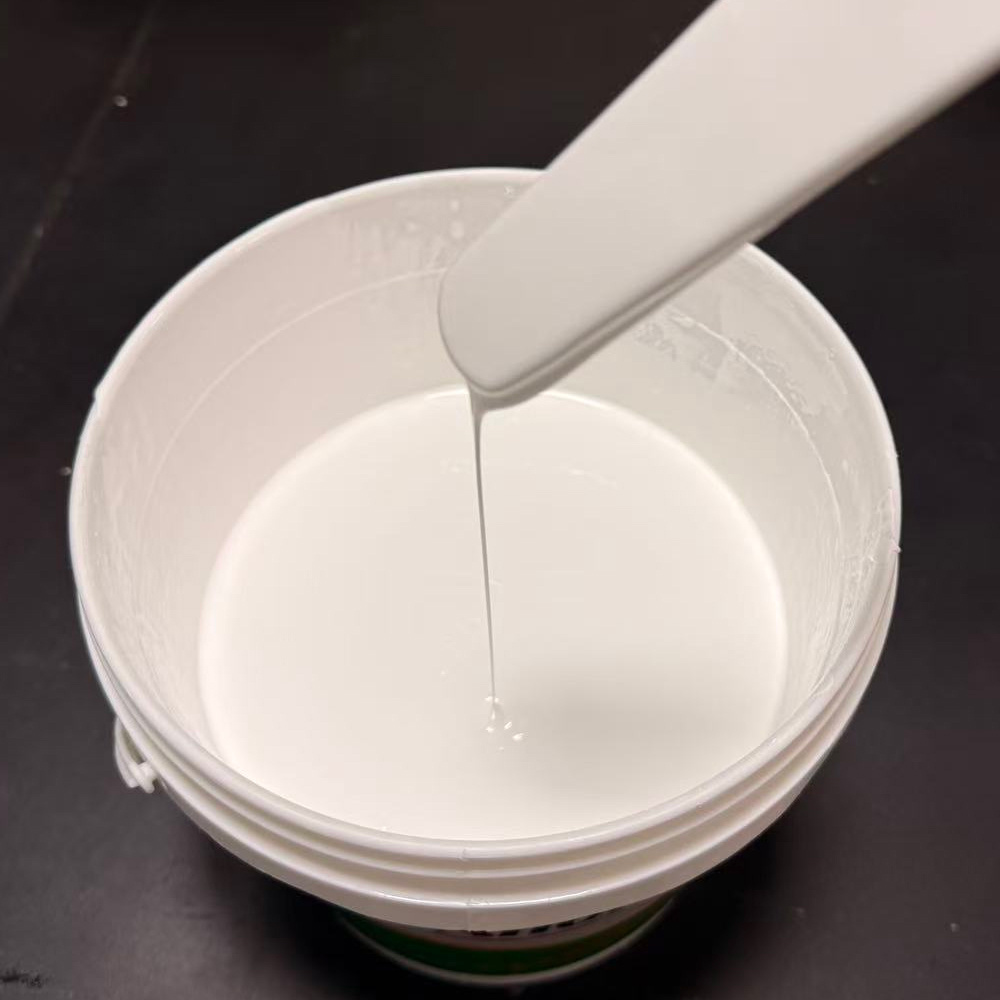
Outdoor power equipment faces constant exposure to intense solar radiation and ambient heat, making thermal management a critical operational challenge. Radiative cooling film has emerged as an effective passive cooling solution that can significantly reduce equipment surface temperatures without requiring active mechanical systems or electrical input. By leveraging advanced material science, radiative cooling film works by reflecting solar energy while simultaneously emitting thermal radiation to space, creating a natural cooling effect that protects equipment from dangerous overheating and extends operational lifespan.
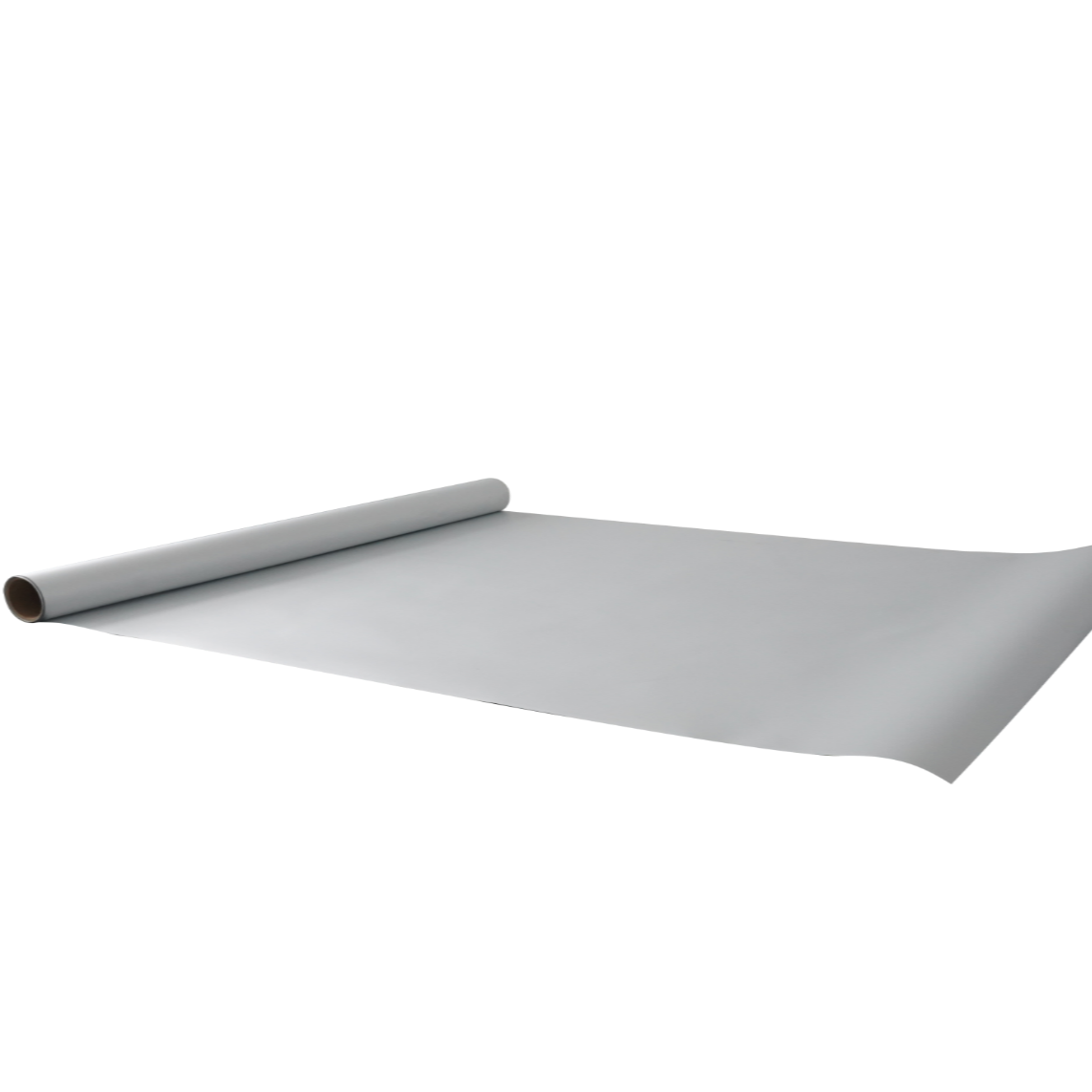
Protecting outdoor power equipment with radiative cooling film provides a cost-effective, maintenance-free alternative to traditional cooling methods. Unlike conventional cooling systems that consume energy and require ongoing service, radiative cooling film operates continuously without moving parts, electricity, or refrigerant. This passive approach is particularly valuable for remote installations, mobile equipment, and facilities where power availability is limited or where reducing operational costs is essential.
Understanding How Radiative Cooling Film Works
The Science Behind Radiative Cooling Technology
Radiative cooling film functions by exploiting the Earth's atmospheric transparency window, a spectral range where thermal radiation passes through the atmosphere into space. The material is engineered with a multi-layer structure that reflects incoming solar radiation while emitting infrared energy at wavelengths that escape through this atmospheric window. When applied to outdoor power equipment surfaces, radiative cooling film can achieve sub-ambient temperatures, meaning the equipment surface remains cooler than the surrounding air temperature, even under direct sunlight.
The effectiveness of radiative cooling film depends on several material properties. The film must demonstrate high solar reflectance to minimize heat absorption from the sun, typically exceeding 90 percent reflectivity across the visible and near-infrared spectrum. Simultaneously, the radiative cooling film must exhibit high thermal emittance in the mid-to-far infrared range, allowing rapid heat dissipation to the cold space environment. These dual properties work synergistically to prevent heat accumulation on equipment surfaces.
Thermal Performance Benefits for Power Equipment
When radiative cooling film is applied to outdoor power equipment, temperature reductions of 10 to 30 degrees Celsius are commonly achieved compared to uncoated surfaces under identical sunlight conditions. Lower operating temperatures directly enhance equipment reliability, as most electrical and mechanical components experience reduced degradation rates at cooler temperatures. Radiative cooling film helps prevent thermal stress on electronics, extends battery life in battery-powered equipment, and reduces the risk of component failure from heat-induced expansion and contraction cycles.
Power equipment operating at reduced temperatures also demonstrates improved efficiency and performance consistency. Many outdoor generators, air compressors, welding machines, and power tools experience performance degradation when internal temperatures exceed manufacturer specifications. By maintaining lower equipment temperatures, radiative cooling film helps maintain consistent power output, prevents thermal shutdowns, and enables longer operating periods without cooling intervals.
Installation and Application Methods
Surface Preparation and Application Process
Successful deployment of radiative cooling film begins with thorough surface preparation of the outdoor power equipment. The target surfaces must be cleaned to remove dirt, dust, oil residue, and any oxidation that could interfere with adhesive contact. For metal surfaces, light sanding followed by degreasing ensures optimal adhesion of radiative cooling film to the equipment housing. The cleanliness of the surface directly impacts the longevity and cooling effectiveness of the applied film.
Most radiative cooling film products feature self-adhesive backing that simplifies application without requiring additional fasteners or sealants. The film is carefully positioned on the cleaned surface and smoothed gradually from one end to the other, removing air bubbles to ensure complete contact between the radiative cooling film and the equipment surface. For curved or complex equipment geometries, the film can be heated slightly to improve flexibility and conformability. Careful application of radiative cooling film prevents wrinkles, creases, and areas of poor adhesion that could compromise thermal performance.
Coverage Strategy and Areas of Highest Impact
Optimal placement of radiative cooling film focuses on surfaces that receive direct sunlight exposure and areas where heat generation is most concentrated. For most outdoor power equipment, radiative cooling film should prioritize the top horizontal surfaces, south-facing sides, and the equipment housing sections that contain heat-generating components. Complete coverage of the equipment exterior maximizes the cooling benefit, though partial coverage of high-exposure areas still provides meaningful temperature reduction when full application is not feasible.
When applying radiative cooling film to outdoor power equipment, special attention should be given to ventilation openings and airflow pathways. The film should never completely obstruct cooling air intakes or exhaust vents, as these components are essential for internal heat dissipation. Strategically placed radiative cooling film around rather than over these openings maintains both passive radiative cooling and active convective cooling within the equipment, achieving synergistic thermal management.
Durability, Maintenance, and Long-Term Performance
Environmental Resistance and Material Longevity
Quality radiative cooling film is engineered to withstand harsh outdoor environments including UV radiation, moisture, temperature fluctuations, and mechanical stress. The material typically features UV-stabilized polymeric layers that resist degradation from prolonged sun exposure, maintaining reflectance and emittance properties over extended service periods. Advanced radiative cooling film products incorporate protective coatings that enhance resistance to weathering, extending the effective lifespan to five to ten years or longer depending on environmental severity.
The adhesive layer of radiative cooling film must remain effective under thermal cycling, where equipment surfaces expand and contract with temperature changes. Premium formulations use moisture-resistant adhesives that prevent edge lifting and delamination even in humid climates or areas with significant precipitation. Testing radiative cooling film for resistance to salt spray, ozone, and extreme temperature ranges ensures that the material maintains adhesion and performance integrity throughout its operational life on outdoor power equipment.
Cleaning and Maintenance Requirements
Maintaining radiative cooling film applied to outdoor power equipment requires only occasional gentle cleaning to preserve optical properties. Dust, pollen, and atmospheric particles gradually accumulate on the film surface, slightly reducing solar reflectance and thermal emittance. Periodic cleaning with soft brushes or low-pressure water rinsing removes surface contamination and restores cooling efficiency without damaging the radiative cooling film material itself.
Unlike active cooling systems, radiative cooling film requires no mechanical maintenance, refrigerant replenishment, or electrical troubleshooting. Inspections should focus on checking for edge separation, cracks, or areas of film damage that might expose underlying equipment surfaces to UV radiation. If damage to radiative cooling film is detected, localized repairs using compatible patches or complete re-application of new radiative cooling film film sections can restore full protective coverage and thermal performance.
FAQ
How much temperature reduction can radiative cooling film provide on outdoor power equipment?
Radiative cooling film typically reduces equipment surface temperatures by 10 to 30 degrees Celsius compared to uncoated surfaces under direct sunlight, depending on material quality, atmospheric conditions, and equipment geometry. The exact temperature reduction varies based on solar irradiance intensity, ambient air temperature, and the thermal properties of the underlying equipment. Testing with your specific outdoor power equipment and local climate conditions provides the most accurate performance prediction for radiative cooling film deployment.
Can radiative cooling film be applied to all types of outdoor power equipment?
Radiative cooling film works effectively on most outdoor power equipment including generators, air compressors, welding machines, power tools, transformers, and mechanical equipment where surface temperature control is beneficial. The film should not obstruct ventilation openings, control panels, or equipment interfaces. For equipment with moving parts or surfaces subject to frequent flexing, proper application and periodic inspection ensure radiative cooling film remains securely adhered and functional throughout its service life.
What is the typical lifespan of radiative cooling film on outdoor equipment?
High-quality radiative cooling film typically lasts five to ten years on outdoor power equipment when properly installed and maintained. Lifespan depends on climate severity, UV exposure intensity, temperature cycling frequency, and environmental pollution levels. Regular gentle cleaning and inspection for damage help maximize the operational life of radiative cooling film, making it a cost-effective long-term cooling solution compared to mechanical cooling systems requiring continuous energy input and maintenance.