
 EN
EN

Aerogel stands as one of the most remarkable materials ever engineered, earning its reputation as the world's lightest solid while simultaneously functioning as an exceptional thermal barrier. This extraordinary substance, sometimes called 'frozen smoke' due to its translucent appearance and ethereal quality, consists of up to 99.8% air by volume, yet maintains a solid structure capable of supporting thousands of times its own weight. The unique combination of extreme lightness and superior insulation properties has positioned aerogel as a transformative material across industries ranging from aerospace engineering to building construction, where thermal management and weight reduction are critical performance factors.
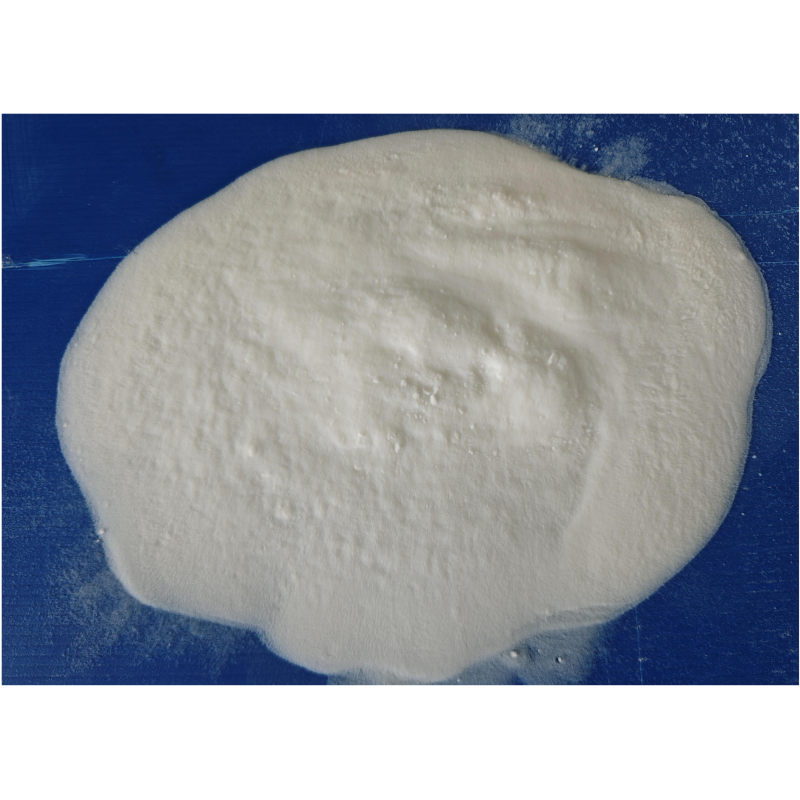
Understanding what makes aerogel simultaneously the lightest solid material and an incredible thermal insulator requires examining its nanostructured architecture, the physics governing its thermal properties, and the manufacturing processes that create this extraordinary material. The answers lie in the fundamental relationship between material structure at the nanoscale and macroscopic physical properties, revealing why aerogel represents a breakthrough in materials science that continues to expand into new applications requiring extreme performance characteristics in challenging thermal environments.
The Structural Foundation Behind Aerogel's Record-Breaking Lightness
Nanostructured Architecture and Porosity Characteristics
The extraordinary lightness of aerogel originates from its highly porous nanostructured architecture, where the solid component comprises as little as 0.2% of the total volume while the remaining space contains air or gas. This structure forms through a sol-gel process where liquid solvents are carefully removed from a gel while preserving the delicate solid network, creating a three-dimensional framework of interconnected nanoparticles typically measuring between 2 and 10 nanometers in diameter. The resulting material possesses porosities exceeding 95% and often reaching 99.8%, with pore sizes predominantly in the mesoporous range of 10 to 100 nanometers, creating an incredibly low-density solid that can have densities as low as 0.0011 grams per cubic centimeter.
This nanoscale architecture of aerogel creates a fractal-like network where solid pathways form continuous connections throughout the material while maximizing void space. The individual nanoparticles cluster together through weak van der Waals forces and chemical bonds, creating chains and networks that extend throughout the material in a random, tortuous pattern. This structural arrangement provides sufficient mechanical integrity to maintain shape and bear loads despite the minimal solid content, allowing aerogel to support objects weighing thousands of times more than the material itself while maintaining its position as the world's lightest solid.
Composition Variations and Density Control
While silica-based aerogel represents the most common formulation, the material can be synthesized from various precursors including alumina, carbon, organic polymers, and metal oxides, each offering specific performance characteristics while maintaining the fundamental low-density structure. Silica aerogel typically exhibits densities between 0.003 and 0.35 grams per cubic centimeter, with specially processed variants achieving record-low densities that barely exceed the density of air itself. The ability to control density during manufacturing allows engineers to optimize aerogel for specific applications, balancing lightness against mechanical strength, thermal performance, and cost considerations.
The manufacturing process directly influences the final density and pore structure of aerogel through careful control of gelation chemistry, aging conditions, and drying methods. Supercritical drying, the most common technique for producing high-quality aerogel, removes liquid solvents without imposing capillary forces that would collapse the delicate nanostructure, preserving the maximum possible porosity. Alternative methods such as ambient pressure drying with surface modification can produce slightly denser aerogel at lower manufacturing costs, offering practical options for applications where extreme lightness is less critical than thermal performance and economic viability.
Mechanical Properties Despite Minimal Mass
Despite its extreme lightness, aerogel demonstrates surprising mechanical capabilities when load is distributed across its structure, though it remains brittle and fractures under concentrated stress or impact. The continuous solid network provides load-bearing pathways that transfer stress throughout the material, allowing properly supported aerogel to withstand significant compression while maintaining its insulating properties. Research has shown that aerogel can support loads exceeding 2000 times its own weight when force is evenly distributed, demonstrating that the nanostructured architecture provides functional mechanical performance despite containing minimal solid material.
The brittleness of traditional aerogel has driven development of reinforced formulations incorporating fiber networks, polymer binders, or composite structures that maintain low density while improving flexibility and durability. These enhanced aerogel materials sacrifice some degree of lightness to achieve practical handling characteristics and resistance to damage during installation and service, making the material more viable for industrial applications where pure aerogel would be too fragile. The evolution toward mechanically robust aerogel formulations demonstrates how materials science continues refining this remarkable substance to expand its practical utility beyond laboratory demonstrations.
The Physics of Thermal Resistance in Aerogel Materials
Suppression of Gas-Phase Heat Transfer
The exceptional thermal insulation performance of aerogel results from its ability to suppress all three modes of heat transfer—conduction, convection, and radiation—through its unique nanostructure. Gas-phase conduction, normally the dominant heat transfer mechanism in porous materials, becomes severely limited when pore sizes approach the mean free path of air molecules, which is approximately 70 nanometers at atmospheric pressure and room temperature. The mesoporous structure of aerogel constrains air molecules within spaces smaller than their natural travel distance between collisions, creating what physicists call the Knudsen effect, where gas molecules collide more frequently with pore walls than with other gas molecules, dramatically reducing their ability to transfer thermal energy.
This suppression of gas-phase conduction reduces the thermal conductivity contribution from air trapped within aerogel pores to approximately one-third of the normal value for still air, providing a fundamental advantage over conventional insulation materials with larger pore structures. The effectiveness of this mechanism increases as pore sizes decrease below 100 nanometers, explaining why aerogel with its nanoscale porosity achieves thermal conductivities as low as 0.013 watts per meter-kelvin at atmospheric pressure, significantly outperforming traditional insulation materials. Furthermore, convective heat transfer becomes essentially impossible within the isolated nanopores of aerogel, eliminating another pathway that compromises conventional insulation performance.
Solid-Phase Conduction Through Tortuous Pathways
While aerogel dramatically reduces gas-phase heat transfer, thermal energy can still conduct through the solid nanoparticle network itself, though this pathway is greatly extended by the tortuous, indirect pathways through the material. The solid fraction of aerogel occupies such a small volume and follows such meandering paths that heat must travel significantly farther than the direct distance between hot and cold surfaces, increasing thermal resistance proportionally. The fractal-like architecture creates a highly inefficient conduction pathway where thermal energy repeatedly encounters dead ends, branches, and indirect routes that dissipate heat and slow its transmission through the material.
The composition of aerogel's solid phase also influences conduction performance, with silica aerogel benefiting from the relatively low thermal conductivity of amorphous silica compared to metals or crystalline ceramics. The point contacts between nanoparticles create additional thermal resistance as heat must transfer across interfaces where contact area is minimal, further impeding solid-phase conduction. This combination of minimal solid content, tortuous pathways, low-conductivity base materials, and limited inter-particle contact points reduces solid-phase conduction to minimal levels, contributing to the overall exceptional thermal barrier performance that makes aerogel valuable for extreme insulation applications.
Radiative Heat Transfer and Opacity Enhancement
At elevated temperatures, radiative heat transfer becomes increasingly significant, potentially compromising the insulation performance of transparent or translucent materials like pure silica aerogel. The semi-transparent nature of undoped aerogel allows infrared radiation to pass through the material relatively freely, creating a heat transfer pathway that bypasses the excellent conduction resistance. To address this limitation, manufacturers often incorporate opacifying agents such as carbon black, titanium dioxide, or silicon carbide particles into aerogel formulations, creating numerous scattering centers that block, absorb, or reflect infrared radiation, dramatically reducing radiative heat transfer through the material.
These opacified aerogel formulations maintain the low thermal conductivity from suppressed gas and solid conduction while adding radiation resistance, achieving total thermal conductivities below 0.020 watts per meter-kelvin even at temperatures exceeding 600 degrees Celsius. The effectiveness of radiation blocking increases with opacifier loading and particle distribution, though excessive additions can increase density and solid-phase conduction, requiring careful optimization to achieve minimum overall thermal conductivity. Advanced aerogel formulations balance these competing factors to deliver maximum thermal resistance across the full operating temperature range, making the material suitable for applications ranging from cryogenic insulation to high-temperature furnace barriers.
Manufacturing Processes That Create Aerogel's Unique Properties
Sol-Gel Chemistry and Network Formation
The creation of aerogel begins with sol-gel chemistry, where precursor molecules react in solution to form colloidal particles that aggregate into a continuous three-dimensional network, transforming liquid into gel. For silica aerogel, the most common formulation, this process typically starts with silicon alkoxide precursors such as tetramethoxysilane or tetraethoxysilane, which undergo hydrolysis and condensation reactions in the presence of catalysts and solvents. These reactions create silica nanoparticles that link together through siloxane bonds, forming chains and clusters that extend throughout the liquid medium, eventually connecting into a space-filling network that immobilizes the solvent and creates a wet gel with the basic structure that will become aerogel.
The conditions during gelation—including precursor concentration, catalyst type and amount, temperature, and reaction time—determine the fundamental nanostructure characteristics that ultimately define aerogel properties. Careful control during this stage establishes pore size distribution, particle size, network connectivity, and density of the wet gel, setting the foundation for the final material performance. After gelation, the wet gel undergoes aging in its mother solution or fresh solvent, allowing continued condensation reactions that strengthen the solid network and improve its ability to withstand subsequent processing steps without collapse or excessive shrinkage.
Supercritical Drying and Structure Preservation
The defining step in aerogel production is the removal of liquid from the gel network while preserving the delicate nanostructure, accomplished most effectively through supercritical drying. This process eliminates the liquid-vapor interface that would otherwise create destructive capillary forces during conventional evaporative drying, which would collapse the fragile nanostructure and destroy the high porosity essential to aerogel properties. Supercritical drying raises the gel solvent above its critical point where distinct liquid and gas phases cease to exist, allowing the fluid to be removed as a supercritical fluid that exerts no surface tension forces on the solid network.
The most common supercritical drying approach uses carbon dioxide, which has a relatively accessible critical point at 31 degrees Celsius and 73 bar pressure, making it safer and more economical than direct supercritical drying of the original gel solvents. Before supercritical drying with carbon dioxide, the gel solvent is typically exchanged with liquid carbon dioxide through multiple washing cycles, then the system is heated above the critical temperature while maintaining pressure, transforming the liquid into supercritical fluid that is gradually vented to leave behind dry aerogel. This careful process preserves the nanoscale architecture created during gelation, yielding the ultra-low-density, highly porous structure responsible for aerogel's unique combination of extreme lightness and superior thermal insulation.
Alternative Production Methods and Commercial Scaling
While supercritical drying produces the highest quality aerogel with maximum porosity and lowest thermal conductivity, alternative manufacturing approaches have been developed to reduce costs and enable larger-scale production. Ambient pressure drying methods modify the gel network through surface chemistry treatments that replace hydroxyl groups with hydrophobic groups, reducing capillary stress during solvent evaporation and allowing drying at normal atmospheric pressure without complete structural collapse. These techniques produce slightly denser aerogel with somewhat reduced insulation performance compared to supercritical-dried material, but at significantly lower manufacturing costs and with simpler equipment requirements.
Recent advances in continuous and semi-continuous aerogel production have improved manufacturing economics and enabled commercial applications previously limited by high costs and batch processing constraints. Rapid supercritical extraction techniques reduce processing time from days to hours, while roll-to-roll manufacturing methods produce aerogel blankets and composites in continuous formats suitable for industrial insulation applications. These manufacturing innovations maintain the fundamental nanostructure responsible for aerogel's exceptional properties while making the material more accessible for widespread commercial deployment in building insulation, industrial thermal management, and specialized applications requiring the unique combination of minimal weight and maximum thermal resistance.
Applications Leveraging Aerogel's Dual Advantages
Aerospace and Transportation Weight-Critical Insulation
The aerospace industry has been an early adopter of aerogel technology, exploiting both its record-setting lightness and thermal barrier capabilities in applications where every gram matters and thermal management is critical. Aerogel insulation protects sensitive instruments and electronics on spacecraft from extreme temperature variations in space, provides thermal protection for Mars rovers operating in frigid conditions, and insulates cryogenic propellant tanks where maintaining ultra-low temperatures with minimal added weight is essential. The combination of properties unavailable in any other material makes aerogel worth its premium cost in these demanding applications where performance requirements exceed the capabilities of conventional alternatives.
In aviation and automotive sectors, aerogel insulation reduces weight while providing thermal protection in applications such as engine compartment insulation, exhaust system heat shields, and cabin climate control systems. The material's ability to provide exceptional thermal resistance in minimal thickness allows designers to achieve insulation performance with significantly less space and weight penalty compared to traditional materials, contributing to fuel efficiency and performance objectives. Electric vehicle battery thermal management systems increasingly incorporate aerogel to maintain optimal operating temperatures while minimizing the weight burden that reduces vehicle range, demonstrating how the material's dual advantages address multiple design constraints simultaneously.
Building and Industrial Energy Efficiency Solutions
The building industry has embraced aerogel insulation for applications where space constraints, thermal bridging concerns, or extreme performance requirements justify the material's higher cost compared to conventional insulation. Aerogel panels and blankets provide superior thermal resistance in thin profiles, making them ideal for insulating existing buildings where interior space is valuable, retrofitting historic structures where thickness limitations exist, or creating high-performance building envelopes that meet increasingly stringent energy codes. The material's hydrophobic nature and moisture resistance provide additional benefits in building applications, maintaining insulation performance even in humid conditions that degrade many conventional materials.
Industrial applications leverage aerogel's thermal barrier properties to improve energy efficiency, protect equipment, and enable processes operating at extreme temperatures. Pipe and equipment insulation using aerogel reduces heat loss from high-temperature systems, maintains cryogenic temperatures in liquefied gas systems, and protects workers and adjacent equipment from thermal hazards. Furnace and kiln insulation incorporating aerogel improves thermal efficiency while reducing the thickness of insulation layers, allowing larger usable volumes within existing equipment footprints. These industrial applications value aerogel's combination of extreme thermal resistance, space efficiency, and temperature stability across the wide operating ranges common in industrial processes.
Specialty Applications Requiring Extreme Performance
Beyond mainstream applications, aerogel finds use in specialized contexts where its unique properties enable capabilities impossible with other materials. Subsea pipeline insulation uses aerogel to maintain flow temperatures and prevent hydrate formation in deepwater oil and gas production systems, where the material's combination of thermal performance, hydrophobic nature, and resistance to water absorption under pressure provides essential functionality. Cold chain logistics and temperature-controlled shipping increasingly incorporate aerogel insulation in compact containers requiring maximum temperature stability with minimal weight and volume, protecting temperature-sensitive pharmaceuticals and biological materials during transport.
Emerging applications continue expanding aerogel utilization into new domains as manufacturing costs decline and material properties improve. Electronic device thermal management uses aerogel to insulate components generating significant heat in compact assemblies, textile manufacturers incorporate aerogel into performance apparel providing warmth without bulk, and water treatment systems employ aerogel as an adsorbent material for removing contaminants. These diverse applications demonstrate how the fundamental properties that make aerogel the world's lightest solid and an incredible thermal barrier continue enabling solutions to technical challenges across an expanding range of industries and technologies.
FAQ
How does aerogel compare to vacuum insulation in thermal performance?
Aerogel and vacuum insulation represent two different approaches to minimizing heat transfer, each with distinct advantages. Vacuum insulation achieves lower thermal conductivity values, typically 0.004 to 0.008 watts per meter-kelvin, by removing air entirely to eliminate gas-phase conduction and convection. However, vacuum panels require rigid, sealed enclosures to maintain the vacuum, making them fragile, difficult to cut or modify on-site, and subject to performance degradation if the seal is breached. Aerogel provides thermal conductivity of 0.013 to 0.020 watts per meter-kelvin while remaining flexible in blanket forms, cuttable to fit irregular shapes, and maintaining performance even if punctured or damaged. For applications requiring maximum performance regardless of handling constraints, vacuum insulation may be preferred, while aerogel offers superior practical advantages for most building and industrial installations where ease of handling, installation flexibility, and durability are important considerations.
Can aerogel be made transparent while maintaining its insulation properties?
Silica aerogel in its pure form exhibits significant transparency, transmitting visible light while providing thermal insulation, creating unique opportunities for glazing applications such as windows and skylights. However, the same transparency that allows visible light to pass also permits infrared radiation to transmit through the material, reducing its effective thermal resistance at elevated temperatures. Transparent aerogel glazing can achieve thermal conductivities around 0.017 to 0.020 watts per meter-kelvin while maintaining light transmission of 85 to 95 percent, offering substantially better insulation than conventional double-pane windows with similar clarity. For applications requiring insulation at higher temperatures or maximum thermal resistance regardless of transparency, opacified aerogel formulations with added infrared-blocking particles provide superior performance by suppressing radiative heat transfer. The choice between transparent and opacified aerogel depends on whether the application values daylighting and visibility or prioritizes maximum thermal resistance across all temperature ranges.
What factors limit wider adoption of aerogel despite its superior properties?
The primary barrier to broader aerogel adoption remains manufacturing cost, which typically ranges from ten to fifty times higher than conventional insulation materials on a per-volume basis, though the cost per unit of thermal resistance is more competitive due to aerogel's superior performance. The complex production process involving sol-gel chemistry, solvent exchange, and supercritical drying requires specialized equipment and longer processing times compared to commodity insulation manufacturing, resulting in higher unit costs that limit applications to those where performance benefits justify the premium. Additionally, the brittle nature of pure aerogel and its tendency to generate dust during handling have required development of composite formulations and careful packaging, adding further cost and complexity. As manufacturing technologies advance and production scales increase, costs continue declining, gradually expanding the range of applications where aerogel provides economic value. Current trends suggest aerogel will first achieve broader market penetration in applications with space constraints, extreme performance requirements, or weight limitations before eventually becoming competitive for general-purpose insulation as costs approach those of premium conventional materials.
Does aerogel degrade over time or lose its insulation performance?
Properly formulated aerogel demonstrates excellent long-term stability and maintains its thermal performance over decades of service when protected from conditions that could damage its structure. Silica aerogel is chemically inert and does not degrade from thermal cycling, UV exposure, or normal atmospheric conditions, with accelerated aging tests suggesting functional lifetimes exceeding fifty years in typical building and industrial applications. The primary concern for long-term performance is moisture absorption in hydrophilic aerogel formulations, which can increase thermal conductivity and potentially lead to structural degradation through freeze-thaw cycling, though modern hydrophobic surface treatments largely eliminate this concern. Mechanical damage from compression, impact, or vibration can fracture the brittle nanostructure and increase density in affected areas, potentially reducing insulation performance locally, though composite aerogel blankets with fiber reinforcement resist such damage effectively. When properly specified for application conditions and protected from mechanical abuse, aerogel insulation maintains its exceptional thermal barrier properties throughout service life, providing reliable long-term performance that justifies initial investment in applications where durability and sustained efficiency are valued.