
 EN
EN
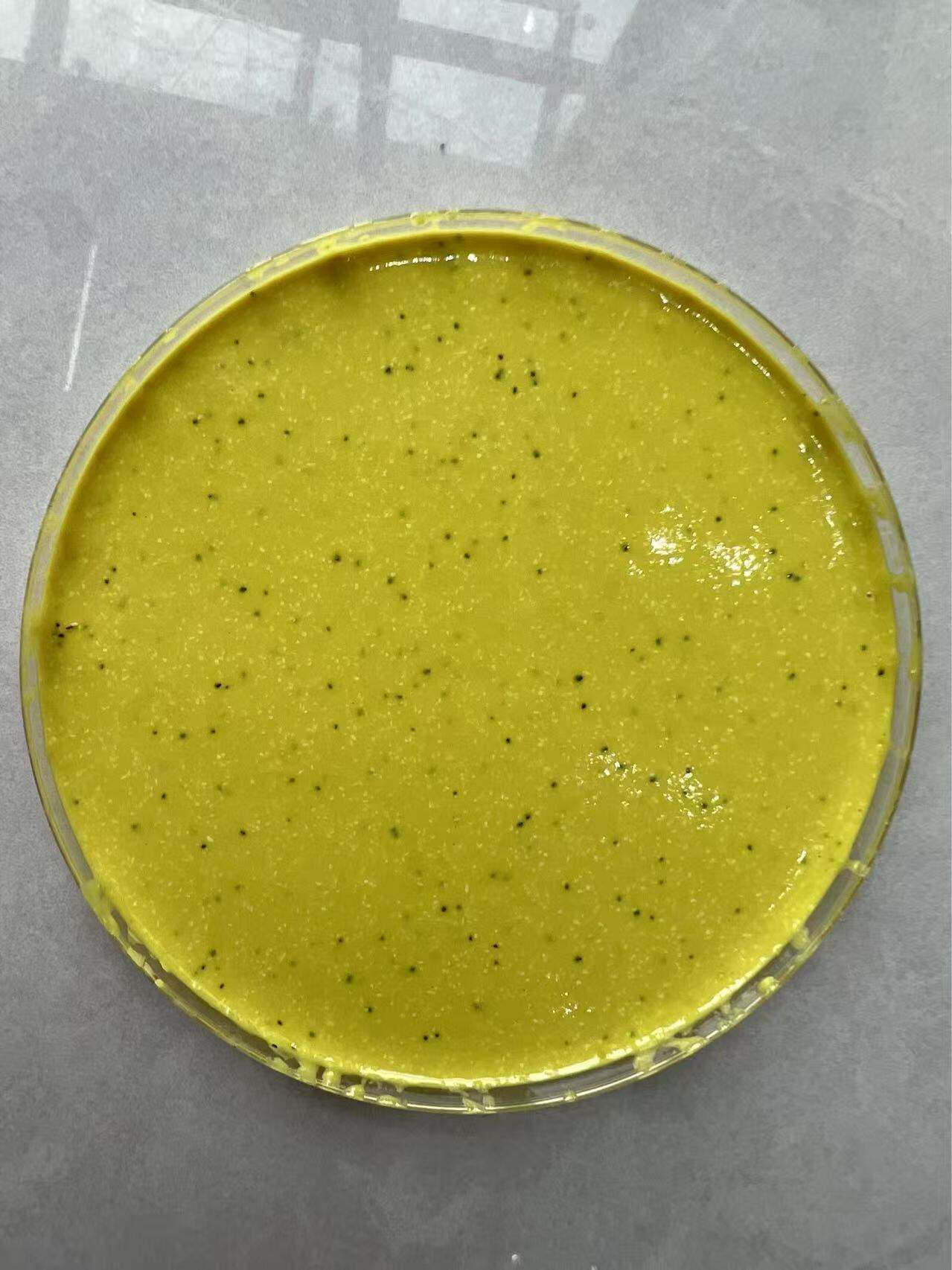
Selecting the right waterproof paint for your construction or renovation project requires understanding the distinct characteristics, performance capabilities, and application contexts of three dominant coating technologies. Acrylic-based, polyurethane-based, and cement-based waterproof paint systems each offer unique advantages and limitations that directly impact long-term durability, cost-effectiveness, and suitability for specific substrate conditions. Professional contractors and facility managers consistently face the challenge of matching coating chemistry to environmental exposure, structural movement expectations, and maintenance protocols while balancing initial investment against lifecycle performance.
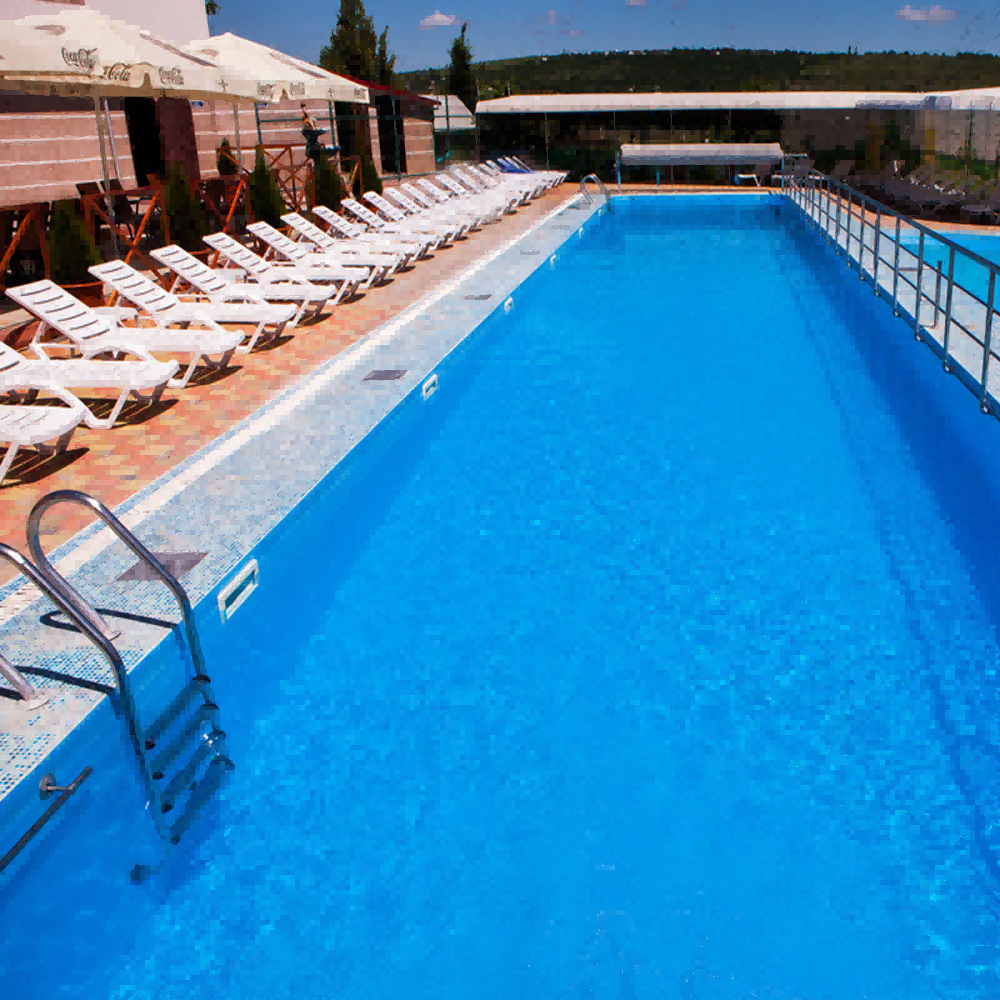
The decision between these three waterproof paint categories fundamentally depends on substrate porosity, expected movement dynamics, exposure severity, and whether the application involves positive or negative water pressure conditions. Acrylic formulations excel in breathability and UV stability for above-grade exposed surfaces, polyurethane systems provide superior elasticity and chemical resistance for high-movement joints and industrial environments, while cement-based coatings deliver crystalline penetration and bonding strength for porous masonry substrates under hydrostatic pressure. This comprehensive analysis examines the technical selection criteria, performance trade-offs, and practical application scenarios that enable informed specification decisions aligned with project-specific requirements and long-term protection objectives.
Understanding the Fundamental Chemistry Differences That Drive Performance
Polymer Structure and Film Formation Mechanisms
Acrylic waterproof paint systems utilize thermoplastic acrylic polymers suspended in aqueous emulsions that coalesce during the drying process to form continuous flexible films. The polymer chains in acrylic formulations remain physically entangled rather than chemically cross-linked, which allows the coating to maintain elasticity through reversible molecular movement. This thermoplastic nature enables acrylic waterproof paint to accommodate moderate substrate movement without cracking, typically handling elongation ranges of fifteen to thirty percent depending on formulation quality and plasticizer content.
Polyurethane-based waterproof paint involves reactive chemistry where isocyanate and polyol components undergo chemical cross-linking to create thermoset networks with exceptional cohesive strength. Single-component moisture-cure polyurethane formulations react with atmospheric humidity, while two-component systems offer controlled curing with superior final properties. The resulting three-dimensional molecular network in polyurethane waterproof paint delivers outstanding tensile strength, abrasion resistance, and chemical stability that significantly exceeds acrylic performance in demanding exposure conditions.
Cement-based waterproof paint formulations combine hydraulic cements, graded aggregates, and polymer modifiers that create hybrid organic-inorganic matrices. During hydration, cement particles form crystalline structures that mechanically interlock with substrate pores while polymer additives enhance flexibility and adhesion. This dual-action mechanism allows cement-based waterproof paint to develop both mechanical keying into porous substrates and chemical bonding through calcium silicate hydrate formation, creating barriers effective against both positive and negative hydrostatic pressure.
Permeability Characteristics and Moisture Management
The molecular architecture of acrylic waterproof paint permits controlled water vapor transmission while blocking liquid water penetration, making these coatings inherently breathable. This vapor permeability proves critical for applications over substrates containing residual construction moisture or buildings without effective vapor barriers, as trapped moisture can escape without causing coating delamination. Typical acrylic waterproof paint systems maintain water vapor transmission rates between eight and fifteen perms, allowing substrates to dry toward the exterior while preventing rain penetration.
Polyurethane waterproof paint creates much denser films with significantly lower permeability, functioning as effective vapor barriers when applied at sufficient thickness. While this characteristic provides superior protection against aggressive water exposure and chemical contact, it also requires careful substrate moisture assessment before application. Applying waterproof paint with low permeability over substrates with elevated moisture content can trap water vapor, potentially causing osmotic blistering or adhesion failure over time.
Cement-based waterproof paint exhibits variable permeability depending on polymer modification levels and application thickness. Flexible cement-based formulations with higher polymer content reduce permeability while maintaining some breathability, whereas rigid crystalline systems may actually enhance substrate impermeability through pore-blocking crystal growth. This adaptability makes cement-based waterproof paint suitable for both breathable facade applications and low-permeability tanking systems, though specification must carefully match formulation type to moisture management requirements.
Evaluating Substrate Compatibility and Surface Preparation Requirements
Bonding Mechanisms and Adhesion Strength Factors
Acrylic waterproof paint achieves adhesion primarily through mechanical interlocking and secondary molecular forces, requiring clean, sound substrates with adequate surface profile for optimal bonding. These coatings perform well on properly prepared concrete, masonry, fiber cement, and previously painted surfaces, but may struggle on extremely smooth substrates or those contaminated with oils, curing compounds, or efflorescence. Surface preparation for acrylic waterproof paint typically involves pressure washing, crack repair, and ensuring substrate moisture content below specified thresholds, usually around four percent for concrete.
The reactive nature of polyurethane waterproof paint enables formation of chemical bonds with substrate hydroxyl groups, particularly on concrete and masonry surfaces. This chemical adhesion mechanism, combined with excellent wetting characteristics, allows polyurethane systems to achieve superior bond strength compared to acrylic alternatives. However, polyurethane waterproof paint remains sensitive to surface moisture during application, as excess water can react with isocyanate groups causing foaming and compromised film integrity. Substrate moisture content should generally not exceed five percent, and surface dampness must be eliminated before coating application.
Cement-based waterproof paint develops the strongest mechanical and chemical bonds with porous cementitious substrates through both physical penetration and chemical reaction with free lime. The capillary action and alkaline chemistry create integration between coating and substrate that approaches monolithic performance. Unlike polymer-based systems, cement waterproof paint can be applied to damp substrates and actually benefits from moisture during curing, though standing water must be removed. This compatibility with damp conditions makes cement-based waterproof paint particularly suitable for below-grade applications and situations where complete substrate drying proves impractical.
Surface Profile and Texture Considerations
The film-forming characteristics of acrylic waterproof paint allow these coatings to bridge minor surface irregularities and create relatively smooth finished surfaces. Application over textured substrates requires sufficient wet film thickness to ensure complete coverage of surface peaks, with typical consumption rates ranging from two hundred to four hundred grams per square meter depending on substrate roughness. Acrylic waterproof paint maintains its flexibility across varying film thicknesses, though excessively thick applications may exhibit prolonged curing and reduced vapor transmission.
Polyurethane waterproof paint systems develop optimal properties when applied within specified thickness ranges, typically between three hundred micrometers and one millimeter per coat. Extremely thin applications may not provide adequate waterproofing or durability, while excessively thick coatings can develop internal stresses and become prone to cracking. The self-leveling properties of many polyurethane formulations enable smooth finish profiles even over moderately irregular substrates, though severe texture variations may require preliminary smoothing or basecoat application to ensure uniform final thickness.
Cement-based waterproof paint accommodates and conforms to substrate texture more readily than polymer systems, with trowel-applied formulations capable of filling significant surface irregularities. The textured finish of cement waterproof paint provides excellent slip resistance for walking surfaces and creates aesthetically appropriate appearances for architectural concrete and masonry. Multiple coat application allows progressive thickness buildup, with total system thickness often ranging from two to five millimeters, providing both waterproofing and surface protection functions within a single coating system.
Analyzing Movement Accommodation and Crack-Bridging Capabilities
Elongation Properties and Flexibility Ratings
The thermoplastic nature of acrylic waterproof paint provides baseline flexibility suitable for stable substrates experiencing seasonal thermal movement and minor structural settlement. Standard acrylic formulations typically achieve elongation values between one hundred and three hundred percent, sufficient to accommodate crack movement up to approximately one millimeter without coating fracture. Elastomeric acrylic waterproof paint formulations enhance this capability significantly, with premium products reaching five hundred percent elongation and crack-bridging capacity exceeding two millimeters, making them suitable for aged concrete structures exhibiting active movement.
Polyurethane waterproof paint delivers exceptional elasticity through its cross-linked molecular network, with aromatic formulations typically achieving two hundred to four hundred percent elongation and aliphatic versions potentially exceeding five hundred percent. This superior flexibility enables polyurethane systems to accommodate substantial substrate movement, including expansion joints, construction joints, and actively cracking concrete. The high tensile strength accompanying this elongation capability means polyurethane waterproof paint can bridge cracks while maintaining waterproof integrity under both static and dynamic loading conditions.
Cement-based waterproof paint exhibits limited inherent flexibility, with unmodified formulations functioning as rigid barriers suitable only for dimensionally stable substrates. However, polymer-modified flexible cement waterproof paint systems incorporate synthetic latex or redispersible powders that dramatically improve elongation characteristics, with advanced formulations achieving fifty to one hundred percent elongation. While this flexibility remains significantly lower than polymer-only systems, it proves adequate for typical concrete movement and enables cement-based waterproof paint to function effectively on substrates experiencing moderate thermal expansion and minor settlement without catastrophic failure.
Recovery and Permanent Deformation Characteristics
Acrylic waterproof paint demonstrates good elastic recovery from temporary deformation, with quality formulations returning to original dimensions after strain removal. However, prolonged exposure to elevated temperatures or sustained loading can induce permanent deformation through polymer chain slippage, particularly in lower-quality formulations with inadequate cross-linking or insufficient glass transition temperatures. This viscoelastic behavior means acrylic waterproof paint performs best in moderate climate zones and applications without sustained mechanical stress or extreme temperature cycling.
The thermoset character of polyurethane waterproof paint provides superior resistance to permanent deformation, maintaining elastic recovery even after repeated cycling or extended periods under load. This dimensional stability proves critical for joints subjected to traffic loading, thermal cycling, or mechanical vibration where coating integrity must persist through thousands of movement cycles. Polyurethane waterproof paint maintains performance characteristics across wider temperature ranges than acrylic alternatives, typically functioning effectively from negative forty to positive eighty degrees Celsius without significant property degradation.
Polymer-modified cement-based waterproof paint exhibits limited elastic recovery compared to purely polymeric systems, with some permanent deformation occurring after significant movement events. The hybrid nature of these systems means they accommodate movement through microcracking and reformation rather than pure elastic deformation, which proves acceptable for substrates with infrequent movement cycles but may lead to progressive coating degradation under repeated dynamic loading. Understanding this characteristic helps prevent inappropriate specification of cement waterproof paint for high-movement applications better served by polyurethane or elastomeric acrylic systems.
Assessing Environmental Exposure Resistance and Durability Performance
Ultraviolet Stability and Color Retention
Acrylic waterproof paint formulations demonstrate excellent ultraviolet resistance due to the inherent photostability of acrylic polymers, making these coatings ideal for exposed exterior applications. Quality acrylic systems maintain color stability and mechanical properties through extended UV exposure, with minimal chalking or gloss reduction over five to ten year service intervals. This UV stability allows acrylic waterproof paint to serve dual functions as both waterproofing and architectural finish coating, eliminating the need for separate topcoat systems in many residential and light commercial applications.
Aromatic polyurethane waterproof paint suffers from significant UV degradation, undergoing rapid yellowing and chalking when exposed to direct sunlight, which limits its use to interior applications or situations where topcoating with UV-stable materials provides protection. Aliphatic polyurethane formulations overcome this limitation through different isocyanate chemistry that resists photodegradation, maintaining color stability and gloss retention comparable to acrylic systems. However, aliphatic polyurethane waterproof paint commands substantially higher cost, typically two to three times the price of aromatic versions, which influences economic feasibility for budget-constrained projects.
Cement-based waterproof paint demonstrates complete UV stability since inorganic cement binders do not undergo photochemical degradation. The mineral composition ensures permanent color stability without fading, chalking, or property deterioration from sunlight exposure. This inherent UV resistance makes cement waterproof paint particularly suitable for architectural applications where long-term appearance retention proves critical, and the textured mineral aesthetic aligns with design intent for exposed concrete and masonry structures.
Chemical Resistance and Contamination Tolerance
Acrylic waterproof paint provides moderate chemical resistance adequate for typical environmental exposure including acid rain, atmospheric pollutants, and mild cleaning agents. However, these coatings demonstrate vulnerability to alkaline attack, hydrocarbon solvents, and aggressive industrial chemicals, which limits suitability for industrial containment, chemical processing facilities, or areas subject to petroleum product exposure. The thermoplastic nature of acrylic polymers also makes these coatings susceptible to softening and staining from prolonged contact with oils and greases.
The cross-linked structure of polyurethane waterproof paint delivers exceptional chemical resistance across broad exposure spectrums, including acids, alkalis, solvents, oils, and industrial chemicals. This chemical inertness makes polyurethane systems preferred for secondary containment, industrial flooring, chemical processing areas, and vehicular traffic surfaces where fuel and hydraulic fluid contact occurs regularly. Polyurethane waterproof paint maintains integrity and adhesion even under aggressive chemical exposure that would rapidly degrade acrylic coatings, justifying higher material costs through extended service life and reduced maintenance requirements.
Cement-based waterproof paint exhibits excellent resistance to alkaline environments and moderate resistance to weak acids, though prolonged exposure to acidic conditions can cause calcium carbonate dissolution and coating deterioration. The mineral composition provides inherent resistance to hydrocarbon contamination and biological growth, making cement waterproof paint suitable for agricultural facilities, wastewater treatment structures, and below-grade applications where organic contamination and microbial exposure occur. The breathable nature of many cement-based formulations also prevents moisture accumulation that could promote mold and mildew growth on coated surfaces.
Determining Cost-Effectiveness and Lifecycle Value Considerations
Initial Material and Application Cost Analysis
Acrylic waterproof paint represents the most economical option among the three coating categories, with material costs typically ranging from three to eight dollars per square meter for complete system application including primers and multiple finish coats. The water-based nature, single-component formulation, and minimal surface preparation requirements contribute to straightforward application using conventional spray, roller, or brush methods without specialized equipment or extensive applicator training. Labor costs for acrylic waterproof paint installation remain moderate, generally completing typical projects within standard timeframes without extended curing periods or environmental controls.
Polyurethane waterproof paint commands premium pricing, with material costs often ranging from ten to twenty-five dollars per square meter depending on formulation type and performance specifications. Aliphatic polyurethane systems with superior UV resistance occupy the upper end of this range, while aromatic formulations for protected applications prove more economical. The reactive nature and moisture sensitivity of polyurethane systems necessitate more rigorous surface preparation, environmental monitoring during application, and sometimes specialized plural-component spray equipment, which increases installation labor costs by twenty to forty percent compared to acrylic alternatives.
Cement-based waterproof paint occupies a middle position in material costs, typically ranging from five to twelve dollars per square meter for complete system installation. The higher material consumption rates required to achieve adequate thickness partially offset the lower per-kilogram cost compared to polymer systems. Labor costs for cement waterproof paint application vary significantly based on formulation type, with trowel-applied systems requiring skilled applicators and slower installation compared to brush or roller-applied flexible formulations. The ability to apply cement-based coatings to damp substrates can reduce project schedules by eliminating extended drying periods, potentially offsetting higher material consumption through reduced overhead costs.
Maintenance Requirements and Service Life Expectations
Quality acrylic waterproof paint systems typically deliver five to ten years of effective service in moderate exposure conditions before requiring recoating to maintain waterproofing integrity and appearance. Elastomeric acrylic formulations may extend this interval to twelve to fifteen years in favorable conditions. Maintenance requirements remain minimal, generally limited to periodic cleaning and localized repair of damaged areas. The ease of recoating acrylic systems without extensive surface preparation makes maintenance straightforward, as new coats can be applied directly over aged coatings exhibiting chalking or minor degradation, refreshing both waterproofing performance and appearance economically.
Polyurethane waterproof paint delivers extended service life, often achieving fifteen to twenty-five years or more in appropriate applications before requiring replacement. The superior chemical resistance, abrasion tolerance, and flexibility of polyurethane systems result in minimal maintenance requirements beyond routine cleaning. However, when polyurethane coatings do require repair or recoating, the process proves more complex than acrylic systems, often necessitating complete removal of failed areas and careful surface preparation to ensure adequate adhesion of repair materials. The extended service intervals and reduced maintenance frequency of polyurethane waterproof paint often justify higher initial costs through lifecycle cost analysis, particularly for critical or difficult-to-access applications.
Cement-based waterproof paint exhibits highly variable service life depending on formulation type, application quality, and exposure conditions. Rigid crystalline systems in protected below-grade applications may function effectively for decades without significant deterioration, while flexible formulations in exposed conditions might require recoating after eight to fifteen years. The mineral nature of cement waterproof paint creates maintenance advantages in that localized repairs blend seamlessly with existing coatings without visible color or texture mismatches common with polymer systems. However, improper application or inadequate curing can result in premature failure through delamination or cracking, emphasizing the importance of skilled application and quality control.
Matching Coating Technology to Specific Application Scenarios
Above-Grade Vertical Surface Applications
Acrylic waterproof paint excels for exterior wall applications on residential and commercial buildings where breathability, UV resistance, and aesthetic finish prove essential. The vapor permeability prevents moisture accumulation within wall assemblies while blocking rain penetration, making acrylic systems ideal for stucco, EIFS, concrete masonry, and properly prepared concrete surfaces. The wide color palette availability and ability to create various textures allow acrylic waterproof paint to serve architectural finish requirements while providing waterproofing protection, eliminating redundant coating systems and reducing overall project costs.
Polyurethane waterproof paint suits demanding vertical applications including parking structure facades, industrial buildings with chemical exposure potential, and architectural concrete requiring both waterproofing and graffiti resistance. The superior adhesion to smooth-troweled concrete and ability to withstand pressure washing for graffiti removal make polyurethane systems valuable for urban structures vulnerable to vandalism. Aliphatic polyurethane formulations provide long-term appearance retention for signature architectural elements where color stability and gloss retention justify premium material costs.
Cement-based waterproof paint remains preferred for traditional masonry construction, earth-sheltered buildings, and architectural applications where mineral aesthetics align with design intent. The ability to apply cement systems to damp substrates proves particularly valuable for restoration projects involving historic masonry where complete substrate drying proves impractical. The breathability and alkaline compatibility of cement waterproof paint prevent damage to lime-based mortars and allow moisture migration from solid masonry walls, avoiding the trapped moisture problems that can occur with impermeable polymer coatings on traditional construction.
Below-Grade and Hydrostatic Pressure Applications
Foundation waterproofing under positive hydrostatic pressure typically favors polyurethane or specialized cement-based waterproof paint systems capable of withstanding sustained water pressure. Polyurethane systems applied to exterior foundation walls provide seamless membranes with excellent crack-bridging and resistance to soil chemicals and backfill damage. The low permeability and high tensile strength enable thin polyurethane waterproof paint applications to resist hydrostatic head pressures exceeding three meters when properly applied to structurally sound substrates.
Crystalline cement-based waterproof paint offers unique advantages for negative-side waterproofing where coating application must occur on the interior surface opposite water pressure. The crystalline technology penetrates into concrete pores and reacts with moisture and mineral content to form insoluble crystals that block water pathways while allowing vapor transmission. This mechanism enables cement-based systems to seal actively leaking cracks through self-healing properties as water contact triggers ongoing crystallization, making them valuable for remedial waterproofing of occupied basements and tunnel structures where exterior access proves impossible.
Acrylic waterproof paint generally proves unsuitable for below-grade applications involving sustained hydrostatic pressure due to insufficient waterproofing capability and potential for softening under constant moisture exposure. However, acrylic systems can function effectively for damp-proofing applications protecting against soil moisture vapor transmission in low-water-table conditions where hydrostatic pressure does not develop. Understanding this limitation prevents inappropriate specification of acrylic waterproof paint for true below-grade waterproofing where structural waterproofing membranes or more robust coating systems prove necessary.
Horizontal Surfaces and Specialized Applications
Roof deck waterproofing applications favor acrylic or polyurethane waterproof paint depending on expected traffic, ponding water exposure, and budget constraints. Acrylic roof coatings provide economical protection for low-slope roofs with proper drainage, offering solar reflectivity benefits that reduce cooling loads while protecting underlying waterproofing membranes from UV degradation. Polyurethane systems suit high-traffic roof decks, plaza waterproofing, and situations where superior puncture resistance and chemical exposure justify higher material costs.
Balcony and terrace waterproofing demands coating systems accommodating structural deflection, drainage slope maintenance, and resistance to standing water and freeze-thaw cycling. Flexible polyurethane waterproof paint provides optimal performance for these critical applications, withstanding foot traffic while maintaining waterproofing integrity despite substrate movement. The seamless nature of liquid-applied polyurethane systems eliminates vulnerable seams present in sheet membranes, reducing leak potential around complex details and penetrations common in balcony construction.
Swimming pool waterproofing represents a specialized application where coating selection depends on construction type and finish requirements. Polyurethane systems deliver excellent chlorine resistance and flexibility for concrete pools subject to hydrostatic pressure from both interior water load and exterior groundwater. Cement-based waterproof paint formulated for pool applications provides economical solutions for masonry pools and serves as substrate preparation under tile finishes, though careful product selection ensuring appropriate chemical resistance and waterproofing capability proves essential for successful long-term performance in this demanding application environment.
FAQ
Can waterproof paint be applied directly over existing coatings without removal?
The ability to apply waterproof paint over existing coatings depends on the type, condition, and compatibility of both old and new materials. Acrylic waterproof paint typically adheres well over existing acrylic or latex coatings that remain firmly bonded and free from chalking, though glossy surfaces require abrasion or chemical etching for adequate adhesion. Polyurethane waterproof paint demands more stringent surface preparation, often requiring complete removal of incompatible coatings or application of specialized tie-coat primers to ensure chemical bonding. Cement-based waterproof paint can sometimes be applied over sound polymer coatings after mechanical abrading creates adequate surface profile, though direct application to porous substrates generally provides superior performance. All recoating applications should involve test patches to verify adhesion before full-scale application, as coating failure from incompatibility issues typically requires complete removal and reinstallation at substantial cost.
How do temperature conditions during application affect the performance of different waterproof paint types?
Application temperature significantly influences curing kinetics, film formation quality, and ultimate performance characteristics across all waterproof paint categories. Acrylic formulations require temperatures above five degrees Celsius for proper coalescence, with optimal application occurring between ten and thirty degrees Celsius where film formation proceeds without excessive rapid drying or prolonged wet time. Polyurethane waterproof paint exhibits temperature-dependent curing rates, with cold conditions dramatically slowing chemical cross-linking and potentially preventing complete cure, while elevated temperatures accelerate reaction rates potentially causing surface skinning before complete film leveling. Cement-based waterproof paint proves most tolerant of temperature variations, curing successfully from five to thirty-five degrees Celsius, though cold temperatures slow hydration and may require extended protection periods while hot conditions demand moisture retention measures to prevent premature drying that compromises strength development and bonding.
What causes waterproof paint to fail prematurely and how can these issues be prevented?
Premature waterproof paint failure typically results from inadequate surface preparation, improper product selection, or application errors rather than inherent coating deficiencies. Substrate contamination with oils, curing compounds, or efflorescence prevents adequate bonding regardless of coating type, necessitating thorough cleaning and contamination removal before application. Excessive substrate moisture causes blistering in impermeable polyurethane systems and interferes with cement-based coating curing, requiring moisture testing and substrate drying or selection of formulations tolerant of damp conditions. Application at insufficient thickness compromises waterproofing effectiveness and durability, particularly for film-forming polymer systems where continuous barrier formation depends on achieving specified dry film thickness. Movement-induced cracking occurs when rigid coatings are applied to substrates exhibiting deflection or thermal expansion exceeding coating elongation capabilities, preventable through proper coating selection matching expected movement characteristics. Quality control during application including verification of mixing procedures, application rates, curing conditions, and environmental parameters substantially reduces failure risk across all waterproof paint technologies.
Are there environmental or health considerations that influence waterproof paint selection?
Environmental and health factors increasingly influence waterproof paint specification decisions as regulatory requirements tighten and building sustainability goals expand. Acrylic waterproof paint offers the most favorable environmental profile among polymer systems, with water-based formulations containing minimal volatile organic compounds, low odor during application, and straightforward cleanup using water rather than chemical solvents. Polyurethane systems, particularly two-component formulations, contain reactive isocyanates that present respiratory sensitization risks requiring appropriate personal protective equipment and ventilation during application, though cured coatings prove inert and safe for occupied spaces. Solvent-based polyurethane waterproof paint formulations emit significant VOCs contributing to air quality concerns and increasingly face regulatory restrictions in many jurisdictions. Cement-based waterproof paint presents minimal health concerns beyond standard construction dust exposure, contains no volatile solvents, and offers completely inorganic composition for projects requiring red-list chemical avoidance. Consideration of application safety, occupant exposure during curing, long-term emission potential, and end-of-life disposal requirements enables selection of waterproof paint systems aligned with project sustainability objectives and regulatory compliance requirements.
Table of Contents
- Understanding the Fundamental Chemistry Differences That Drive Performance
- Evaluating Substrate Compatibility and Surface Preparation Requirements
- Analyzing Movement Accommodation and Crack-Bridging Capabilities
- Assessing Environmental Exposure Resistance and Durability Performance
- Determining Cost-Effectiveness and Lifecycle Value Considerations
- Matching Coating Technology to Specific Application Scenarios
-
FAQ
- Can waterproof paint be applied directly over existing coatings without removal?
- How do temperature conditions during application affect the performance of different waterproof paint types?
- What causes waterproof paint to fail prematurely and how can these issues be prevented?
- Are there environmental or health considerations that influence waterproof paint selection?