
 EN
EN
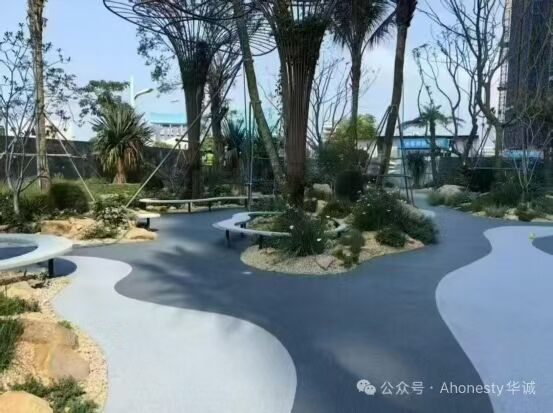
When selecting protective coatings for exterior applications, understanding the UV stability and color retention capabilities of aliphatic polyurea coatings becomes crucial for long-term performance. These advanced coating systems offer exceptional resistance to ultraviolet degradation while maintaining their aesthetic appeal over extended periods, making them ideal for applications where both protection and appearance matter.
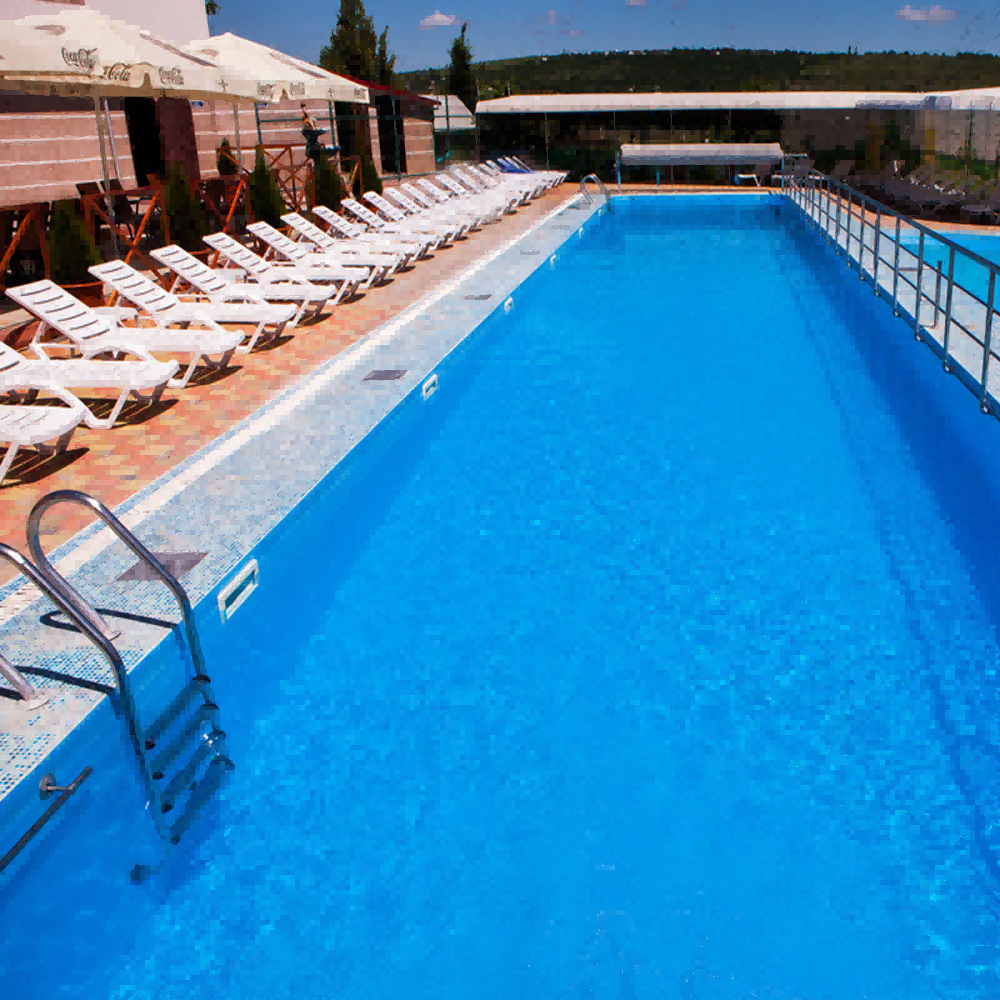
The molecular structure of aliphatic polyurea coatings provides inherent advantages over aromatic alternatives, particularly in maintaining color stability and resisting UV-induced degradation. This chemical composition translates into measurable performance benefits that extend coating service life while preserving the intended visual appearance throughout the coating's operational lifetime.
Understanding UV Stability Mechanisms in Aliphatic Polyurea Systems
Molecular Structure and UV Resistance
The exceptional UV stability of aliphatic polyurea coatings stems from their unique molecular architecture, which lacks the aromatic rings found in their counterparts. This structural difference prevents the formation of chromophoric groups that typically absorb UV radiation and initiate degradation processes. The aliphatic backbone maintains its integrity under continuous UV exposure, preserving both mechanical properties and visual characteristics.
Aliphatic polyurea coatings demonstrate superior photostability through their resistance to UV-induced chain scission and cross-linking reactions. The absence of conjugated double bonds and aromatic structures means these coatings do not readily absorb harmful UV wavelengths, particularly in the 280-320 nanometer range that causes the most damage to conventional coating systems.
The chemical stability of aliphatic polyurea coatings extends beyond simple UV resistance to include protection against oxidative degradation initiated by UV radiation. This dual protection mechanism ensures that the coating maintains its protective properties while resisting the yellowing and color shift commonly observed in aromatic systems exposed to sunlight.
Performance Under Accelerated Weathering Tests
Laboratory testing using accelerated weathering protocols provides quantifiable data on the UV stability of aliphatic polyurea coatings. These tests, including QUV and xenon arc exposure, demonstrate retention of mechanical properties and color stability after thousands of hours of accelerated exposure equivalent to years of natural weathering.
Standard accelerated weathering tests show that aliphatic polyurea coatings typically maintain over 90% of their initial tensile strength after 2000 hours of QUV-B exposure. This performance significantly exceeds that of aromatic polyurea systems, which may show substantial property degradation under similar test conditions.
The consistency of performance under accelerated testing conditions indicates that aliphatic polyurea coatings provide predictable long-term UV stability. This reliability allows engineers and specifiers to confidently predict coating performance over extended service periods, supporting accurate lifecycle cost calculations and maintenance planning.
Color Retention Characteristics and Measurement Standards
Quantifying Color Stability Performance
Color retention in aliphatic polyurea coatings is measured using standardized colorimetric methods that track changes in lightness, chroma, and hue over time. The CIELAB color space provides precise numerical values for color differences, allowing objective assessment of color stability performance under various exposure conditions.
Delta E measurements, which quantify total color difference, typically remain below 2.0 for quality aliphatic polyurea coatings after extended UV exposure. This level of color stability ensures that the coating maintains its intended appearance throughout its service life, meeting architectural and aesthetic requirements for exterior applications.
The color retention performance of aliphatic polyurea coatings varies with pigment selection and formulation details. High-quality systems incorporate UV-stable pigments and may include additional UV absorbers or hindered amine light stabilizers to further enhance color retention properties.
Factors Affecting Long-Term Color Performance
Several factors influence the color retention characteristics of aliphatic polyurea coatings, including pigment selection, film thickness, and environmental exposure conditions. Understanding these variables helps predict performance and optimize coating selection for specific applications and geographic locations.
Inorganic pigments generally provide superior color stability compared to organic alternatives in aliphatic polyurea coatings. Iron oxides, titanium dioxide, and chromium oxide pigments maintain their color integrity under UV exposure while providing excellent opacity and coverage properties.
Film thickness affects color retention through its impact on UV penetration depth and pigment concentration per unit volume. Proper application thickness ensures adequate pigment loading while maintaining the coating's flexibility and adhesion properties essential for long-term performance.
Real-World Performance Expectations and Service Life
Field Performance Data and Case Studies
Field exposure studies of aliphatic polyurea coatings in various climatic conditions provide valuable data on real-world UV stability and color retention performance. These studies, conducted in locations ranging from desert environments to tropical coastal areas, demonstrate the superior weathering resistance of aliphatic systems.
In Florida exposure tests, representing some of the most severe UV conditions in North America, aliphatic polyurea coatings show minimal color change after five years of continuous outdoor exposure. This performance significantly exceeds that of aromatic polyurea systems, which typically show noticeable yellowing and color shift within the first year of exposure.
Desert exposure conditions, characterized by high UV intensity and temperature extremes, provide another demanding test environment for aliphatic polyurea coatings. Long-term exposure studies in Arizona demonstrate that properly formulated systems maintain acceptable color stability for periods exceeding ten years under these harsh conditions.
Service Life Projections and Maintenance Considerations
Based on accelerated testing data and field performance studies, aliphatic polyurea coatings can be expected to provide 15-20 years of service life in most exterior applications while maintaining acceptable color retention. This projection assumes proper surface preparation, application, and routine maintenance practices.
The extended service life of aliphatic polyurea coatings translates into significant lifecycle cost advantages compared to systems requiring more frequent recoating. The combination of UV stability and color retention reduces maintenance requirements and extends recoating intervals, providing economic benefits that often justify higher initial material costs.
Maintenance requirements for aliphatic polyurea coatings primarily involve routine cleaning and inspection rather than coating renewal. The inherent stability of these systems means that color touch-up or partial recoating is rarely necessary during the expected service life, simplifying maintenance programs and reducing operational disruptions.
Application Considerations for Optimal UV and Color Performance
Surface Preparation and Application Variables
Achieving optimal UV stability and color retention from aliphatic polyurea coatings requires attention to surface preparation and application parameters. Proper substrate preparation ensures maximum adhesion and prevents premature coating failure that could compromise long-term performance.
Application thickness must be carefully controlled to balance UV protection with coating flexibility and adhesion. Too thin applications may not provide adequate UV screening, while excessively thick coatings may develop internal stresses that compromise long-term durability and color stability.
Environmental conditions during application significantly impact the final properties of aliphatic polyurea coatings. Temperature, humidity, and UV exposure during cure affect cross-link density and surface characteristics, influencing subsequent UV stability and color retention performance.
Formulation Optimization for Enhanced Performance
Modern aliphatic polyurea coatings incorporate various additives to enhance UV stability and color retention beyond the inherent properties of the base polymer. UV absorbers, hindered amine light stabilizers, and antioxidants work synergistically to provide comprehensive protection against photodegradation.
Pigment selection and loading levels require careful optimization to achieve the desired color while maintaining coating performance. High-performance systems use carefully selected pigment combinations that provide excellent color stability without compromising other critical properties such as flexibility or chemical resistance.
The development of next-generation aliphatic polyurea coatings continues to push the boundaries of UV stability and color retention performance. Advanced polymer architectures and additive packages promise even greater durability and extended service life for demanding exterior applications.
FAQ
How long do aliphatic polyurea coatings maintain their original color?
Aliphatic polyurea coatings typically maintain acceptable color stability for 15-20 years in most exterior applications. The exact duration depends on factors such as geographic location, pigment selection, and exposure conditions, but these systems consistently outperform aromatic alternatives by maintaining Delta E values below 2.0 throughout their service life.
What makes aliphatic polyurea coatings more UV stable than aromatic versions?
The superior UV stability of aliphatic polyurea coatings results from their molecular structure, which lacks aromatic rings that absorb UV radiation. This structural difference prevents the formation of chromophoric groups that cause yellowing and degradation in aromatic systems, allowing aliphatic coatings to maintain their properties and appearance under continuous UV exposure.
Can aliphatic polyurea coatings be used in high-UV environments like desert climates?
Yes, aliphatic polyurea coatings are specifically designed for high-UV environments and perform exceptionally well in desert climates. Field studies in Arizona and similar locations demonstrate that properly formulated systems maintain color stability and mechanical properties for over ten years under extreme UV and temperature conditions.
Do darker colors in aliphatic polyurea coatings fade faster than lighter colors?
Color stability in aliphatic polyurea coatings depends more on pigment selection than color darkness. Inorganic pigments like iron oxides provide excellent stability in both light and dark colors, while some organic pigments may show greater sensitivity to UV exposure regardless of color intensity. Proper pigment selection ensures consistent color retention across the entire color spectrum.
Table of Contents
- Understanding UV Stability Mechanisms in Aliphatic Polyurea Systems
- Color Retention Characteristics and Measurement Standards
- Real-World Performance Expectations and Service Life
- Application Considerations for Optimal UV and Color Performance
-
FAQ
- How long do aliphatic polyurea coatings maintain their original color?
- What makes aliphatic polyurea coatings more UV stable than aromatic versions?
- Can aliphatic polyurea coatings be used in high-UV environments like desert climates?
- Do darker colors in aliphatic polyurea coatings fade faster than lighter colors?