
 EN
EN

Nighttime driving presents substantial challenges that directly impact road safety, with visibility limitations being the primary concern for drivers navigating in low-light conditions. The effectiveness of traditional road markings diminishes dramatically after sunset, creating dangerous scenarios where lane boundaries, turn indicators, and critical traffic guidance become nearly invisible to approaching vehicles. Understanding how highly reflective road markings function as a transformative safety solution requires examining the specific mechanisms through which enhanced visibility translates into measurable accident reduction and improved driver confidence during nighttime hours.
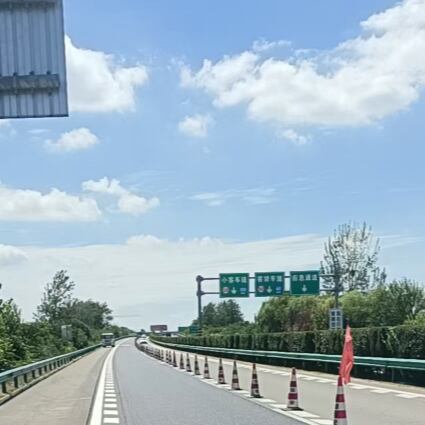
The science behind highly reflective road markings centers on retroreflective technology that redirects vehicle headlight illumination back toward the driver's line of sight, creating dramatically improved visibility compared to conventional paint-based marking systems. This optical phenomenon occurs through precisely engineered glass beads or prismatic materials embedded within the marking surface, enabling drivers to detect lane boundaries, directional indicators, and hazard warnings at significantly greater distances during nighttime conditions. The measurable impact on driving safety emerges through multiple interconnected factors including increased reaction time, reduced lane departure incidents, and enhanced navigation accuracy in complex roadway environments.
The Science Behind Retroreflective Technology in Road Safety Applications
Optical Principles That Enable Enhanced Nighttime Visibility
Retroreflective technology operates through the fundamental principle of returning light directly back to its source, regardless of the angle at which illumination strikes the marking surface. Highly reflective road markings achieve this effect through embedded glass microspheres or prismatic sheeting materials that capture vehicle headlight beams and redirect them along the same optical path back to the driver's position. This creates a bright, clearly defined marking that remains visible even when conventional painted lines would be completely obscured by darkness or adverse weather conditions.
The effectiveness of highly reflective road markings depends on specific optical characteristics including retroreflective coefficient values, which measure the intensity of returned light relative to the incident illumination angle. Professional-grade marking systems typically achieve retroreflective values exceeding 300 millicandelas per square meter per lux, compared to standard paint markings that may register less than 50 millicandelas under similar testing conditions. This substantial performance difference translates directly into improved driver perception distances and enhanced ability to maintain proper lane positioning during nighttime travel.
Material Composition and Durability Factors
The construction of highly reflective road markings involves sophisticated material engineering that balances optical performance with long-term durability under heavy traffic loading and environmental exposure. Glass bead systems utilize precisely sized spherical particles with refractive indices optimized for maximum light return efficiency, while prismatic tape applications employ microstructured surfaces that maintain reflective properties even after extended service periods. These materials must demonstrate resistance to thermal cycling, moisture penetration, and mechanical wear while preserving their retroreflective characteristics throughout their intended service life.
Advanced polymer binder systems in highly reflective road markings provide the structural matrix that secures retroreflective elements while maintaining adhesion to various pavement surfaces including asphalt, concrete, and composite materials. The selection of appropriate binder chemistry directly influences marking longevity, with thermoplastic, epoxy, and polyurea formulations each offering distinct advantages for specific installation environments and traffic volume expectations. Understanding these material relationships enables transportation agencies to specify marking systems that deliver sustained safety benefits while optimizing maintenance cycle requirements.
Quantified Safety Improvements Through Enhanced Visibility Systems
Accident Reduction Statistics and Performance Metrics
Comprehensive traffic safety studies demonstrate that highly reflective road markings can reduce nighttime accidents by 15-30% compared to roadways marked with conventional paint systems. These improvements are particularly pronounced in scenarios involving lane departure crashes, where enhanced marking visibility provides drivers with additional reaction time to correct potentially dangerous vehicle positioning. Federal Highway Administration research indicates that retroreflective marking installations consistently show measurable improvements in nighttime crash rates across diverse roadway classifications and geographic regions.
The quantifiable benefits of highly reflective road markings extend beyond simple accident count reductions to include decreased injury severity levels and reduced property damage costs associated with nighttime incidents. Insurance industry data supports the correlation between improved pavement marking visibility and reduced claim frequency, with some carriers offering premium adjustments for municipalities that implement comprehensive retroreflective marking programs. These economic benefits, combined with direct safety improvements, create compelling justification for transportation agencies to prioritize highly reflective road markings in their infrastructure improvement planning.
Driver Behavior and Response Time Enhancement
Research conducted using driving simulators and instrumented vehicle studies reveals that highly reflective road markings significantly improve driver reaction times and decision-making accuracy during nighttime driving scenarios. Drivers operating on roadways equipped with retroreflective marking systems demonstrate improved lane-keeping behavior, reduced speed variability, and enhanced ability to navigate complex intersection geometries compared to control groups using conventional marking systems. These behavioral improvements contribute directly to overall traffic flow stability and reduced conflict potential between vehicles sharing the roadway.
The psychological impact of improved visibility through highly reflective road markings cannot be underestimated in terms of driver confidence and stress reduction during nighttime travel. Studies measuring physiological indicators such as heart rate variability and eye movement patterns show that drivers experience reduced cognitive workload when navigating well-marked roadways, allowing for better attention allocation to potential hazards and traffic conditions. This enhanced mental state contributes to safer driving decisions and improved overall roadway safety performance across the transportation network.
Implementation Strategies and Technical Considerations
Installation Methods and Quality Control Requirements
Successful implementation of highly reflective road markings requires careful attention to surface preparation, application techniques, and environmental conditions that influence long-term performance. Pavement surfaces must be thoroughly cleaned and properly prepared to ensure optimal adhesion between the marking material and roadway substrate, with particular attention to removing oil residues, debris, and loose aggregate that could compromise bond strength. Professional installation teams utilize specialized equipment for precise material placement, controlled thickness application, and uniform glass bead distribution to achieve specified retroreflective performance standards.
Quality control protocols for highly reflective road markings include initial retroreflectivity testing, thickness measurements, and adhesion verification to ensure compliance with engineering specifications and industry standards. Post-installation monitoring programs track marking performance over time, documenting retroreflective degradation patterns and identifying optimal maintenance intervals. These systematic approaches enable transportation agencies to maximize the safety benefits and service life of their marking investments while maintaining consistent performance standards across their roadway networks.
Integration with Intelligent Transportation Systems
Modern transportation infrastructure increasingly incorporates highly reflective road markings as components within larger intelligent transportation systems that enhance overall network safety and efficiency. Advanced marking technologies can include embedded sensors, conductive materials, or specialized coatings that interact with vehicle-based detection systems to provide real-time guidance information. These integrated approaches represent the evolution of passive retroreflective technology toward active communication systems that adapt to changing traffic conditions and environmental factors.
The compatibility of highly reflective road markings with emerging autonomous vehicle technologies creates additional value propositions for transportation agencies planning long-term infrastructure improvements. Machine vision systems in autonomous and semi-autonomous vehicles rely heavily on consistent, high-contrast pavement markings for lane detection and path planning algorithms. Retroreflective marking systems provide the optical performance characteristics necessary to support these advanced vehicle systems while simultaneously benefiting conventional human drivers operating in the same traffic environment.
Economic Analysis and Return on Investment Factors
Cost-Benefit Evaluation and Budget Planning
The initial installation cost of highly reflective road markings typically exceeds conventional paint marking systems by 200-400%, but the long-term economic benefits often justify this additional investment through reduced maintenance frequency and improved safety outcomes. Comprehensive economic analysis must consider factors including material costs, installation labor, traffic control requirements, and ongoing maintenance expenses over the expected service life of the marking system. Transportation agencies can utilize life-cycle cost analysis methodologies to compare different marking alternatives and optimize their infrastructure investment strategies.
The economic value of accident reduction achieved through highly reflective road markings creates substantial societal benefits that extend beyond direct transportation agency budgets. Reduced emergency response costs, decreased medical expenses, lower insurance premiums, and improved traffic flow efficiency contribute to positive economic impacts that benefit entire communities. These broader economic considerations support the business case for implementing comprehensive retroreflective marking programs as cost-effective public safety investments.
Maintenance Scheduling and Performance Monitoring
Effective maintenance strategies for highly reflective road markings require systematic performance monitoring programs that track retroreflective degradation patterns and identify optimal reapplication timing. Regular retroreflectivity measurements using calibrated equipment enable transportation agencies to maintain marking performance above minimum safety thresholds while avoiding premature replacement of serviceable installations. Data-driven maintenance scheduling optimizes budget allocation and ensures consistent safety performance across the entire roadway network.
Advanced maintenance planning for highly reflective road markings incorporates predictive modeling techniques that forecast marking performance based on traffic volume, environmental exposure, and historical degradation patterns. These analytical approaches enable proactive maintenance scheduling that prevents marking performance from falling below critical safety thresholds while maximizing the useful service life of installed systems. Integrated asset management systems can track marking performance data alongside other pavement maintenance requirements to optimize overall infrastructure investment efficiency.
Future Developments and Technology Integration
Emerging Materials and Application Technologies
Research and development activities in the pavement marking industry continue to advance the performance capabilities of highly reflective road markings through innovative material formulations and application technologies. Next-generation glass bead systems incorporate specialized coatings and size distributions that enhance retroreflective performance while improving resistance to environmental degradation and mechanical wear. Advanced polymer chemistries enable marking systems that maintain flexibility and adhesion under extreme temperature cycling while preserving optical properties throughout extended service periods.
Nanotechnology applications in highly reflective road markings promise significant performance improvements through engineered surface structures that optimize light management and self-cleaning properties. These advanced materials can potentially extend service life, reduce maintenance requirements, and provide enhanced visibility characteristics compared to current retroreflective technologies. Development programs focus on scaling these innovations to practical installation methods that maintain cost-effectiveness while delivering superior safety performance.
Integration with Smart Infrastructure Networks
The evolution of highly reflective road markings toward intelligent infrastructure components enables dynamic response capabilities that adapt to changing traffic conditions and environmental factors. Smart marking systems can incorporate LED elements, variable message displays, or adaptive retroreflective properties that respond to traffic density, weather conditions, or specific safety alerts. These technologies represent the convergence of passive retroreflective systems with active communication capabilities that enhance overall transportation network intelligence.
Connected vehicle technologies create new opportunities for highly reflective road markings to serve as data collection points and communication interfaces within intelligent transportation networks. Embedded sensors within marking installations can monitor traffic patterns, pavement conditions, and environmental factors while maintaining their primary function of providing enhanced nighttime visibility. This dual-purpose functionality maximizes infrastructure investment value while supporting the development of comprehensive smart city transportation systems.
FAQ
How much do highly reflective road markings improve nighttime visibility compared to regular paint?
Highly reflective road markings can improve nighttime visibility by 300-600% compared to conventional paint markings, providing detection distances of 150-500 feet versus 50-100 feet for standard paint under typical headlight illumination conditions. This dramatic improvement occurs through retroreflective glass beads or prismatic materials that redirect vehicle headlight beams back to the driver's line of sight, creating bright, clearly visible markings even in complete darkness.
What is the typical service life of highly reflective road markings?
The service life of highly reflective road markings ranges from 3-8 years depending on traffic volume, environmental conditions, and material selection, compared to 1-2 years for conventional paint markings. Thermoplastic and epoxy-based systems with embedded glass beads typically provide the longest service life, while spray-applied systems offer lower initial costs with more frequent replacement requirements. Proper surface preparation and professional installation significantly influence actual performance longevity.
Are highly reflective road markings effective in wet weather conditions?
Highly reflective road markings maintain significantly better visibility in wet conditions compared to conventional paint, though performance is reduced when water completely covers the retroreflective elements. Specialized wet-weather marking systems incorporate raised profiles or structured surfaces that allow glass beads to remain partially exposed above the water film, preserving retroreflective function during rain events. Some advanced systems achieve 70-80% of dry-weather visibility performance under wet conditions.
Can highly reflective road markings be installed on any type of pavement surface?
Highly reflective road markings can be successfully installed on asphalt, concrete, and most composite pavement surfaces with appropriate surface preparation and material selection. Different marking materials are formulated for specific substrate types, with specialized primers or bonding agents used to ensure proper adhesion on challenging surfaces. Professional evaluation of pavement condition, surface texture, and environmental factors is essential for selecting the optimal marking system for each application.
Table of Contents
- The Science Behind Retroreflective Technology in Road Safety Applications
- Quantified Safety Improvements Through Enhanced Visibility Systems
- Implementation Strategies and Technical Considerations
- Economic Analysis and Return on Investment Factors
- Future Developments and Technology Integration
-
FAQ
- How much do highly reflective road markings improve nighttime visibility compared to regular paint?
- What is the typical service life of highly reflective road markings?
- Are highly reflective road markings effective in wet weather conditions?
- Can highly reflective road markings be installed on any type of pavement surface?