
 EN
EN
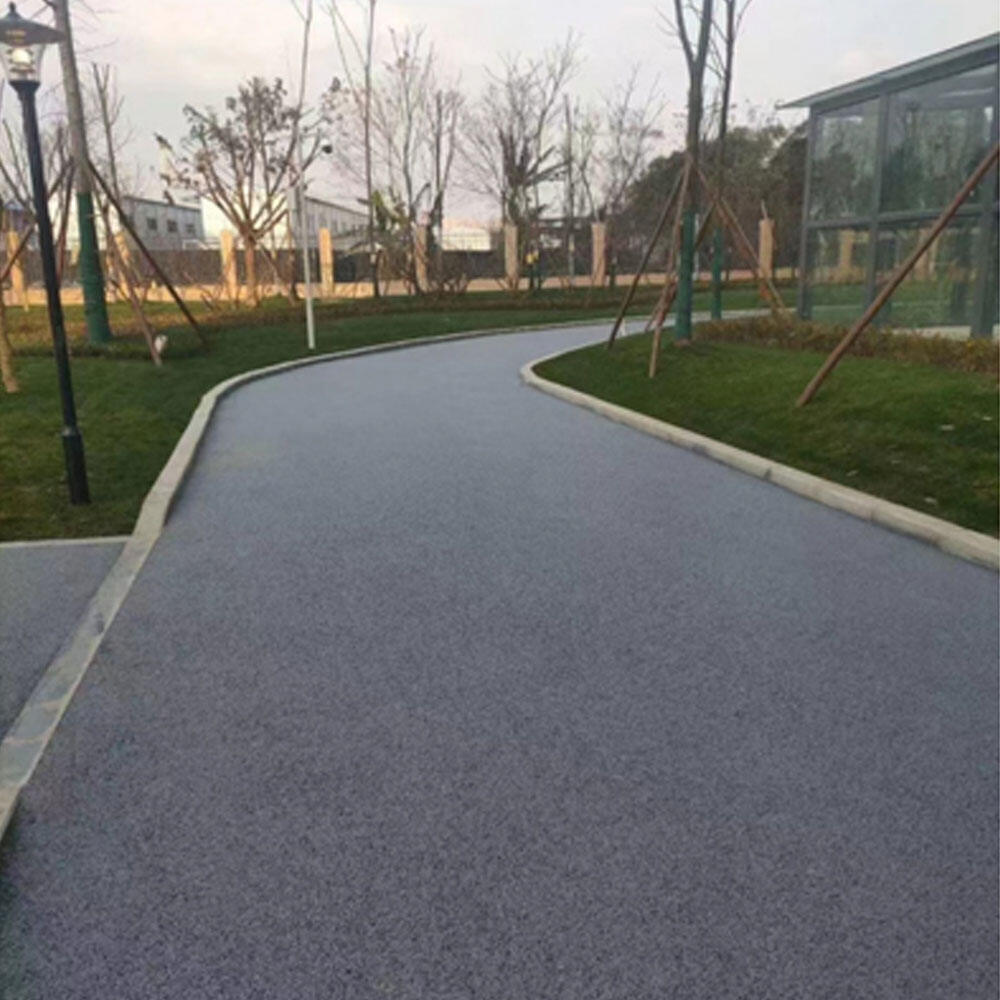
Bridge decks present unique safety challenges that demand specialized surface treatments beyond those required for standard roadways. The elevated, exposed nature of bridges creates conditions where water accumulation, temperature fluctuations, and high-speed traffic converge to create heightened hydroplaning risks. Hydroplaning occurs when a thin layer of water builds between vehicle tires and the pavement surface, causing loss of traction and steering control. On bridge decks, this phenomenon becomes particularly dangerous due to limited escape routes, structural constraints, and the catastrophic consequences of control loss at elevation. Specialized anti skid surfaces address these risks through engineered texture profiles, drainage characteristics, and material compositions specifically designed to maintain tire-pavement contact even under severe wet conditions.
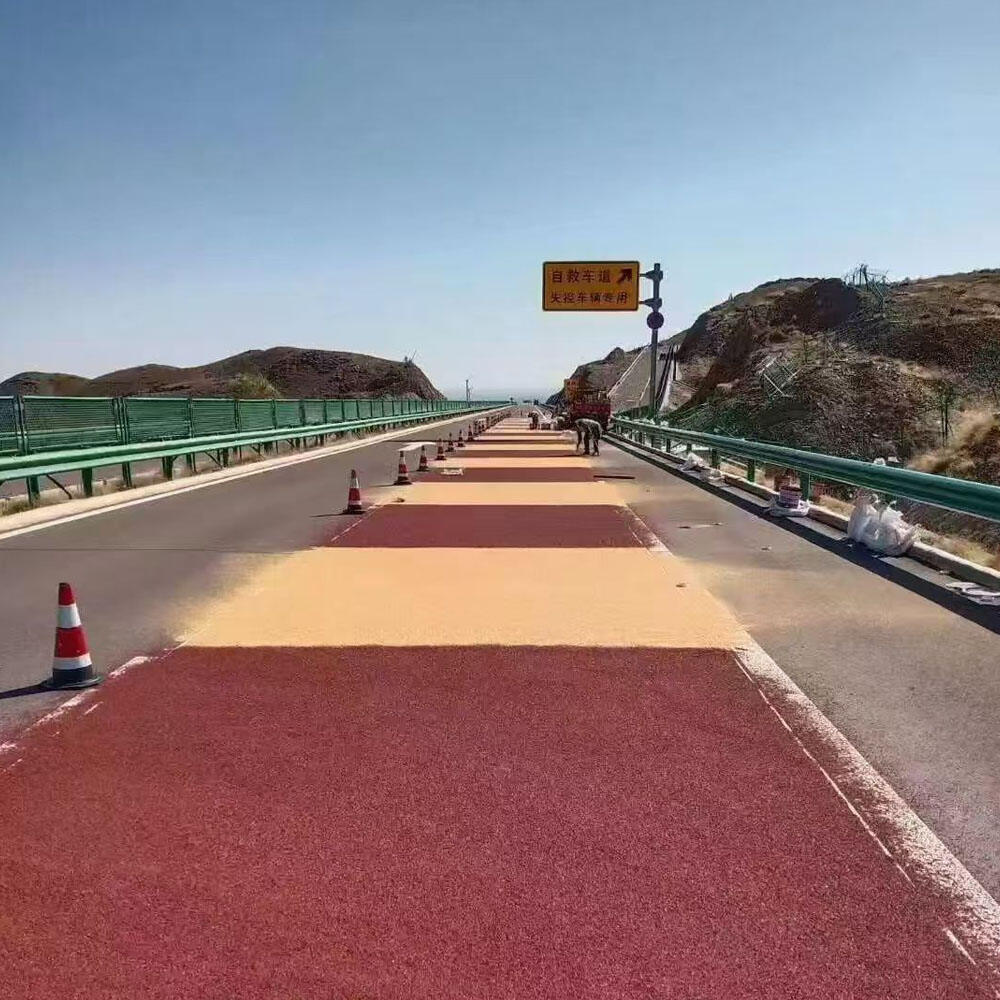
The implementation of anti skid surfaces on bridge decks represents a critical intersection of civil engineering, materials science, and traffic safety management. Unlike conventional roadway treatments, bridge deck applications must account for structural loading limitations, expansion joint compatibility, freeze-thaw cycling effects, and the accelerated wear patterns caused by concentrated traffic lanes. Standard pavement friction approaches often prove inadequate because bridge decks lack the subsurface drainage capacity of ground-level roads, experience more rapid water sheet formation, and undergo more extreme thermal cycling. These factors necessitate surface systems that provide superior macrotexture for water channeling, microtexture for wet tire grip, and long-term durability under the harsh environmental exposure inherent to elevated structures.
The Unique Hydroplaning Vulnerability of Bridge Deck Environments
Accelerated Water Accumulation Dynamics on Elevated Structures
Bridge decks experience fundamentally different water management challenges compared to ground-level pavements due to their structural configuration and environmental exposure. The absence of shoulder drainage, limited cross-slope options constrained by structural design, and the prevalence of longitudinal joints create conditions where water sheets form more rapidly and persist longer. When vehicles travel across these wet surfaces at highway speeds, the tire contact patch must displace water faster than it can escape through surface texture channels. Without properly engineered anti skid surfaces, the hydrodynamic pressure builds beneath the tire, lifting it from the pavement and eliminating friction. Bridge decks compound this risk because their smooth, impermeable wearing surfaces often lack the natural texture variation found in aggregate-based pavements, and expansion joints can trap water in precisely the locations where vehicles must maintain control during lane positioning.
Thermal Cycling Effects on Surface Friction Performance
The elevated, exposed position of bridge decks subjects them to more severe temperature fluctuations than ground-level roadways, creating conditions that accelerate the polishing and degradation of conventional pavement surfaces. During freeze-thaw cycles, trapped moisture within surface pores expands and contracts, gradually breaking down the microtexture that provides wet-weather friction. Standard asphalt and concrete surfaces lose their friction-generating roughness through this process, creating smooth areas where hydroplaning risk increases dramatically. Specialized anti skid surfaces incorporate materials and bonding systems engineered to withstand these thermal stresses while maintaining their texture characteristics. The calcined bauxite, flint aggregates, or synthetic materials used in high-performance anti skid surfaces resist polishing and retain angular particle shapes that continue channeling water and gripping tires even after thousands of freeze-thaw cycles that would render conventional surfaces dangerously smooth.
Traffic Loading Patterns and Wear Concentration Issues
Bridge deck traffic follows highly channelized patterns due to lane markings, barrier proximity, and driver psychology related to elevated driving environments. This concentration creates wear paths where conventional pavement surfaces develop smooth ruts and polished strips that become hydroplaning zones during wet weather. The repeated tire loading in these precise locations generates heat and mechanical abrasion that progressively removes surface texture. Anti skid surfaces address this challenge through hardness-matched aggregate systems that wear uniformly rather than developing differential friction zones. The high-strength minerals used in quality anti skid surfaces maintain texture depth even under the concentrated loading patterns typical of bridge traffic, ensuring that the wheel paths where hydroplaning risk is highest retain adequate drainage channels and friction characteristics throughout the surface service life.
Engineering Principles Behind Effective Bridge Deck Anti Skid Surface Systems
Macrotexture Design for Rapid Water Channeling
The primary defense against hydroplaning involves creating surface macrotexture that provides escape routes for water displaced by approaching tires. Effective anti skid surfaces incorporate aggregate particles sized and distributed to create interconnected channels measuring between 0.5 and 3.0 millimeters in depth. These channels function as drainage pathways that allow water to flow laterally and away from the tire contact patch faster than the hydrodynamic wedge can develop. The three-dimensional texture network created by properly specified anti skid surfaces maintains these drainage channels even as individual aggregate particles experience wear, because the system depth and particle gradation ensure that underlying material continues providing texture as surface particles gradually polish. Bridge deck applications require particularly robust macrotexture because the limited cross-slope and lack of shoulder drainage mean water must travel farther across the surface before exiting the traveled way.
Microtexture Characteristics for Wet Tire Adhesion
While macrotexture addresses bulk water removal, microtexture provides the actual friction interface between tire rubber and pavement surface at the microscopic level. High-quality anti skid surfaces incorporate aggregates with inherently rough surface characteristics at the sub-millimeter scale, creating countless tiny asperities that penetrate the thin water film remaining after macrotexture channels remove bulk moisture. Materials like calcined bauxite, crushed flint, and specialized synthetic aggregates maintain sharp, angular microtexture that resists the polishing action of traffic. This preserved microtexture ensures that even when macrotexture channels are overwhelmed during extreme rainfall events, some friction remains available through direct tire-aggregate contact. The combination of effective macrotexture and durable microtexture creates a multi-scale defense against hydroplaning that conventional smooth bridge deck surfaces cannot provide.
Material Bonding and Substrate Compatibility Requirements
The effectiveness of anti skid surfaces on bridge decks depends critically on the bonding system that anchors friction-generating aggregates to the structural substrate. Bridge deck substrates present unique bonding challenges due to their smooth finish, potential for movement at expansion joints, and exposure to moisture from both surface precipitation and structural condensation. Advanced anti skid surfaces utilize two-component epoxy or polyurethane resin systems formulated to achieve molecular-level adhesion to concrete and steel bridge deck materials while maintaining flexibility to accommodate thermal expansion and structural deflection. These resin systems must cure rapidly to minimize traffic disruption while developing sufficient strength to resist the shear forces generated by heavy vehicle braking and acceleration. The resin also encapsulates and protects aggregate particles, preventing their dislodgement under traffic loading and ensuring long-term retention of the engineered texture profile.
Operational Safety Benefits Specific to Bridge Deck Hydroplaning Prevention
Stopping Distance Reduction in Wet Conditions
The most quantifiable safety benefit of specialized anti skid surfaces on bridge decks manifests in dramatically shortened stopping distances during wet weather conditions. Research conducted by transportation agencies demonstrates that high-friction surface treatments can reduce wet-weather stopping distances by thirty to fifty percent compared to conventional pavement surfaces. On bridge approaches and mid-span locations where unexpected slowdowns or obstacles may require emergency braking, this stopping distance reduction directly translates to collision avoidance. The enhanced friction provided by properly engineered anti skid surfaces allows tire rubber to maintain contact with the pavement throughout the braking event, enabling anti-lock braking systems to function effectively rather than cycling ineffectively on hydroplaning tires. For bridge decks where barrier strikes or over-barrier departures carry catastrophic consequences, this margin of additional braking performance represents the difference between controlled stops and serious incidents.
Vehicle Stability Enhancement During Lane Changes and Curve Navigation
Beyond straight-line braking, anti skid surfaces provide critical stability benefits during the lateral maneuvering required for lane changes, curve navigation, and obstacle avoidance on bridge decks. When vehicles change lanes or follow curved alignment on wet conventional pavement, hydroplaning can cause sudden directional instability as individual tires lose and regain traction unpredictably. This instability becomes particularly dangerous on bridges where shoulder space is minimal and protective barriers are immediately adjacent to travel lanes. Specialized anti skid surfaces maintain consistent friction across the full range of tire slip angles encountered during cornering and maneuvering, allowing drivers to maintain predictable vehicle control even during emergency avoidance situations. The uniform texture distribution characteristic of properly applied anti skid surfaces eliminates the friction variability that causes vehicles to suddenly slide or oversteer when transitioning between wet pavement zones with different friction characteristics.
Heavy Vehicle Traction Preservation Under Load
Commercial vehicles with high axle loads generate greater hydrodynamic pressure beneath their tires and require longer stopping distances even under ideal conditions. On wet bridge decks with conventional surfaces, heavy vehicles experience hydroplaning at lower speeds than passenger vehicles due to their higher tire loading and longer wheelbases that reduce weight distribution effectiveness. Anti skid surfaces provide disproportionate safety benefits for heavy vehicle operations by maintaining friction levels that prevent hydroplaning even under high tire contact pressures. The engineered aggregate systems used in quality anti skid surfaces resist embedment under heavy loads while maintaining texture depth adequate for water channeling beneath high-pressure tire contact patches. This heavy vehicle traction preservation proves particularly valuable on bridge deck grades where loaded trucks must maintain control during descent and on bridge approaches where traffic frequently slows unexpectedly.
Long-Term Performance and Maintenance Considerations for Bridge Deck Applications
Durability Under Concentrated Traffic Loading and Environmental Exposure
The return on investment for bridge deck anti skid surfaces depends on their ability to maintain friction characteristics throughout extended service lives despite harsh operating conditions. Superior anti skid surfaces utilize carefully selected aggregates with Mohs hardness values exceeding seven, ensuring resistance to both mechanical wear from traffic and chemical degradation from deicing chemicals. The resin binder systems must maintain their structural integrity through repeated freeze-thaw cycling, ultraviolet exposure, and the thermal expansion-contraction that occurs daily on exposed bridge decks. Quality systems demonstrate service lives ranging from seven to fifteen years on high-traffic bridge decks, compared to conventional pavement surfaces that may require friction restoration within three to five years. This extended performance period reduces lifecycle costs while maintaining consistent safety benefits throughout the service interval, eliminating the periodic friction degradation and restoration cycles that create recurring hydroplaning risk with conventional approaches.
Inspection Protocols and Performance Monitoring Methods
Maintaining the hydroplaning prevention effectiveness of bridge deck anti skid surfaces requires systematic inspection and performance monitoring to detect degradation before friction falls below acceptable thresholds. Transportation agencies employ portable friction testing devices that measure skid resistance under standardized wet conditions, allowing objective assessment of anti skid surface performance. These measurements guide maintenance timing decisions and identify localized areas where premature wear may require targeted repair before wholesale replacement becomes necessary. Visual inspection protocols focus on aggregate retention, resin integrity, and the presence of foreign material accumulation that could compromise texture effectiveness. Advanced agencies incorporate friction monitoring into bridge inspection cycles, ensuring that anti skid surfaces receive attention proportionate to their safety-critical function rather than being overlooked until obvious failure occurs.
Rehabilitation Strategies and Partial Replacement Approaches
When bridge deck anti skid surfaces eventually require renewal, proper rehabilitation strategies maximize cost-effectiveness while minimizing traffic disruption. Localized wear areas, particularly in heavy vehicle wheel paths and near toll plazas or traffic signals where vehicles repeatedly stop, may require targeted repair years before the full bridge deck surface needs replacement. Modern anti skid surface systems support partial removal and repair of degraded sections, allowing agencies to address high-wear zones without disturbing areas that retain adequate performance. Full surface replacement requires careful substrate preparation to remove all traces of old resin and aggregate while avoiding damage to the underlying bridge deck wearing surface. The rapid cure characteristics of contemporary anti skid surface systems enable overnight installation on short bridge segments, allowing work to proceed during brief traffic closures that minimize disruption to regional transportation networks.
Comparative Performance Analysis Against Alternative Hydroplaning Mitigation Approaches
Limitations of Geometric Design Modifications for Existing Structures
Bridge owners sometimes consider geometric modifications such as increased cross-slope or improved drainage systems as alternatives to specialized anti skid surfaces for hydroplaning prevention. While these approaches offer theoretical benefits, their implementation on existing bridges faces severe practical constraints. Increasing cross-slope requires raising one edge of the bridge deck relative to the other, creating structural loading imbalances and necessitating barrier height adjustments that may not be feasible within original design parameters. Enhanced drainage systems must integrate with existing expansion joints and deck drainage infrastructure, often requiring invasive structural modifications with costs far exceeding surface treatment alternatives. Furthermore, geometric modifications address only the water accumulation aspect of hydroplaning risk, doing nothing to improve the friction characteristics of the pavement surface itself. Specialized anti skid surfaces provide comprehensive hydroplaning mitigation without requiring structural modifications, making them the practical solution for the vast majority of existing bridge deck safety enhancement projects.
Conventional Pavement Grooving and Texturing Inadequacies
Some bridge deck rehabilitation projects employ conventional concrete grooving or asphalt overlay texturing as budget alternatives to specialized anti skid surfaces. While these approaches provide modest friction improvements compared to smooth surfaces, they lack the engineered texture characteristics and material durability necessary for reliable long-term hydroplaning prevention. Transverse grooving in concrete creates linear channels that improve longitudinal water drainage but provide minimal benefit for lateral water movement during lane changes and curve navigation. The grooves also collect debris and can create uncomfortable tire noise that prompts agencies to shallow the groove depth, further compromising effectiveness. Asphalt overlay texturing relies on exposed aggregate or surface scarification that wears rapidly under traffic, particularly in the channelized wheel paths where hydroplaning risk concentrates. These conventional approaches typically provide adequate friction for only two to four years before requiring renewal, and their peak friction values never approach the levels achieved by properly specified anti skid surfaces incorporating high-hardness aggregates.
Chemical Treatment Limitations and Application Restrictions
Chemical friction enhancement treatments, including various polymer and silicate-based products marketed for pavement friction improvement, occasionally appear as potential alternatives to aggregate-based anti skid surfaces. These products claim to restore friction through chemical modification of existing pavement surfaces without adding significant texture depth. However, their performance on bridge decks proves inconsistent and typically short-lived due to the aggressive wear environment and lack of substantial macrotexture for water channeling. Chemical treatments cannot create the three-dimensional texture network necessary for effective hydroplaning prevention; they can only attempt to enhance the microtexture of existing smooth surfaces. On bridge decks where water accumulation and high-speed traffic create severe hydroplaning conditions, the modest friction improvements provided by chemical treatments prove inadequate for meaningful safety enhancement. Additionally, many chemical treatments exhibit temperature sensitivity and require frequent reapplication, creating maintenance burdens that offset their lower initial costs.
FAQ
What friction coefficient values should bridge deck anti skid surfaces achieve to effectively prevent hydroplaning?
Effective bridge deck anti skid surfaces should achieve wet friction coefficients measured at 40 mph between 0.55 and 0.75 using standardized testing protocols such as the Dynamic Friction Tester or Grip Tester. These values represent significant improvements over conventional bridge deck surfaces, which typically measure between 0.30 and 0.45 when wet. The hydroplaning prevention threshold varies with vehicle speed, tire condition, and water depth, but friction values above 0.50 provide substantial safety margins for passenger vehicles at highway speeds. High-traffic bridge decks and locations with complex geometry benefit from targeting friction values at the upper end of this range to account for the inevitable gradual decline that occurs during the service life of any pavement surface treatment.
How do anti skid surfaces perform during winter weather conditions with ice and snow accumulation?
Bridge deck anti skid surfaces provide significant benefits during winter weather by improving the effectiveness of both mechanical snow removal and chemical deicing operations. The enhanced texture created by anti skid surfaces increases the contact area between snowplow blades and the pavement surface, allowing more complete snow and ice removal compared to smooth bridge decks where plows tend to ride over compacted snow layers. The rough texture also provides anchor points that help retain deicing chemicals in contact with ice formations rather than allowing them to blow off or run off immediately after application. However, anti skid surfaces do not prevent ice formation and cannot eliminate the need for winter maintenance operations. During active icing conditions, the same texture that prevents hydroplaning creates additional surface area where ice can bond, potentially requiring increased deicer application rates compared to smooth surfaces. The overall winter safety benefit remains positive because the improved bare-pavement friction during the majority of winter conditions outweighs the modestly increased deicing requirements during active ice formation.
Can anti skid surfaces be applied to steel grid bridge decks or only concrete and asphalt surfaces?
Specialized anti skid surfaces can be successfully applied to steel grid bridge decks, though the application requires modified procedures and materials compared to concrete or asphalt installations. Steel grid decks present unique bonding challenges due to their open structure, thermal expansion characteristics, and the smooth, potentially contaminated surface of steel members. Successful applications utilize flexible epoxy resin systems specifically formulated for steel bonding, combined with application techniques that ensure resin penetration into the grid structure rather than simply bridging across openings. Some installations incorporate intermediate layers or reinforcement fabrics to create a continuous surface suitable for aggregate retention. The cost of applying anti skid surfaces to steel grid decks typically exceeds that of concrete applications due to additional surface preparation requirements and specialized materials. However, the safety benefits prove particularly valuable on steel grid decks because their inherently open structure provides minimal hydroplaning protection and can create severe traction problems during wet conditions even at moderate speeds.
What traffic control duration is required for anti skid surface installation on bridge decks?
Modern anti skid surface systems offer rapid cure formulations that enable single-lane installations within four to six hour work windows, making them compatible with overnight closures that minimize traffic disruption. The installation process requires complete lane closure for the work area, as vehicles cannot contact the surface during resin application and initial cure. Two-component resin systems begin curing immediately upon mixing, with aggregate broadcast occurring within a narrow application window typically lasting ten to twenty minutes. Initial trafficable cure strength develops within two to four hours depending on temperature conditions, allowing lane reopening during the same night shift for installations conducted during moderate weather. Full cure strength develops over twenty-four to seventy-two hours, during which time the surface can carry traffic but should not be subjected to aggressive braking or turning forces. Bridge deck installations typically proceed in sequential single-lane segments to maintain traffic flow, with complete bridge deck treatment requiring multiple night shifts for multi-lane structures. This work zone duration compares favorably to alternative bridge deck rehabilitation approaches such as concrete overlays or full-depth repairs that require extended closures.
Table of Contents
- The Unique Hydroplaning Vulnerability of Bridge Deck Environments
- Engineering Principles Behind Effective Bridge Deck Anti Skid Surface Systems
- Operational Safety Benefits Specific to Bridge Deck Hydroplaning Prevention
- Long-Term Performance and Maintenance Considerations for Bridge Deck Applications
- Comparative Performance Analysis Against Alternative Hydroplaning Mitigation Approaches
-
FAQ
- What friction coefficient values should bridge deck anti skid surfaces achieve to effectively prevent hydroplaning?
- How do anti skid surfaces perform during winter weather conditions with ice and snow accumulation?
- Can anti skid surfaces be applied to steel grid bridge decks or only concrete and asphalt surfaces?
- What traffic control duration is required for anti skid surface installation on bridge decks?