עמידות כימית וסביבתית מוחלטת
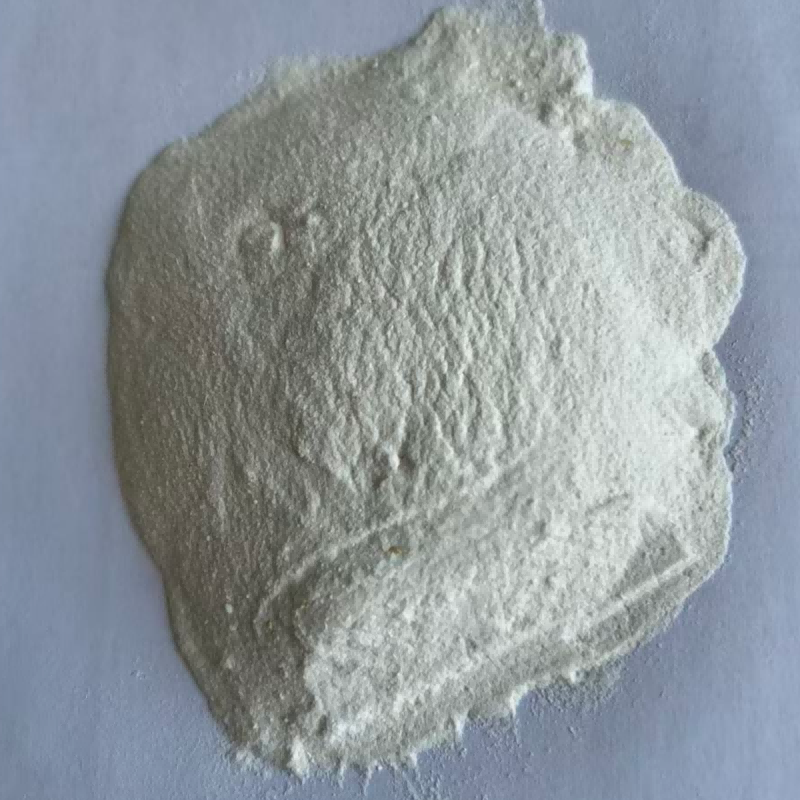
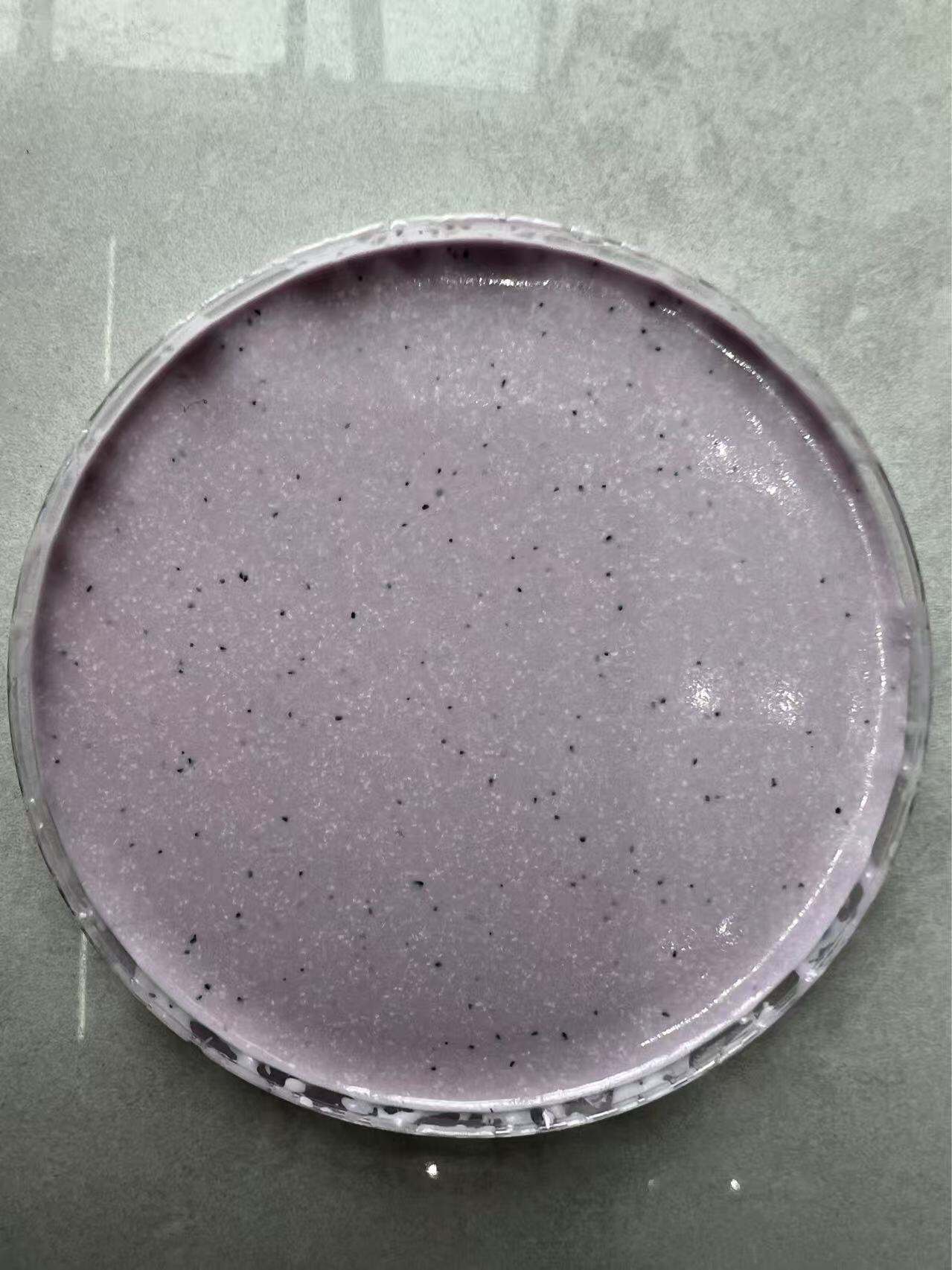
תכונות ההתנגדות הכימית של חול אפוקסי צבע למכירה הופכות אותו לבחירה המועדפת על סביבות תובעניות שבהן חשיפה לחומרים אגרסיביים היא שגרתית. מטריצה אפוקסי מקושרת יצרה מחסום המתנגד לחדור של חומצות, בסיסים, מסילי, שמנים וכימיקלים אחרים שיגרמו לחיסור מהיר של חומרי רצפה קונבנציונליים. פרוטוקולים של בדיקות בעקבות תקני ASTM מראים עמידות מצוינת לחומצה גופרית, חומצה כלורית, נתרן הידרוקסיד, מתיל אתיל קטון, ומוצרים מבוססי נפט ללא צבע, רך, או ניזוק משטח. אינרטיות כימית זו הופכת את חול הצבע אפוקסי למכירה אידיאלי לייצור תרופות, עיבוד כימי, מתקני שירות רכב, ומפעלים עיבוד מזון שבהם שפיכות וניקוי כימיקלים נפוצים. השטח הלא-פורי מונע ספיגת נוזלים, ריחות ומזוהמים, תוך שמירה על סביבה היגיינית הממלאת את דרישות ה- FDA ו- USDA עבור משטחי מגע עם מזון. בדיקות עמידות לאור UV מאשרות כי גוש החול הצבעוני וצורות הכיסוי העליון שומרות על יציבות צבע ותכונות פיזיות גם לאחר חשיפה ממושכת לאור השמש הישיר ולאור מלאכותי עוצמתי. עמידות לקרקיץ לחץ סביבתי מבטיחה שהמערכת תשמור על שלמותה כאשר היא חשופה להלם תרמי, מחזור לחות ותנאי הקפאה-פיגוע שגורמים למערכות רצפות אחרות להיכשל. תצורת VOC הנמוכה עומדת בסטנדרטים קפדניים לאיכות האוויר הפנימי, מה שהופך את חול צבע אפוקסי למכירה מתאים לבניינים כבויים, בתי ספר, בתי חולים וסביבות רגישות אחרות. עמידות העברת אדים לחות מונעת לחות בסיס מלהגרום לדילמנטציה או פגמים משטח, חשוב במיוחד ביישומים מתחת לדרגה ובאזורים עם לחות גבוהה. בדיקת עמידות באש מראה כי המערכת עומדת במידות התפשטות להבה של כיתה A ומייצרת גרסת עשן מינימלית במהלך אירועי שריפה. תכונות האנטימיקרוביות של פני השטח החלקים, הלא חלבניים מונעות צמיחת חיידקים וייצור ביו-סרט, ומפחיתה את סיכונים לזיהומים ביישומי שירותי בריאות ומזון. מחקרים ארוכי טווח על מזג האוויר מאשרים שמתקנים חיצוניים שומרים על ביצועים ומראה במשך עשורים מבלי לדרוש כיסוי מגן או התערבות תחזוקה תכופה.

 EN
EN