יישומים מגוונים במספר תעשיות
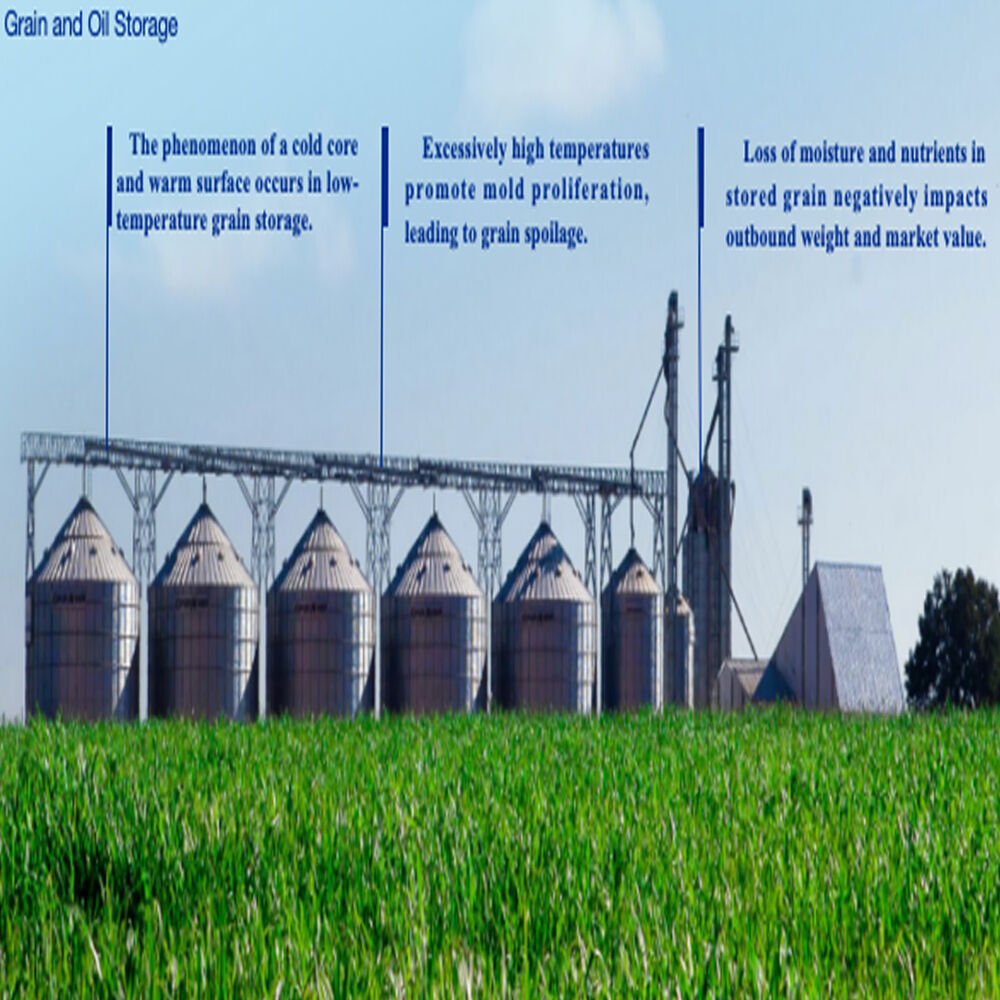
צבע קירור רדיאטיבי מפגין גמישות יוצאת דופן בתחומים ובהישומים מגוונים, מהouses המגורים ועד למבנים תעשייתיים, לתחום הרכב ולדרישות קירור של ציוד מיוחד. בשוק המגורים, צבע הקירור הרדיאטיבי משנה את האסטרטגיות לקירור הבתים על ידי הפחתת טמפרטורת הגג והחמה הפנימית, מה שגורם לבתים להיות נוחים יותר ומקטין את חשבון החשמל. הצבע פועל בצורה יוצאת דופן על חומרים מגוונים לגגות, כולל מתכת, אריחים, סרגלים ומערכות ממברנה, ומתאים לסגנונות אדריכליים ושיטות בנייה שונות. מבנים מסחריים נהנים רבות מצבע הקירור הרדיאטיבי על שטחים גדולים של גגות, קירות חיצוניים וקופסאות ציוד מכני, שם שיטות הקירור המסורתיות אינן יעילות מספיק או יקרות מדי. מתקנים תעשייתיים משתמשים בצבע הקירור הרדיאטיבי על מיכלים לאחסון, ציוד עיבוד וגרמי מחסנים, שבהם בקרה על הטמפרטורה משפיעה על איכות המוצר ונוחות העובדים. תחום הרכב אימץ את צבע הקירור הרדיאטיבי למשטחי כלי הרכב, ובכך מסייע להפחית את טמפרטורת הקבינת ומשפר את יעילות הדלק על ידי הפחתת עומס מזגן. ביישומים באסטרונאוטיקה מנצלים את התכונות התרמיות של הצבע, אשר מאושרות לשימוש בחלל, לניהול החום של לוויינים ולקירור משטחי מטוסים. מרכזי נתונים משתמשים בצבע הקירור הרדיאטיבי כדי להפחית את עומסי הקירור במתקנים שבהם בקרה על הטמפרטורה קריטית לאמינות הציוד וליעילות האנרגטית. ביישומים חקלאיים נכללים מבני מקומות לחיות, קירור חממות והגנה על ציוד, שבהם ניהול הטמפרטורה משפיע ישירות על הפקודה ועל phúc החיות. יעילות הצבע משתרעת גם על תשתית התחבורה, כולל משטחי גשרים, כבישים ומתקני תחבורה, שבהם הפחתת החום משפרת את העמידות ונוחות המשתמשים. ביישומים ימיים משתמשים בצבע הקירור הרדיאטיבי על משטחי ספינות ومنصות ימיות, שבהן שיטות הקירור המסורתיות נתקלות באתגרים ייחודיים. התקנות אנרגיה סולארית נהנות מצבע הקירור הרדיאטיבי על משטחים שאינם פוטו-וולטאיים, כדי לשפר את היעילות הכוללת של המערכת ואת משך חיים של הציוד. ביישומים צבאיים ובטחוניים מנצלים את יכולת הקירור הפסיבית של הצבע במיקומים מרוחקים בהם זמינות החשמל מוגבלת. היכולת של הצבע להידבק כמעט לכל בסיס הופכת אותו מתאים ליישומים של שדרוג על מבנים קיימים, ללא צורך בהכנה מיוחדת של המשטח מעבר לניקוי סטנדרטי. גמישות זו, בשילוב עם שיטות יישום פשוטות, מעמידה את צבע הקירור הרדיאטיבי כפתרון אוניברסלי לאתגרי הניהול התרמי בתחומים, אקלימים וקנה מידה של יישומים שונים, מה שהופך אותו לטכנולוגיה בלתי נחלפת לבקרת טמפרטורה ברת קיימא בעולם המודרני.


 EN
EN