חומרים סינתטיים של רזין
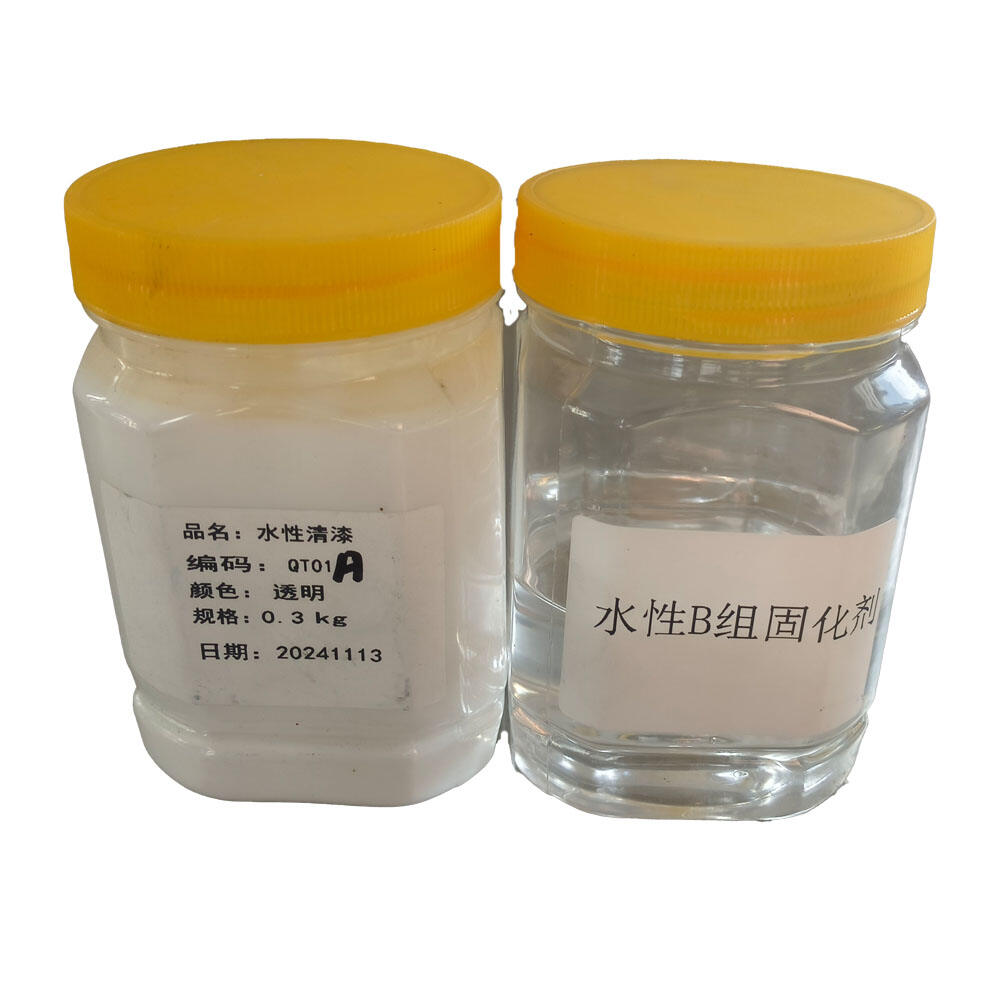
חומרי רזין סינתטיים מייצגים מחלקה מהפכנית של פולימרים מהונדסים שגרמו להשתלטות על תחומי היצרנות והבנייה ברחבי העולם. חומרים אלו נוצרים בתהליכים כימיים מבוקרים המשלבים מונומרים שונים כדי ליצור מבנים מולקולריים בעלי שרשרת ארוכה עם תכונות מוגדרות מראש. חומרי רזין סינתטיים משרתים פונקציות קריטיות רבות בתחומים מגוונים, ומציעים גמישות יוצאת דופן ותכונות ביצוע שלא ניתן להשיג בחומרים טבעיים. הפונקציות העיקריות של חומרים אלו כוללות עידוד מבני, ציפוי הגנתי, הדבקה ודבקות, ויישומי בידוד. הרכב המולקולרי שלהם מאפשר לייצרנים להתאים תכונות כגון חוזק, גמישות, עמידות כימית ויציבות תרמית בהתאם לדרישות ספציפיות. מבחינה טכנולוגית, חומרי הרזין הסינתטיים מאפיינים שרשראות פולימריות מתקדמות המפגינות עמידות יוצאת דופן ועקביות. תהליך היצור כולל בקרה מדויקת על הטמפרטורה, בחירת קטליזטורים וזמן התגובה כדי להבטיח את ההתפלגות האופטימלית של משקל מולקולרי ואת צפיפות הקישור החוזק. חומרים אלו מפגינים תכונות מכניות עליונות, כולל חוזק מתיחה גבוה, עמידות לפגיעה ואיזון ממדי תחת תנאים סביבתיים משתנים. המבנה הכימי של חומרי הרזין הסינתטיים מספק עמידות מעולה בפני לחות, קרינה אולטרה סגולה (UV) ותהליכי קורוזיה כימית, מה שהופך אותם לאידיאליים לסביבות פעילות קשות. היישומים שלהם משתרעים על תחומי ייצור רכב, הנדסת אווירונאוטיקה, בנייה, אלקטרוניקה, ציוד ימי ומוצריו של הצרכן. ביישומים אוטומוטיביים, חומרי הרזין הסינתטיים מקלים את משקל הרכבת תוך שמירה על שלמות מבנית. תעשיית האווירונאוטיקה משתמשת בחומרים אלו לרכיבים קלים שיכולים לעמוד בטמפרטורות קיצוניות והבדלים בלחץ. תחומי הבנייה משתמשים בחומרי הרזין הסינתטיים ליצירת עמידות למים, תיקונים מבניים ואלמנטים אדריכליים. יצרני אלקטרוניקה סומכים על חומרים אלו כתשתיות ללוחות מעגלים, מעטפות הגנה ורכיבי בידוד. היישומים הימיים נהנים מהעמידות לקורוזיה ולנוזלים של חומרי הרזין הסינתטיים בבניית גוף הספינה ובמרכיבי הסיפון.

 EN
EN