Synthetic Resin Materials: Advanced Engineering Solutions for Superior Performance and Durability

All Categories

Get a Free Quote

Our representative will contact you soon.
Email
Mobile/WhatsApp
Name
Company Name
Message
0/1000

synthetic resin materials

Synthetic resin materials represent a revolutionary class of engineered polymers that have transformed manufacturing and construction industries worldwide. These materials are created through controlled chemical processes that combine various monomers to form long-chain molecular structures with predetermined properties. Synthetic resin materials serve multiple critical functions across diverse sectors, offering unparalleled versatility and performance characteristics that natural materials cannot match. The primary functions of these materials include structural reinforcement, protective coating, adhesive bonding, and insulation applications. Their molecular composition allows manufacturers to customize properties such as strength, flexibility, chemical resistance, and thermal stability according to specific requirements. Technologically, synthetic resin materials feature advanced polymer chains that exhibit exceptional durability and consistency. The manufacturing process involves precise temperature control, catalyst selection, and reaction timing to ensure optimal molecular weight distribution and cross-linking density. These materials demonstrate superior mechanical properties, including high tensile strength, impact resistance, and dimensional stability under varying environmental conditions. The chemical structure of synthetic resin materials provides excellent resistance to moisture, UV radiation, and chemical corrosion, making them ideal for harsh operating environments. Applications span across automotive manufacturing, aerospace engineering, construction, electronics, marine equipment, and consumer goods production. In automotive applications, synthetic resin materials reduce vehicle weight while maintaining structural integrity. Aerospace industries utilize these materials for lightweight components that withstand extreme temperatures and pressure differentials. Construction sectors employ synthetic resin materials for waterproofing, structural repairs, and architectural elements. Electronics manufacturers rely on these materials for circuit board substrates, protective housings, and insulation components. Marine applications benefit from the corrosion resistance and water-repelling properties of synthetic resin materials in hull construction and deck fittings.

Popular Products

Synthetic resin materials deliver substantial benefits that make them superior choices for modern manufacturing and construction projects. These materials offer exceptional durability that significantly extends product lifespan compared to traditional alternatives. The engineered molecular structure provides consistent performance across wide temperature ranges, ensuring reliable operation in both extreme heat and freezing conditions. Cost-effectiveness represents another major advantage, as synthetic resin materials reduce maintenance requirements and replacement frequency, resulting in lower total ownership costs over time. Processing advantages include easy moldability and rapid curing times that accelerate production schedules and reduce manufacturing costs. These materials maintain dimensional stability under mechanical stress, preventing warping, cracking, or deformation during use. Weight reduction capabilities of synthetic resin materials contribute to improved fuel efficiency in transportation applications and simplified handling during installation processes. Chemical resistance properties protect against acids, bases, solvents, and environmental pollutants, ensuring long-term performance in challenging chemical environments. Electrical insulation characteristics make synthetic resin materials ideal for electronic applications where safety and reliability are paramount. Customization flexibility allows manufacturers to adjust properties such as hardness, flexibility, color, and texture to meet specific application requirements without compromising performance. Environmental stability ensures that synthetic resin materials resist weathering, UV degradation, and thermal cycling that typically damage conventional materials. Manufacturing efficiency improves through reduced processing steps, lower energy requirements, and minimal waste generation during production. Quality consistency eliminates batch-to-batch variations that plague natural materials, ensuring predictable performance across all products. Design freedom enables complex geometries and intricate details that would be impossible or cost-prohibitive with traditional materials. Repair and maintenance simplicity reduces downtime and service costs, as synthetic resin materials can be easily refinished or patched without specialized equipment or extensive training.

Tips And Tricks

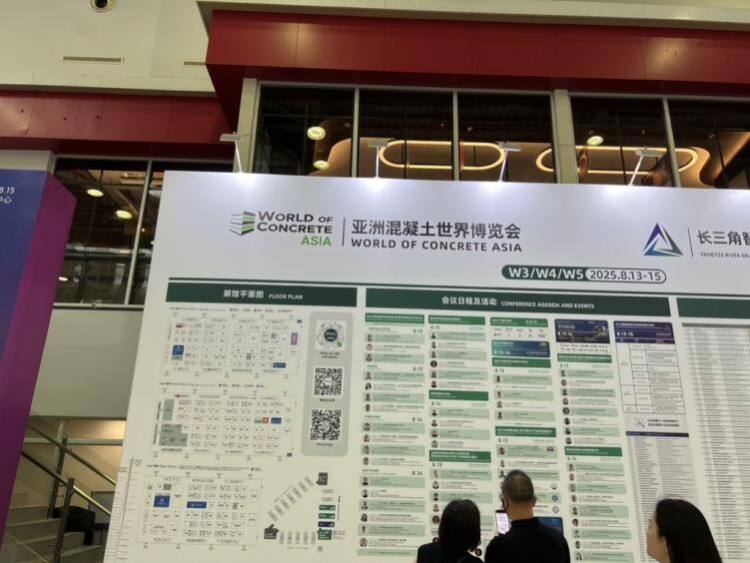
Shandong Huacheng High-Tech Participates in WORLD OF CONCRETE ASIA 2025 in Shanghai

25

Feb

Shandong Huacheng High-Tech Participates in WORLD OF CONCRETE ASIA 2025 in Shanghai

View More
Shandong Huacheng High-Tech Shines at CHINACOAT 2025 Shanghai

25

Feb

Shandong Huacheng High-Tech Shines at CHINACOAT 2025 Shanghai

View More
Huacheng High-Tech Recognized as Provincial Enterprise Technology Center by Shandong Province

27

Feb

Huacheng High-Tech Recognized as Provincial Enterprise Technology Center by Shandong Province

View More

Get a Free Quote

Our representative will contact you soon.
Email
Mobile/WhatsApp
Name
Company Name
Message
0/1000

synthetic resin materials

Superior Chemical and Environmental Resistance

Superior Chemical and Environmental Resistance

Synthetic resin materials excel in providing outstanding chemical and environmental resistance that surpasses conventional material options across multiple demanding applications. The molecular engineering of these materials creates a dense, cross-linked polymer network that effectively blocks penetration of aggressive chemicals, moisture, and environmental contaminants. This exceptional resistance stems from the carefully controlled polymerization process that forms strong covalent bonds throughout the material structure, creating an impermeable barrier against corrosive substances. In industrial environments where exposure to acids, bases, solvents, and oxidizing agents is common, synthetic resin materials maintain their structural integrity and performance characteristics without degradation. The chemical inertness of these materials prevents unwanted reactions that could compromise product safety or performance, making them essential for pharmaceutical manufacturing, chemical processing, and laboratory equipment applications. Environmental factors such as UV radiation, temperature fluctuations, humidity variations, and atmospheric pollutants pose significant challenges to material performance over time. Synthetic resin materials address these challenges through specialized formulations that include UV stabilizers, antioxidants, and thermal stabilizers integrated directly into the polymer matrix. This comprehensive protection system ensures that synthetic resin materials resist color fading, surface chalking, mechanical property degradation, and dimensional changes that typically affect exposed materials. Marine environments present particularly harsh conditions with saltwater exposure, constant moisture, and temperature cycling that rapidly deteriorate conventional materials. Synthetic resin materials demonstrate exceptional performance in these conditions, maintaining structural strength and appearance for decades without significant maintenance requirements. The economic value of this resistance translates directly into reduced replacement costs, minimized downtime, and enhanced safety margins for critical applications where material failure could have serious consequences.
Exceptional Mechanical Properties and Structural Performance

Exceptional Mechanical Properties and Structural Performance

The mechanical properties of synthetic resin materials represent a significant advancement in engineering materials, offering combinations of strength, toughness, and flexibility that traditional materials cannot achieve. Advanced polymer chemistry enables precise control over molecular weight, cross-link density, and chain orientation to optimize mechanical performance for specific applications. Tensile strength values of synthetic resin materials often exceed those of aluminum and approach steel levels while maintaining significantly lower density, providing exceptional strength-to-weight ratios crucial for aerospace, automotive, and structural applications. Impact resistance characteristics allow synthetic resin materials to absorb and dissipate energy from sudden loads without catastrophic failure, making them ideal for safety-critical components and protective equipment. Fatigue resistance ensures long-term reliability under cyclic loading conditions that would cause crack initiation and propagation in metallic materials. The viscoelastic behavior of synthetic resin materials provides natural damping properties that reduce vibration transmission and noise generation in mechanical systems. Compression strength and modulus properties can be tailored through fiber reinforcement and filler selection to create materials with directional properties optimized for specific load paths. Flexural properties demonstrate the ability to withstand bending forces while maintaining structural integrity, essential for applications requiring both rigidity and compliance. Temperature-dependent mechanical behavior remains stable across wide operating ranges, ensuring consistent performance in both high-temperature engine components and low-temperature aerospace applications. The fracture toughness of synthetic resin materials prevents crack propagation, providing fail-safe characteristics that enhance overall system reliability. Processing-induced stresses can be minimized through controlled curing cycles and stress-relief techniques, ensuring that final products achieve maximum mechanical potential. Design engineers benefit from predictable mechanical properties that enable precise structural calculations and optimization of component geometries for maximum performance efficiency.
Versatile Processing and Manufacturing Capabilities

Versatile Processing and Manufacturing Capabilities

Manufacturing versatility represents one of the most compelling advantages of synthetic resin materials, offering unprecedented flexibility in processing methods and production techniques that accommodate diverse manufacturing requirements. Liquid processing capabilities enable complex part geometries through casting, molding, and infusion techniques that eliminate the need for expensive machining operations or assembly processes. Room temperature curing options reduce energy consumption and enable portable manufacturing operations without the need for large ovens or heating equipment. Rapid prototyping compatibility allows designers to quickly evaluate concepts and iterate designs without the long lead times associated with traditional manufacturing methods. Tooling requirements are significantly reduced compared to metalworking processes, as synthetic resin materials can be processed using lightweight, low-cost molds made from various materials including composites, plastics, and even temporary materials for prototype development. Multi-material integration capabilities enable the combination of synthetic resin materials with reinforcing fibers, metallic inserts, and functional additives during the manufacturing process, creating hybrid structures with optimized properties. Automated processing techniques including resin transfer molding, pultrusion, and filament winding enable high-volume production with consistent quality and reduced labor costs. Low-pressure processing requirements eliminate the need for expensive high-pressure equipment while maintaining excellent surface finish and dimensional accuracy. Post-processing flexibility allows for machining, bonding, painting, and finishing operations using standard equipment and techniques familiar to most manufacturing facilities. Quality control integration throughout the manufacturing process ensures consistent material properties and part performance through real-time monitoring of temperature, pressure, and cure progression. Scalability from prototype quantities to high-volume production enables seamless transition from development to full production without major process changes or equipment investments. Waste reduction and recycling opportunities minimize environmental impact and raw material costs through efficient material utilization and end-of-life recovery programs that support sustainable manufacturing practices.

Get a Free Quote

Our representative will contact you soon.
Email
Mobile/WhatsApp
Name
Company Name
Message
0/1000