Veelzijdige installatie- en aanpassingsmogelijkheden
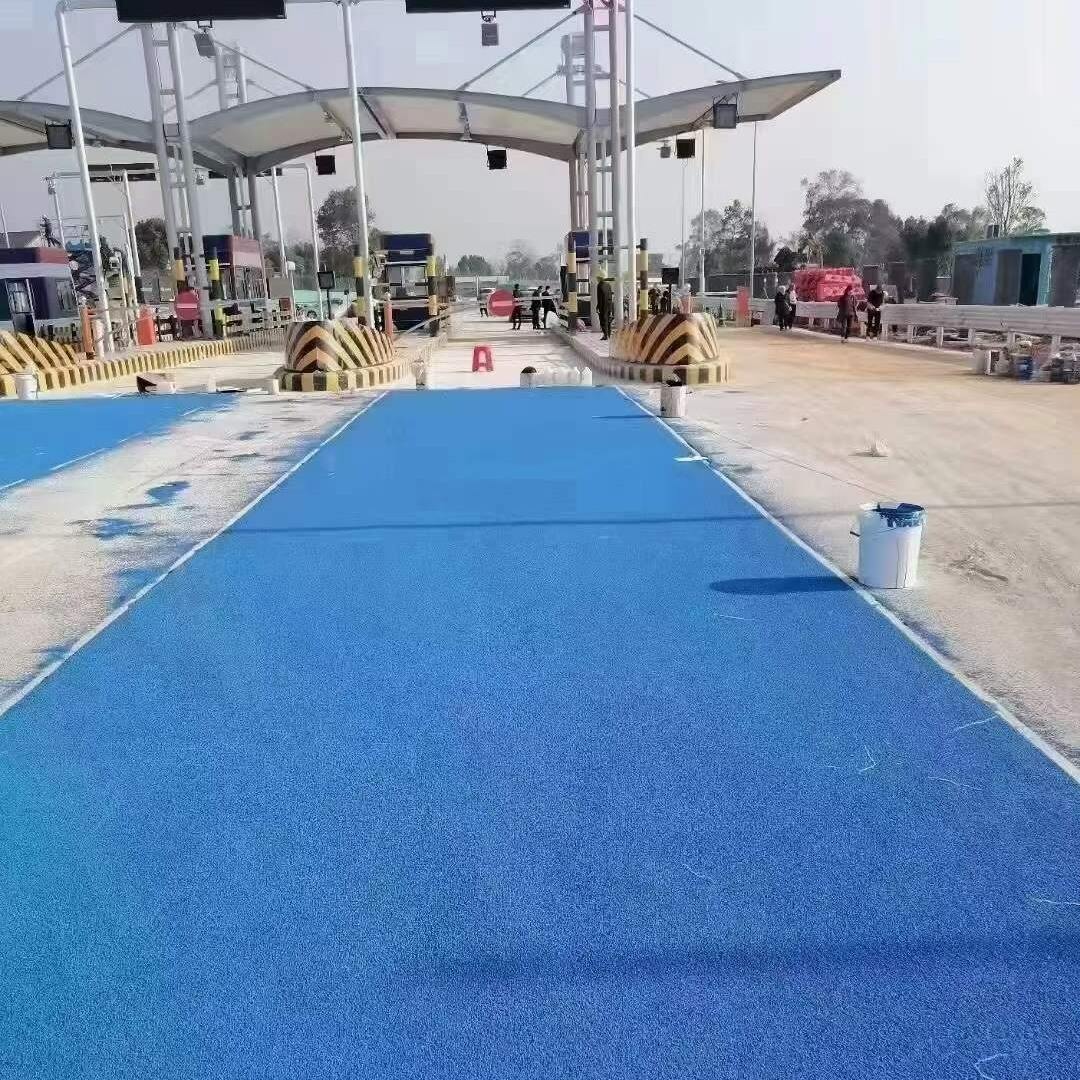
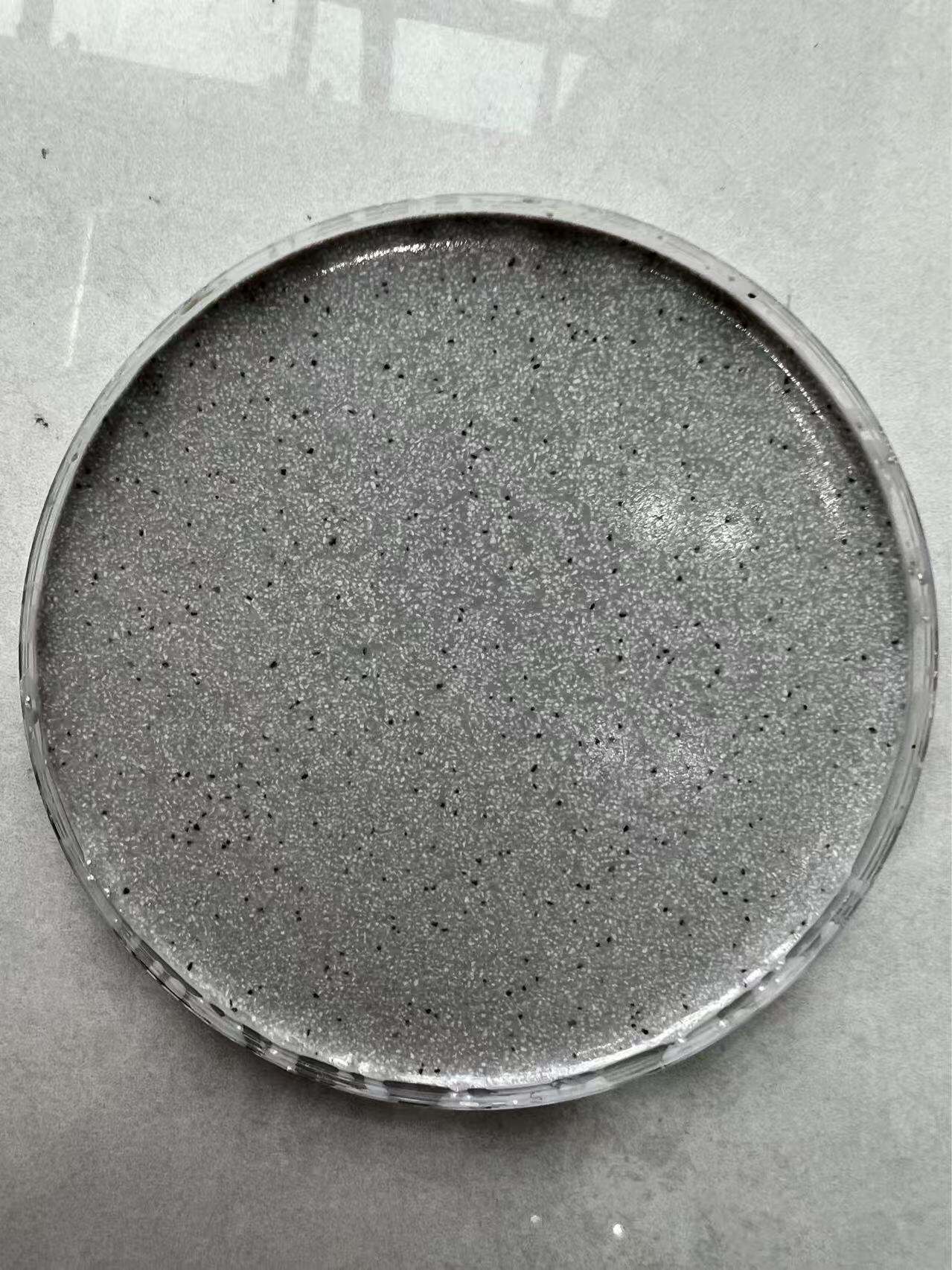
Het EPDM-doorlatende wegdek biedt ongeëvenaarde flexibiliteit bij de installatie en aanpassingsmogelijkheden die aan diverse projectvereisten en esthetische voorkeuren tegemoetkomen. Het systeem past zich aan bij vrijwel elke oppervlakteconfiguratie, waaronder gebogen paden, onregelmatige vormen en hellingen waarbij conventionele wegdekinstallatiemethodes vaak tekortschieten. Deze veelzijdigheid maakt het EPDM-doorlatende wegdek geschikt voor complexe architectonische ontwerpen en unieke locatieomstandigheden, waar traditionele materialen onpraktisch of kostentechnisch onhaalbaar blijken. Het installatieproces vereist ten opzichte van beton- of asfaltalternatieven minimale voorbereiding van het terrein, wat leidt tot verkorte projecttijden en lagere arbeidskosten, terwijl de verstoring van omringende gebieden wordt beperkt. In veel gevallen kunnen aannemers het EPDM-doorlatende wegdek aanbrengen op bestaande ondergronden, waardoor dure sloop- en afvoerkosten worden vermeden die vaak gepaard gaan met vervanging van traditioneel wegdek. Het systeem is geschikt voor diverse ondergrondvoorwaarden, van stabiele grondlagen tot geconstrueerde funderingen, wat flexibiliteit biedt in zowel ontwerp als uitvoeringsmethode. Opties voor kleuraanpassing stellen eigendomshouders in staat om de bestaande architectonische elementen te matchen of unieke visuele ontwerpen te creëren die de esthetiek van het pand en de oriëntatiefunctionaliteit verbeteren. Het EPDM-doorlatende wegdeksysteem ondersteunt creatieve ontwerpelementen zoals logo’s, patronen en decoratieve randen, waardoor functionele oppervlakten worden omgetoverd tot aantrekkelijke landschapselementen. Meerdere dikteopties maken het mogelijk dat het systeem verschillende belastingen verdraagt, van licht voetgangersverkeer tot zwaar commercieel verkeer, zodat een passende prestatie wordt gegarandeerd voor elke specifieke toepassing. De modulaire installatieaanpak maakt gefaseerde bouwprojecten mogelijk, waardoor eigendomshouders installaties stapsgewijs kunnen voltooien naarmate budgetten toelaten of locatieomstandigheden dit toestaan. Reparatie- en onderhoudsprocedures blijven eenvoudig: beschadigde secties kunnen gemakkelijk worden vervangen zonder dat de omliggende gebieden worden aangetast of uitgebreide herstelwerkzaamheden aan het oppervlak nodig zijn. Het EPDM-doorlatende wegdeksysteem integreert naadloos met andere landschapselementen, waaronder traditionele wegdekken, wat creatieve overgangen en functionele zone-indeling binnen grotere projecten mogelijk maakt. De flexibiliteit in het tijdstip van installatie stelt bouwactiviteiten het hele jaar door mogelijk in de meeste klimaten, waardoor seizoensgebonden vertragingen worden voorkomen die andere wegdeksystemen wel treffen, en zodat projecten hun geplande opleverdatum kunnen halen, terwijl ze tegelijkertijd superieure prestaties en uiterlijk leveren.

 EN
EN