traffic marking
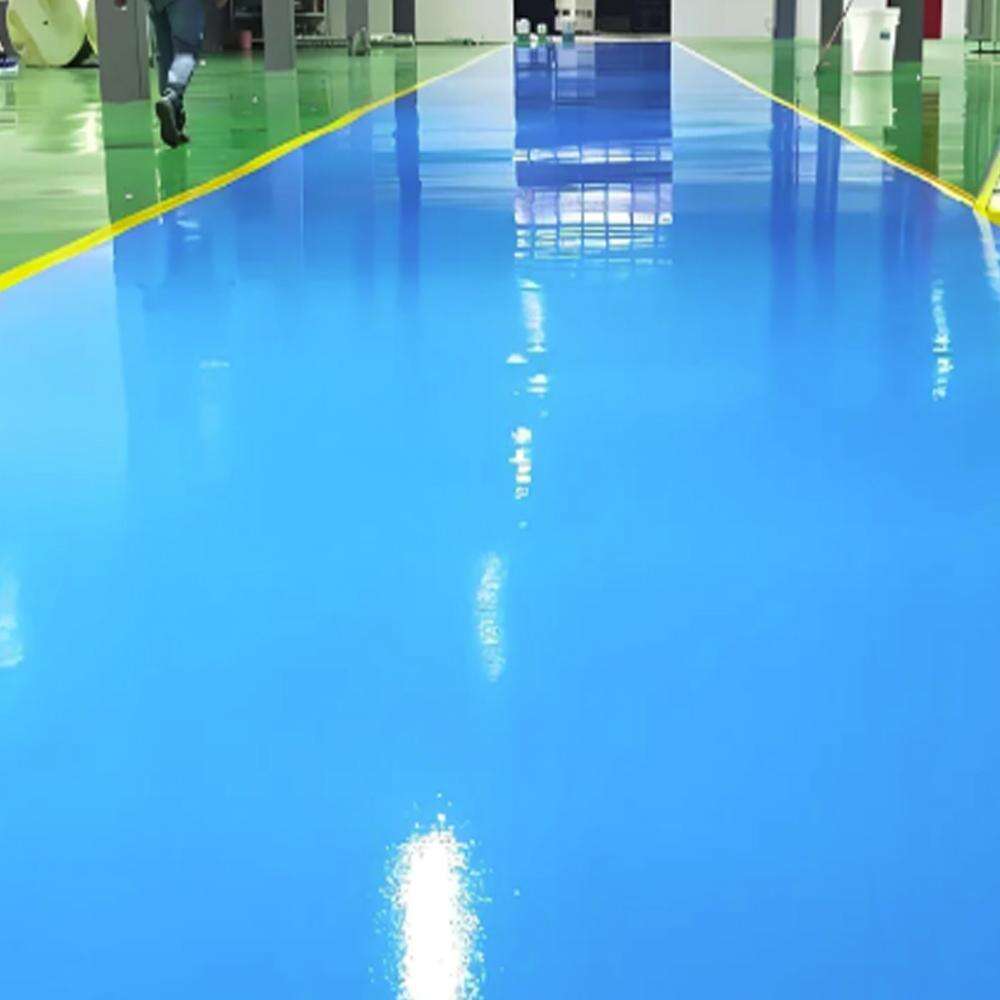
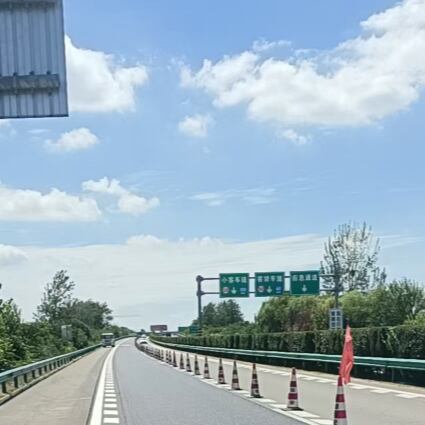
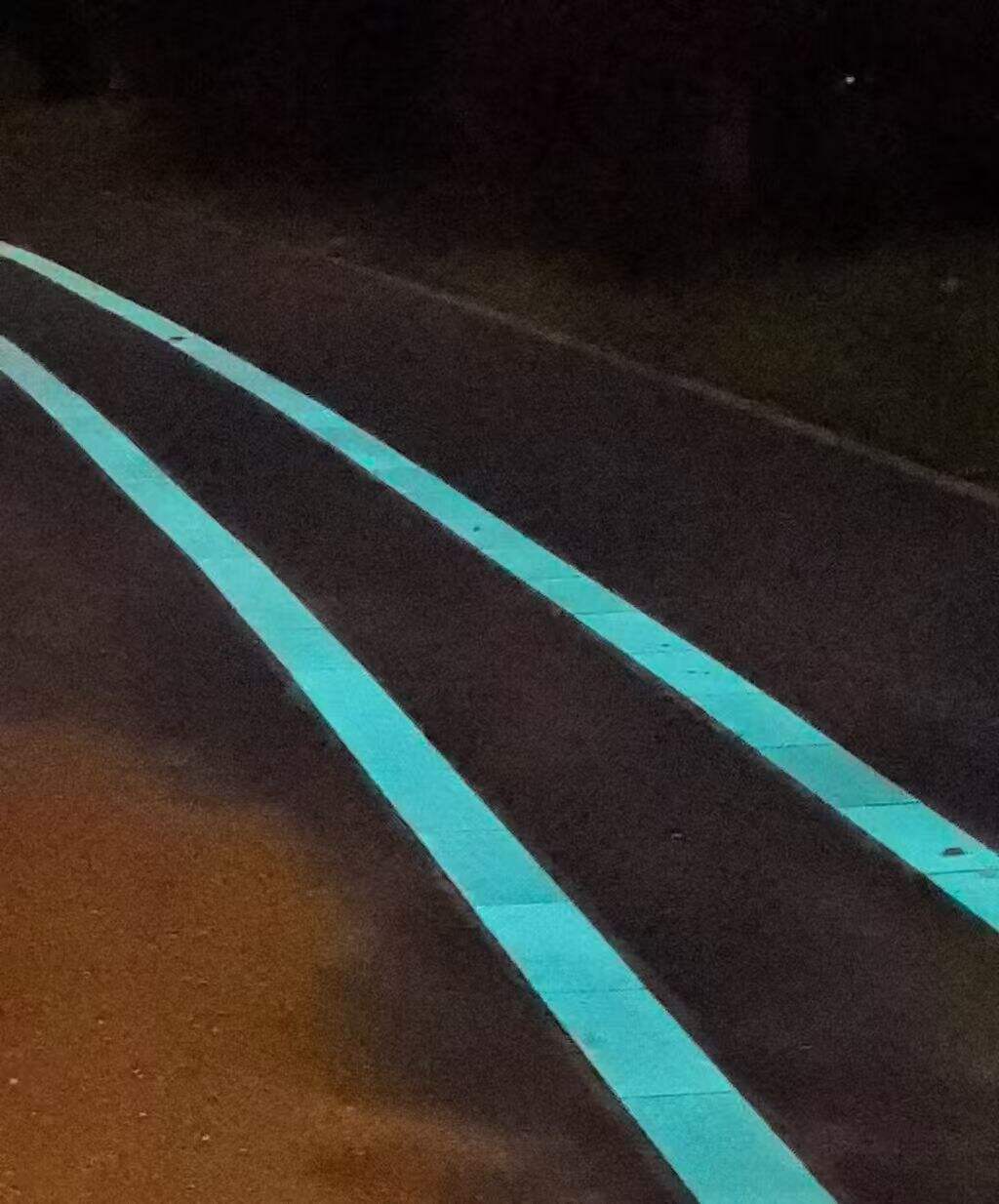
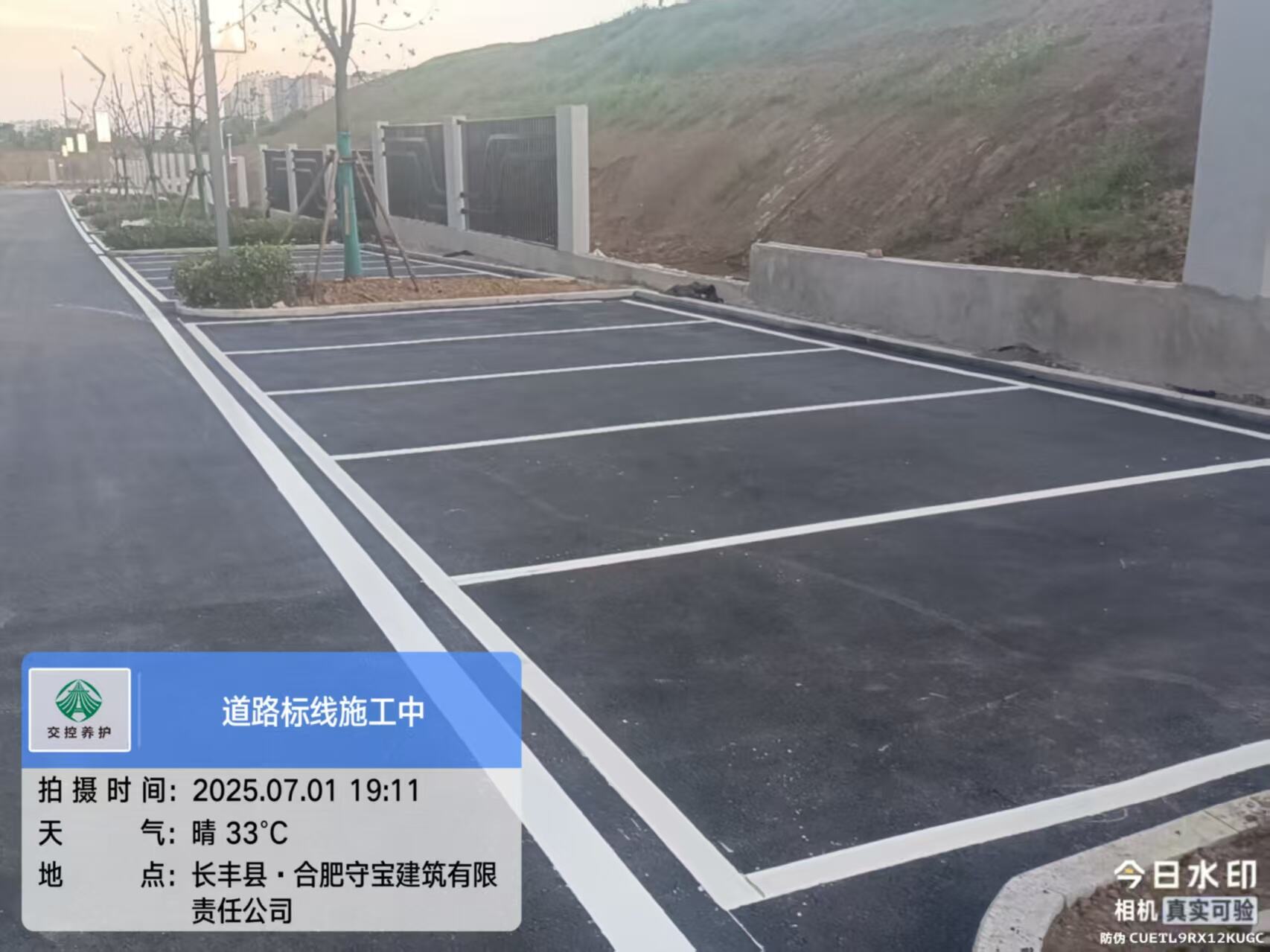
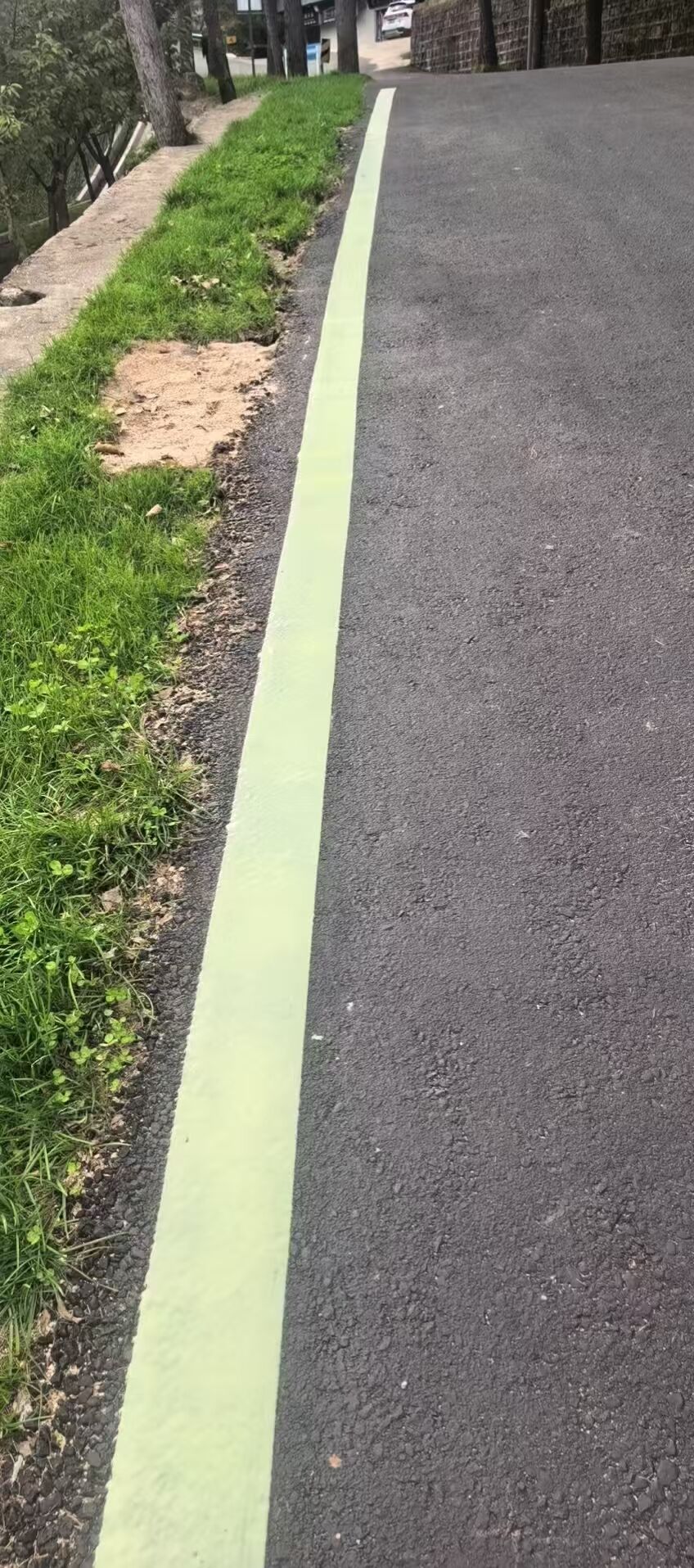
Traffic marking represents a critical component of modern road infrastructure, serving as the visual communication system between roads and their users. This comprehensive safety solution encompasses various types of painted lines, symbols, arrows, and textual information applied directly to road surfaces to guide, inform, and protect drivers, pedestrians, and cyclists. The primary functions of traffic marking include lane designation, directional guidance, hazard identification, speed regulation, and pedestrian crossing delineation. These markings work in conjunction with traffic signs and signals to create a cohesive transportation management system that ensures optimal traffic flow and minimizes accident risks. The technological features of contemporary traffic marking systems have evolved significantly, incorporating advanced materials such as thermoplastic compounds, cold plastic applications, and reflective glass beads that enhance visibility during nighttime and adverse weather conditions. Modern traffic marking materials demonstrate exceptional durability, withstanding heavy vehicle loads, extreme weather fluctuations, and constant exposure to ultraviolet radiation without significant deterioration. The application process utilizes specialized equipment including line striping machines, stenciling systems, and precision spray units that ensure consistent thickness, width, and alignment according to established traffic engineering standards. Applications of traffic marking extend across numerous environments including highways, urban streets, parking facilities, airports, industrial complexes, and recreational areas. Each application requires specific marking configurations tailored to traffic patterns, vehicle types, and safety requirements. The integration of smart technology into traffic marking systems has introduced innovations such as embedded LED strips, solar-powered reflective elements, and temperature-sensitive materials that adapt to changing environmental conditions, representing the future evolution of road safety infrastructure.

 EN
EN