سرک کی سطح بنانے کا قابل نفوذ کنکریٹ
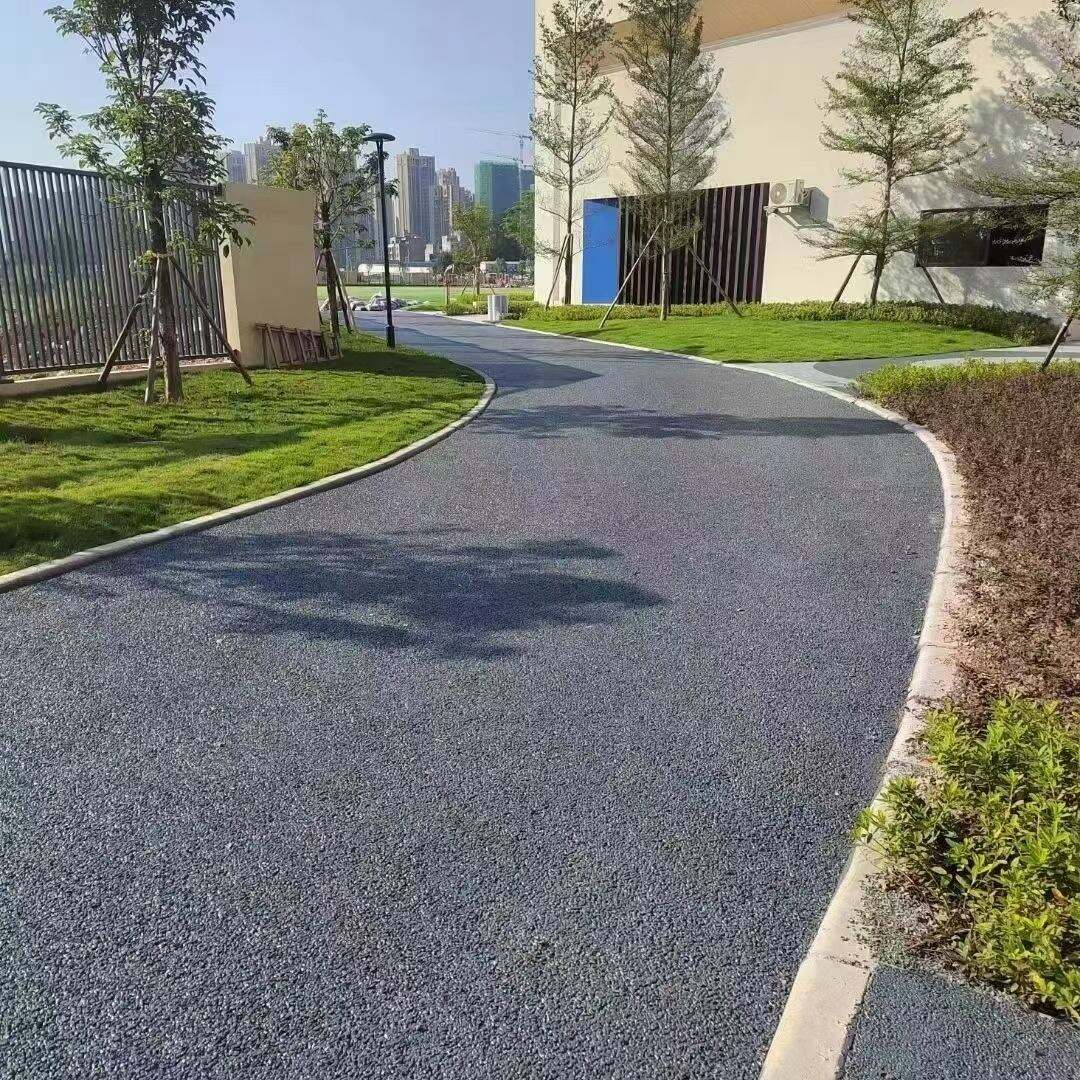
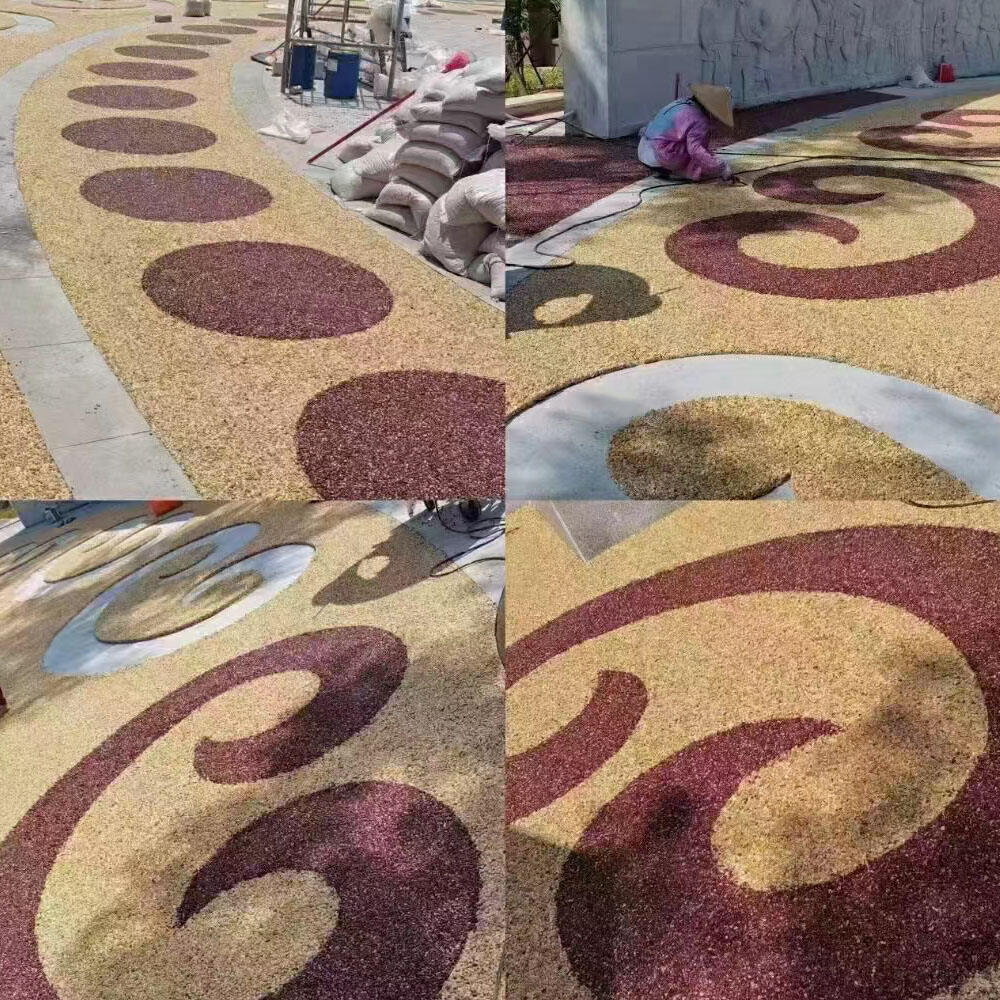
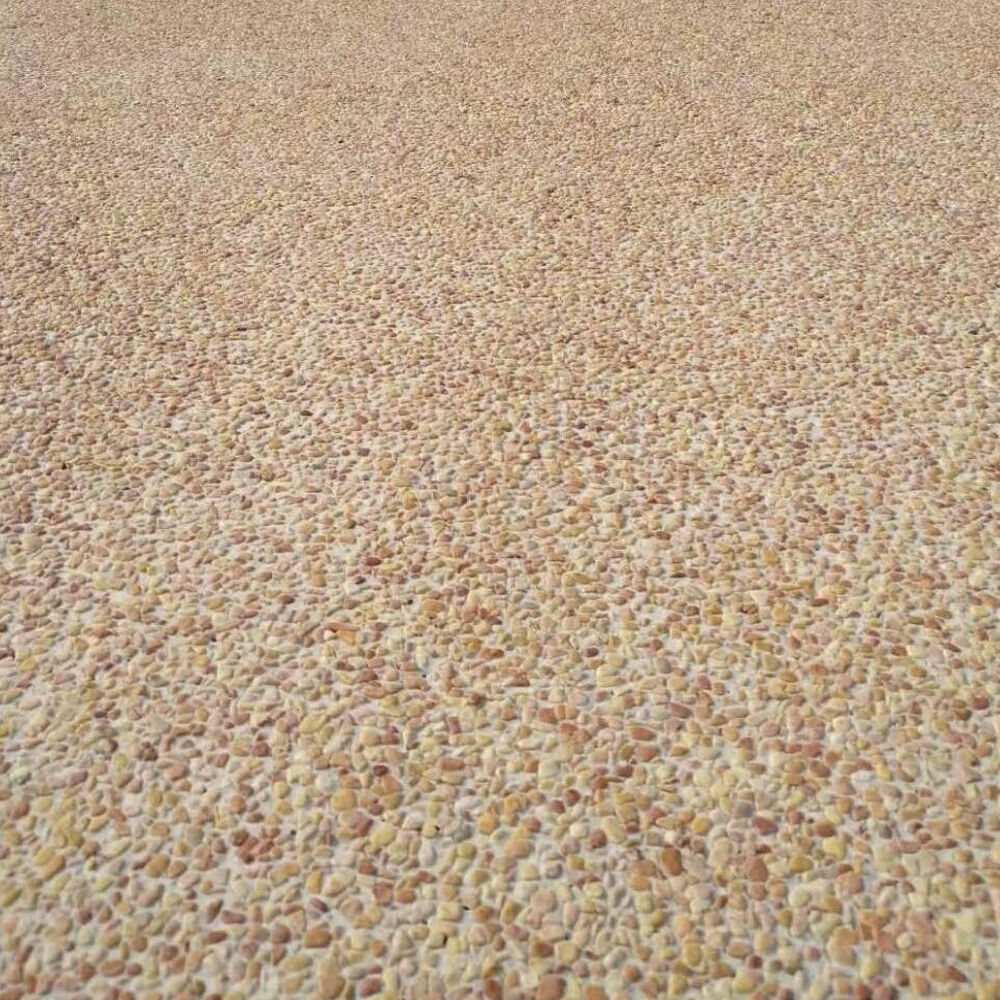
پیوینگ قابل نفوذ کنکریٹ پائیدار تعمیراتی ٹیکنالوجی میں ایک انقلابی پیش رفت کی نمائندگی کرتا ہے، جو جدید شہری چیلنجز کو حل کرنے کے لیے ڈیزائن کیا گیا ہے، جبکہ ساختی مضبوطی اور خوبصورت ظاہری شکل دونوں کو برقرار رکھتا ہے۔ یہ نئی مواد روایتی کنکریٹ کی مضبوطی کو غیر معمولی پانی کے انتظام کی صلاحیتوں کے ساتھ ملاتا ہے، جس کی وجہ سے یہ جدید بنیادی ڈھانچے کے منصوبوں کے لیے ایک ضروری حل بن جاتا ہے۔ پیوینگ قابل نفوذ کنکریٹ کا اصل مقصد اس کی ساخت کے ذریعے پانی کو گزرنے دینا ہے، بجائے اس کے کہ سطحی بہاؤ (رونز) پیدا کرنا، جس سے قدرتی مٹی کے جذب کے نمونوں کی نقل کی جا سکے۔ اس ٹیکنالوجی کی ایک منفرد ترکیب ہوتی ہے جس میں درجہ بند کردہ اگریگیٹس، ماہرین کے زیرِ نگرانی تیار کردہ سیمنٹ بانڈرز اور بہت کم مقدار میں باریک ذرات شامل ہوتے ہیں، جو مواد میں مسلسل منسلک خالی جگہوں کا نظام تشکیل دیتے ہیں۔ اس کی ٹیکنالوجی کی بنیاد درست مکس ڈیزائن پر مبنی ہے جو خلائی تناسب (پوروسٹی) اور ساختی کارکردگی کے درمیان متوازن رشتہ قائم کرتا ہے، جس میں عام طور پر خالی جگہوں کا تناسب پندرہ سے پچیس فیصد تک ہوتا ہے۔ یہ خالی جگہیں مسلسل راستے تشکیل دیتی ہیں جو منٹ میں فٹ مربع کے حساب سے پانچ گیلن تک کی شرح سے پانی کے داخل ہونے کو ممکن بناتی ہیں۔ پیوینگ قابل نفوذ کنکریٹ کے استعمال کے متعدد شعبوں میں رہائشی گاڑیوں کے راستے، تجارتی پارکنگ ل็اٹ، پیدل چلنے والوں کے راستے، تفریحی علاقے اور بلدیاتی بنیادی ڈھانچے کے منصوبے شامل ہیں۔ شہری منصوبہ ساز اس مواد کو وہاں کے لیے خاص طور پر مقرر کر رہے ہیں جہاں بارش کے پانی کے انتظام کی اشد ضرورت ہو، جیسے فُٹ پاتھ، چوک کے علاقے اور کم ٹریفک والی سڑکیں۔ یہ مواد ان علاقوں میں خاص طور پر قیمتی ثابت ہوتا ہے جہاں ماحولیاتی ضوابط سخت ہوں یا جہاں روایتی نکاسی کے نظام کی گنجائش محدود ہو۔ جدید تیاری کی تقنيکوں سے مستقل معیار اور کارکردگی کو یقینی بنایا جاتا ہے، جس میں ڈیوریبلٹی اور جمنے-پگھلنے کی مزاحمت بڑھانے کے لیے خاص ادویات (ایڈ مکسچرز) کا استعمال کیا جاتا ہے۔ اس کی تنصیب کے لیے ماہرین کے علم کی ضرورت ہوتی ہے تاکہ بہترین نتائج حاصل کیے جا سکیں، بشمول مناسب سب بیس تیاری اور سیورنگ کے اصول۔ پیوینگ قابل نفوذ کنکریٹ کی ورسٹائلیٹ اس کے زیبائشی استعمال تک بھی پھیلی ہوئی ہے، جہاں مختلف اگریگیٹ کی اقسام اور سطحی علاج کے ذریعے دلکش ختم کی گئی سطحیں تیار کی جاتی ہیں جبکہ اس کی عملی صلاحیتیں برقرار رہتی ہیں۔


 EN
EN