منفذ سڑک کا چپکنے والا مادہ
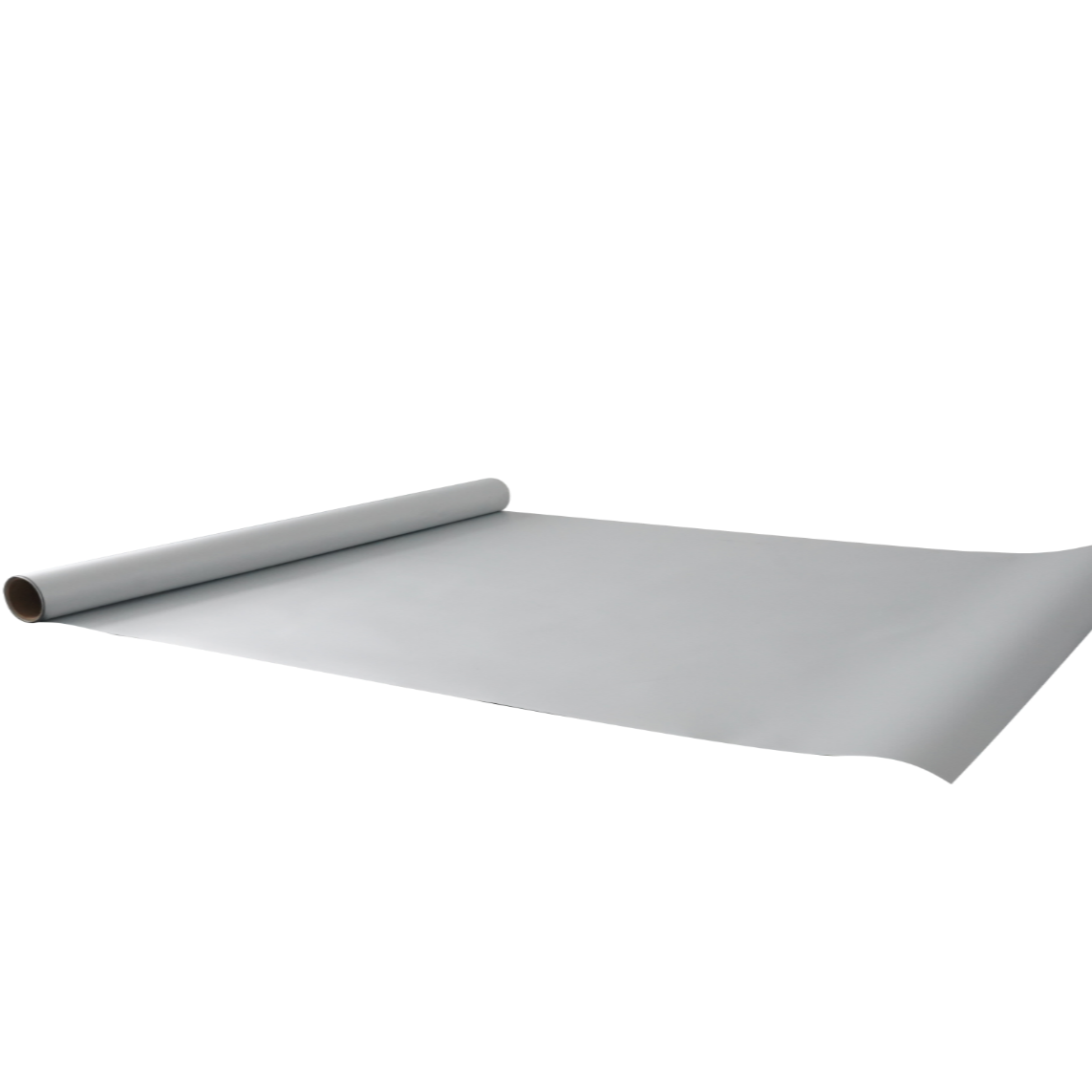
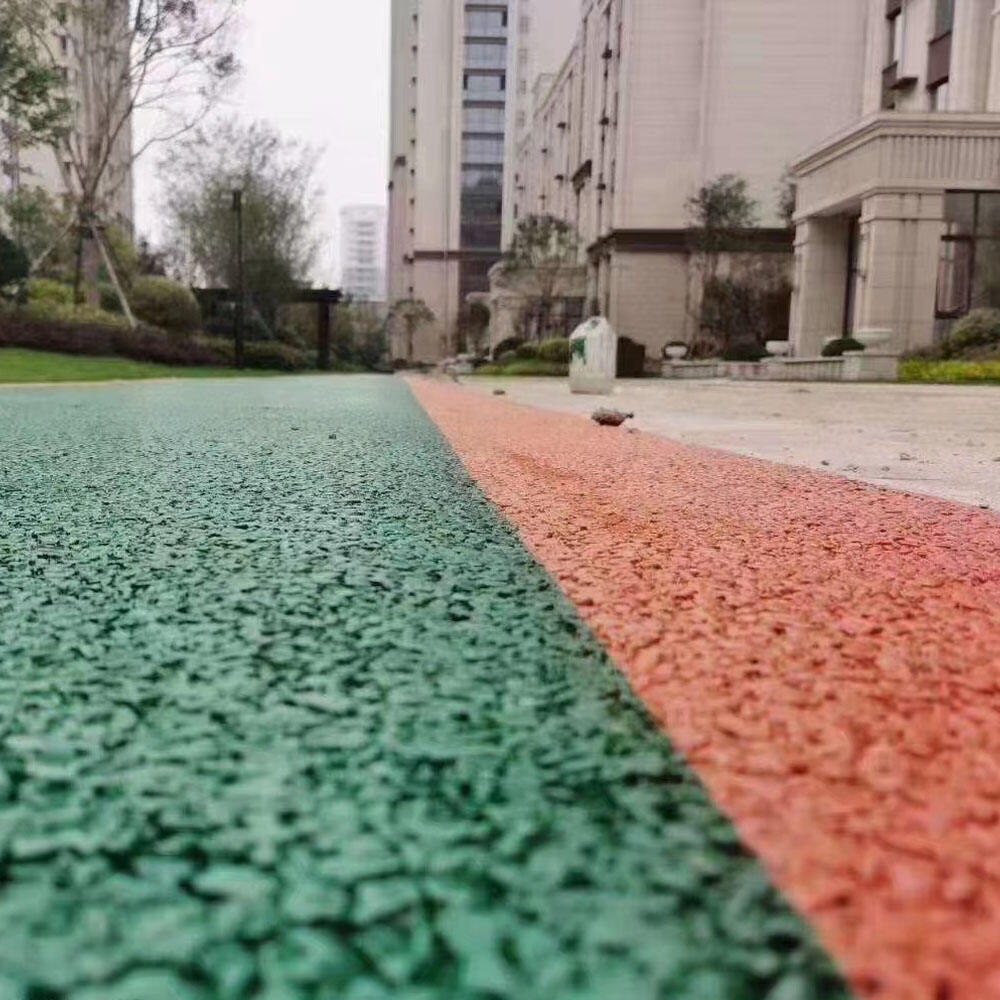
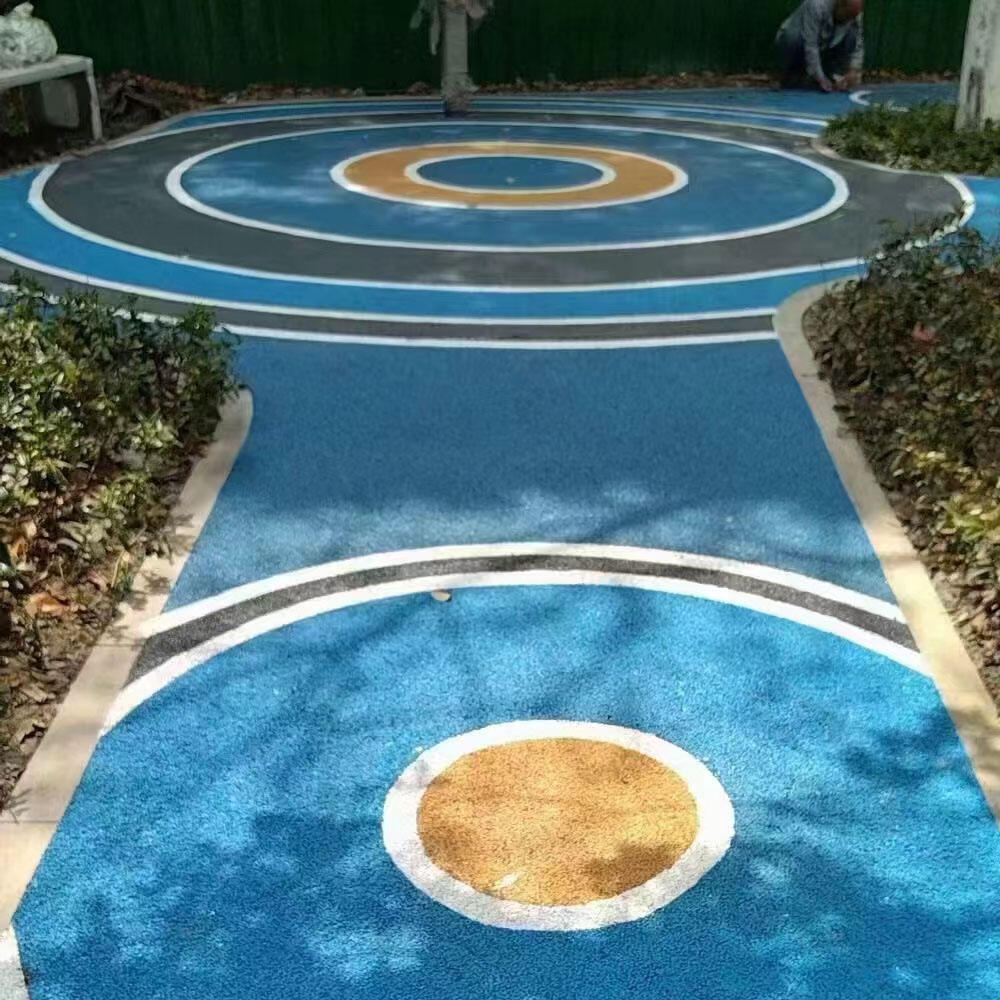
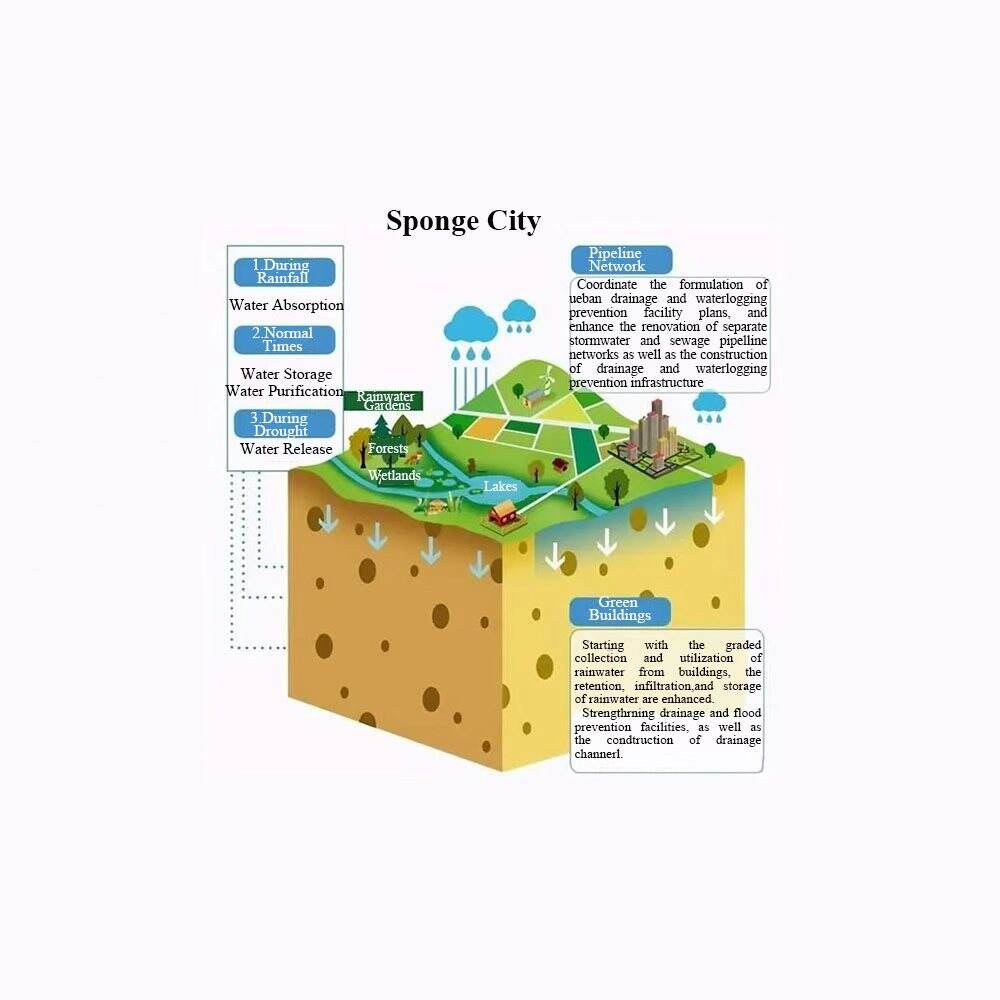
پارمیبل پیومنٹ چپکنے والا ایک انقلابی بانڈنگ حل کی نمائندگی کرتا ہے جو خاص طور پر پائیدار تعمیراتی منصوبوں کے لیے تیار کیا گیا ہے جو ماحولیاتی ذمہ داری اور طوفان کے پانی کے موثر انتظام کو ترجیح دیتے ہیں۔ یہ خصوصی چپکنے والا نظام ایک اہم بائنڈنگ ایجنٹ کے طور پر کام کرتا ہے جو پارگمی فرش مواد کو ایک ساتھ رکھتا ہے، پائیدار سطحیں بناتا ہے جو ساختی سالمیت کو برقرار رکھتے ہوئے پانی کو گزرنے دیتا ہے۔ پارمیبل فٹ پاتھ چپکنے والے کے بنیادی کام میں مجموعوں، پتھروں، یا خصوصی پارگمی مواد کے درمیان مضبوط مالیکیولر بانڈ بنانا شامل ہے، ایک ہم آہنگ سطح بنانا جو گاڑیوں کی ٹریفک، پیدل چلنے والوں کے استعمال اور ماحولیاتی دباؤ کو برداشت کر سکے اور پانی سے گزرنے والی خصوصیات کو محفوظ رکھ سکے۔ تکنیکی طور پر، یہ چپکنے والی اعلی درجے کی پولیمر کیمسٹری کو شامل کرتی ہے جو لچک کو طاقت کے ساتھ متوازن کرتی ہے، اس بات کو یقینی بناتی ہے کہ فرش اس کی پارگمیتا یا ساختی درستگی پر سمجھوتہ کیے بغیر درجہ حرارت کی تبدیلیوں کے ساتھ پھیل سکتا ہے اور سکڑ سکتا ہے۔ چپکنے والی خصوصیات میں تیزی سے علاج کرنے کی خصوصیات ہیں، موثر تنصیب کے نظام الاوقات کی اجازت دیتی ہیں جبکہ طویل مدتی استحکام پیدا کرتی ہے جو UV انحطاط، منجمد پگھلنے کے چکروں، اور مختلف ماحولیاتی حالات سے کیمیائی نمائش کے خلاف مزاحمت کرتی ہے۔ پارگمیبل فٹ پاتھ چپکنے والی درخواستیں متعدد تعمیراتی شعبوں پر محیط ہیں، بشمول پارکنگ لاٹ، ڈرائیو ویز، فٹ پاتھ، صحن، تفریحی راستے، اور تجارتی ترقی جہاں پائیدار نکاسی کے حل کی ضرورت ہے۔ میونسپل پروجیکٹس اکثر اس چپکنے والی کو شہری علاقوں میں پارگمی سطحیں بنانے کے لیے استعمال کرتے ہیں تاکہ سیلاب کے مسائل کا مقابلہ کیا جا سکے اور طوفانی پانی کے بہاؤ کو ڈرینج سسٹم میں کم کیا جا سکے۔ چپکنے والا مختلف مجموعی سائز اور اقسام کے ساتھ مؤثر طریقے سے کام کرتا ہے، باریک بجری سے لے کر بڑے آرائشی پتھروں تک، پانی کی زیادہ سے زیادہ دراندازی کی شرح کو برقرار رکھتے ہوئے ڈیزائن میں لچک فراہم کرتا ہے۔ تنصیب میں مخصوص تناسب کے مطابق چنے ہوئے مجموعوں کے ساتھ چپکنے والی کو مکس کرنا، پھر اس مرکب کو تیار شدہ سطحوں پر لگانا شامل ہے جہاں یہ ذرات کو آپس میں جوڑتا ہے جبکہ پانی کے پارگمیتا کے لیے ضروری باہم جڑی ہوئی خالی جگہوں کو محفوظ رکھتا ہے۔ یہ ٹیکنالوجی گرین بلڈنگ کے اقدامات کی حمایت کرتی ہے اور سٹم واٹر مینجمنٹ کے موثر طریقوں کے ذریعے پائیدار سائٹ ڈویلپمنٹ کریڈٹس میں حصہ ڈال کر پراپرٹیز کو LEED سرٹیفیکیشن حاصل کرنے میں مدد کرتی ہے۔
 EN
EN