
 EN
EN

Falls on wet or oily floors remain one of the leading causes of workplace injuries, liability claims, and operational disruptions across industrial facilities, commercial kitchens, manufacturing plants, and public infrastructure. When moisture, grease, or chemical residues accumulate on smooth surfaces, the coefficient of friction drops dramatically, transforming ordinary walkways into hazardous zones where even cautious movement can result in serious injury. An anti slip coating provides a scientifically engineered solution by fundamentally altering surface texture and friction properties, creating a mechanical bond between footwear and substrate that remains effective even under contaminated conditions.
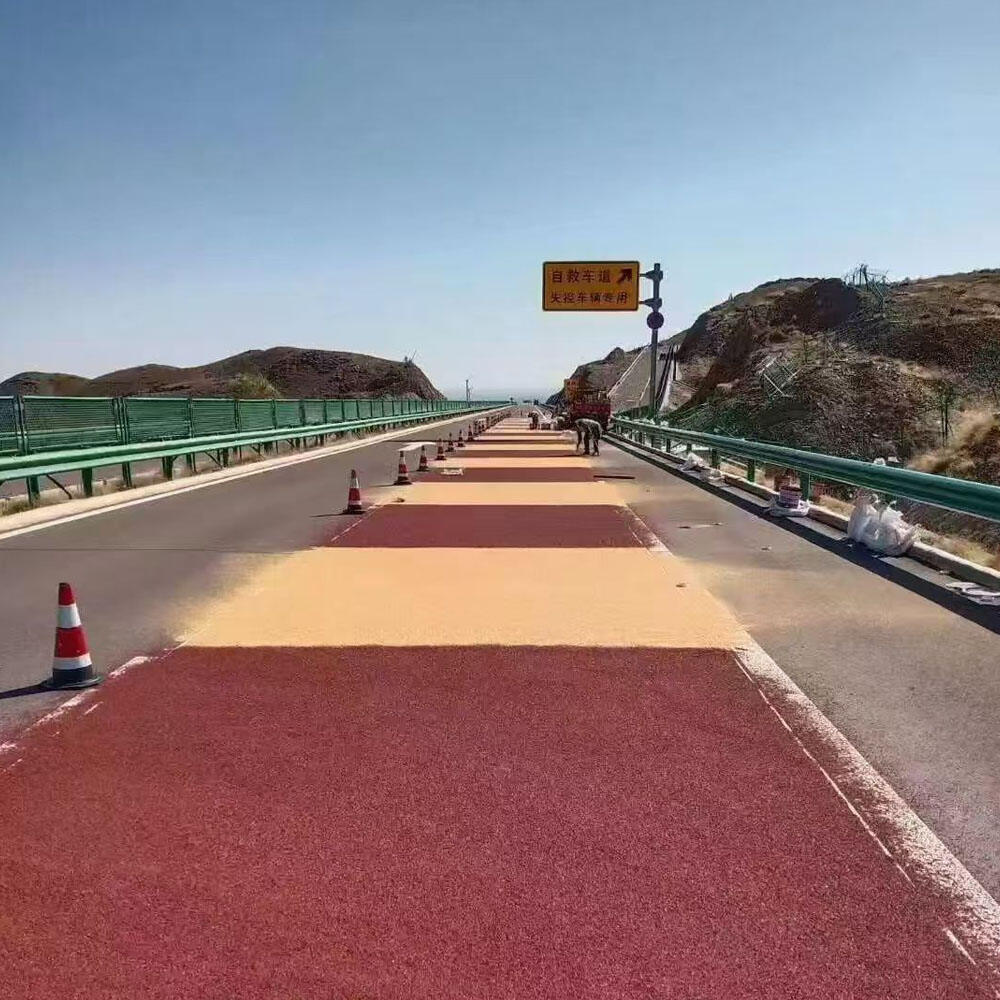
Understanding how an anti slip coating achieves this protective function requires examining both the physical mechanisms that cause slips and the material science principles that restore traction. Modern formulations combine aggregate particles, polymer binders, and surface modifiers to create textured profiles that channel fluids away from contact zones while simultaneously increasing the real contact area between footwear and floor. This dual-action approach addresses the root cause of slip hazards rather than simply applying temporary friction enhancers, delivering long-term protection that withstands heavy foot traffic, chemical exposure, and environmental stress without degrading performance over time.
The Mechanical Principles Behind Slip Prevention
How Surface Texture Disrupts Fluid Film Formation
When liquid contaminants cover a smooth floor surface, they form a continuous film that acts as a lubricant layer, separating footwear from the substrate and eliminating direct contact. An anti slip coating introduces controlled roughness at the microscopic level, creating peaks and valleys that penetrate through this fluid layer. The elevated contact points reach through water or oil to establish solid-to-solid friction, while the valleys function as drainage channels that disperse liquids laterally. This textured architecture prevents the formation of uninterrupted fluid films, which are the primary mechanism responsible for catastrophic friction loss on wet surfaces.
The effectiveness of this disruption depends on both texture depth and pattern geometry. Randomly distributed aggregate particles provide omnidirectional traction, ensuring consistent friction regardless of walking direction or foot angle. The spacing between texture elements must be optimized to prevent particle bridging, where contaminants span across gaps without draining, yet remain close enough to maintain continuous traction throughout the gait cycle. Professional-grade anti slip coating formulations engineer these parameters through carefully graded abrasive minerals that create statistically uniform surface profiles measured in specific micron ranges.
Dynamic Friction Enhancement Under Load
The slip resistance provided by an anti slip coating actually increases under weight-bearing conditions due to mechanical interlocking between surface asperities and footwear materials. As body weight compresses shoe soles against the textured floor, the deformable rubber or polymer compounds flow into the surface irregularities created by the coating. This creates a mechanical keying effect that supplements frictional resistance with geometric interference, requiring significantly greater shear force to initiate sliding motion. The effect becomes more pronounced as normal load increases, providing enhanced protection precisely when it matters most during rapid deceleration or directional changes.
This load-dependent friction amplification distinguishes properly formulated anti slip coating systems from simple rough surfaces. The texture profile must balance aggressive grip with acceptable underfoot comfort, avoiding excessive abrasiveness that causes premature footwear wear or uncomfortable walking sensation. Advanced formulations achieve this through multi-modal particle size distributions, combining fine aggregates for baseline friction with larger particles for penetration through contaminant layers. The result is a surface that feels secure without being harsh, maintaining effectiveness across both dry and wet conditions while remaining comfortable for all-day use in occupational settings.
Chemical Resistance and Contamination Management
Preventing Oil Absorption That Compromises Traction
Petroleum-based oils present unique slip hazards because they have low surface tension and excellent wetting properties, allowing them to spread rapidly across surfaces and penetrate porous materials. Standard concrete, epoxy, or tile floors can absorb these contaminants into surface pores, creating permanent slippery zones that worsen with repeated exposure. An anti slip coating formulated with appropriate resin chemistry creates a hydrophobic and oleophobic barrier that prevents liquid penetration while maintaining the open texture needed for mechanical traction. This dual functionality ensures that oily contamination remains on the surface where it can be cleaned rather than becoming embedded in the substrate.
The chemical composition of the coating binder system determines its resistance to various industrial fluids. Polyurethane-based formulations offer exceptional resistance to hydraulic oils, cutting fluids, and aliphatic hydrocarbons common in manufacturing environments. Epoxy variants provide superior resistance to alkaline cleaning agents and chemical splashes typical in food processing facilities. An effective anti slip coating must be selected based on the specific contaminant profile of the application environment, ensuring the polymer matrix remains chemically inert and dimensionally stable when exposed to expected fluids and cleaning protocols.
Drainage Architecture for Active Contamination Removal
Beyond chemical resistance, an anti slip coating creates a three-dimensional surface architecture that actively channels fluids away from foot contact zones through capillary action and gravity drainage. The microscopic valley network functions as a continuous drainage system, pulling liquids laterally across the surface toward lower elevation points or drainage infrastructure. This active fluid management prevents pooling in high-traffic areas and reduces the dwell time of contaminants on the walking surface. The faster liquids are dispersed, the lower the risk window for slip incidents, particularly in environments with continuous fluid exposure like commercial kitchens or vehicle maintenance bays.
The drainage efficiency of an anti slip coating depends on texture depth, surface slope, and the interconnectivity of the valley network. Deeper profiles accommodate higher fluid volumes before saturation compromises traction, making them appropriate for heavy contamination environments. However, excessive depth can create cleaning challenges by trapping debris particles that interfere with drainage function over time. Optimal formulations balance these competing requirements through engineered texture profiles typically ranging from 0.3 to 1.2 millimeters in depth, sufficient for effective drainage while remaining cleanable with standard industrial equipment and protocols.
Application Context and Performance Duration
Substrate Preparation Requirements for Maximum Adhesion
The long-term performance of any anti slip coating depends fundamentally on achieving robust adhesion to the underlying substrate, which requires thorough surface preparation before application. Existing contamination, weak surface layers, and incompatible previous coatings must be completely removed through mechanical abrasion, chemical etching, or abrasive blasting depending on substrate type and condition. Concrete surfaces require opening of surface porosity to allow coating penetration and mechanical keying, typically achieved through diamond grinding or shot blasting that creates a uniform surface profile. Metal substrates need removal of all rust, mill scale, and oxidation layers to expose clean base metal for chemical bonding.
The adhesion strength between an anti slip coating and its substrate directly determines how well the textured surface withstands the shear forces generated during walking, equipment traffic, and cleaning operations. Inadequate preparation leads to premature delamination, where the coating separates from the base surface in sheets or patches, creating trip hazards and necessitating costly remediation. Professional application protocols specify minimum surface preparation standards, often referencing concrete surface profile classifications or steel cleanliness grades that ensure consistent adhesion performance. Investment in proper preparation typically doubles the service life of the coating system compared to application over marginally prepared surfaces.
Environmental Stress Factors Affecting Longevity
An anti slip coating operates in demanding conditions where it must maintain both structural integrity and surface texture effectiveness despite continuous exposure to mechanical wear, thermal cycling, UV radiation, and chemical attack. Traffic wear gradually erodes texture peaks, reducing the effective depth available for fluid drainage and mechanical interlocking. The rate of this erosion depends on traffic volume, footwear type, and the hardness of abrasive particles incorporated in the coating. Industrial facilities with heavy cart traffic or metal-wheeled equipment require harder aggregate systems and more robust binder resins than light pedestrian environments.
Thermal expansion and contraction cycles stress the coating-substrate interface, particularly when materials have different thermal expansion coefficients. Outdoor applications of anti slip coating experience the most severe thermal stress, with surface temperatures potentially ranging from sub-freezing to above 60 degrees Celsius depending on climate and sun exposure. Flexible polymer chemistries accommodate this movement without cracking or debonding, maintaining continuous coverage and traction performance. UV-resistant formulations prevent photodegradation of the binder matrix, which would otherwise cause chalking, color fading, and eventual loss of aggregate particle retention that compromises texture effectiveness.
Quantifying Safety Improvement Through Friction Testing
Dynamic Coefficient of Friction Measurement Standards
The slip resistance of an anti slip coating can be objectively quantified through standardized friction testing that measures the dynamic coefficient of friction under controlled conditions. Testing devices like the pendulum tester or tribometer simulate the mechanics of heel strike during walking, measuring the resistance to sliding when a test foot contacts the surface at typical walking speeds. Results are expressed as dimensionless friction coefficients, with values above 0.50 generally considered adequate for level walking surfaces and higher values required for ramps or areas with contamination risk. These quantitative measurements allow direct comparison of coating effectiveness and verification that installed systems meet specified safety thresholds.
Different testing protocols simulate various contamination conditions to assess an anti slip coating performance under realistic hazard scenarios. Wet friction testing applies a controlled water film to represent rain, spills, or cleaning residue, while oil-wet testing evaluates performance under more challenging lubrication conditions. The difference between dry and wet friction coefficients indicates how effectively the texture penetrates through fluid films to maintain traction. High-quality coating systems maintain friction coefficients above 0.40 even when wet, demonstrating the contamination resistance that delivers practical safety benefits in real-world applications where perfect dry conditions rarely exist.
Correlation Between Friction Values and Incident Reduction
Statistical analysis of workplace safety data demonstrates clear correlations between friction coefficient improvements and measurable reductions in slip and fall incidents. Facilities that upgraded flooring from marginal friction levels below 0.35 to enhanced levels above 0.50 through anti slip coating application typically report 60-80% decreases in slip-related injuries within the first year post-installation. This dramatic improvement reflects the nonlinear relationship between surface friction and accident probability, where small increases in traction near critical threshold values produce disproportionately large safety gains by preventing the loss of balance during recoverable near-slip events.
The financial impact of this incident reduction extends beyond direct medical costs to include workers' compensation premiums, liability insurance rates, productivity losses, and regulatory compliance costs. Comprehensive cost-benefit analyses consistently show positive return on investment for anti slip coating projects in high-risk environments, with payback periods often under two years when all cost factors are included. These economic benefits complement the ethical imperative to provide safe working conditions, making friction enhancement through specialized coatings both morally and financially justified across industrial, commercial, and institutional applications where slip hazards exist.
Maintenance Protocols for Sustained Performance
Cleaning Methods That Preserve Texture Integrity
The ongoing effectiveness of an anti slip coating requires cleaning protocols that remove contaminants without damaging the texture profile or wearing away aggregate particles. High-pressure water washing effectively flushes debris from surface valleys but must be applied at controlled pressures below 3000 psi to avoid eroding the binder matrix or dislodging texture particles. Rotary scrubbing machines with appropriate brush stiffness provide mechanical agitation that lifts embedded contamination while the bristles flex around texture peaks rather than abrading them. Chemical degreasers formulated for compatibility with the coating's polymer chemistry dissolve oily residues without attacking the binder, restoring surface cleanliness and friction performance.
Cleaning frequency must match the contamination rate of the specific environment to prevent buildup that fills texture valleys and compromises drainage function. Food processing facilities may require daily cleaning to manage grease accumulation, while warehouse environments might maintain adequate performance with weekly maintenance. Regular inspection of friction performance through simple slip resistance testing helps establish appropriate cleaning intervals before contamination reaches levels that significantly reduce traction. This proactive maintenance approach preserves the safety investment represented by the anti slip coating while extending service life by preventing conditions that accelerate wear or require aggressive remediation.
Recoating Criteria and Restoration Options
Even properly maintained anti slip coating systems eventually require renewal as texture depth decreases below effective thresholds through normal wear progression. Regular friction testing establishes baseline performance metrics that guide recoating decisions, with intervention typically recommended when wet friction coefficients decline below 0.40 or show 20% reduction from initial values. Early recoating extends total system life by preserving the base layers that provide substrate adhesion, allowing new texture layers to bond to still-sound existing coating rather than requiring complete removal and replacement that increases cost and downtime.
Localized wear patterns in high-traffic zones like doorway transitions or workstation approaches can be addressed through spot repair application of anti slip coating rather than full-area renewal. This targeted maintenance approach matches coating expenditure to actual need, reducing costs while maintaining consistent traction across the entire floor area. Repair material must be chemically compatible with the original system to ensure proper adhesion and uniform appearance. Proper feathering of repair boundaries prevents edge ridges that could create trip hazards, maintaining the smooth yet textured profile essential for both safety and cleaning efficiency throughout the coating's service life.
FAQ
What makes an anti slip coating more effective than simply roughening a floor surface with abrasives?
While mechanical abrasion creates surface roughness, an anti slip coating provides engineered texture with controlled particle size distribution, depth profile, and drainage architecture specifically designed for slip resistance. The polymer binder seals the substrate against contamination absorption while maintaining open texture, and the system can be formulated for chemical resistance to specific industrial fluids. Random abrasion lacks this optimization and often creates inconsistent results with poor durability since no protective matrix encapsulates the texture elements.
How long does an anti slip coating typically remain effective in high-traffic industrial environments?
Service life depends on traffic volume, contamination exposure, and maintenance quality, but properly specified systems typically maintain adequate friction for three to seven years in demanding industrial applications. Light commercial environments may see ten years or more of effective performance. Regular cleaning to prevent abrasive particle accumulation and prompt repair of damaged areas significantly extends coating life. Monitoring friction performance through periodic testing provides objective data for recoating timing rather than relying on arbitrary time intervals.
Can an anti slip coating be applied over existing floor coatings or does it require bare substrate?
Application over existing coatings is possible if the previous system is well-adhered, chemically compatible, and properly prepared through abrasion to create mechanical bonding surface. However, the strongest and longest-lasting installations result from application directly to prepared bare substrate where chemical adhesion mechanisms supplement mechanical bonding. Existing coatings that show any delamination, poor chemical resistance, or incompatible chemistry must be completely removed to prevent premature failure of the new anti slip coating system.
Does the rough texture of an anti slip coating make floors harder to clean or maintain?
Properly designed texture profiles with appropriate depth and valley spacing remain cleanable with standard equipment while providing superior traction. The open architecture actually facilitates cleaning by preventing contaminant films from forming continuous layers and by allowing cleaning solutions to penetrate effectively. Excessive texture depth or poorly formulated systems can create cleaning challenges, which is why professional specification based on actual contamination conditions and cleaning capabilities is essential for balancing traction performance with maintenance practicality in each specific application context.
Table of Contents
- The Mechanical Principles Behind Slip Prevention
- Chemical Resistance and Contamination Management
- Application Context and Performance Duration
- Quantifying Safety Improvement Through Friction Testing
- Maintenance Protocols for Sustained Performance
-
FAQ
- What makes an anti slip coating more effective than simply roughening a floor surface with abrasives?
- How long does an anti slip coating typically remain effective in high-traffic industrial environments?
- Can an anti slip coating be applied over existing floor coatings or does it require bare substrate?
- Does the rough texture of an anti slip coating make floors harder to clean or maintain?