
 EN
EN
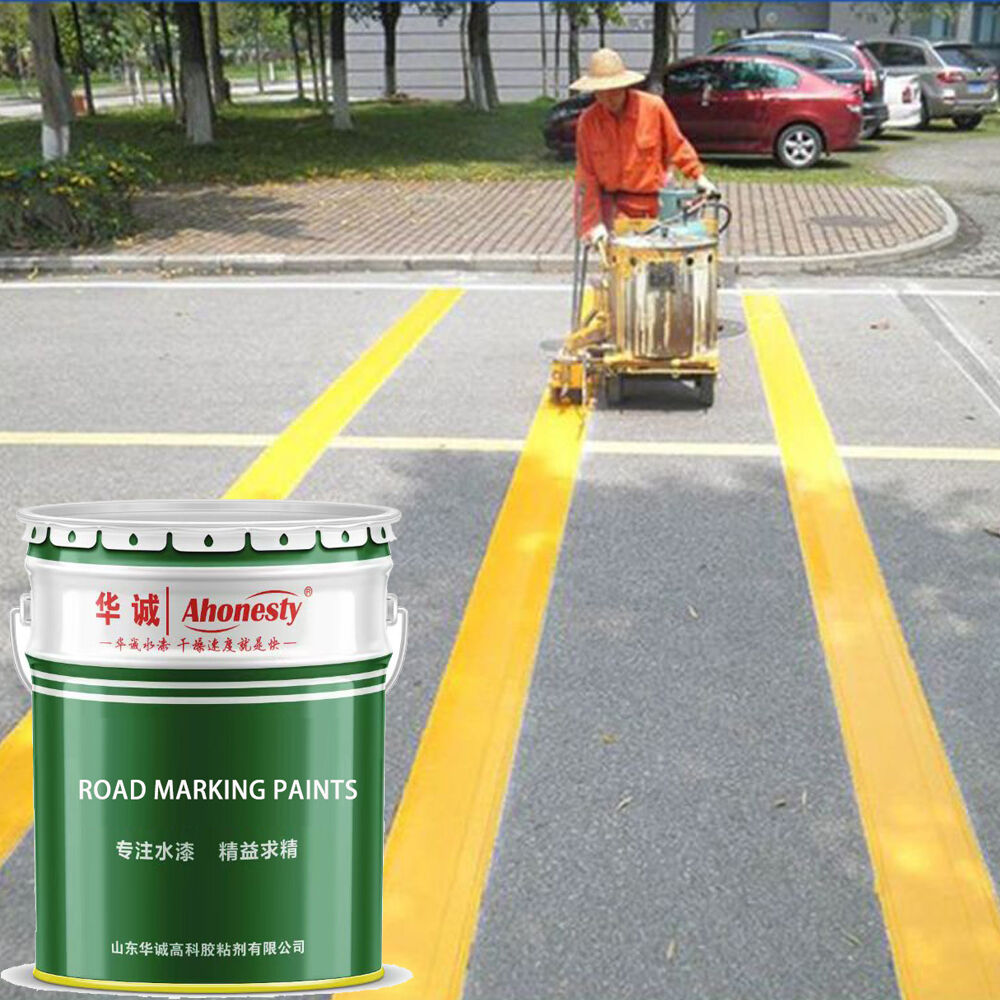
Selecting the right material for permanent road markings is a critical decision that impacts safety, longevity, visibility, and lifecycle costs for transportation agencies, contractors, and facility managers. The three primary options—thermoplastic, paint, and preformed tape—each offer distinct advantages and limitations depending on traffic volume, climate conditions, budget constraints, and maintenance strategies. Understanding how to evaluate these materials against your specific project requirements ensures optimal performance and cost-effectiveness over the marking's intended service life.
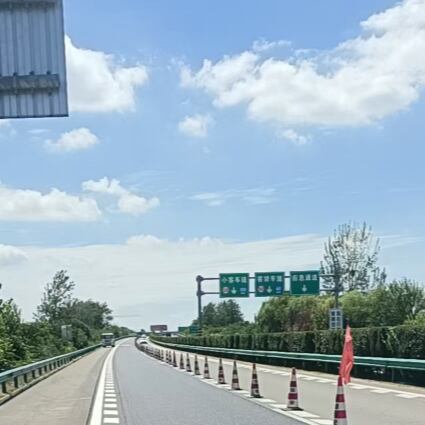
This comprehensive guide examines the practical decision framework for choosing between thermoplastic, paint, and tape for permanent road markings by analyzing performance characteristics, application conditions, cost structures, and operational considerations. Rather than presenting a universal recommendation, we explore how different scenarios demand different solutions, equipping you with the analytical tools to make informed material selections that align with your infrastructure priorities, environmental context, and long-term asset management strategies.
Understanding the Core Performance Differences Among Road Marking Materials
Durability and Service Life Expectations
The expected service life of permanent road markings varies dramatically across material types, directly influencing lifecycle costs and maintenance scheduling. Thermoplastic markings typically deliver three to six years of serviceable performance under moderate traffic conditions, with some formulations lasting up to eight years in optimal environments. This extended durability stems from thermoplastic's thickness—typically applied at 90-120 mils compared to paint's 15-20 mils—and its superior resistance to abrasion from vehicle tires, which constitutes the primary wear mechanism for pavement markings.
Paint-based permanent road markings generally provide one to two years of functional visibility under similar traffic conditions, though high-performance formulations with specialized binders and glass beads can extend this to three years. The shorter service life reflects paint's thinner application profile and greater susceptibility to ultraviolet degradation, moisture penetration, and mechanical wear. However, for low-traffic applications or temporary installations transitioning to permanent status, paint offers acceptable longevity at significantly lower initial investment.
Preformed tape systems designed for permanent road markings typically claim service lives of five to seven years, with premium products marketed for up to ten years in specific applications. These materials achieve durability through multilayer construction combining retroreflective elements, polymer binders, and aggressive adhesives. The actual field performance depends critically on proper surface preparation, installation technique, and pavement condition, with edge lifting and adhesive failure representing common premature failure modes that rarely affect thermoplastic or paint markings.
Visibility Performance Under Various Conditions
Nighttime and wet-weather visibility constitute essential safety performance metrics for permanent road markings, with material selection significantly impacting retroreflectivity levels and duration. Thermoplastic markings excel in initial retroreflectivity due to their ability to incorporate large volumes of glass beads both during application and through drop-on techniques, achieving initial readings of 400-600 mcd/m²/lux. This high initial performance degrades gradually as traffic polishes the surface and embeds beads, but properly formulated thermoplastics maintain minimum retroreflectivity standards for considerably longer than paint alternatives.
Paint markings for permanent road applications depend entirely on surface-applied glass beads for retroreflectivity, as the thin film cannot support embedded bead systems. Initial retroreflectivity typically reaches 300-400 mcd/m²/lux with proper bead application rates, but this performance declines more rapidly than thermoplastic as the thin paint layer wears and exposes pavement texture. The rate of retroreflectivity loss accelerates in high-traffic corridors where abrasion quickly removes the bead-containing surface layer, often necessitating reapplication before the marking becomes completely invisible.
Tape systems for permanent road markings incorporate factory-applied retroreflective elements within the material structure, providing consistent initial performance and predictable degradation curves. Premium tapes utilize encapsulated lens or prismatic technologies that can achieve initial retroreflectivities exceeding 500 mcd/m²/lux while maintaining superior wet-night visibility through raised profile designs that shed water. However, once adhesive failure or edge lifting begins, tape performance deteriorates rapidly and completely, unlike thermoplastic or paint which degrade more gradually across the marked area.
Application Flexibility and Installation Requirements
The practical constraints of application equipment, surface temperature requirements, and installation timing significantly influence material selection for permanent road markings across different project contexts. Thermoplastic requires specialized heated application equipment ranging from hand-pushed melters for small projects to truck-mounted systems for highway-scale operations, with material heated to 200-220°C during application. Surface temperatures must typically exceed 10°C for proper adhesion, and markings require 5-15 minutes of cooling before traffic exposure, factors that constrain installation windows and traffic control duration.
Paint application for permanent road markings utilizes comparatively simpler equipment from hand-operated stripers to truck-mounted systems, with no heating requirements and faster traffic reopening—typically 10-30 minutes depending on formulation and conditions. This operational simplicity enables smaller contractors to compete for projects and facilitates rapid deployment for emergency repairs or seasonal restriping programs. However, paint performance depends more critically on surface preparation quality and ambient conditions during application, with temperature, humidity, and surface moisture affecting cure rates and ultimate adhesion strength.
Tape installation for permanent road markings demands meticulous surface preparation including cleaning, priming in many cases, and precise alignment, but requires no specialized heating or mixing equipment beyond mechanical applicators for large-scale projects. Installation can proceed across wider temperature ranges than thermoplastic, and traffic release occurs almost immediately after application. The primary installation challenge involves achieving complete adhesive contact without air entrapment across the entire marking width, particularly on rough or textured pavements where voids beneath the tape compromise both adhesion and longevity.
Analyzing Cost Structures Across the Material Lifecycle
Initial Material and Installation Cost Comparison
The upfront cost per linear foot or square foot for permanent road markings varies substantially across material types, with thermoplastic typically commanding 3-5 times the initial investment of paint but less than half the cost of premium tape systems. A typical thermoplastic installation might cost between eight and fifteen dollars per linear foot for standard four-inch lines, reflecting material costs of four to six dollars per pound, equipment depreciation, fuel for heating units, and labor for specialized application crews. These figures fluctuate based on project scale, geographic location, and specification requirements for thickness or glass bead loading.
Paint-based permanent road markings represent the lowest initial investment, typically ranging from two to four dollars per linear foot for standard configurations using high-performance waterborne or solvent-based formulations with appropriate glass bead application. This cost advantage makes paint attractive for budget-constrained agencies, low-traffic applications where shorter service life proves acceptable, or situations requiring frequent marking pattern changes. The economic calculus shifts when factoring annual reapplication costs, but the lower barrier to entry and distributed expenditure pattern appeals to organizations with limited capital budgets or uncertain future requirements.
Preformed tape systems for permanent road markings occupy the premium end of the cost spectrum, with installed prices ranging from twelve to twenty-five dollars per linear foot depending on tape grade, width, and retroreflective technology. This substantial initial investment reflects sophisticated manufacturing processes, quality control systems, and material science engineering that delivers consistent performance and extended warranties. For specific applications where installation speed, pattern complexity, or specialized performance characteristics justify the premium, tape provides compelling value despite the higher upfront expenditure.
Lifecycle Cost Analysis and Maintenance Frequency
Comprehensive economic evaluation of permanent road markings requires lifecycle cost analysis that incorporates initial installation, periodic renewal, traffic control expenses, and indirect costs of reduced visibility periods. Thermoplastic markings, despite higher initial costs, frequently demonstrate superior lifecycle economics in moderate to high-traffic applications by delivering three to four times the service life of paint at less than four times the initial cost. A ten-year analysis might show thermoplastic requiring two installations compared to five to eight paint applications, with the cumulative traffic control costs and mobilization expenses favoring the longer-lasting material.
Paint markings for permanent road applications optimize lifecycle costs primarily in low-traffic environments where annual or biennial reapplication maintains adequate performance without excessive wear-related frequency increases. The economic advantage erodes rapidly as traffic volumes increase and restriping intervals compress to annual or more frequent cycles. Additionally, the indirect costs of reduced visibility during the final months before restriping—when retroreflectivity falls below minimum standards but budget constraints delay renewal—impose safety costs and potential liability exposure that rarely appear in formal cost comparisons but influence real-world performance.
Tape systems justify their premium pricing through extended service life and predictable performance degradation, making lifecycle costs competitive with thermoplastic in appropriate applications. The economic case strengthens in scenarios where installation speed reduces traffic control costs, pattern complexity benefits from prefabricated precision, or specialized performance requirements command premium pricing regardless of material choice. However, the risk of premature failure through adhesive problems or edge lifting introduces uncertainty into lifecycle projections, potentially undermining the economic case if actual field performance falls short of manufacturer projections.
Hidden Costs and Economic Risk Factors
Beyond direct material and installation expenses, permanent road markings involve several cost categories that influence the true economic comparison across material options. Traffic control represents a substantial and often underestimated expense, particularly for highway applications requiring lane closures, pilot cars, or complex work zone configurations. Thermoplastic's longer curing time extends closure duration compared to paint, potentially adding thousands of dollars in traffic control costs for major projects. Conversely, thermoplastic's extended service life reduces the frequency of these disruptions, distributing traffic control costs across longer intervals.
Equipment ownership or rental costs affect project economics differently across material types, with thermoplastic requiring significant capital investment in melting kettles, agitators, and application machinery that smaller contractors may need to rent at substantial daily rates. Paint application equipment represents a more modest investment accessible to broader contractor pools, promoting competitive bidding that can offset material cost disadvantages. Tape installation requires minimal specialized equipment for small projects but benefits from mechanical applicators for large-scale work, creating a bimodal cost structure that favors either very small or very large project scales.
Warranty provisions and performance guarantees introduce risk allocation mechanisms that affect the effective cost of permanent road markings across material categories. Premium tape manufacturers often provide multi-year performance warranties that transfer longevity risk from owner to supplier, potentially justifying higher initial costs through reduced performance uncertainty. Thermoplastic and paint applications rarely include formal warranties beyond basic defect coverage, leaving performance risk with the asset owner. This risk asymmetry complicates direct cost comparisons and may favor materials with formal performance guarantees in risk-averse organizational contexts.
Evaluating Application Scenarios and Environmental Suitability
Traffic Volume and Wear Pattern Considerations
Traffic volume represents the single most influential factor in material selection for permanent road markings, as abrasion from vehicle tires constitutes the primary wear mechanism determining service life. High-traffic corridors exceeding 5,000 average daily traffic counts typically demand thermoplastic markings to achieve acceptable service intervals between reapplications. The superior thickness and abrasion resistance of thermoplastic materials enable them to maintain minimum retroreflectivity standards for three to six years even under heavy commercial vehicle traffic that would wear through paint markings within twelve to eighteen months.
Moderate traffic applications in the 1,000 to 5,000 ADT range present the most complex material selection decisions for permanent road markings, as multiple materials can deliver acceptable performance with varying economic profiles. Paint remains viable in the lower portions of this range, particularly for roadways with minimal commercial vehicle percentages and favorable environmental conditions. Thermoplastic optimizes lifecycle economics in the upper portions of this range, while premium tape systems may prove cost-effective in specific scenarios involving complex patterns, rapid installation requirements, or specialized performance needs.
Low-traffic applications including residential streets, parking facilities, and private roadways often find paint-based permanent road markings economically optimal despite shorter service life, as the reduced wear rates extend performance to acceptable durations at minimal initial investment. The decision calculus shifts when factoring labor mobilization costs for restriping operations, which remain relatively constant regardless of project size. Small isolated projects may favor longer-lasting materials to reduce the frequency of mobilization expenses, while large-scale programs covering extensive low-traffic networks may optimize costs through consolidated annual paint restriping campaigns.
Climate and Environmental Performance Variables
Regional climate patterns significantly influence material performance for permanent road markings through mechanisms including ultraviolet exposure intensity, freeze-thaw cycling frequency, temperature extremes, and precipitation patterns. Thermoplastic markings demonstrate superior performance in cold climates where freeze-thaw cycling and snowplow blade contact represent primary durability challenges. The material's thickness and flexibility enable it to withstand snowplow abrasion better than paint while maintaining adhesion through temperature cycling. However, extreme heat conditions above 50°C can soften thermoplastic sufficiently to enable tire pickup, particularly in the first summer after installation.
Paint formulations for permanent road markings show greater climate sensitivity, with ultraviolet degradation accelerating in high-sun environments and moisture-related adhesion failures increasing in humid or high-precipitation regions. Waterborne paint formulations offer environmental advantages but demonstrate reduced performance in freeze-thaw environments compared to solvent-based alternatives. The climate-performance interaction complicates material selection and necessitates regional formulation optimization, with successful paint programs in Arizona requiring different chemistry than equivalent applications in Maine or Washington.
Tape systems for permanent road markings encounter climate-related challenges primarily through temperature effects on adhesive performance, with cold conditions reducing initial tack and hot conditions potentially causing adhesive flow or tracking. Premium tapes engineered specifically for pavement marking applications address these challenges through advanced adhesive chemistry, but installation timing remains critical to long-term performance. The raised profile of many tape products creates additional snow removal challenges in northern climates, where plow blade catching can prematurely remove entire sections despite otherwise adequate adhesive performance.
Pavement Type and Surface Condition Requirements
The substrate characteristics of pavement surfaces dramatically influence material selection and expected performance for permanent road markings, with surface texture, porosity, age, and structural integrity all affecting adhesion mechanisms and wear patterns. Newly paved asphalt presents optimal conditions for thermoplastic and paint applications, offering clean surfaces with excellent adhesion potential and minimal pre-existing distress. However, new asphalt contains residual oils that can interfere with adhesion if markings are applied before adequate curing occurs—typically requiring 30-60 days of weathering before permanent road markings installation to ensure proper bonding.
Aged or deteriorated pavement surfaces challenge all marking materials through reduced adhesion potential, surface irregularities that compromise material contact, and substrate movement that introduces stress at the marking-pavement interface. Thermoplastic's superior thickness helps bridge minor surface irregularities and maintains visibility even as underlying pavement degrades, while thin paint films conform to and accentuate pavement defects. Tape systems demand the most rigorous surface preparation and demonstrate the highest sensitivity to substrate condition, with adhesive failure rates increasing dramatically on aged, oxidized, or contaminated pavements regardless of cleaning efforts.
Concrete pavement substrates introduce distinct considerations for permanent road markings compared to asphalt applications, primarily through differences in surface texture, alkalinity, and thermal characteristics. The harder, more abrasive surface of concrete accelerates wear on all marking materials but affects paint most severely due to its minimal thickness. Concrete's alkalinity can interfere with certain paint binders and adhesive systems, necessitating specialized formulations or primer applications. Conversely, concrete's smoother surface often provides superior initial adhesion for tape systems compared to coarser asphalt textures, potentially extending tape service life relative to asphalt applications of comparable traffic exposure.
Strategic Decision Framework for Material Selection
Developing Project-Specific Selection Criteria
Effective material selection for permanent road markings requires a structured decision framework that weighs multiple performance dimensions against project constraints and organizational priorities. Begin by establishing quantitative thresholds for critical parameters including expected service life, minimum retroreflectivity maintenance requirements, maximum acceptable lifecycle costs, and installation timeline constraints. These thresholds create objective boundaries that eliminate unsuitable material options before subjective evaluation occurs, focusing analysis on genuinely viable alternatives.
Next, assign relative importance weights to performance categories including durability, initial cost, lifecycle economics, installation flexibility, and environmental compatibility based on your specific organizational priorities and project context. A state highway agency prioritizing long-term asset management and minimizing traffic disruptions might weight durability and lifecycle costs heavily while discounting initial expense. Conversely, a municipal government facing budget limitations and frequent street pattern modifications might prioritize initial cost and application flexibility over extended service life for their permanent road markings program.
Finally, score each viable material option against your weighted criteria using consistent evaluation methodologies, drawing on manufacturer data, field performance records from comparable applications, and regional experience databases. This structured approach transforms the complex multi-dimensional material selection problem into a manageable analytical process that produces defensible recommendations while remaining sensitive to project-specific circumstances. The framework should be revisited periodically as material technologies evolve, cost structures shift, and organizational priorities change.
Balancing Performance Requirements with Budget Realities
The tension between performance aspirations and budget constraints represents the central challenge in material selection for permanent road markings, particularly for public agencies managing extensive networks with limited resources. High-performance thermoplastic or premium tape solutions deliver superior longevity and visibility but consume larger portions of limited striping budgets, potentially forcing difficult choices between comprehensive coverage with shorter-lasting materials or selective application of premium products on critical corridors while accepting degraded conditions elsewhere.
Strategic budget optimization for permanent road markings often involves tiered material strategies that match product performance to corridor importance and traffic characteristics. Primary arterials and highways receive premium thermoplastic markings justified by high traffic volumes, critical safety functions, and favorable lifecycle economics at scale. Secondary collectors utilize mid-grade thermoplastic or high-performance paint formulations offering acceptable service life at moderate cost. Residential streets and low-traffic applications receive standard paint markings where reduced durability requirements align with budget constraints and acceptable restriping frequencies.
This strategic segmentation approach optimizes network-wide marking performance within budget constraints while maintaining defensible safety standards across all facility types. The key lies in establishing clear classification criteria and performance thresholds for each tier, avoiding arbitrary decisions that could create liability exposure or public criticism. Documentation of the decision framework, including traffic data, cost analyses, and performance projections, provides transparency and supports budget requests for program expansion or enhancement as resources permit.
Integration with Broader Asset Management Systems
Material selection for permanent road markings should integrate with comprehensive pavement asset management systems to optimize timing of marking installation relative to pavement maintenance and rehabilitation cycles. Installing premium thermoplastic markings immediately before major rehabilitation wastes resources and compromises program efficiency. Conversely, deferring marking renewal on pavements scheduled for near-term resurfacing avoids unnecessary expenditure while accepting temporary performance degradation that the upcoming project will address.
Effective integration requires coordination between pavement management and traffic operations divisions, sharing multi-year capital improvement programs and condition assessment data. When pavement rehabilitation projects approach, shift toward shorter-life paint markings that provide adequate interim performance without significant capital commitment. Immediately following pavement work, invest in premium thermoplastic or tape markings that capitalize on optimal substrate conditions and align service life expectations with the next anticipated pavement treatment cycle, typically five to eight years depending on facility classification and environmental conditions.
This synchronized approach to permanent road markings and pavement management reduces lifecycle costs, minimizes redundant mobilizations, and optimizes asset performance across infrastructure categories. The coordination challenge intensifies in large organizations with separate budget authorities and operational divisions, requiring formal procedures, shared databases, and executive-level commitment to integrated asset management principles. However, the potential efficiency gains and performance improvements justify the organizational investment required to implement comprehensive coordination systems.
FAQ
What is the most cost-effective material for permanent road markings in high-traffic areas?
Thermoplastic typically proves most cost-effective for high-traffic permanent road markings when evaluated on a lifecycle basis despite higher initial costs. While thermoplastic installation may cost three to five times more than paint initially, its service life of three to six years compared to paint's one to two years results in fewer reapplications over a ten-year analysis period. The reduced restriping frequency decreases cumulative traffic control costs and mobilization expenses substantially. For roadways exceeding 5,000 average daily traffic, thermoplastic generally delivers the lowest total cost of ownership while maintaining superior visibility performance throughout its service life, making it the preferred choice for agencies prioritizing long-term economic efficiency.
Can preformed tape compete economically with thermoplastic for permanent road markings?
Preformed tape can compete economically with thermoplastic in specific scenarios despite higher initial costs, particularly when installation speed, pattern complexity, or specialized performance requirements create value beyond basic durability. Tape's immediate traffic release capability significantly reduces traffic control costs in high-volume corridors where lane closure expenses are substantial. Complex pattern applications including symbols, legends, and crosswalks benefit from tape's prefabricated precision, eliminating field layout errors and reducing installation time compared to thermoplastic application. However, tape's economic competitiveness depends critically on achieving projected service life, as premature failure through adhesive problems negates the theoretical lifecycle cost advantages and favors thermoplastic's more predictable performance in most permanent road markings applications.
How do climate conditions affect the choice between paint and thermoplastic markings?
Climate conditions significantly influence material performance for permanent road markings, with thermoplastic demonstrating advantages in cold climates subject to freeze-thaw cycling and snowplow operations, while paint faces accelerated degradation in high-UV environments. Thermoplastic's thickness and flexibility enable superior durability under snowplow blade contact and temperature cycling compared to paint's thin profile. However, extreme heat above 50°C can soften thermoplastic and cause tire pickup issues. Paint performance varies substantially by formulation, with waterborne products showing reduced freeze-thaw resistance compared to solvent-based alternatives, while all paint types experience accelerated UV degradation in sunny climates. Regional climate patterns should inform both material selection and formulation specification within each material category for optimal permanent road markings performance.
What surface preparation differences exist between thermoplastic, paint, and tape installation?
Surface preparation requirements vary significantly across permanent road markings materials, with tape demanding the most rigorous procedures and paint the most forgiving approach. Thermoplastic installation requires clean, dry pavement free of loose debris but tolerates minor surface contamination due to its high application temperature and thickness. Paint application similarly requires basic cleaning to remove loose material but bonds adequately to slightly dusty or lightly contaminated surfaces, though adhesion and longevity improve with thorough preparation. Tape systems require meticulous surface preparation including complete removal of dust, oils, and oxidation, often necessitating mechanical grinding or wire brushing followed by solvent cleaning and primer application on aged pavements. The adhesive interface between tape and pavement represents the primary failure mode, making surface preparation quality directly correlate with service life achievement for tape-based permanent road markings.
Table of Contents
- Understanding the Core Performance Differences Among Road Marking Materials
- Analyzing Cost Structures Across the Material Lifecycle
- Evaluating Application Scenarios and Environmental Suitability
- Strategic Decision Framework for Material Selection
-
FAQ
- What is the most cost-effective material for permanent road markings in high-traffic areas?
- Can preformed tape compete economically with thermoplastic for permanent road markings?
- How do climate conditions affect the choice between paint and thermoplastic markings?
- What surface preparation differences exist between thermoplastic, paint, and tape installation?