
 EN
EN
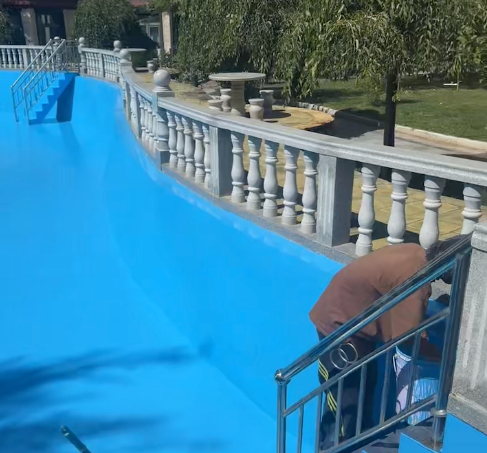
When it comes to protecting critical surfaces from water intrusion, chemical exposure, and mechanical wear, few solutions match the speed and reliability of polyurea coatings. These advanced polymer systems have quietly revolutionized the waterproofing industry, enabling contractors and facility managers to apply a fully protective membrane in environments where downtime is costly and curing delays simply are not an option. Whether you are sealing a swimming pool, a commercial rooftop, a bathroom floor, or an industrial containment area, polyurea coatings deliver a seamless, flexible, and extraordinarily durable barrier that sets up in seconds rather than hours.
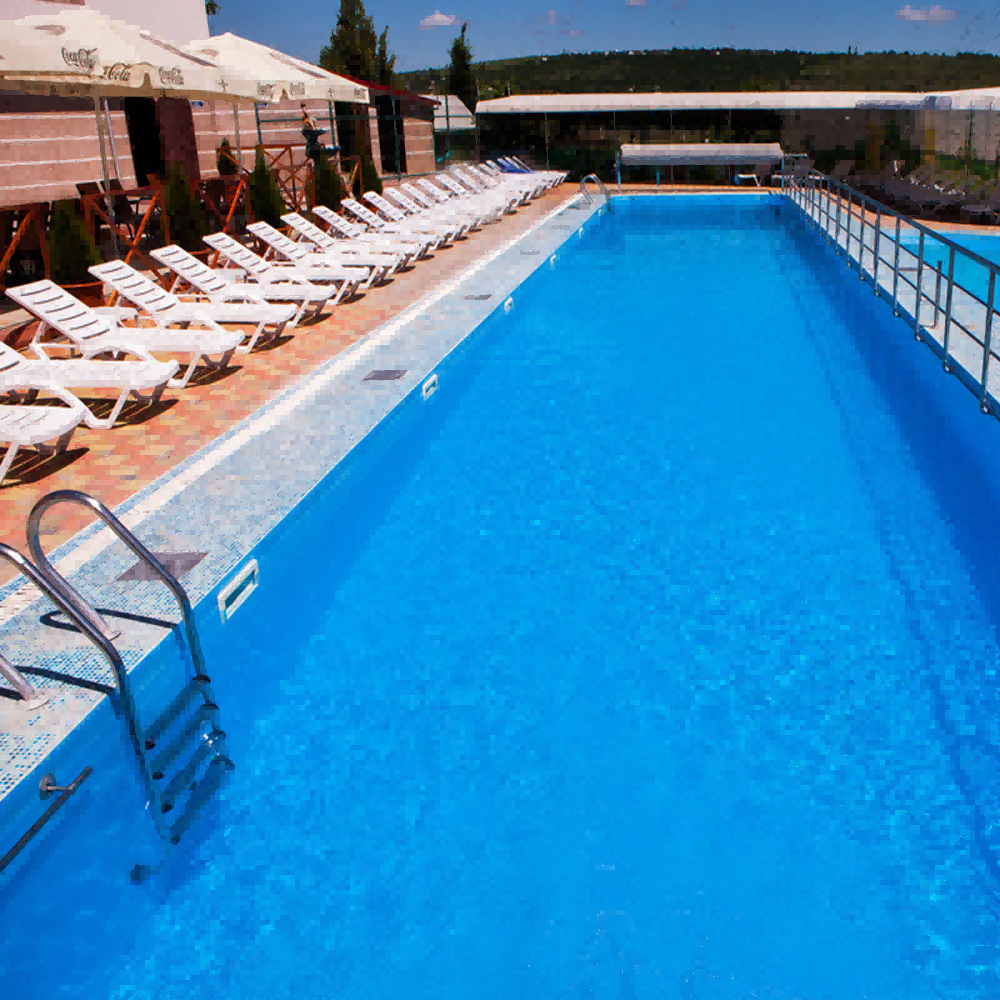
Understanding how polyurea coatings achieve such rapid protection requires a closer look at the chemistry, the application mechanics, and the real-world performance characteristics that distinguish them from traditional waterproofing materials like bitumen membranes, epoxy systems, or acrylic paints. This article breaks down the mechanism behind the speed, the structural reasons for the protection, and the practical scenarios where polyurea coatings consistently outperform competing solutions.
The Chemistry Behind Rapid Cure and Instant Waterproofing
How Polyurea Reaction Chemistry Works
Polyurea coatings are formed through the rapid chemical reaction between an isocyanate component and an amine-terminated resin blend. Unlike polyurethane systems that rely on moisture or heat to complete their cure, the polyurea reaction is virtually independent of environmental conditions such as humidity and temperature. This means the protective film begins forming the moment the two components contact each other, typically achieving gel times of just 3 to 15 seconds and full functional cure within minutes.
The reaction produces a dense, cross-linked polymer network with an exceptionally high molecular weight. This molecular architecture is the foundation of everything that makes polyurea coatings exceptional — their elasticity, their tensile strength, and crucially, their impermeability to water. The tightly bonded molecular chains leave virtually no pathways for water molecules to migrate through the cured film, creating a true seamless waterproof membrane rather than a surface treatment that slows moisture absorption.
This chemistry also means that polyurea coatings are not dependent on solvent evaporation or oxidation to cure, which eliminates many of the environmental limitations that complicate waterproofing projects in cold weather, high humidity, or confined spaces. The reaction is exothermic and self-sustaining once initiated, which is why the coating can be applied and walked on within minutes of application in most field conditions.
Why Seconds Matter in Real Waterproofing Projects
The speed of polyurea coatings is not simply a marketing advantage — it has direct practical implications for project economics and surface protection quality. On a rooftop waterproofing project, for example, a contractor applying polyurea coatings does not need to monitor weather windows over a multi-day curing period. The membrane is functionally waterproof before the next rainfall, regardless of whether that is an hour or a day after application.
For commercial swimming pools and water features, the rapid cure of polyurea coatings means that the structure can be refilled and returned to service dramatically faster than with traditional coatings that require 24 to 72 hours of cure time before water contact. In high-traffic facilities, this translates directly into reduced revenue loss from downtime. Similarly, in bathroom renovation and wet-area waterproofing, the fast-setting nature of polyurea coatings allows tiling or finishing work to proceed the same day rather than waiting for waterproofing layers to cure overnight.
The speed also reduces the window during which an incomplete waterproofing layer is vulnerable to contamination, foot traffic, or accidental damage. Because polyurea coatings set so rapidly, the finished membrane is robust and resistant to disturbance almost immediately, which is a significant quality control advantage on busy construction sites.
Structural Properties That Deliver Superior Protection
Seamless Membrane Formation and Its Role in Waterproofing
One of the most significant structural advantages of polyurea coatings over sheet membranes, applied tiles, or lap-jointed systems is that they form a completely seamless monolithic barrier. Every joint, lap, seam, or fastener penetration in a conventional waterproofing system is a potential failure point. Water is relentless in finding these weaknesses over time, especially as thermal cycling, building movement, or substrate settlement causes materials to shift and pull apart.
Polyurea coatings eliminate these vulnerabilities by conforming perfectly to the substrate and forming a continuous film that bridges corners, drains, pipe penetrations, and irregular geometries without interruption. When applied correctly, there are no seams, no overlaps, and no mechanical fasteners — just a uniform protective layer that maintains its integrity across the entire waterproofed surface. This is particularly valuable on complex rooftop geometries, curved pool shells, or tiled bathroom floors with multiple penetrations and transitions.
The ability of polyurea coatings to accommodate substrate movement without cracking is directly related to their elongation properties. High-quality polyurea formulations can achieve elongation values of 300 to 600 percent before failure, meaning they can stretch significantly as the substrate expands, contracts, or deflects without breaking the waterproof seal. This makes polyurea coatings far more durable than rigid or semi-rigid alternatives in applications where thermal movement is a factor.
Chemical and Abrasion Resistance in Demanding Environments
Waterproofing is rarely the only protection requirement for industrial and commercial surfaces. Polyurea coatings provide a multi-functional protective layer that simultaneously resists water intrusion, chemical attack, UV degradation, and physical abrasion. In swimming pool applications, the coating must withstand constant exposure to chlorinated water, pH fluctuations, and cleaning chemicals without blistering, softening, or delaminating. Polyurea coatings are formulated to maintain their adhesive bond and barrier properties under these aggressive service conditions.
In industrial settings, polyurea coatings are used to protect concrete floors, secondary containment berms, and tank linings from acid spills, fuel exposure, and solvent contact. The dense cross-linked structure that contributes to waterproofing also resists the absorption and permeation of aggressive liquids. This dual-function performance — waterproofing combined with chemical resistance — makes polyurea coatings a logical choice for environments where multiple threats must be managed with a single protective system.
Abrasion resistance is another dimension of protection where polyurea coatings demonstrate exceptional performance. Unlike softer polymer coatings that wear through surface contact, properly formulated polyurea coatings maintain their film thickness and barrier integrity even under heavy foot traffic, equipment movement, or hydraulic turbulence. This is particularly relevant for pool decks, commercial rooftop walkway areas, and bathroom floors that must remain waterproof despite regular physical use.
Application Methods That Enable Speed and Precision
Plural-Component Spray Application Fundamentals
The rapid cure of polyurea coatings requires specialized application equipment — specifically, heated plural-component spray rigs that maintain the isocyanate and resin components at precise temperatures and pressures until the moment they collide at the spray gun tip. The heating is necessary because polyurea components are viscous at room temperature and must be brought to application viscosity to ensure proper atomization and mixing. Most professional polyurea spray systems operate at pressures between 1,500 and 3,000 psi and temperatures between 60 and 80 degrees Celsius for each component.
At these conditions, the two streams impinge-mix inside the gun and are expelled as a fine spray that immediately begins reacting on contact with the substrate. The applicator controls film thickness by adjusting spray distance, gun speed, and pass overlap. Because polyurea coatings build quickly per pass, a skilled operator can apply membrane thicknesses of 1 to 3 millimeters in a single continuous application session, with the early passes already cured by the time subsequent passes are applied.
The investment in proper equipment is justified by the productivity gains and quality outcomes that polyurea coatings deliver. A two-person crew with a high-pressure spray rig can waterproof large surface areas in a fraction of the time required by hand-applied membrane systems, while achieving more consistent thickness and better adhesion than manually applied alternatives.
Surface Preparation and Its Critical Role in Adhesion
Despite the rapid cure and high-performance properties of polyurea coatings, the long-term success of any waterproofing application depends fundamentally on substrate preparation. Concrete surfaces must be clean, structurally sound, and free of laitance, dust, oil, and moisture before polyurea coatings are applied. Contaminated or weak substrates will cause adhesion failure regardless of how well the coating itself performs, and adhesion failure is the primary cause of waterproofing system breakdown.
Shot blasting, scarifying, or diamond grinding are the preferred mechanical preparation methods for concrete, as they open the surface profile and remove weak surface layers simultaneously. Primers specifically formulated for polyurea coatings are typically applied after mechanical preparation to further enhance adhesion, seal surface porosity, and prevent outgassing from the substrate during coating application. Outgassing — the escape of trapped air or moisture vapor from the concrete — can cause pinholes in the polyurea membrane if not properly managed, and these pinholes represent pathways for water infiltration that undermine the waterproofing function.
Investing in thorough surface preparation ensures that the exceptional waterproofing performance of polyurea coatings is fully realized in service. When properly applied over a well-prepared substrate with appropriate primer, polyurea coatings can achieve adhesion strengths exceeding the tensile strength of the concrete itself, meaning the coating will not delaminate under normal service conditions for the design life of the system.
Key Application Scenarios Where Polyurea Coatings Excel
Swimming Pools, Roofs, and Wet Areas
Swimming pool waterproofing is one of the most demanding applications for any coating system. The shell must resist constant hydrostatic pressure from the outside when the pool is empty, and must contain water reliably when full. It must tolerate thermal cycling, chemical exposure, UV radiation at the waterline, and physical impact from cleaning equipment and bathers. polyurea coatings address all of these requirements in a single application system, providing a flexible, chemically resistant, seamless membrane that outlasts traditional pool finishes and requires less frequent maintenance intervention.
Rooftop waterproofing presents a different but equally challenging set of requirements. The membrane must bridge any cracks that develop in the roof deck, must drain water efficiently without allowing ponding to compromise adhesion, must withstand UV exposure without chalking or embrittlement, and must remain intact through decades of thermal expansion and contraction. Polyurea coatings can be formulated with UV-stable topcoats that protect the underlying membrane from solar degradation, extending the service life of the waterproofing system to 15 years or more in many climates.
Bathroom and wet-area waterproofing behind tiles is an application where the seamless nature and rapid cure of polyurea coatings provide particular advantages. Water infiltration behind inadequately waterproofed tiles causes mold growth, substrate deterioration, and expensive remediation. Polyurea coatings applied to the substrate before tiling create a positive waterproof barrier that prevents any water that bypasses grout joints from reaching the structural substrate, protecting the building envelope for the long term.
Industrial and Infrastructure Waterproofing Applications
Beyond building envelope applications, polyurea coatings are widely used in infrastructure and industrial waterproofing contexts where performance requirements are extreme. Bridge decks, parking structures, tunnels, and water treatment facilities all benefit from the combination of waterproofing, chemical resistance, and mechanical durability that polyurea coatings uniquely provide. In these environments, the cost of waterproofing failure extends far beyond repair costs to include structural degradation, safety risks, and regulatory liability.
Secondary containment systems for chemical storage, fuel tanks, and industrial process equipment represent another high-value application area. Polyurea coatings applied to concrete berms and floors create a liquid-tight barrier that prevents hazardous materials from contaminating soil and groundwater in the event of a spill. The ability to apply polyurea coatings quickly around complex geometries — including pipe penetrations, sump pits, and equipment pads — makes them practical for real-world containment designs that would be difficult to waterproof with sheet membrane systems.
In all of these scenarios, the defining advantage of polyurea coatings over conventional waterproofing solutions is the combination of rapid deployment, seamless coverage, and long-term performance under aggressive service conditions. This trifecta of benefits explains why polyurea coatings have achieved rapid adoption across industries that previously relied on much slower and less reliable waterproofing technologies.
Selecting the Right Polyurea Formulation for Your Project
Understanding Formulation Variables and Performance Trade-offs
Not all polyurea coatings are identical, and selecting the appropriate formulation for a specific application requires understanding how key variables affect performance. Hardness, elongation, tensile strength, chemical resistance, and UV stability can all be tuned within the polyurea chemistry by adjusting the isocyanate index, the choice of amine resin, and the inclusion of additives or fillers. A formulation optimized for maximum chemical resistance in an industrial containment setting will have a different profile than one optimized for flexibility and crack-bridging in a rooftop application.
For swimming pools and decorative water features, polyurea coatings are often formulated with pigments and UV stabilizers to provide color, aesthetic finish, and resistance to bleaching from chlorine and sunlight. For rooftop applications where reflectivity is a thermal management priority, white or light-colored polyurea topcoats can reduce roof surface temperatures significantly. Understanding these formulation options allows specifiers and contractors to select polyurea coatings that not only provide waterproofing performance but also meet the aesthetic and regulatory requirements of each project.
It is also important to distinguish between pure polyurea and polyurea-polyurethane hybrid formulations. Pure polyurea coatings offer the fastest cure times and broadest environmental application windows, while hybrids may offer certain cost or workability advantages. Both types are widely used in the waterproofing industry, and both can deliver excellent results when properly specified and applied. Consulting with a knowledgeable technical supplier is the most reliable way to match the formulation to the performance requirements of a specific project.
Thickness, Coverage, and Long-Term Value Calculation
The specified thickness of polyurea coatings has a direct impact on waterproofing performance, durability, and service life. Thicker membranes provide greater crack-bridging capability, longer wear life, and more robust protection in high-traffic or mechanically aggressive environments. For most building waterproofing applications, minimum dry film thicknesses of 1.5 to 2 millimeters are recommended, while industrial containment and heavy-duty floor coatings may specify 3 millimeters or more.
When evaluating the cost of polyurea coatings, it is important to consider the total installed cost and expected service life rather than the material cost per liter in isolation. Polyurea systems may carry higher upfront material costs than some conventional alternatives, but the combination of rapid installation, reduced labor hours, and long service life without recoating typically results in a lower cost per year of protection over the system lifetime. This lifecycle value perspective is particularly compelling for asset owners who bear the full long-term cost of infrastructure maintenance.
Property developers, facility managers, and infrastructure owners who adopt polyurea coatings as their standard waterproofing specification frequently report that the reduction in warranty callbacks, maintenance interventions, and premature remediation more than offsets the initial investment premium. This positive lifecycle economics story has driven significant growth in the adoption of polyurea coatings across the construction and industrial sectors over the past two decades.
FAQ
How fast do polyurea coatings really cure compared to traditional waterproofing systems?
Polyurea coatings typically achieve gel time within 3 to 15 seconds after application and reach functional cure — meaning they can be walked on or exposed to water — within 30 to 60 minutes. This is dramatically faster than epoxy waterproofing systems that require 12 to 24 hours, bitumen membranes that need heat application and cooling time, or polyurethane coatings that may require 8 to 24 hours depending on humidity and temperature. The speed advantage translates directly into reduced downtime for the facility and faster project completion for the contractor.
Can polyurea coatings be applied in cold or wet conditions?
One of the defining strengths of polyurea coatings is their tolerance for adverse environmental conditions. Because the curing reaction does not depend on moisture, heat, or evaporation, polyurea coatings can be applied at temperatures as low as minus 20 degrees Celsius in some formulations, and in high-humidity environments where moisture-curing polyurethane systems would foam or fail. The substrate must still be dry at the point of application for adhesion purposes, but ambient humidity does not interfere with the cure process itself. This makes polyurea coatings practical for a much wider range of climatic and seasonal conditions than most alternative waterproofing technologies.
How long do polyurea coatings last in swimming pool or rooftop applications?
When properly specified, applied over a well-prepared substrate, and maintained according to manufacturer guidelines, polyurea coatings in swimming pool and rooftop applications typically achieve service lives of 15 to 25 years. The actual longevity depends on factors including membrane thickness, UV stabilizer content, quality of surface preparation, and the severity of chemical or physical exposure in service. Properly formulated polyurea coatings with UV-resistant topcoats are among the most durable waterproofing options available for these demanding environments, often outlasting competing systems by a significant margin.
Are polyurea coatings suitable for do-it-yourself application or do they require professional equipment?
Standard high-pressure spray-applied polyurea coatings require specialized plural-component spray equipment and trained operators to achieve consistent film thickness, proper mixing ratios, and uniform coverage. This professional-grade application is essential for critical waterproofing projects such as pools, roofs, and industrial containment. However, there are single-component and lower-viscosity polyurea hybrid products available for smaller-scale applications that can be applied with conventional spray equipment or rollers. These products may not match the full performance specification of professional plural-component systems, but they offer a practical solution for maintenance coatings, repairs, and less demanding waterproofing scenarios where professional equipment access is limited.
Table of Contents
- The Chemistry Behind Rapid Cure and Instant Waterproofing
- Structural Properties That Deliver Superior Protection
- Application Methods That Enable Speed and Precision
- Key Application Scenarios Where Polyurea Coatings Excel
- Selecting the Right Polyurea Formulation for Your Project
-
FAQ
- How fast do polyurea coatings really cure compared to traditional waterproofing systems?
- Can polyurea coatings be applied in cold or wet conditions?
- How long do polyurea coatings last in swimming pool or rooftop applications?
- Are polyurea coatings suitable for do-it-yourself application or do they require professional equipment?