
 EN
EN
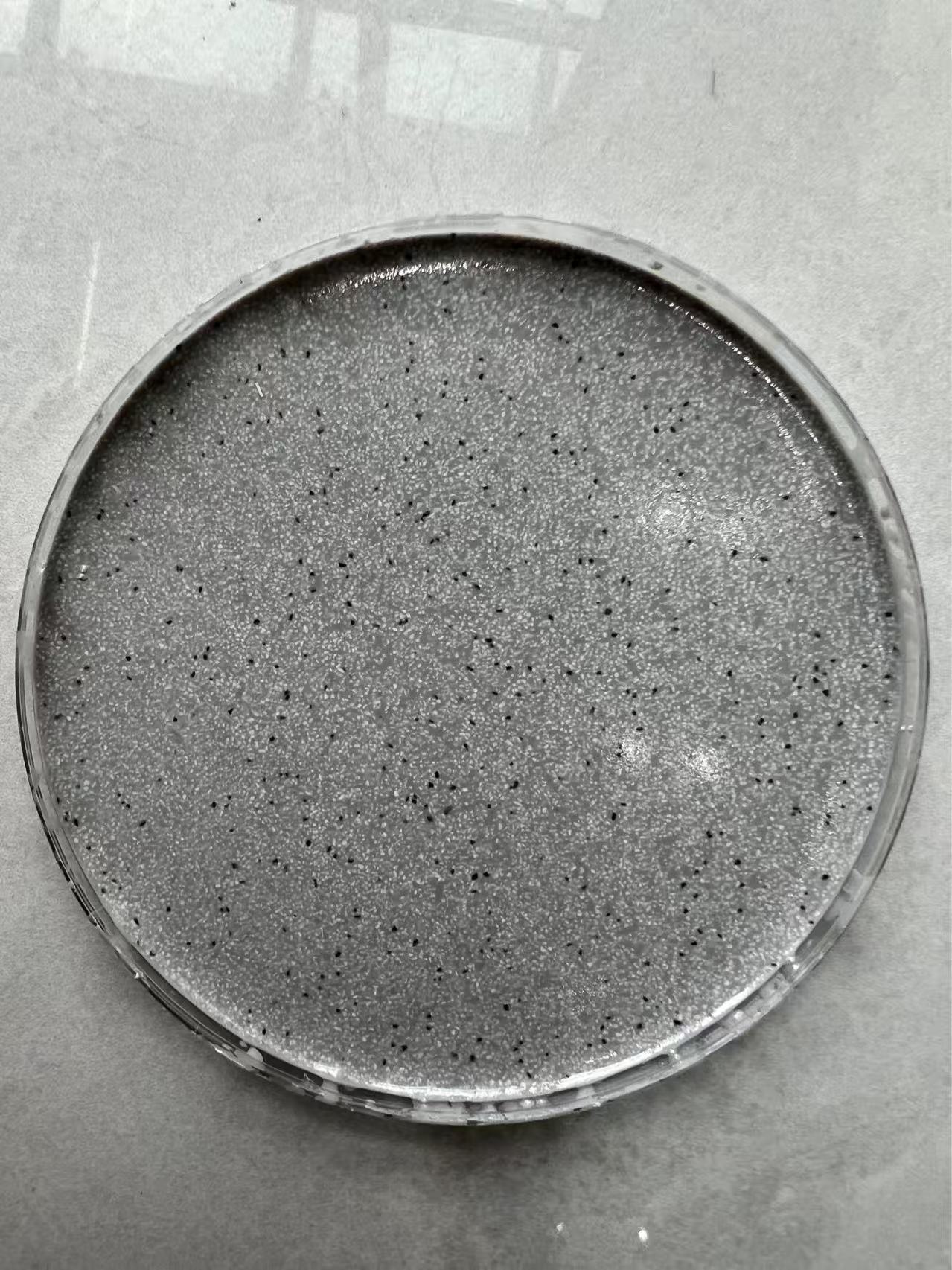
When professionals plan a flooring installation, the behavior of a self leveling floor mix during application determines whether the finished surface will be flawlessly smooth or riddled with texture problems. The flow characteristics and viscosity of a self leveling floor mix are not secondary concerns — they are the primary physical properties that define the final result. Understanding how these two factors interact helps contractors and project managers make better material choices and avoid costly rework.
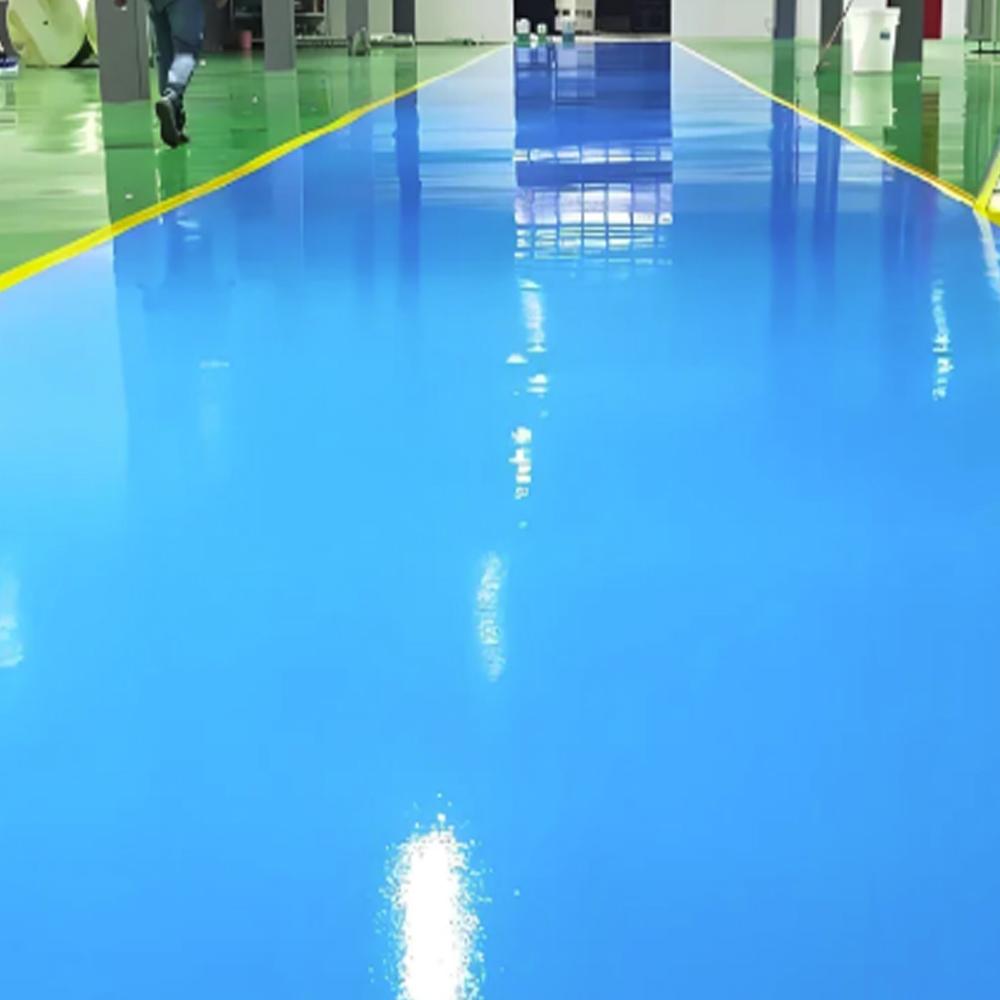
The relationship between a self leveling floor mix and the surface it produces is more complex than simply pouring a liquid and waiting for it to harden. Every self leveling floor mix has a specific viscosity range and flow rate engineered to achieve a target film thickness and levelness. When either property deviates from the ideal range, the impact on final smoothness becomes visible and measurable. This article explains exactly how flow and viscosity shape the surface quality of a self leveling floor mix and what installers must control to get consistent results.
Flow Rate and Its Direct Influence on Surface Levelness
What Flow Rate Means for a Self Leveling Floor Mix
Flow rate describes how readily a self leveling floor mix spreads across a substrate after being poured or pumped. A self leveling floor mix with a high flow rate will naturally migrate toward lower areas and fill gaps before the material begins to cure. This self-correction ability is what makes a self leveling floor mix different from conventional mortar or resin coatings that require mechanical spreading. When the flow rate is correctly calibrated, a self leveling floor mix covers an entire pour zone uniformly, producing a consistently flat plane across the surface.
A self leveling floor mix with insufficient flow rate will not travel far enough from the pour point. This creates a mounding effect near the application zone and thinner coverage at the perimeter of each pour. The final surface of such a self leveling floor mix will show visible ridges, uneven thickness, and transitions between pours that are difficult to sand or grind flat without significant additional labor. Controlling flow rate through correct water-to-powder ratios or resin-to-hardener ratios is therefore critical for every self leveling floor mix installation.
Temperature and Substrate Conditions That Alter Flow
Ambient temperature has a direct effect on how a self leveling floor mix flows after placement. At lower temperatures, a self leveling floor mix becomes more viscous and sluggish, reducing its ability to self-correct over low spots. At higher temperatures, the same self leveling floor mix may flow too aggressively, running to edges and creating uneven thickness at the perimeter. Installers must account for the temperature range specified by the manufacturer of each self leveling floor mix to maintain predictable flow behavior during the open time window.
Viscosity and Its Role in Final Surface Texture
How Viscosity Defines the Surface Quality of a Self Leveling Floor Mix
Viscosity measures the internal resistance of a self leveling floor mix to flow under its own weight. A self leveling floor mix with ideal viscosity will flow smoothly without entrapping air bubbles and will release surface tension gradually as the material levels. When the viscosity of a self leveling floor mix is too high, the mix resists spreading and the surface tension cannot be overcome by gravity alone. The result is a textured or orange-peel surface that requires extensive finishing work to correct.
Conversely, a self leveling floor mix with excessively low viscosity behaves more like water than a structural material. While the surface may appear flat immediately after placement, a very thin self leveling floor mix can migrate unevenly under gravity, pool near the lowest points of the substrate, and produce inconsistent film thickness across the pour area. The ideal viscosity for a self leveling floor mix balances flowability and body, giving the material enough movement to level without becoming uncontrollably thin in certain zones.
Mixing Consistency and Viscosity Stability in a Self Leveling Floor Mix
Proper mixing technique directly affects the viscosity of a self leveling floor mix and therefore the final texture. When a self leveling floor mix is under-mixed, lumps and unmixed components create local viscosity variations within the same pour. These inconsistencies appear as bumps, streaks, or dulled patches on the cured surface. A well-mixed self leveling floor mix should display uniform color, consistent drag on the mixing paddle, and smooth release from the container walls before being poured onto the substrate.
Over-mixing a self leveling floor mix can introduce air and cause premature thickening in some formulations. Both outcomes compromise surface smoothness. Following the manufacturer's recommended mixing speed and duration ensures that the self leveling floor mix maintains its designed viscosity profile from the moment of mixing through the full open time of the product. Using calibrated mixing equipment rather than handheld tools is strongly recommended for large-scale self leveling floor mix installations.
Practical Controls for Achieving Maximum Smoothness
Substrate Preparation as a Foundation for a Self Leveling Floor Mix
Even a perfectly formulated self leveling floor mix cannot compensate for a poorly prepared substrate. Substrate porosity, moisture content, and flatness all influence how a self leveling floor mix flows and bonds during application. A highly porous substrate will absorb liquid from a self leveling floor mix faster than the material can spread, effectively increasing the local viscosity near the surface and causing premature stiffening. Priming the substrate before applying a self leveling floor mix is the standard method for controlling absorption and ensuring that the mix retains its intended flow properties across the full coverage area.
Pour Strategy and Continuous Application of a Self Leveling Floor Mix
Pour strategy refers to the sequence and timing of each batch of self leveling floor mix placed during installation. A self leveling floor mix should be applied in a continuous, wet-on-wet manner to prevent cold joints between successive pours. Cold joints form when the first batch of self leveling floor mix begins to gel before the next batch is placed. These joints create visible ridges and transitions on the finished surface. Maintaining a consistent mix rate, pour rate, and working team size ensures that each batch of self leveling floor mix merges seamlessly with the previous one, producing a monolithic surface free of texture interruptions.
FAQ
What happens if you add too much water to a self leveling floor mix?
Adding excess water to a self leveling floor mix reduces its viscosity beyond the designed range, causing the material to flow too freely and settle unevenly. The resulting surface may appear flat initially but will often show differential thickness, weak spots, and reduced surface hardness after curing. Always follow the specified water ratio for your self leveling floor mix to maintain both workability and final performance.
How does viscosity affect bubble formation in a self leveling floor mix?
When a self leveling floor mix has high viscosity, air introduced during mixing cannot escape the material quickly enough before the surface begins to set. These trapped bubbles produce small craters or pinholes in the cured surface. A self leveling floor mix with properly calibrated viscosity allows air to migrate to the surface and dissipate naturally during the open time, producing a smooth, defect-free finish.
Can a self leveling floor mix correct major substrate unevenness on its own?
A self leveling floor mix is designed to correct minor variations in substrate flatness, typically within a specified thickness range. Significant substrate unevenness — such as large dips or humps exceeding the maximum pour depth — cannot be corrected by a single application of self leveling floor mix alone. For major defects, a base layer or repair mortar should be used before the final self leveling floor mix pour to ensure a flat, stable foundation for the finish layer.