
 EN
EN

A self leveling floor is one of the most efficient and visually refined flooring solutions available for commercial, industrial, and high-end residential spaces. However, the final appearance and long-term performance of a self leveling floor depend heavily on the preparation steps completed before a single drop of compound is poured. Many flooring failures trace back not to the product itself, but to skipped or rushed preparation. Understanding which primer and reinforcement steps are truly critical can mean the difference between a flawless result and a costly repair job.
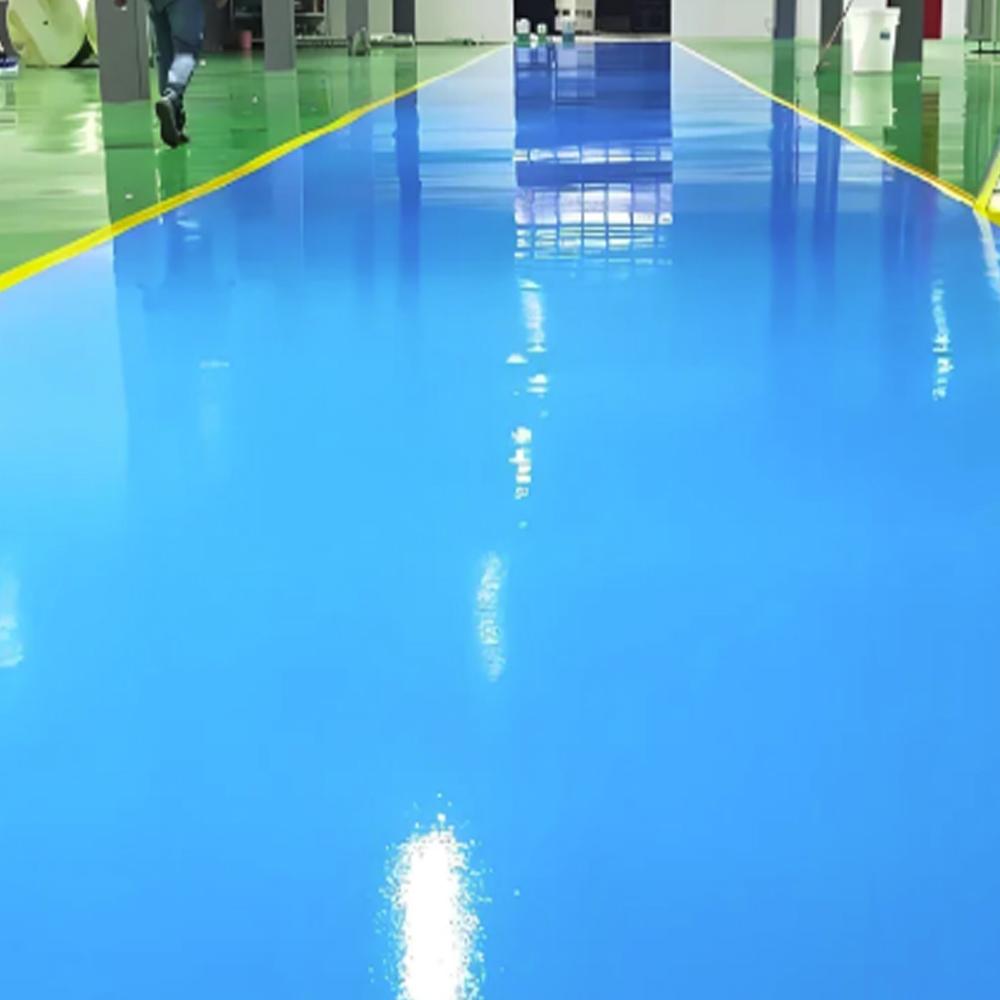
The installation of a self leveling floor is a precise process that rewards careful planning and disciplined execution. Primer selection, substrate conditioning, crack management, and reinforcement mesh placement are not optional extras. They are foundational requirements that determine whether your self leveling floor bonds correctly, cures evenly, and withstands the daily demands placed on it. This article walks through each critical preparation stage in practical detail so you can approach your next self leveling floor project with full confidence.
Substrate Assessment and Surface Preparation
Why the Substrate Condition Defines Self Leveling Floor Success
Before any primer touches the surface, the substrate beneath your self leveling floor must be thoroughly evaluated. Concrete substrates are the most common base for a self leveling floor, and they must be clean, structurally sound, and free of contaminants such as oil, grease, dust, old adhesive residue, or curing compounds. Any of these contaminants will prevent the self leveling floor compound from bonding properly, leading to delamination or surface bubbling after curing.
Mechanical preparation is the preferred method for conditioning a substrate before a self leveling floor installation. Shot blasting, grinding, or scarifying the concrete opens the surface profile, allowing primer and compound to penetrate and grip the base effectively. A concrete surface strength of at least 25 MPa is generally required to support a self leveling floor without flex or failure. If the substrate is weak, porous, or dusty, no amount of primer will compensate for the structural deficiency beneath the self leveling floor.
Moisture Testing Before Applying a Self Leveling Floor
Moisture is one of the most damaging enemies of a self leveling floor. Excess moisture vapor rising through a concrete slab can cause the self leveling floor to bubble, crack, or separate from the base over time. Before proceeding, conduct a calcium chloride test or a relative humidity probe test to determine whether the slab moisture level falls within acceptable limits for your chosen self leveling floor product. Most self leveling floor systems require a relative humidity reading below 75 to 85 percent before application can proceed safely.
Priming Steps Critical to Self Leveling Floor Performance
Choosing the Right Primer for Your Self Leveling Floor
Primer is not a formality when installing a self leveling floor. It is the bonding interface that locks the self leveling floor compound to the substrate. Selecting the correct primer depends on the substrate type, porosity, and the specific self leveling floor product being used. Epoxy-based primers are commonly specified for dense or low-porosity substrates because they penetrate deeply and form a strong mechanical bond with the self leveling floor compound applied on top.
For highly porous or absorbent substrates, a water-based acrylic primer may be more appropriate, as it seals the surface and prevents the self leveling floor compound from drying too quickly due to moisture absorption into the slab. Applying primer too thinly or too thickly will both compromise the self leveling floor result. Always follow the manufacturer's specified coverage rate, and allow the primer to reach the correct tack level before pouring the self leveling floor compound. Rushing this stage is one of the most frequent causes of self leveling floor failure on site.
Multiple Primer Coats and Extended Waiting Periods
On particularly porous or uneven substrates, a single primer coat may be insufficient preparation for a self leveling floor. A second primer coat applied after the first has cured can significantly improve adhesion and reduce the risk of pinholes, air pockets, or bond failures in the finished self leveling floor. Some self leveling floor systems also require a scratch coat, which is a thin layer of sand-broadcast primer that creates an even coarser bonding profile before the main self leveling floor compound is poured.
Waiting periods between primer coats and the self leveling floor pour are equally important. Pouring a self leveling floor over primer that is still wet or has cured beyond its open time will compromise the bond. Temperature, humidity, and airflow all affect how quickly primer reaches its ideal tack state for self leveling floor application, so monitor conditions carefully rather than relying solely on fixed time estimates.
Reinforcement Steps That Strengthen the Self Leveling Floor
Crack Treatment Before the Self Leveling Floor Is Poured
Active or dormant cracks in a concrete substrate must be addressed before pouring a self leveling floor. If cracks are left untreated, they can telegraph through the self leveling floor layer and reappear on the finished surface. Fine hairline cracks can often be filled with an appropriate epoxy crack filler or polyurethane repair compound before the self leveling floor primer is applied. Wider or structural cracks may require routing, filling, and stitching before the self leveling floor installation can proceed safely.
Reinforcement Mesh and Fiber Integration in Self Leveling Floor Systems
For self leveling floor installations in areas subject to heavy traffic, mechanical loads, or substrate movement, incorporating reinforcement materials adds significant durability. Fiberglass reinforcement mesh placed within the body of the self leveling floor compound layer helps distribute stress and prevents crack propagation across the self leveling floor surface. In thicker self leveling floor applications, synthetic fibers blended into the compound itself can further improve tensile strength and resistance to impact.
Reinforcement is especially important in self leveling floor projects where the base slab has minor flex or where thermal cycling creates expansion and contraction stress. Using reinforcement in combination with a well-primed surface gives the self leveling floor the structural integrity it needs to perform over many years without visible damage. Ignoring reinforcement in high-demand environments is a shortcut that almost always results in premature self leveling floor failure.
FAQ
Can I skip priming if the substrate looks clean before pouring a self leveling floor?
No. Even a visually clean substrate can contain microscopic dust, release agents, or surface laitance that will prevent proper adhesion of a self leveling floor. Primer is a non-negotiable step that seals the substrate, controls absorption, and creates the bond interface required for the self leveling floor compound to perform correctly. Skipping primer almost always leads to delamination or surface defects in the finished self leveling floor.
How thick should the primer coat be for a self leveling floor application?
Primer coat thickness for a self leveling floor should follow the product manufacturer's stated coverage rate precisely. Applying too much primer can leave a thick film that remains tacky and weakens the bond, while too little primer fails to seal the substrate adequately. For most self leveling floor primers, a thin, even coat that penetrates the surface without pooling is the correct approach. On porous substrates, two thin coats are preferable to one heavy coat.
Is reinforcement mesh always required for a self leveling floor installation?
Reinforcement mesh is not always mandatory for every self leveling floor project, but it is strongly recommended in high-traffic commercial or industrial environments and wherever the base substrate shows signs of cracking or movement. For thin decorative self leveling floor layers in low-stress residential settings, reinforcement may be optional. However, for any self leveling floor application where longevity and load resistance are priorities, incorporating mesh or fiber reinforcement is a sound investment that prevents future repair costs.