
 EN
EN

A self leveling floor is one of the most practical investments a warehouse operation can make. When heavy loads, forklift traffic, and constant mechanical stress are part of daily operations, the floor beneath must be capable of absorbing and distributing that pressure without cracking, shifting, or deteriorating prematurely. A self leveling floor is specifically engineered to meet those demands with a flat, seamless, and structurally reinforced surface.
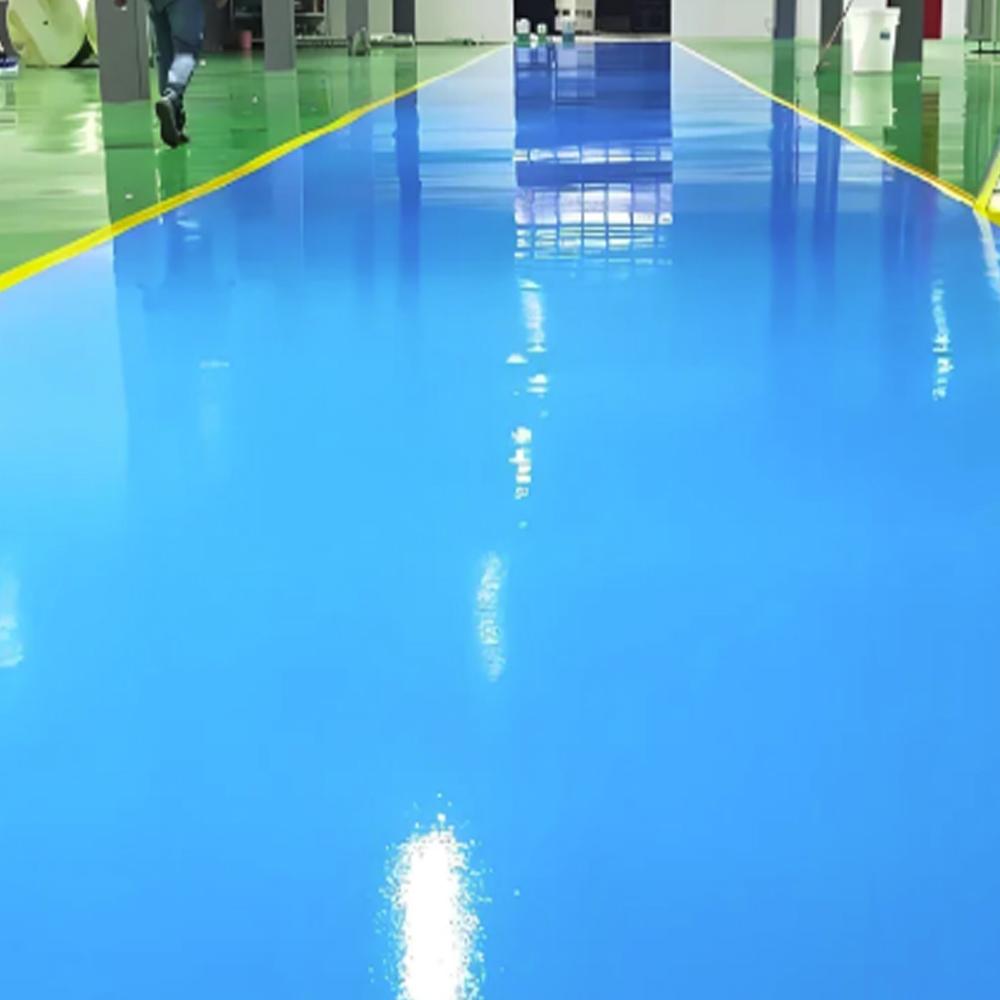
Many warehouse managers overlook the long-term consequences of using an inadequate floor system. A standard concrete slab without a proper self leveling floor coating often develops surface irregularities over time, creating hazardous conditions for workers and equipment alike. Choosing a high-strength self leveling floor from the start is not just a structural decision — it is a safety and productivity decision that directly affects warehouse performance for years to come.
The Load-Bearing Demands of Modern Warehouses
Why Conventional Floors Fall Short
Modern warehouses regularly operate under conditions that standard flooring simply cannot handle efficiently. Forklifts carrying multi-ton payloads, pallet racks loaded with dense inventory, and rolling equipment all exert concentrated stress on the floor surface. A self leveling floor is formulated to distribute that stress evenly across its entire surface layer, preventing the kind of point-load failures that plague conventional concrete floors. Without a self leveling floor, surface cracks form quickly, and those cracks deepen over time as loads continue to pass over them.
The structural weakness of uncoated or poorly finished concrete becomes especially visible when warehouses scale their storage density. As rack heights increase and aisle widths narrow, forklift axle loads become more concentrated. A self leveling floor addresses this by providing a uniform, compressive-strength surface that maintains its integrity even under repeated mechanical loading. This is why the self leveling floor has become the preferred surface solution for high-throughput logistics environments.
How a Self Leveling Floor Handles Heavy Traffic
The chemistry behind a self leveling floor is designed to create a dense, void-free matrix when applied. The material flows into all surface imperfections, eliminating the micro-pockets and irregularities that weaken a floor under dynamic load. A quality self leveling floor cures to a hardness that resists both static compression and the shear forces generated by moving vehicles. Each pass of a loaded forklift becomes a non-destructive event rather than a cumulative source of surface damage.
A self leveling floor also reduces the vibration transmitted to racking systems during forklift movement. Smoother surfaces mean lower vibration amplitudes, which in turn reduces the risk of rack fastener loosening and inventory displacement. This makes the self leveling floor an indirect contributor to warehouse racking safety, not just surface durability.
Safety and Operational Benefits of a Self Leveling Floor
Improving Worker Safety on Warehouse Floors
An uneven or cracked floor is a leading cause of workplace incidents in warehouses. Workers navigating on foot or operating equipment across damaged surfaces face elevated risks of trips, falls, and equipment instability. A self leveling floor eliminates surface height variations and removes the edge transitions that cause wheeled equipment to jolt. The result is a consistently flat surface that supports both safe foot traffic and stable machinery operation throughout every shift.
A self leveling floor also allows for the application of anti-slip aggregate finishes in high-traffic zones. This added traction layer makes a self leveling floor even more effective in dock areas, ramps, and turning zones where the combination of speed and surface moisture creates heightened slip risk. Warehouse safety programs that incorporate a self leveling floor into their physical environment consistently report fewer floor-related incidents over time.
Reducing Maintenance Costs Through Surface Integrity
One of the strongest financial arguments for installing a self leveling floor is the reduction in ongoing maintenance costs. Cracked and spalling concrete requires frequent patching, which not only costs money but also creates temporary shutdowns of affected warehouse zones. A self leveling floor, when properly applied over prepared substrate, forms a monolithic surface that resists the initiation of cracks from below. This means the self leveling floor stays structurally sound far longer than an uncoated slab under the same loading conditions.
Cleaning is also far more efficient with a self leveling floor. The seamless surface leaves no grout lines, joints, or surface pores where dust, oil, and debris can accumulate. A self leveling floor supports the kind of rapid, machine-based cleaning cycles that high-volume warehouses depend on to maintain hygiene and operational readiness. Fewer surface irregularities mean faster sweeping, scrubbing, and inspection cycles, all of which reduce labor hours over the facility lifetime.
Selecting the Right Self Leveling Floor for Warehouse Use
Key Properties to Evaluate
Not every self leveling floor product delivers the same performance under heavy industrial conditions. Warehouse operators should evaluate compressive strength ratings, minimum thickness per application, and chemical resistance when selecting a self leveling floor system. A self leveling floor intended for heavy warehouse use should offer a compressive strength that can withstand the impact loads generated by forklift wheel contact, particularly in turning and braking zones. The self leveling floor must also bond effectively to the existing substrate to prevent delamination under cyclic loading.
Epoxy-based self leveling floor systems are widely used in warehouse environments because they combine high mechanical strength with excellent adhesion and chemical resistance. A well-specified epoxy self leveling floor can tolerate fuel spills, hydraulic fluid leaks, and cleaning chemical exposure without surface degradation. Choosing the right self leveling floor system based on actual operational conditions — rather than minimum cost — ensures the floor delivers its designed service life without premature failure.
Application and Curing Considerations
The performance of a self leveling floor is directly tied to the quality of its installation. Surface preparation, including grinding, patching, and moisture testing of the concrete substrate, is essential before a self leveling floor is applied. If the substrate contains excessive moisture or surface contaminants, even a high-quality self leveling floor can fail to bond correctly. Proper application temperature and humidity conditions also influence how the self leveling floor flows and cures into its final form.
Warehouse schedules often make extended downtime impractical, so selecting a self leveling floor product with a fast-cure formulation is strategically important. Many modern self leveling floor systems allow light foot traffic within hours and full mechanical loading within a day or two. Planning the self leveling floor installation in phases, zone by zone, allows warehouse operations to continue running while the self leveling floor is being installed and cured in adjacent sections.
FAQ
How thick should a self leveling floor be for heavy warehouse use?
For heavy warehouse applications, a self leveling floor is typically applied at a minimum thickness of 2 to 3 millimeters, though some high-load environments require thicker systems. The appropriate thickness for a self leveling floor depends on the existing substrate condition, the type of loads the floor will bear, and the specific product formulation being used. Always follow the manufacturer's technical data sheet for minimum and maximum application depths when installing a self leveling floor.
Can a self leveling floor be applied over existing cracked concrete?
Yes, a self leveling floor can be applied over existing concrete, but proper preparation is critical. Existing cracks must be routed, cleaned, and filled with a compatible filler before the self leveling floor is applied. Failure to address active cracks before installing a self leveling floor can result in reflective cracking, where the movement in the substrate telegraphs through the new surface layer. A professional assessment of the substrate condition should always precede any self leveling floor installation project.
How long does a self leveling floor last in a high-traffic warehouse?
A properly installed and maintained self leveling floor in a high-traffic warehouse environment can last ten years or more, depending on the type of system used and the intensity of daily operations. Epoxy-based self leveling floor systems tend to offer the longest service life under heavy mechanical use. Routine inspections and prompt repair of any localized surface damage help extend the overall lifespan of a self leveling floor significantly beyond the average service life of uncoated concrete.