
 EN
EN

A self leveling compound has become one of the most trusted solutions in modern flooring preparation. Whether you are dealing with sunken sections across a warehouse floor or uneven substrates in a commercial space, a self leveling compound delivers fast, reliable correction without the intensive labor that traditional methods demand. Its fluid nature allows it to seek its own level, filling depressions and smoothing irregularities across large surface areas with minimal manual effort.
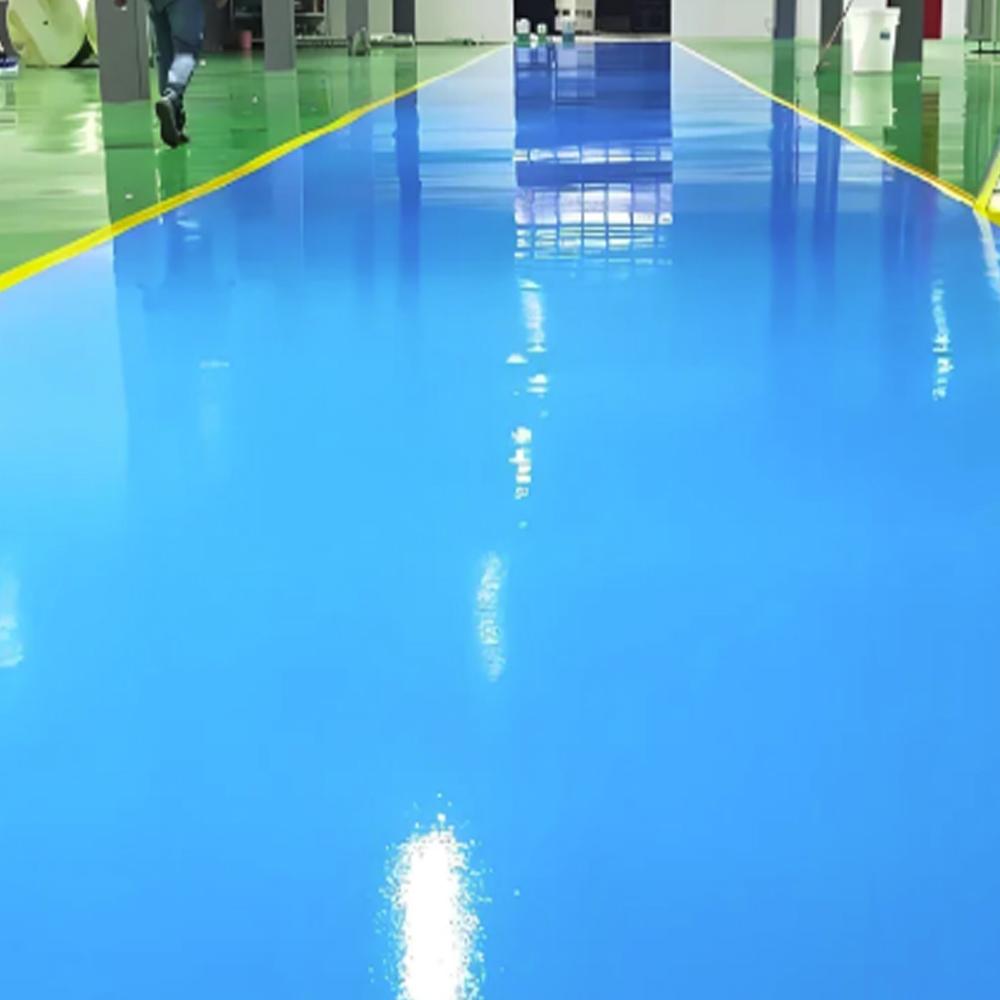
The growing demand for flat, durable floors in commercial, industrial, and high-end residential environments has made the self leveling compound a go-to product for flooring contractors and facility managers alike. Understanding exactly what makes a self leveling compound so effective for eliminating low spots and covering large areas quickly helps decision-makers choose the right approach from the start, saving both time and project costs.
The Core Mechanism Behind Self Leveling Compound
How Flow Properties Eliminate Low Spots
The defining characteristic of a self leveling compound is its engineered flow behavior. When mixed and poured onto a substrate, the self leveling compound spreads laterally under its own weight, naturally migrating toward the lowest points on the floor. This means that a self leveling compound does not require troweling or screeding across the entire surface the way a traditional cementitious mix would. The material flows into low spots, fills them evenly, and creates a flat plane without the installer needing to guide every millimeter of coverage. This self-directed filling is exactly why a self leveling compound is so reliable for eliminating depressions that would otherwise remain visible beneath floor coverings.
The viscosity of a self leveling compound is carefully calibrated during manufacturing. A self leveling compound must be fluid enough to flow across the substrate but thick enough to stay in place once it reaches its resting level. This balance ensures that the self leveling compound does not run off edges or leave thin, weak sections over high spots. The result is a consistent, even surface across the entire poured area.
Setting Speed and Large Area Coverage
Speed is another critical advantage of a self leveling compound, particularly when a project involves large surface areas. A high-quality self leveling compound typically reaches foot traffic readiness within two to four hours, depending on the formulation and ambient conditions. For commercial and industrial environments where downtime directly affects operations, a self leveling compound that cures quickly without sacrificing surface hardness provides a major scheduling benefit. Large areas that would take days to correct with hand-applied patching compounds can be addressed with a self leveling compound in a single pour session, dramatically compressing project timelines.
Why Self Leveling Compound Outperforms Manual Methods
Consistency Over Large Surfaces
Manual floor patching relies heavily on the skill and consistency of the installer. Even experienced workers find it difficult to achieve a perfectly flat surface across a large area using trowel-applied materials alone. A self leveling compound removes much of this variability because the physics of the material do the leveling work. When a self leveling compound is poured in sufficient volume, it distributes itself evenly, reducing the risk of high spots or remaining depressions that would compromise the final floor finish. This consistency is especially important in environments where precision flatness is required for heavy equipment, racking systems, or large-format floor tiles.
A self leveling compound also minimizes the labor intensity of floor preparation. Instead of a team of workers spending hours on hands and knees correcting individual low spots, a self leveling compound allows a smaller crew to cover the same area in significantly less time. This labor efficiency translates directly into lower installation costs, which is a compelling reason why facilities choose a self leveling compound over traditional leveling approaches when addressing widespread floor irregularities.
Compatibility With Finished Floor Systems
A self leveling compound serves as an ideal base for a wide range of floor finishes. Epoxy coatings, polyurethane systems, ceramic tiles, vinyl flooring, and polished concrete all benefit from the smooth, flat substrate that a self leveling compound creates. Without proper leveling, finish materials can crack, debond, or show visible unevenness over time. A self leveling compound eliminates this risk by ensuring the base layer is structurally sound and geometrically flat before the finish system is applied. In high-end residential and commercial projects, where the final appearance must meet premium standards, a self leveling compound is often a non-negotiable preparation step.
Selecting the Right Self Leveling Compound for Your Project
Substrate Conditions and Product Compatibility
Not every self leveling compound is formulated the same way, and selecting the appropriate product depends on the substrate type, the depth of correction required, and the final floor system to be installed above. A self leveling compound designed for thin applications may not perform well in deep low spots, while a self leveling compound formulated for deep pours may be over-engineered for minor surface preparation. Assessing the severity of floor irregularities before specifying a self leveling compound ensures that the product delivers its intended performance without waste or under-correction.
Primer compatibility is also a key consideration. Most self leveling compound systems require a primer application to promote adhesion and reduce the risk of air bubbles rising through the compound as it cures. Skipping the primer step when using a self leveling compound can result in pinholes or delamination, undermining the quality of the finished floor. Following the manufacturer's primer recommendations for a specific self leveling compound ensures long-term performance and adhesion integrity.
Industrial and Commercial Applications
In industrial settings, a self leveling compound must withstand heavy loads, frequent traffic, and sometimes exposure to chemicals or moisture. Epoxy-based self leveling compound systems offer enhanced chemical resistance and compressive strength compared to standard cement-based products, making them suitable for manufacturing floors, distribution centers, and food processing facilities. A self leveling compound used in commercial retail or hospitality environments may prioritize surface aesthetics alongside flatness, which is where decorative self leveling compound systems with color sand or aggregate finishes provide added value.
FAQ
How thick can a self leveling compound be applied in a single pour?
The application thickness of a self leveling compound varies by product. Some formulations are designed for layers as thin as 1 to 3 millimeters, while others allow pours up to 50 millimeters deep. Always confirm the recommended pour depth for your specific self leveling compound before beginning work.
Can a self leveling compound be used on wooden subfloors?
Yes, certain formulations of self leveling compound are compatible with plywood and timber subfloors, provided the substrate is properly primed, structurally sound, and free from excessive flex. Using the correct self leveling compound primer for wooden surfaces is essential to prevent moisture-related failures.
How soon can a finish floor be installed over a self leveling compound?
Most self leveling compound products allow light foot traffic within two to four hours and accept floor finish installation within 16 to 24 hours. However, curing times can vary based on temperature, humidity, and the specific self leveling compound formulation used, so always check the product data sheet before proceeding.